
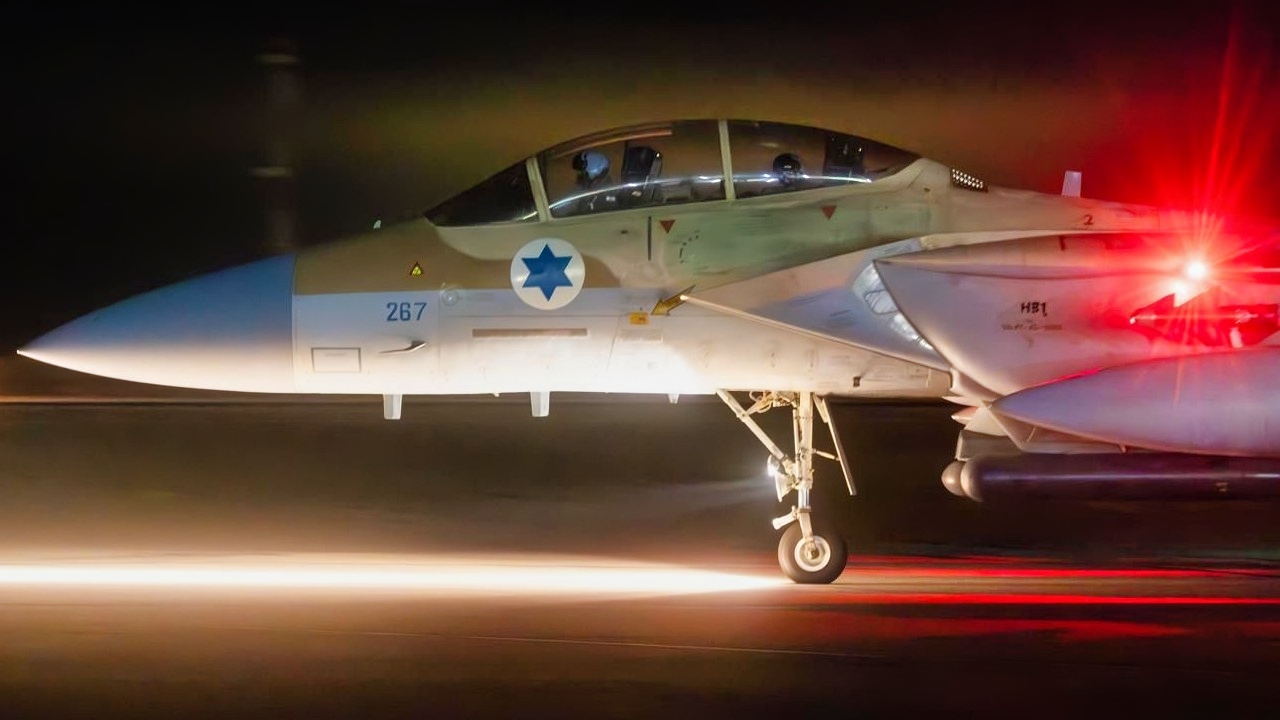
Over the weekend, President Donald Trump publicly urged Israel not to retaliate after Iran launched ballistic missiles at the country – and it wasn’t the first time he asked Jerusalem to show restraint. As U.S.-Iran negotiations entered what Washington indicated were their final stages, Trump insisted that Israeli Prime Minister Benjamin Netanyahu would have to accept whatever agreement was made, stating that he “calls all the shots.” And within hours, Israeli aircraft were striking targets inside Iran anyway.
It seems to be a growing problem for the White House; Trump wants a deal with Iran, but Israel wants to continue striking Hezbollah and Iranian proxies even as negotiations continue. That’s not to say, of course, that Israel is striking without purpose, but it is the reality. The latest Iranian missile attack was described by the regime in Tehran as retaliation for Israeli strikes in Beirut’s southern suburbs – strikes that Trump also publicly opposed – but Jerusalem says its strikes were also retaliatory.
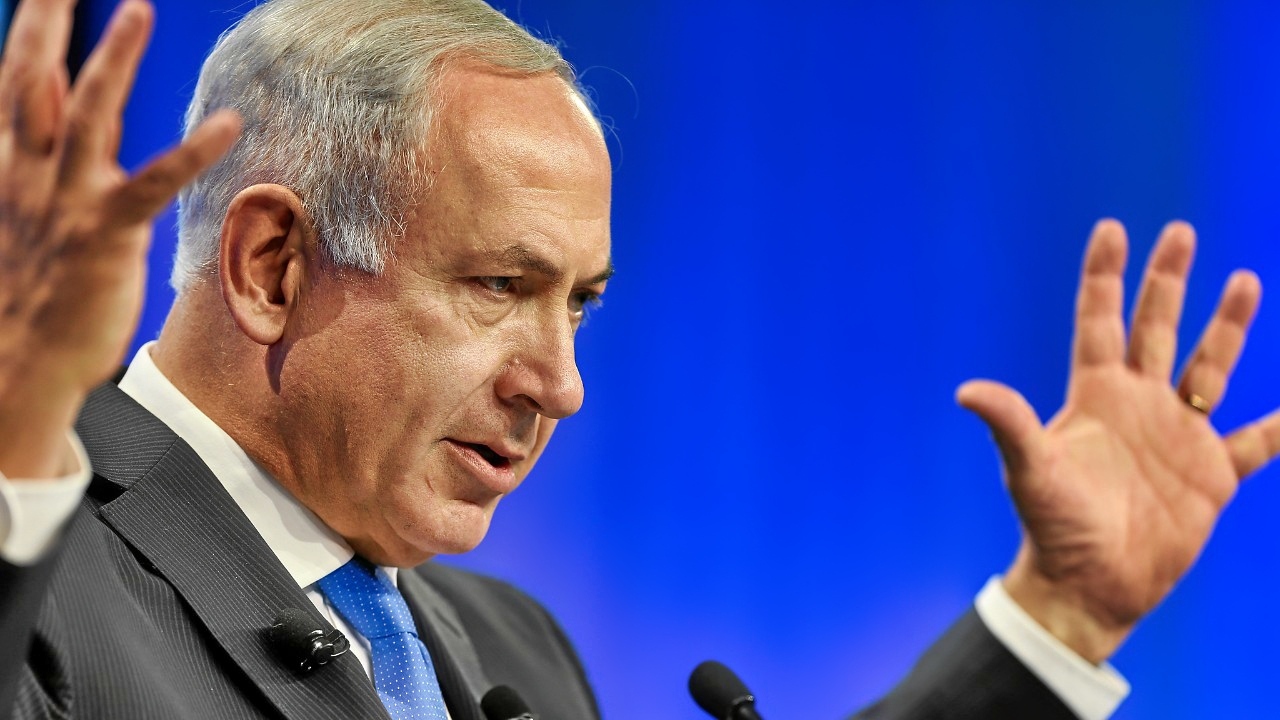
PM Netanyahu. Image Credit: Creative Commons.
But what if Trump could convince Israel to temporarily stop striking Hezbollah? Could the crisis finally begin to wind down?
Why Israel Keeps Striking Hezbollah
It’s important to understand that Israel’s repeated strikes are not without justification. Hezbollah is an immediate military threat that exists on Israel’s northern border. It is an Iranian-backed group that possesses a substantial missile arsenal, and it has repeatedly launched attacks against Israel. It also refuses to fully disarm despite years of international pressure.
When Israel responds, it does so with overwhelming force, and those strikes sometimes result in damage to civilian infrastructure and the loss of innocent lives.
Nonetheless, from Israel’s perspective, waiting until Hezbollah launches yet another major attack would be irresponsible. For Jerusalem, the strikes are both preventive and retaliatory.
The Strikes Keep Triggering Escalation
While justified, the strikes have also repeatedly become catalysts for escalation. The most significant example of this is the June 7 strikes conducted by Israeli forces that hit Hezbollah-linked targets throughout the southern suburbs of Beirut. Iran responded by launching ballistic missiles at Israel – the most direct exchange of fire between the two countries since the ceasefire was announced in early April. Israel responded with more direct strikes against Iran – meaning that what started as strikes that did not violate the ceasefire ended with strikes that could risk the entire peacemaking process.
The incident came only days after Trump administration officials, including Secretary of State Marco Rubio, indicated that they were close to securing a full diplomatic settlement that included both Iran and Lebanon. President Trump had reportedly personally urged restraint in both Lebanon and Iran, only to see the Israeli strikes proceed regardless.
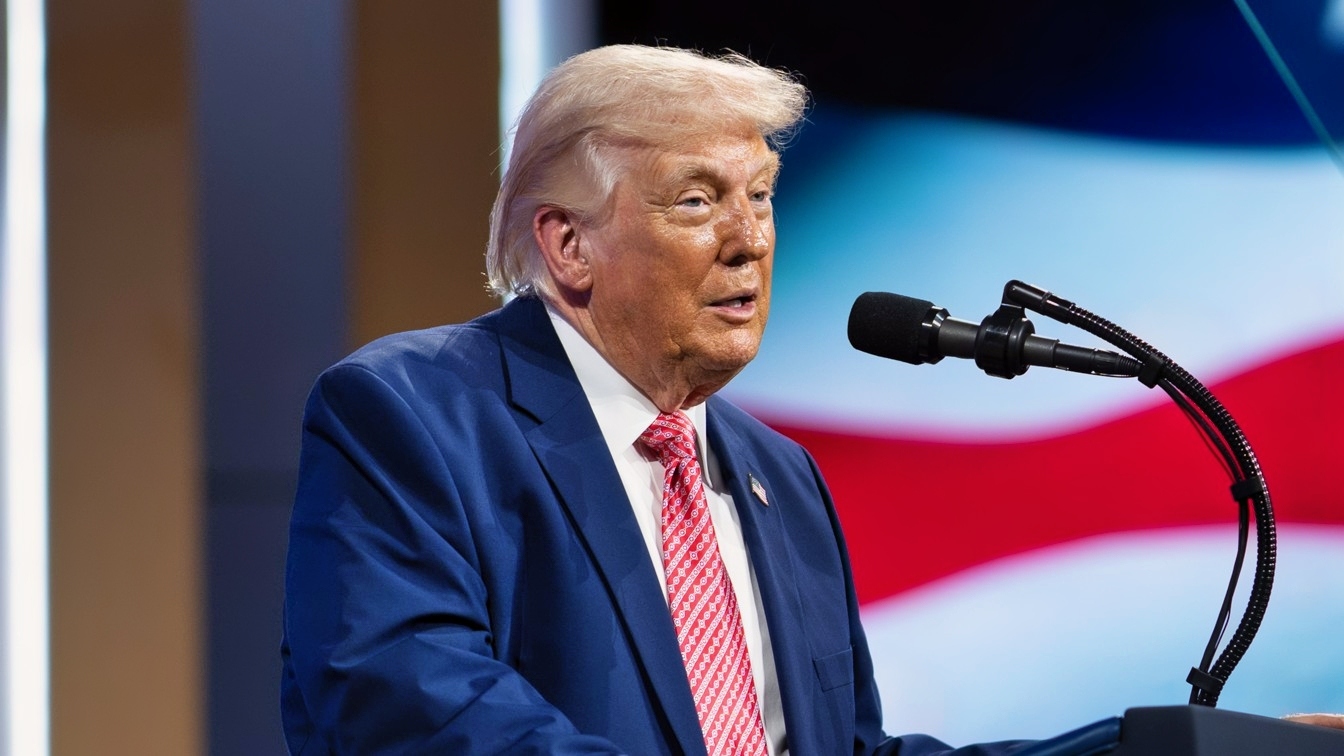
Donald Trump Flickr/White House Photo
What has happened in recent days is a cycle that seems hard to stop. Israel strikes Hezbollah, deeming the strikes necessary and justified, and also not a breach of the ceasefire conditions. Iran disagrees and responds. Then, Israel retaliates. Ultimately, diplomacy stalls, and a peace deal seems further away than ever.
Why Trump Is Frustrated
Trump’s position is not hard to understand. For months, his administration has argued that a settlement can be negotiated, and as recently as last week, it indicated that the deal could be finalized within a few more days. However, he has also warned that the deal can still be undermined by “ignorance or stupidity.” The latest exchange, in Trump’s view, likely falls into that category.
A peace negotiation like this is fragile, even while working with less hostile partners. It is especially difficult with Iran, whose leaders insist that enriching uranium is Iran’s “sovereign right” – a condition on which the White House also refuses to budge. Strikes launched during what could be the final moments of negotiations are likely to extend or pause them – and while the Trump administration tries to cross the finish line, it’s possible additional strikes will occur.
The Clock Is Ticking
The challenge for Trump is also that with every new exchange of fire, the economic consequences extend far beyond Iran, Lebanon, and Israel. And clearly, with the downing of an AH-64 Apache helicopter and Trump promising retaliation, the plot certainly thickens.
The Strait of Hormuz remains effectively closed, and an oil crisis looms. Oil inventories have been falling for months, and major economies across Europe and Asia are waiting for a peace deal. Washington needs a deal quickly, but those more directly involved in this fight also want security. Israel is unlikely to stop launching strikes unless Iran’s proxies stop the hostilities, too.
So, can Trump stop Israel from launching attacks? Recent weeks have shown that he may not actually have the power he thinks he has – and unless this most recent exchange of fire was merely an attempt at gaining last-minute leverage, Trump could find himself with months of negotiations on his hands.
And if this crisis persists into the summer, not only will the global economy feel it, but his party is likely to be hit extra hard in the upcoming midterm elections.
About the Author: Jack Buckby
Jack Buckby is a British researcher and analyst specializing in defense and national security, based in New York. His work focuses on military capability, procurement, and strategic competition, producing and editing analysis for policy and defense audiences. He brings extensive editorial experience, with a career output spanning over 1,000 articles at 19FortyFive and National Security Journal, and has previously authored books and papers on extremism and deradicalization.