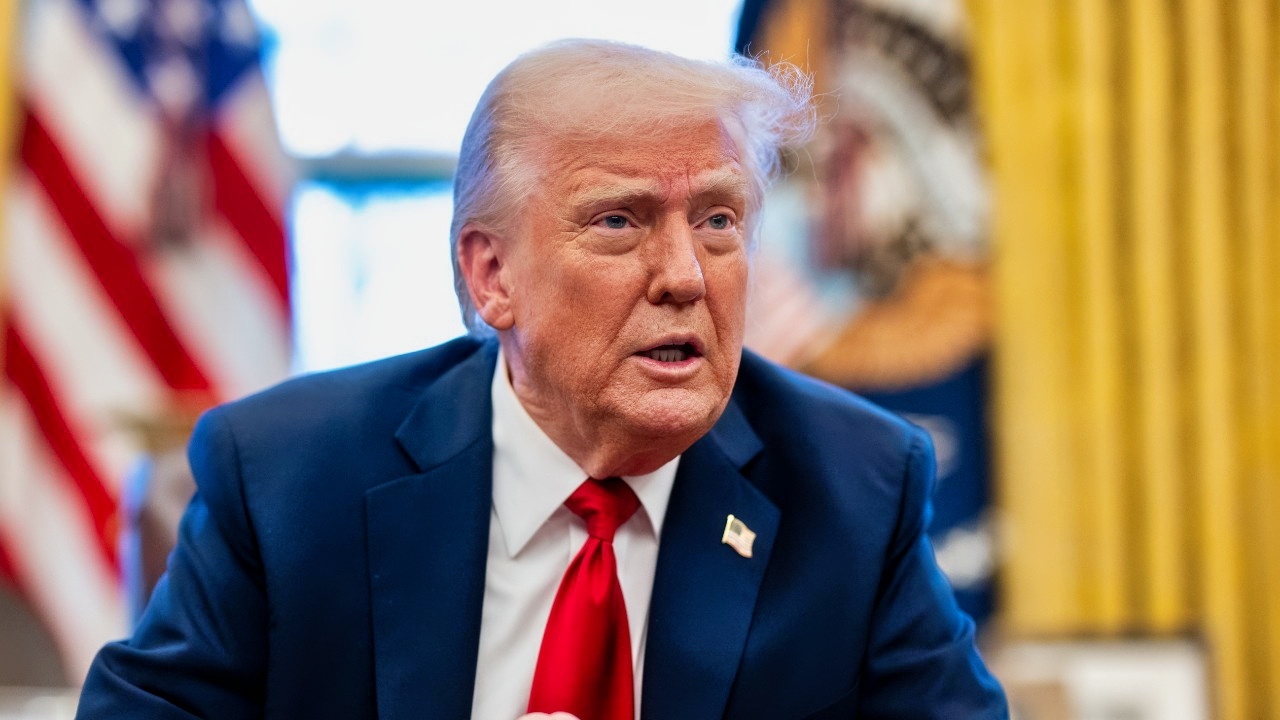
President Donald Trump imposed tariffs of 10 percent to 12.5 percent on imports from 60 trading partners on July 23, just as a temporary 10 percent global surcharge expired. The White House action cited inadequate enforcement of bans on goods produced with forced labor.
The measures cover economies responsible for 99.4 percent of U.S. imports, although oil, gas, fertilizer, selected foods and qualifying U.S.-Mexico-Canada Agreement products receive exemptions. The immediate increase is smaller than the headline suggests because the duties replace the expiring surcharge. Some partners still move from 10 percent to 12.5 percent.
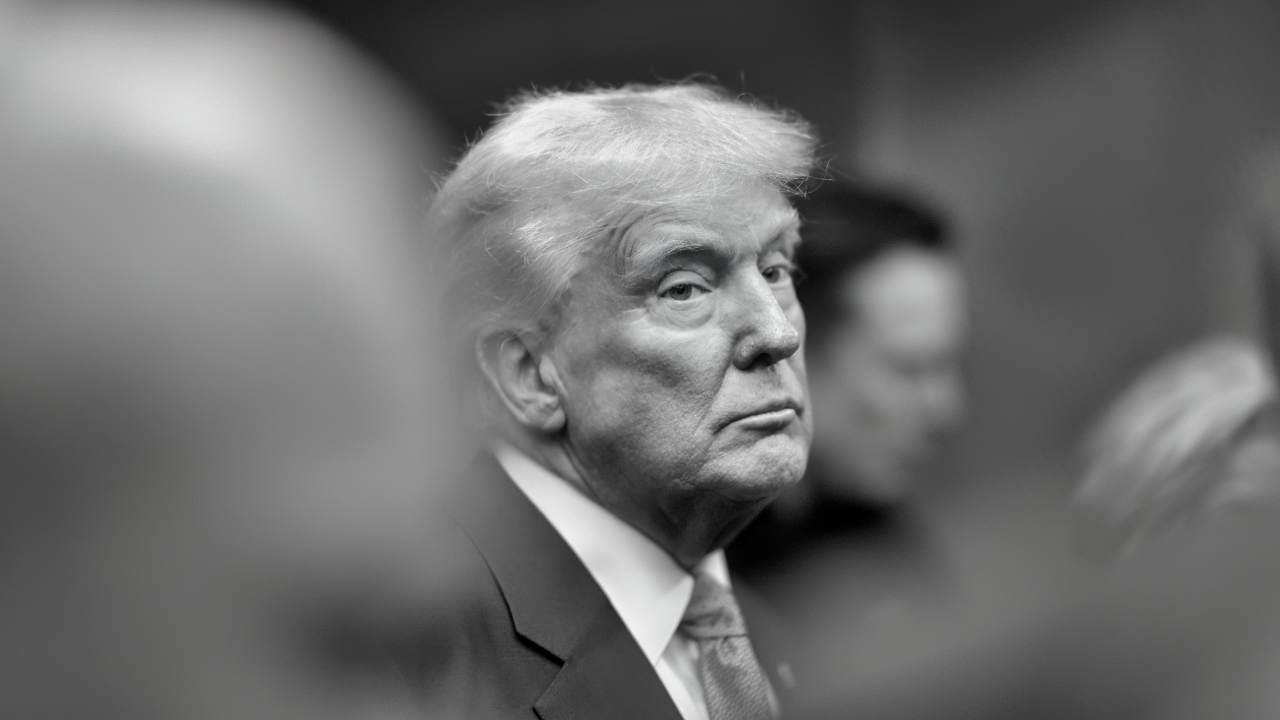
Donald Trump. Image Credit: The White House.
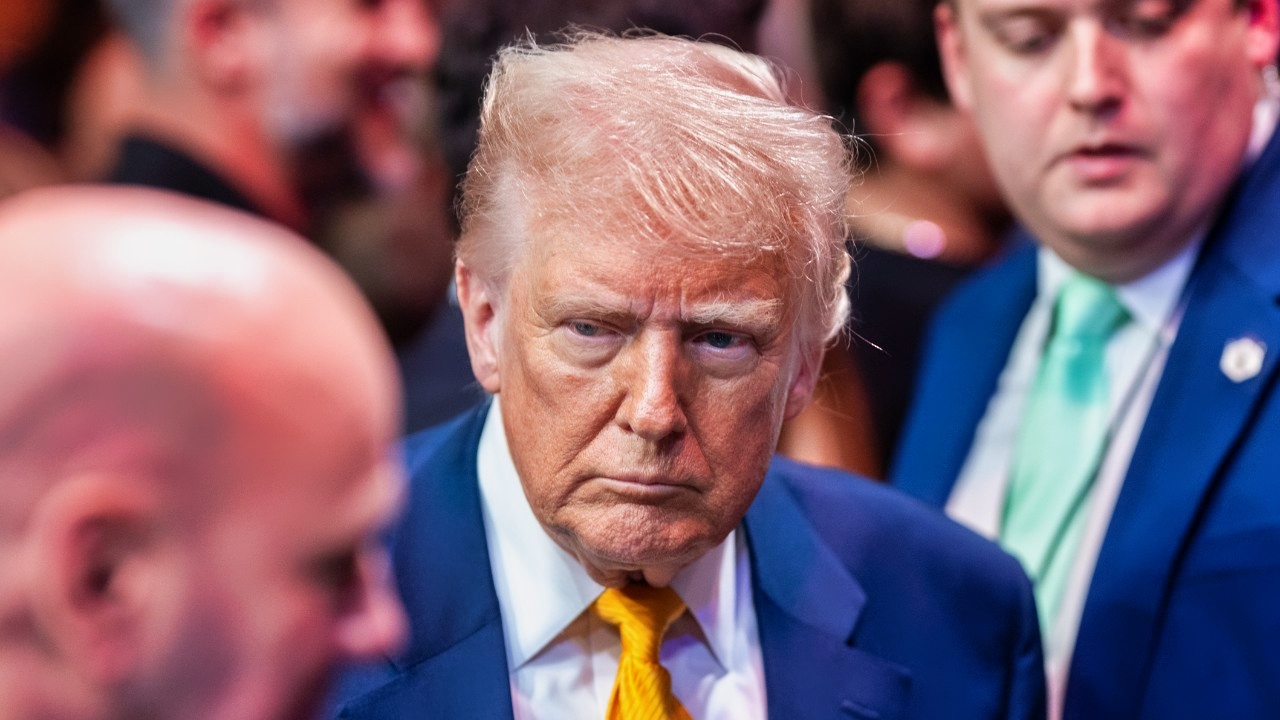
President Donald Trump attends UFC 314 at the Kaseya Center in Miami, Florida, Saturday, April 12, 2025. (Official White House Photo by Daniel Torok)
The timing creates the larger risk. Brent crude settled above $100 per barrel on July 23 after Houthi attacks on Saudi tankers widened the energy disruption beyond the Strait of Hormuz. A Reuters market report connected the increase to a near halt in Hormuz traffic and new danger around the Red Sea.
The World Bank’s chief economist warned that a prolonged Middle East conflict could reduce 2026 global growth to 1.3 percent and lift worldwide inflation to 4.5 percent. His worst-case assessment also identified rising borrowing costs and food insecurity as threats to heavily indebted countries.
Trump Is Adding Trade Costs to an Energy Shock
Tariffs are collected from American importers, which can absorb the cost, seek cheaper suppliers or pass part of it to customers. Energy exemptions reduce the direct effect at the pump. Imported machinery, electronics, clothing and industrial inputs still enter at higher rates while the Iran war is already influencing inflation and interest-rate expectations.
The administration says the policy protects workers and pressures governments to block forced-labor goods. The U.S. Trade Representative held hearings, consulted foreign governments and reviewed more than 1,600 comments. That gives the action a stronger legal foundation than the emergency tariffs rejected by the Supreme Court.
The economic problem comes from accumulation. Higher fuel, freight and insurance costs are already moving through supply chains, and the Red Sea threat could add pressure to gasoline and diesel. Broad import duties create another source of cost increases.
U.S. Allies Are Already Carrying the Iran War’s Costs
Australia called the duties unjustified, New Zealand described them as extremely disappointing, and Japan objected after believing an earlier trade agreement limited further increases. The international response also included criticism from China, the European Union and several Asian governments.
These countries are being asked to support maritime security, absorb higher energy prices and coordinate diplomacy during the Iran war. New trade barriers make that cooperation harder. Allies may seek exemptions, retaliate or redirect trade while Washington needs their help protecting shipping and stabilizing energy markets.
European governments are already dealing with trade friction alongside disagreements over Iran policy. Joint forced-labor standards and targeted import bans might have attracted wider support. Broad duties give allied leaders a domestic reason to resist Washington.
The Forced-Labor Case Does Not Remove the Inflation Risk
Forced labor is a serious supply-chain problem, and several countries changed their laws during the investigation. The final structure rewards some progress with lower rates and exemptions. It also covers countries with strong labor protections, allowing critics to question whether the policy is sufficiently targeted.
Brazil has threatened retaliation and a World Trade Organization complaint. Japan and Australia are pressing for relief. More tariffs may follow from a separate U.S. investigation into global manufacturing overcapacity, extending uncertainty for companies making investment decisions.
Trump Needs an Economic Strategy That Accounts for the War
The latest tariffs do not create a fresh 10-point tax on every import because they replace an expiring measure and contain substantial exceptions. They preserve elevated trade costs while the Iran conflict pushes oil, shipping insurance and borrowing costs higher.
That combination creates political exposure. Trump’s approval has fallen near a second-term low as voters remain dissatisfied with the economy, and the Iran war has reversed earlier relief at the gas pump. Import costs give households and businesses another reason to delay spending.
Trump can reduce the risk by negotiating exemptions with allies, narrowing future duties to products tied directly to forced labor and securing a settlement that restores normal oil traffic. As of July 24, the tariffs were taking effect while oil remained near $100 and the Iran war continued.
About the Author: Harry J. Kazianis
Harry J. Kazianis (@Grecianformula) was the former Senior Director of National Security Affairs at the Center for the National Interest (CFTNI), a foreign policy think tank founded by Richard Nixon based in Washington, DC. Harry has over a decade of experience in think tanks and national security publishing. His ideas have been published in the NY Times, The Washington Post, The Wall Street Journal, CNN, and many other outlets worldwide. He has held positions at CSIS, the Heritage Foundation, the University of Nottingham, and several other institutions related to national security research and studies. He is the former Executive Editor of the National Interest and the Diplomat. He holds a Master’s degree focusing on international affairs from Harvard University.