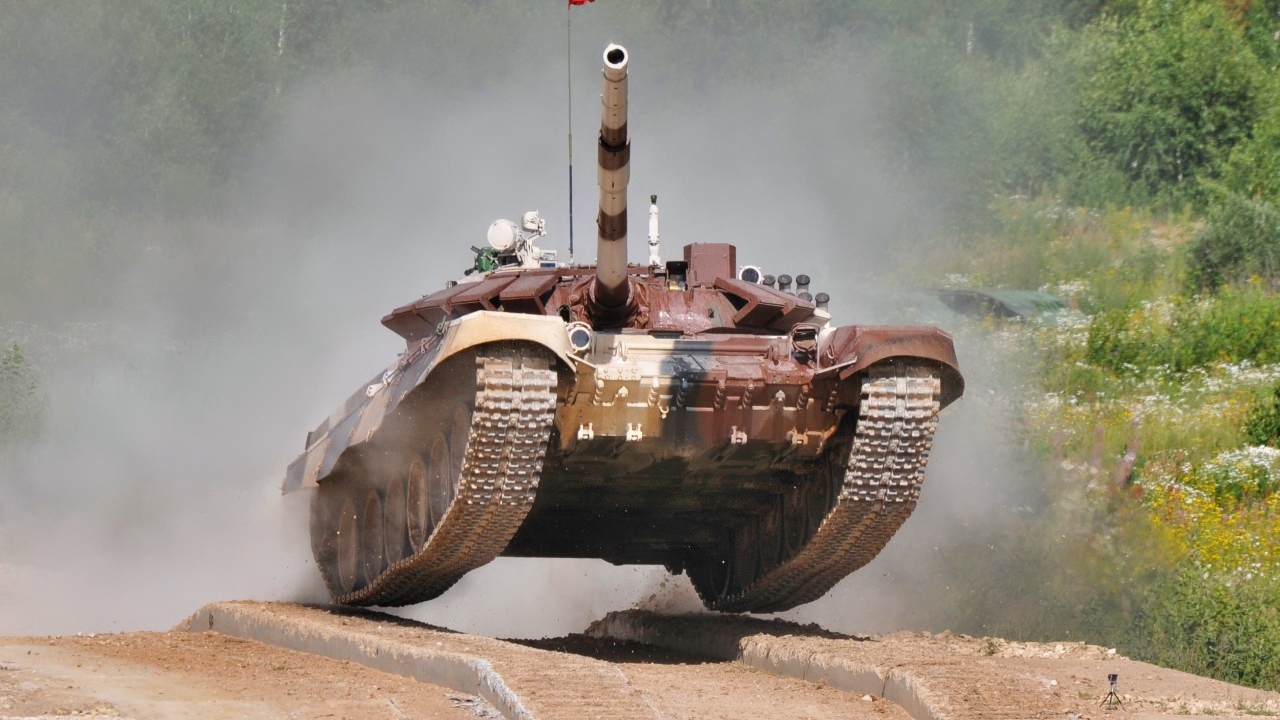
The former top Ukrainian military commander, now the country’s ambassador to the UK, was quoted on Monday as saying there was no prospect of the country joining NATO, an aspiration entrenched in the constitution.
Valery Zaluzhnyi, a former top Ukrainian military commander and now the country’s ambassador to the UK, was cited by media outlet Evropeiska Pravda as telling a meeting of Ukrainian ambassadors that Ukraine in no way met the military standards needed to join the alliance.
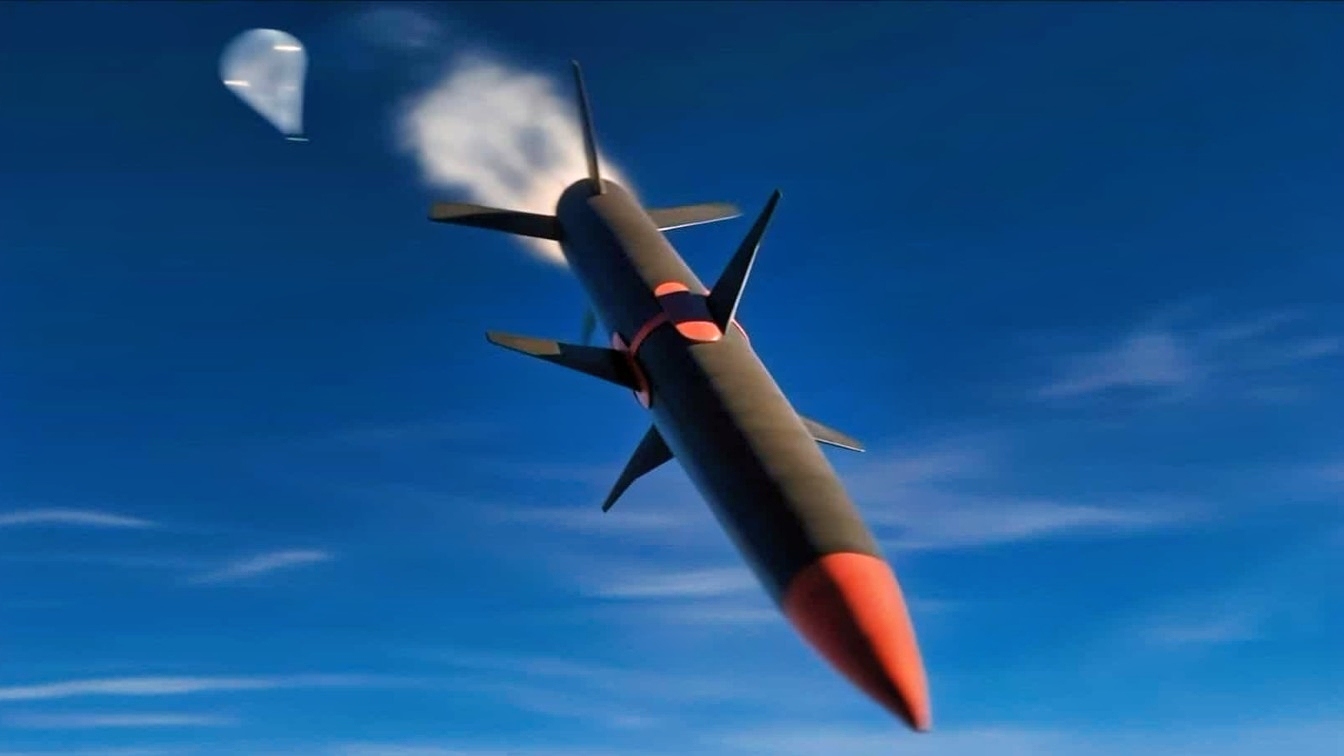
Ukraine DART Weapon Image Credit Ukraine Military
Ukraine has enshrined in its constitution the strategic goal of membership in NATO and the EU, but has acknowledged that it would not currently be welcomed into NATO by all its members.
Zaluzhnyi was fired as Ukraine’s top commander in 2024 over differences with President Volodymyr Zelensky on how to conduct the war with Russia.
Zaluzhnyi Says NATO Still Adheres To World War II Doctrines
Zaluzhnyi argued that NATO’s military standards have fallen behind the realities of modern warfare and suggested Ukraine should instead pursue future European security alliances.
“I know NATO really well. I personally worked to ensure that we adopted NATO standards, and every year, I heard stories about how we were just about to join NATO. Unfortunately, we will never join it,” Zaluzhnyi said.
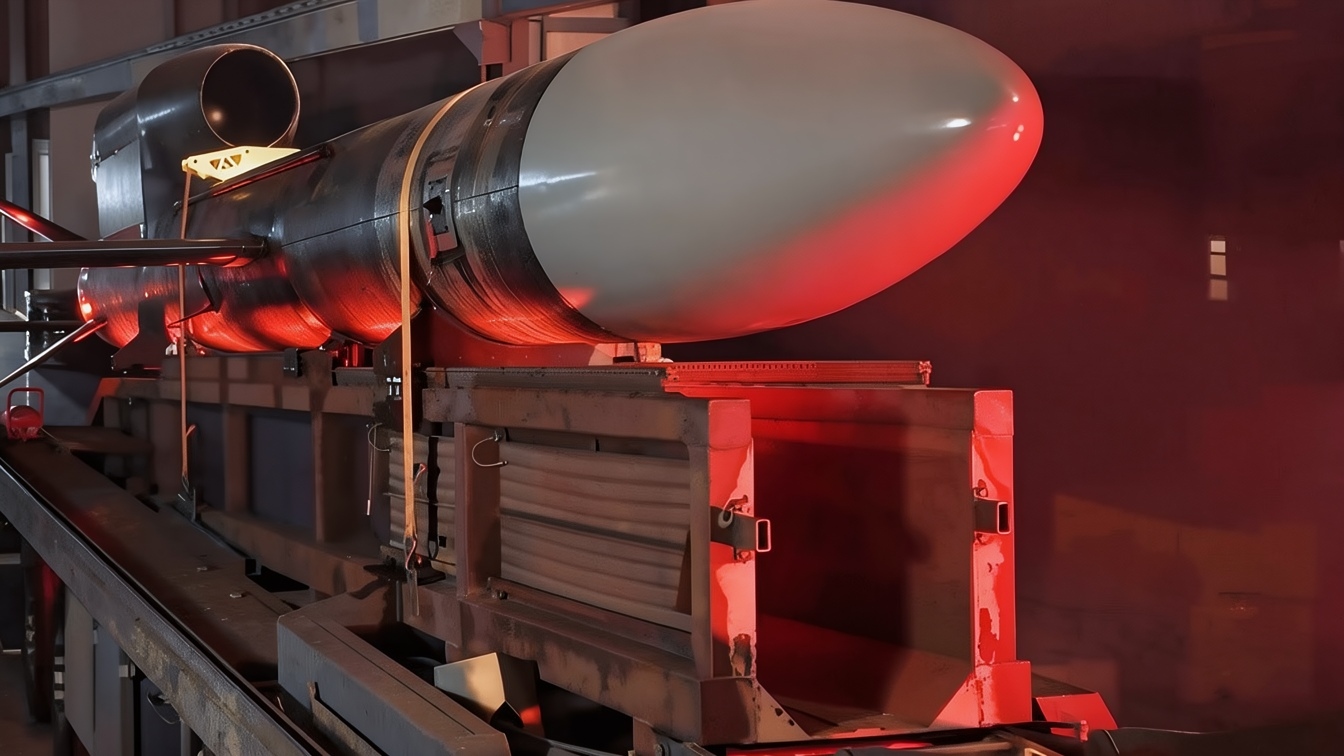
Ukraine Cruise Missile 2026. Image Credit: Creative Commons.
He stated that it was “impossible with the level of development that the Armed Forces of Ukraine have … to join an organization guided by World War II doctrines.”
Ukraine needed the technology “already in use in NATO member states, including anti-missile defense, space capabilities, etc.,” he added.
Zaluzhnyi said, “Most likely, NATO will remain in the same form as it is, and will be for 12 years, like Ukraine, moving to the standards that need to be achieved in order to be at least half the level of the Russian Federation.”
Zaluzhnyi Says NATO Is Ill-Equipped For 21st-Century Conflicts
The ambassador remains one of Ukraine’s most popular and trusted leaders, with a 73 percent approval score.
And he makes an uncomfortable but very true statement regarding NATO’s readiness to fight in a modern drone war.
Last month, he penned an opinion piece for the British newspaper The Daily Telegraph.
In it, Zaluzhnyi said the war in Ukraine had “exposed uncomfortable questions about whether NATO is equipped for the conflicts of the 21st century.”
“Ukraine has every reason to appreciate the support NATO members have provided, and continue to provide. But respect for the alliance should not prevent an honest assessment of its shortcomings,” he wrote.
Ukraine prides itself on its military industry progress, particularly in drone technology, which it has extensively developed since Russia invaded four and a half years ago.
NATO’s weaknesses were highlighted last year during the alliance’s Hedgehog 2025 exercises in Estonia, which also involved Ukrainian troops.
During one scenario, a group of several thousand troops, including a British brigade, was “destroyed” by a team of just ten Ukrainian drone operators, War on the Rocks reported.
WOTR wrote, “Ukraine has spent four years building a warfighting machine more agile than NATO’s legacy ecosystem. Ukraine now produces 4 million drones annually. Tellingly, in February 2026, two Ukrainian manufacturers were selected for the “Unleashing American Drone Dominance” initiative to help the Pentagon catch up.” That’s right, for the US to catch up to the Ukrainians.
And it was from Ukraine earlier this year that 11 countries, including the United States, requested Ukraine’s assistance in countering Iranian Shahed drones.
Ukraine’s low-cost interceptor drones, like the Sting by Wild Hornets, cost as little as $1,000 and can tilt the attritional economics of the ongoing conflict in favor of the United States and its Gulf partners.
Ukraine’s combat-tested, low-cost solutions challenge the billions expended on air defense interceptors in the first 100 hours of Operation Epic Fury.
Zaluzhnyi added, however, that “Ukraine’s ability to sustain the war depends heavily upon continued backing from its allies,” especially in the realm of ballistic missile defense, with the Patriot air defense interceptor.
Ukraine Can’t Join NATO…Yet
Ukraine cannot join NATO while it remains in an active war, as the alliance requires a unanimous consensus among its 32 members and Article 5’s mutual defense guarantees could draw the bloc into a direct conflict with a nuclear-armed Russia.
While several NATO members agreed at recent summits that Ukraine’s path to membership is “irreversible”, the immediate timeline remains blocked due to the ongoing war with Russia, which would immediately trigger Article 5.
Since the Russian invasion in 2022, the US and NATO have treated Ukraine like the proverbial red-headed stepchild.
But as recent events such as the Hedgehog 2025 exercises show, NATO needs Ukraine’s expertise as much as Ukraine needs NATO’s manufacturing capabilities.
About the Author Steve Balestrieri
Steve Balestrieri is a National Security Columnist. He served as a US Army Special Forces NCO and Warrant Officer. In addition to writing on defense, he covers the NFL for PatsFans.com and is a member of the Pro Football Writers of America (PFWA). His work was regularly featured in many military publications.