The Secretary of Iran’s Supreme National Security Council has warned neighboring countries not to join the United States’ “economic war” against the authoritarian regime.
Mohsen Rezaei, who succeeded Mohammad Bagher Zolghadr as secretary earlier this month, said that Tehran would “retaliate in a seismic manner” and would consider any country that cooperates with economic sanctions as an enemy of Iran.
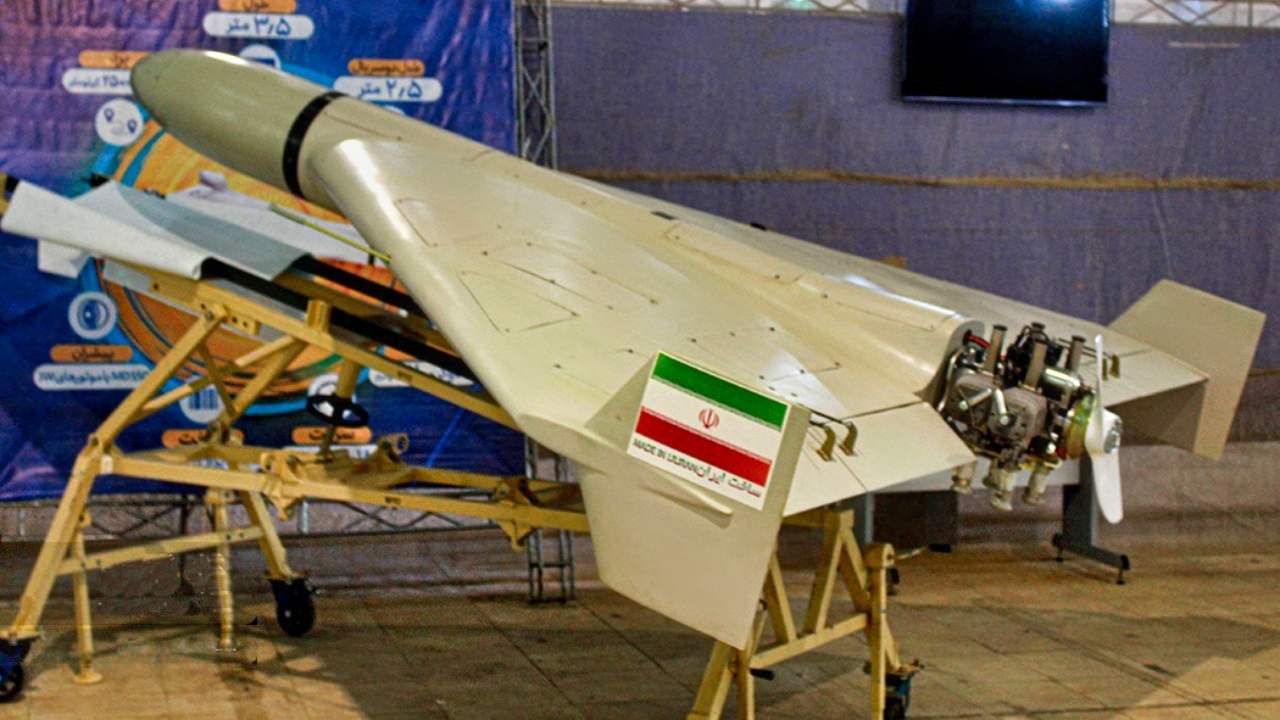
Iran’s Drones That Russia Is Using. Image Credit: Creative Commons.
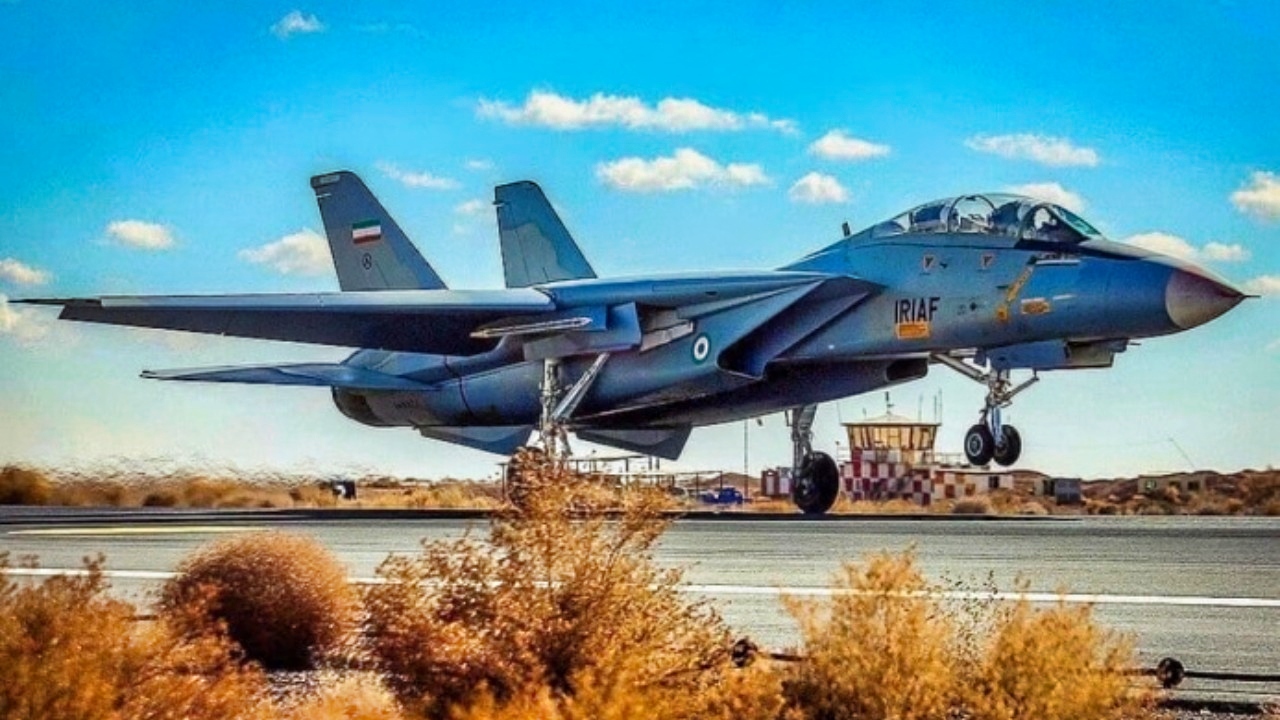
Iran F-14 Tomcat Fighter. Image Credit: Creative Commons.
Rezaei was appearing in an interview on state-owned television when he made the comments on Saturday night.
Economic Enemies
President Donald Trump has largely shifted to an economic campaign after military strikes failed to topple the Iranian regime earlier this year.
A temporary peace agreement brought an end to much of the fighting, but Washington and Tehran continue to remain at odds over key issues including the Strait of Hormuz – a vital shipping lane through which 20% of the world’s oil and gas passes, which has been closed since the war began back in February.
The Trump administration announced an “economic D-Day” on Monday, 24th August, with fresh sanctions against Iran alongside financial repercussions for those who continue to trade with the nation. Trump himself has threatened “tremendous” economic consequences for those who trade with Iran – a view which Treasury Secretary Scott Bessent shared in an interview with CNBC last week.
“You are either with us or against us,” Bessent said. “If you insist on doing business with [Iran], either transferring money, buying their oil or doing seaborne sea transfers, then the US Treasury and the US government… will put its full might and force toward enforcing against you.”
The Regime’s Reaction
Rezaei was undeterred by the warning of further sanctions during his Saturday evening interview and threatened countries that back the U.S. position.
“We tell all neighboring countries not to enter the economic war against Iran,” he said. “Anyone who enters it, we will consider that country an enemy.”
If they start such an action, we will not allow a single drop of oil to pass through the Persian Gulf,” he continued. “Oil will leave neither through the Strait of Hormuz nor the Persian Gulf.”
Questions Over the Conflict
Rezaei discussed a range of topics largely relating to conflict during the interview with Iranian TV. He described the recent economic campaign against Tehran as a response to American “disappointment” as a result of the conflict, adding that the Trump administration “sat down and said that ‘if we economically besiege Iran, this will help our war.’”
“They want to break the unity of the people through economic pressure and bring some people into the streets,” Rezaei added.
Debate over the effectiveness of economic pressure continues, with some, including former vice president Mike Pence, questioning whether the U.S. should abandon sanctions in favor of military action. Such a move would undoubtedly damage Tehran, but Rezaei said his country was prepared should military operations resume.
“Our brothers are ready for operations, but we are moving along a wise and logical course,” he said, expressing a desire to avoid the need for further escalation.
The Debate over the Strait
Rezaei reiterated Iran’s view that it controls the Strait of Hormuz and told state TV that Tehran was not currently considering the shipping route.
“This time, America must act first. Therefore, the opening of the Strait of Hormuz is not on the table,” he said.
Demanding that the U.S. fulfill its commitments under the previously signed memorandum of understanding, Rezaei said Tehran had reached a middle ground on shared trade through the Strait of Hormuz.
“That is on paper, and the Strait of Hormuz will be opened when the Americans fulfill their commitments,” he added. “We are serious about diplomacy, but we have changed our method. We will no longer sit at the negotiating table like a polite child. We are waiting for the commitments to be implemented.”
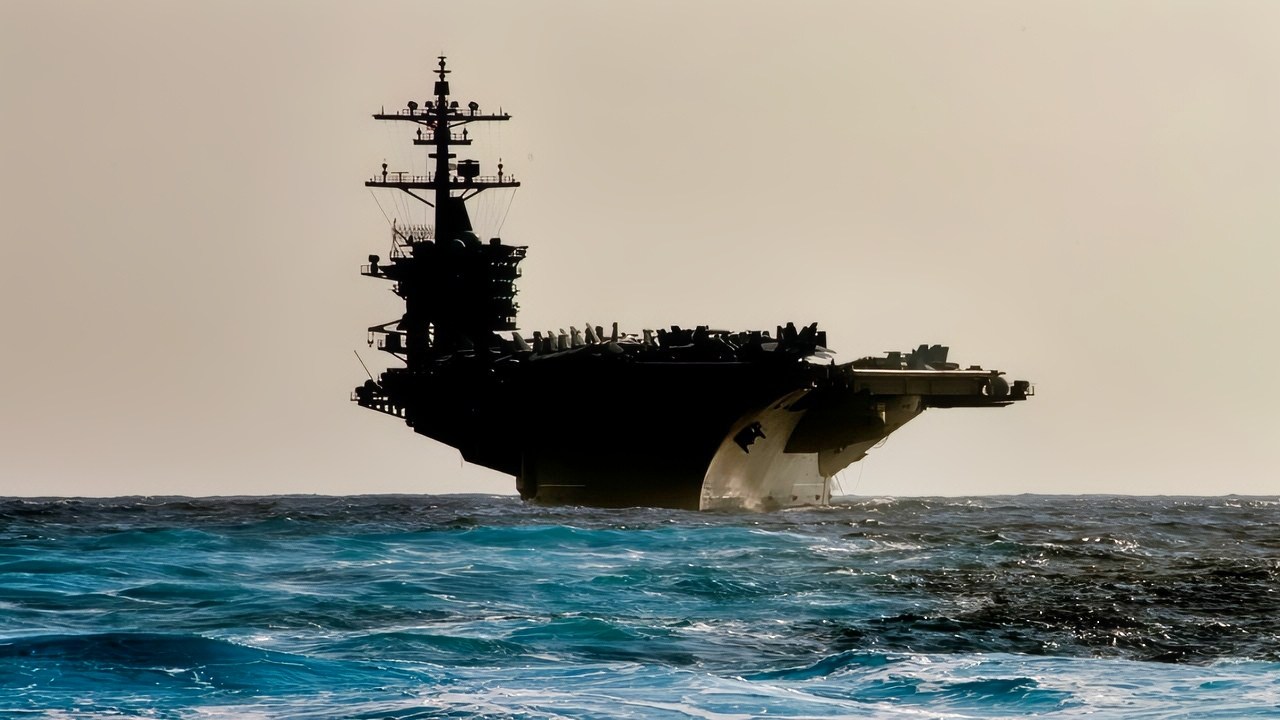
Concluding the interview, Rezaei issued another threat to the U.S. should the Trump administration deploy additional forces in the Middle East.
“We advise America not to add forces, because if they do, we will strike them,” Rezaei said. “America is in a corner. Either they give us their commitments, or they will have to come out of the corner and struggle, which will make the situation worse.”
About the Author: Shay Bottomley
Shay Bottomley is a British journalist based in Canada. He has written for the Western Standard, Business Insider, Maidenhead Advertiser, Slough Express, Windsor Express, Berkshire Live and Southend Echo.