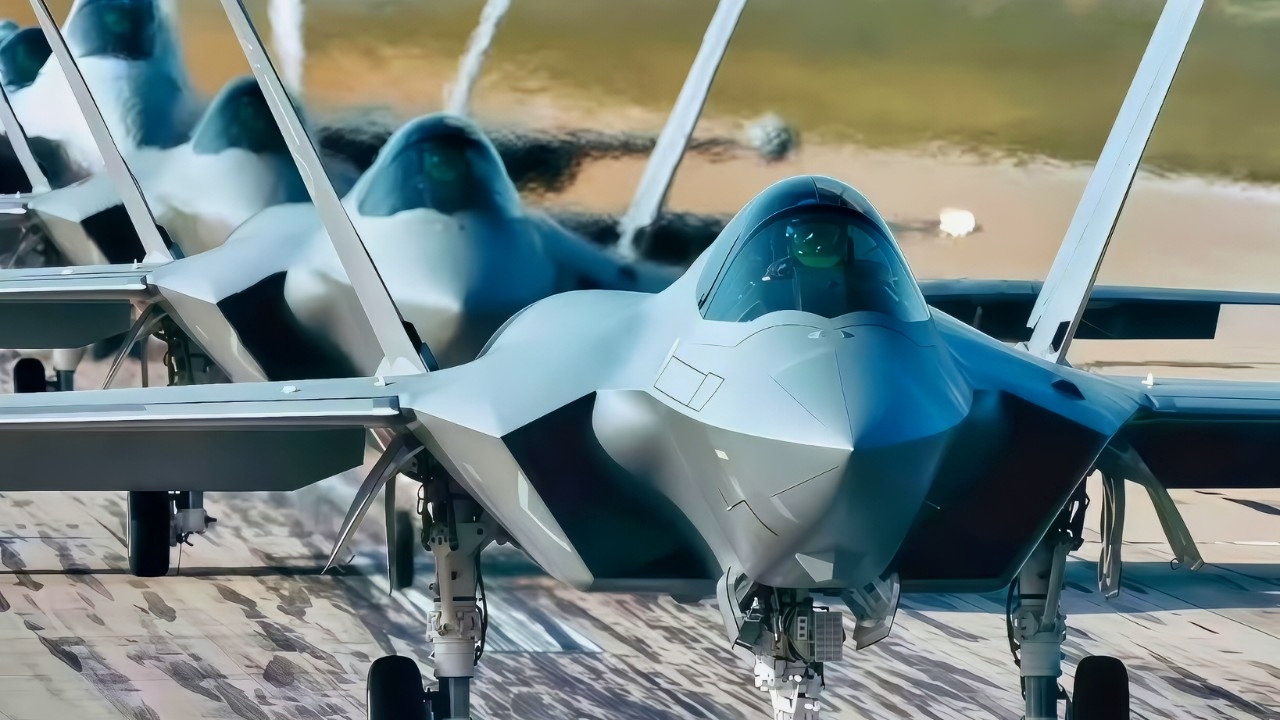
Going back more than a decade, it is hard to believe that an aircraft has undergone a dramatic transformation from its early days to what it is today. The big curiosity at the 2014 Airshow China was the prototype Shenyang FC-31 fighter that made its first public appearance. This aircraft became the J-35A/B models we know today.
The aircraft had previously been called the J-31, a stealthy-looking aircraft design that had completed its first flight only two years prior. It was billed as a smaller complement to the Chengdu J-20, the PRC’s first new stealth aircraft. It was intended — we were told at the time — to become a premier for-export aircraft and a first in that regard for the PRC industry.
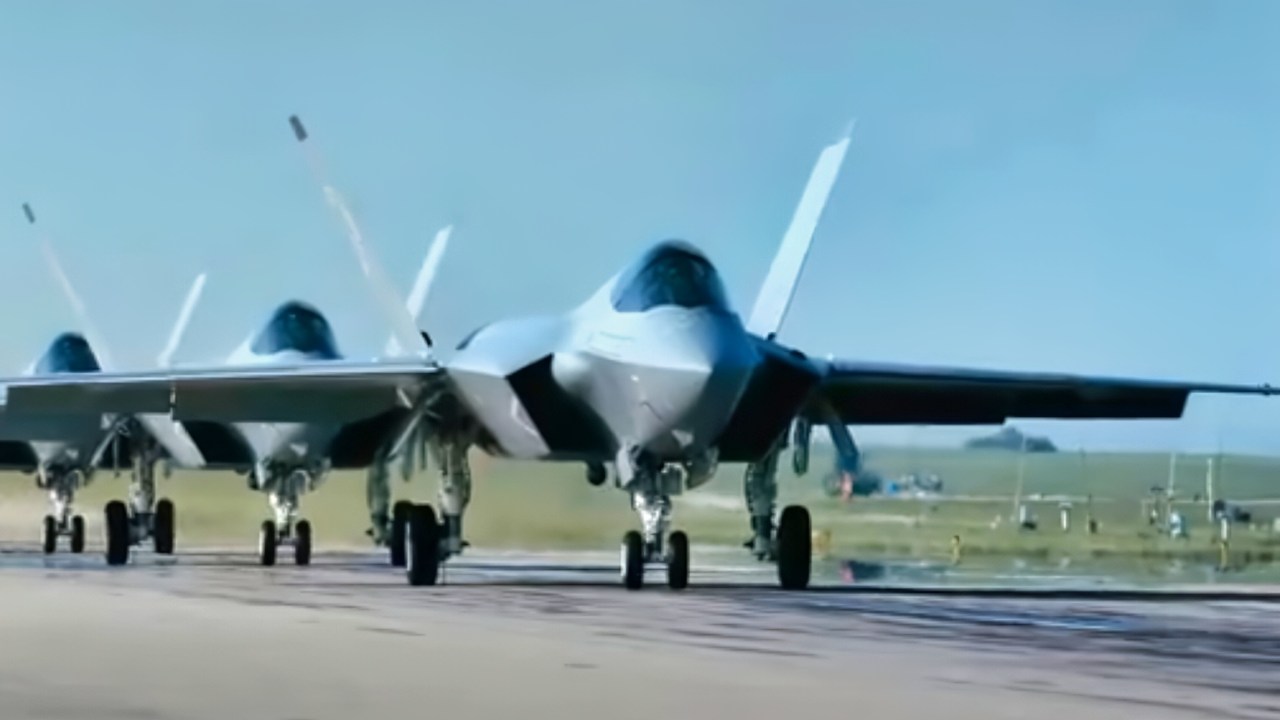
China’s New J-35 Stealth Fighter
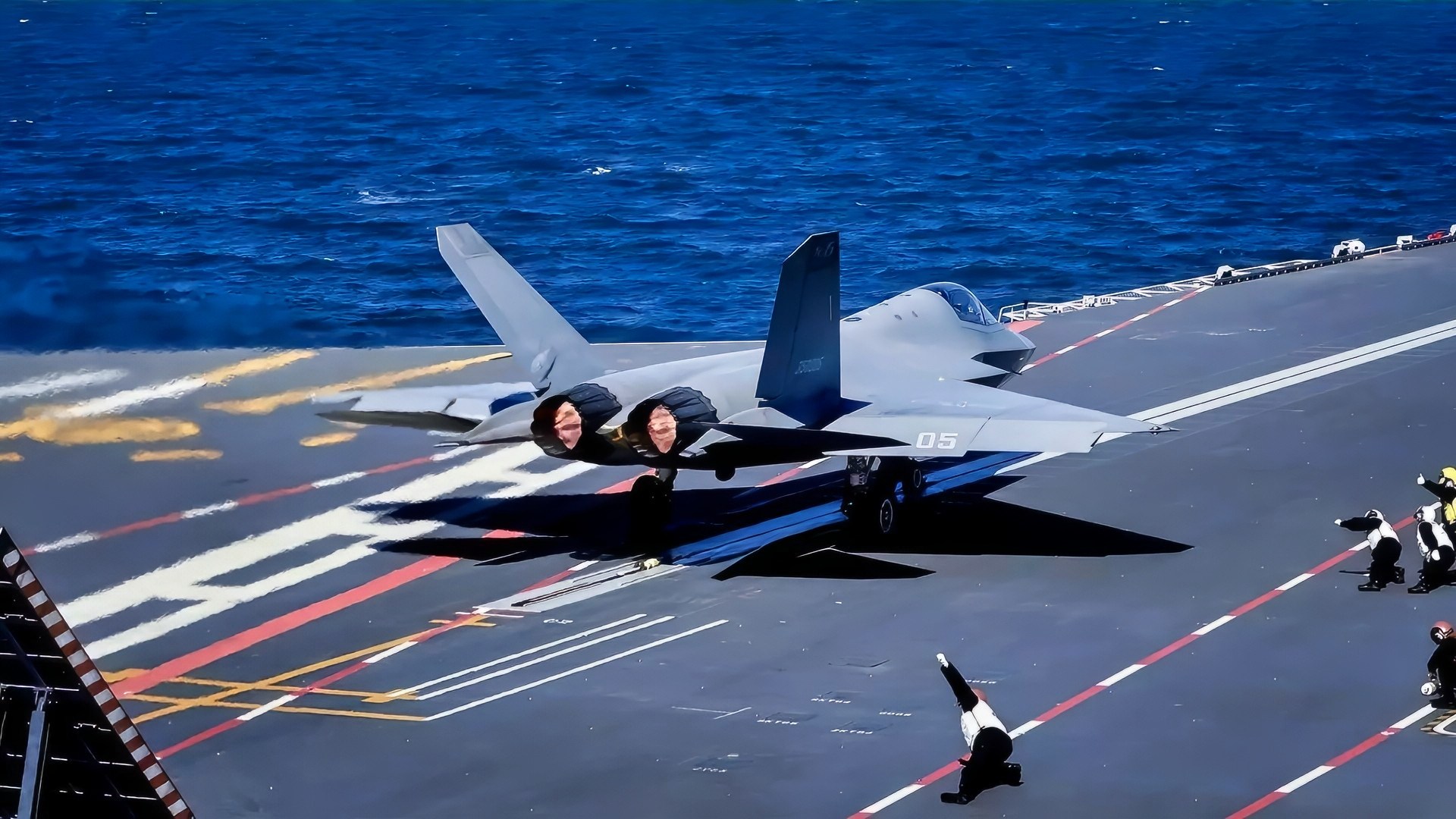
China New J-35 Fighter on Aircraft Carrier. Image Credit: Chinese Weibo.
At the time, little was known about whether the Shenyang design team had been successful in developing an aircraft with a low radar cross-section. The PRC’s industry at the time was not known for proficiency in radar-absorbent materials (RAM) technology, and the Shenyang designers’ ability to minimize both radar and infrared signatures was another big question mark.
At the time, there were also rumors that a team of Mikoyan designers from Russia had assisted Shenyang in developing the aircraft. Senior MiG officials later denied any involvement and stated the design was entirely Chinese.
After the aircraft flew at this 2014 event, it became more understandable why the MiG design team did not want to take any credit.
The aircraft revealed some very poor aerodynamic efficiency. It bled too much energy, and the pilot had a hard time keeping the nose up during turns and other maneuvers.
He also had to engage afterburners far too often to maintain a proper energy utilization curve.
Back to the Drawing Board
After this less-than-spectacular appearance, some changes were in order. One was a redesign of the aircraft that addressed its aerodynamic shortcomings. Another was a new engine that would provide the necessary thrust at all points on the envelope.
In fact, the aircraft underwent a couple of engine changes. The Russian-made RD-93 engines that were installed in the prototype that flew in 2014 were replaced first with a Chinese-made WS-13, then with an improved version of that engine, designated WS-21, and finally with a new design engine, the WS-19, which Shenyang claims is the engine it has always needed.
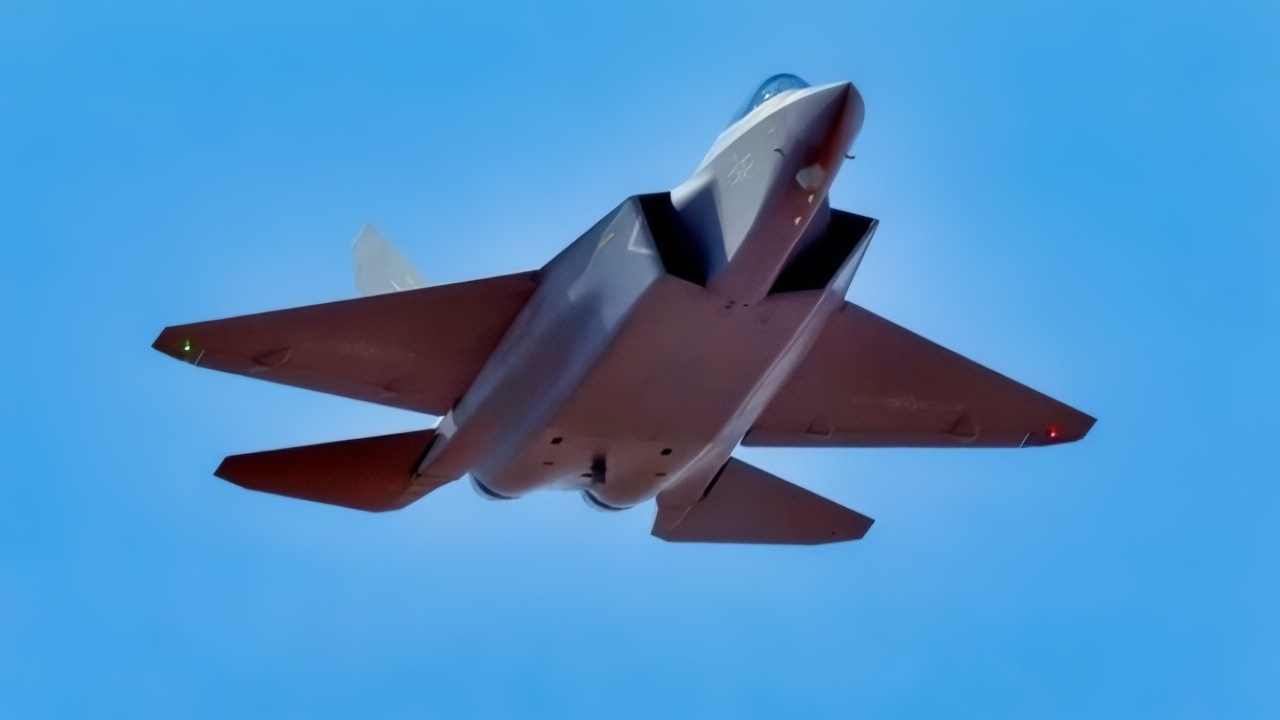
J-35 Fighter from China. Image Credit: PLAAF.
The aircraft also underwent several structural modifications to make it carrier-capable. The PRC state-controlled China Central Television (CCTV) network released a video last year showing the aircraft operating aboard the latest PLAN aircraft carrier, the CV-18 Fujian.
But the most important change of all, claim Chinese sources, is that the designers produced an affordable aircraft that costs far less than the fighter it shares the most common characteristics with, the US F-35.
Affordable Military Power
Chinese-language sources explain why and how the aircraft’s design was developed into a program that does not “break the bank” in terms of cost. One of the Chinese commentators on the program said that, first of all, one of the J-35’s design requirements was to be an aircraft considerably cheaper than the Chengdu J-20.
Going back to late 2024, a China Daily article quoted PLAAF veteran and “aircraft expert” Fu Qianshao, who said that the J-35A would be cheaper than the J-20. He was not specific but implied that this would permit the PLAAF to procure it in greater numbers. But he also seemed to indicate that the J-35A achieves the lower price point by simply being less capable.
At around the same time, an assessment in Xinhua described the J-20 as “a heavy stealth fighter designed mainly for air superiority.” At the same time, “the J-35A is a medium-sized multi-role stealth fighter capable of both air superiority and strike missions against ground and maritime targets.”
These and other statements made in the PRC media appear to have also been aimed at creating the image that, for the PLAAF, the J-20 is to the J-35A, in role, size, cost, and numbers to be produced, what the F-22 is to the F-35A in the U.S. Air Force.
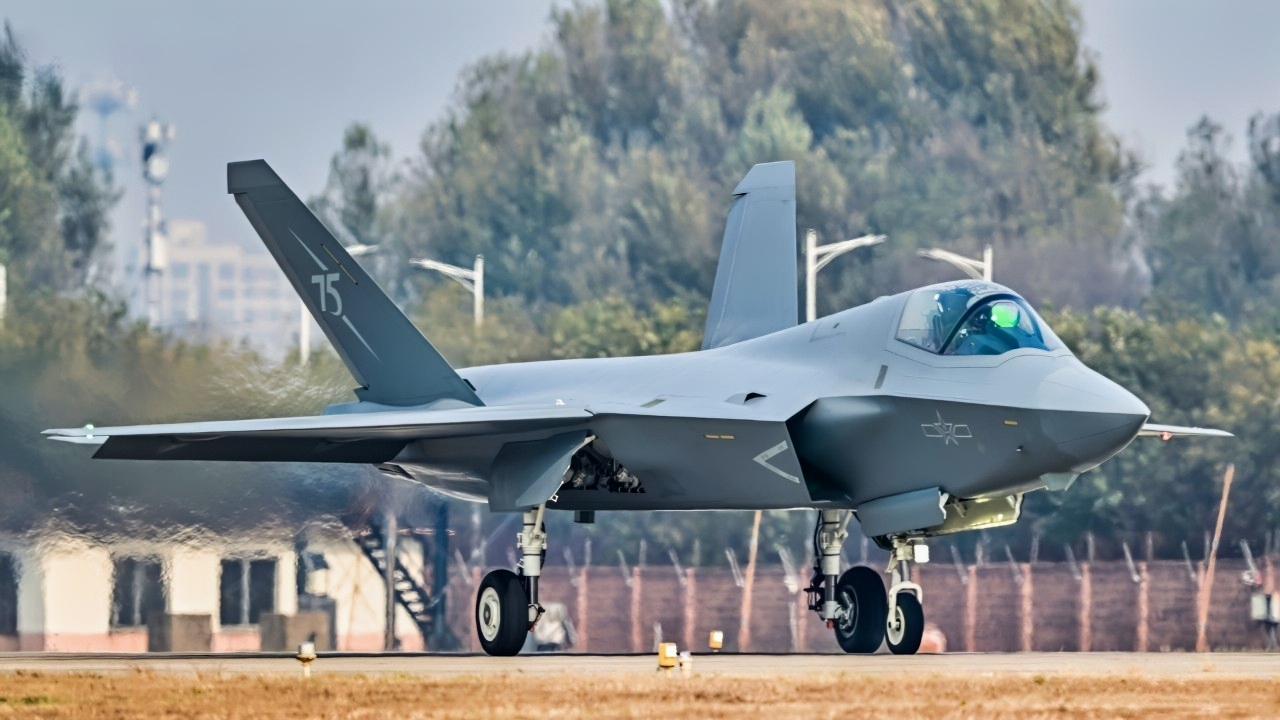
J-35A Fighter Chinese Military. Image Credit: Creative Commons.
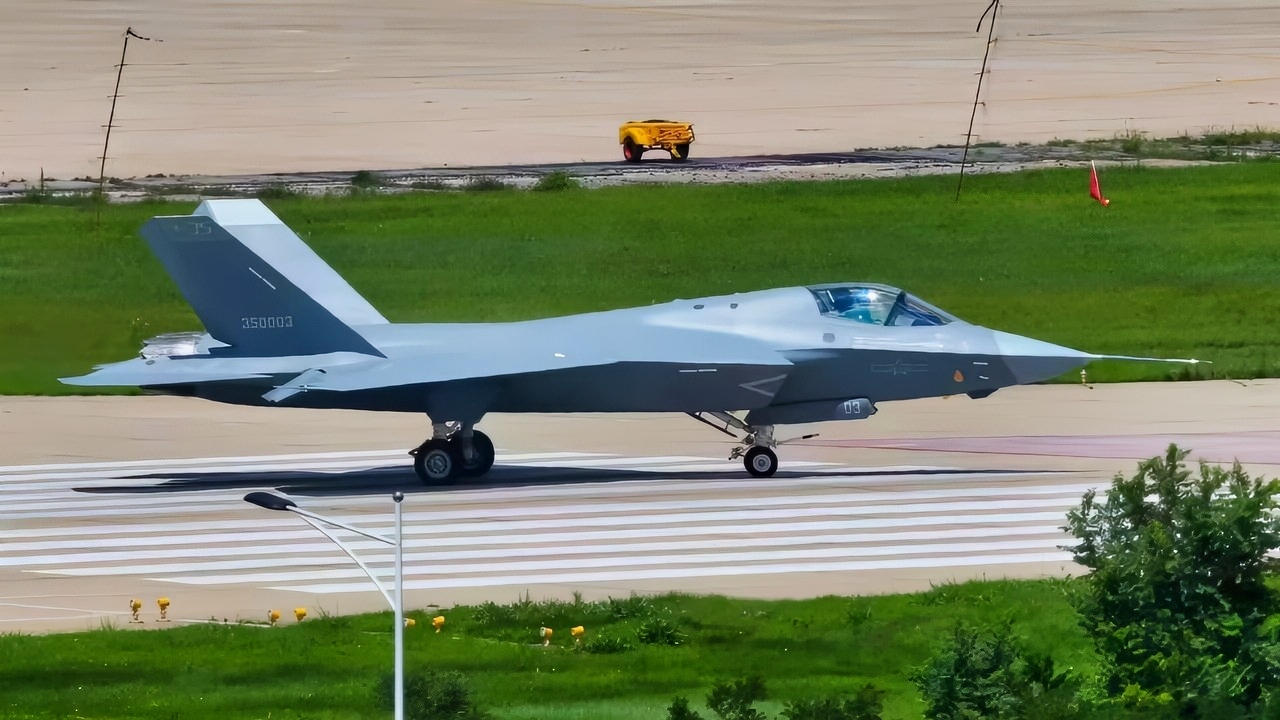
J-35 Fighter X Screenshot. Image Credit: X Screen Capture.
Another factor that was instrumental in developing a lower-cost design was that Shenyang uses different production methods than Chengdu. They also reportedly worked diligently to optimize supply chains to minimize costs.
Other reports claim that the J-35 reduces production costs by relying heavily on 3-D printing. This also reduced the structural components by 50 per cent when compared to the J-20. The company, in parallel, used civilian suppliers and had them compete on quality and price.
The cynical observer might say that this approach by the Chinese was the same as the F-35 concept was supposed to have been back in the 1990s. “The Chinese did only just copy the F-35 design to the extent possible,” said a U.S. aircraft designer. “They also copied the manner in which the F-35 was to have been designed and built, but as we all know, the US program did not exactly turn out that way.”
About the Author: Reuben F. Johnson
Reuben F. Johnson has thirty-six years of experience analyzing and reporting on foreign weapons systems, defense technologies, and international arms export policy. Johnson is the Director of Research at the Casimir Pulaski Foundation. He is also a survivor of the Russian invasion of Ukraine in February 2022. He worked for years in the American defense industry as a foreign technology analyst and later as a consultant for the U.S. Department of Defense, the Departments of the Navy and Air Force, and the governments of the United Kingdom and Australia. In 2022-2023, he won two awards in a row for his defense reporting. He holds a bachelor’s degree from DePauw University and a master’s degree from Miami University in Ohio, specializing in Soviet and Russian studies. He lives in Warsaw.