


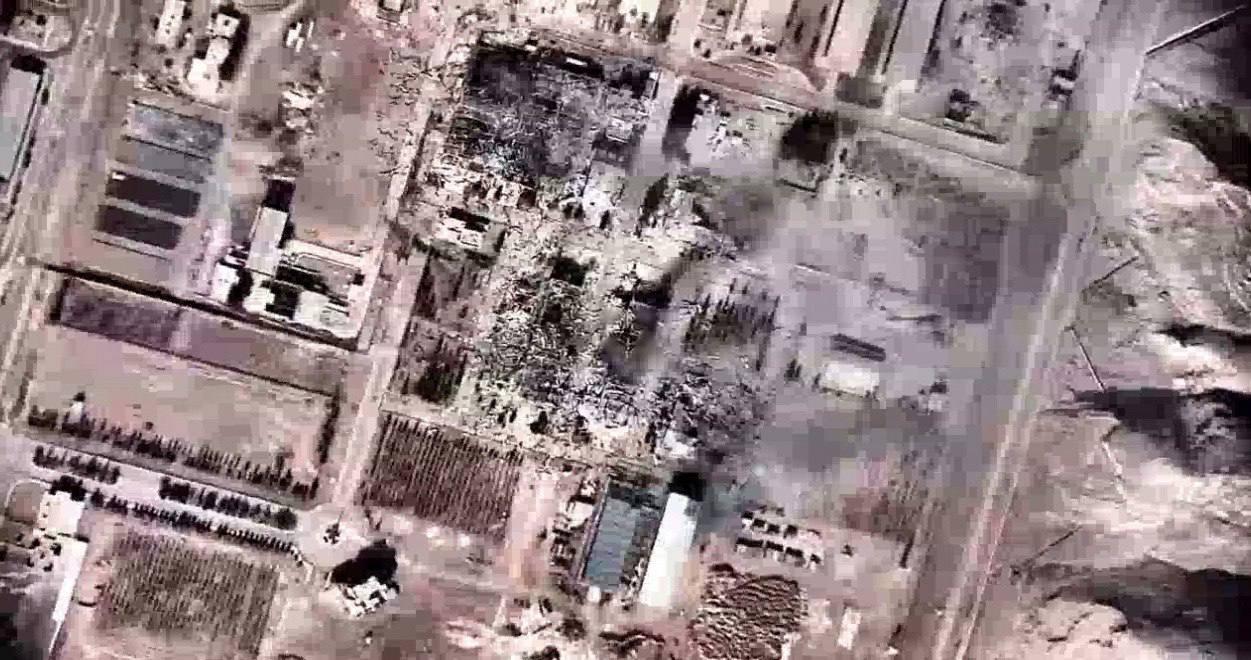
At the Parchin military complex, imagery indicates that a structure reportedly hit by Israel in October 2024 has been sealed beneath a concrete layer and covered with soil, effectively masking it from aerial observation.
By Vered Weiss, World Israel News
Satellite images show Iran has moved to reinforce a range of military and nuclear-related facilities damaged in Israeli and U.S. strikes, undertaking construction and repair projects that analysts say are intended to shield key infrastructure as diplomatic engagement with Washington continues.
At the Parchin military complex, imagery indicates that a structure reportedly hit by Israel in October 2024 has been sealed beneath a concrete layer and covered with soil, effectively masking it from aerial observation.
Specialists assessing the site say the design may incorporate a high-explosives containment vessel, a type of installation relevant to both conventional weapons testing and nuclear-related research.
“Stalling the negotiations has its benefits: Iran has been busy burying the new Taleghan 2 facility … It may soon become a fully unrecognizable bunker, providing significant protection from aerial strikes,” wrote David Albright on X.
Elsewhere, imagery points to defensive work at nuclear facilities previously targeted by the United States.
Tunnel entrances at the Isfahan nuclear complex, bombed last year, appear to have been filled in with earth. At the Natanz uranium enrichment site, entrances to underground passages are being strengthened. Analysts say such measures are aimed at limiting exposure to airstrikes and hindering any potential ground-based operations.
The satellite data also documents repair activity at missile installations struck during last year’s fighting.
At the Shiraz South missile base, rebuilding is visible at structures linked to command and logistics functions.
Separately, a missile base near Qom shows a newly installed roof over buildings that had been damaged. Experts caution that while reconstruction is underway, available imagery suggests the facilities have not yet regained full operational capability.
In a recent report, the Institute for Science and International Security said the activity reflects a broader Iranian approach to hardening sensitive locations and preserving leverage amid negotiations.
The institute cited satellite imagery showing concrete shielding and soil coverage added at a military site described as sensitive and reportedly bombed by Israel in 2024.
Independent experts who monitor Iran’s nuclear and missile programs reached similar conclusions in an analysis by The New York Times. That review examined roughly two dozen sites struck by Israel or the United States during the 12-day conflict last June and found evidence of construction or repair work at more than half of the locations.
The post Satellite images show Iran reinforcing military, nuclear sites hit in Israeli and U.S. strikes appeared first on World Israel News.