

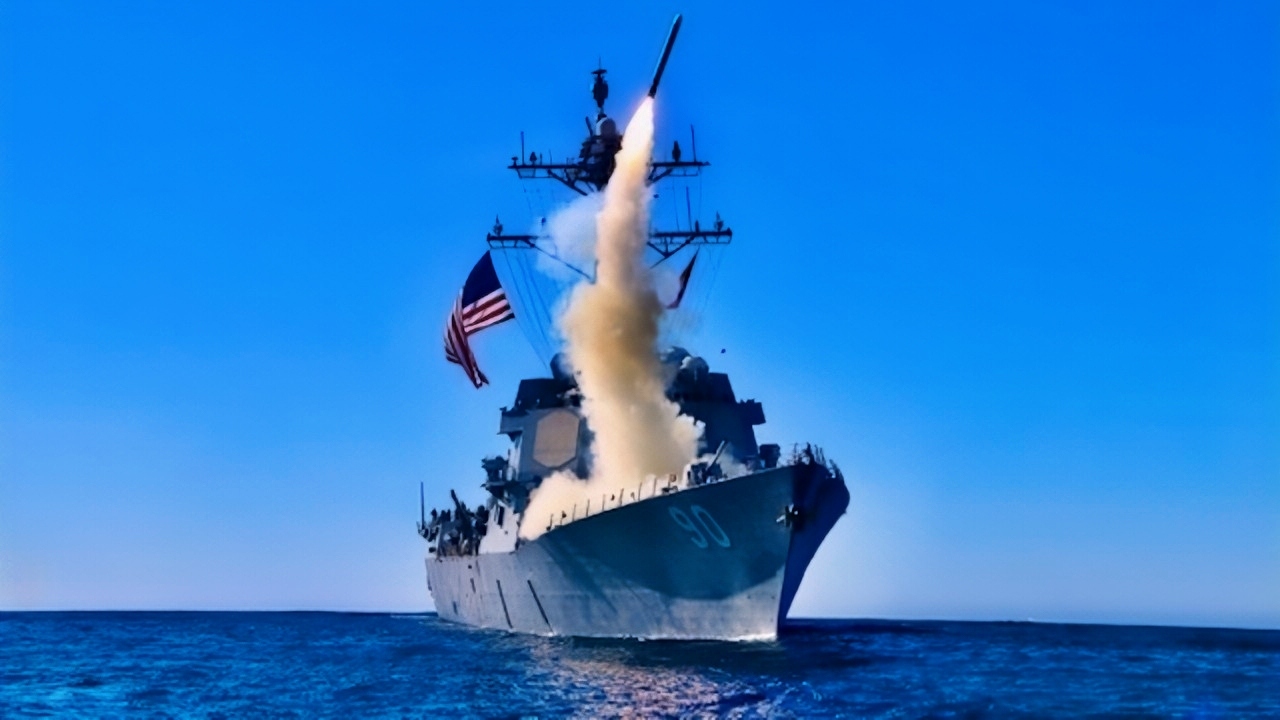
US President Donald Trump has made it clear that his blockade of Iran wasn’t to be tested. Today, he kept his promise to act if it was challenged. The U.S. military announced on Friday, November 27, that its forces successfully disabled a commercial vessel in the Gulf of Oman after its crew attempted to circumvent the U.S. naval blockade of Iranian ports. The strike on the Palau-flagged M/V Pacific Archer came as reports indicate that Iran is exploring the possibility of testing the blockade by sending out a number of oil tankers through the strait. The strike suggests that the United States won’t back down if and when Iran does try to force its oil into the international market.
The strike also comes days after other reports described more than a dozen Iranian oil tankers gathered at Kharg Island, Iran’s primary oil export terminal. Amid speculation that Iran was attempting to challenge the blockade. President Donald Trump has also repeatedly warned that the United States may resume military strikes against Iran if the regime attempts to break the blockade or refuses to make concessions in the coming weeks.
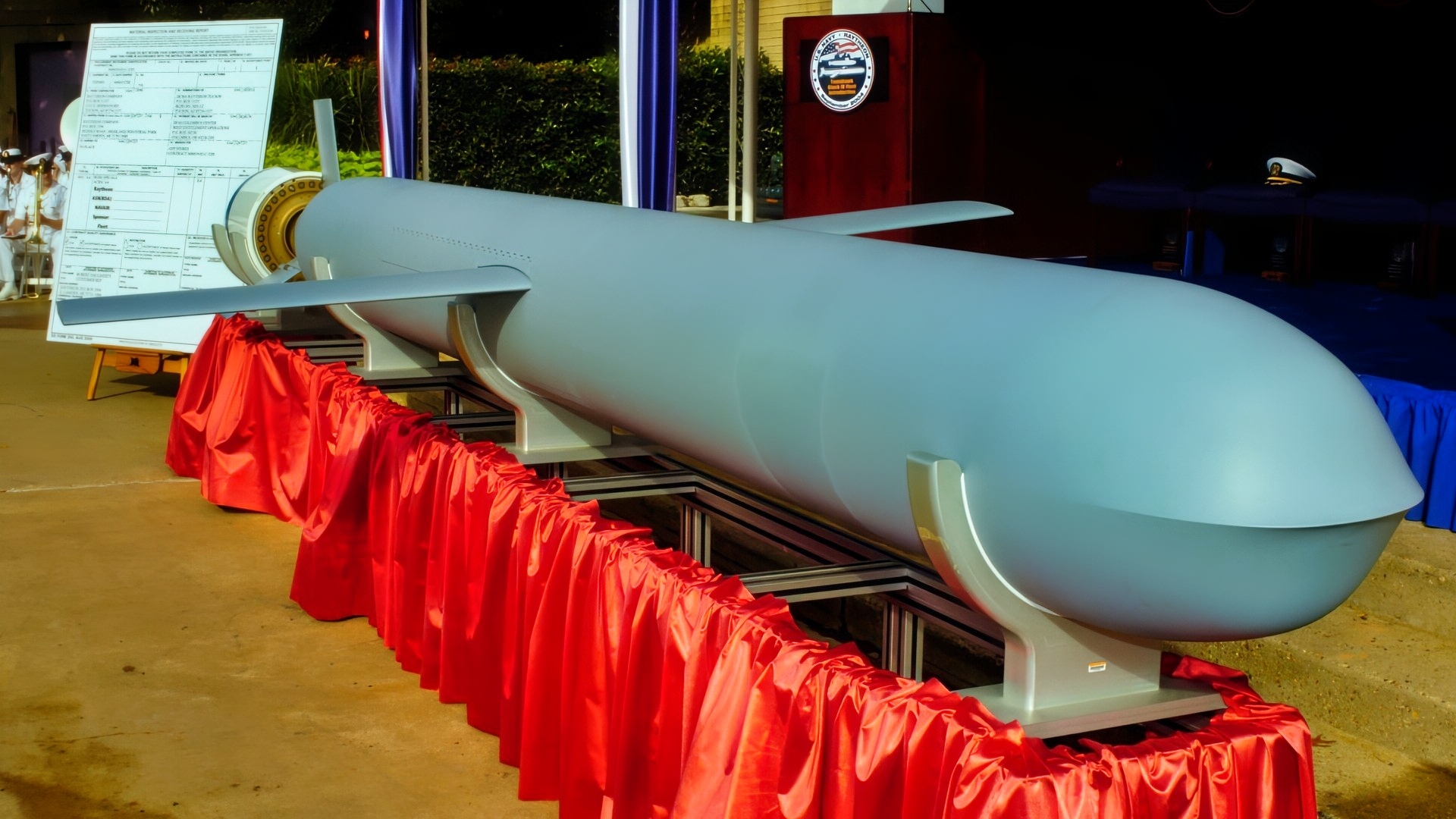
Tomahawk Block IV Missile. Image Credit: Creative Commons.
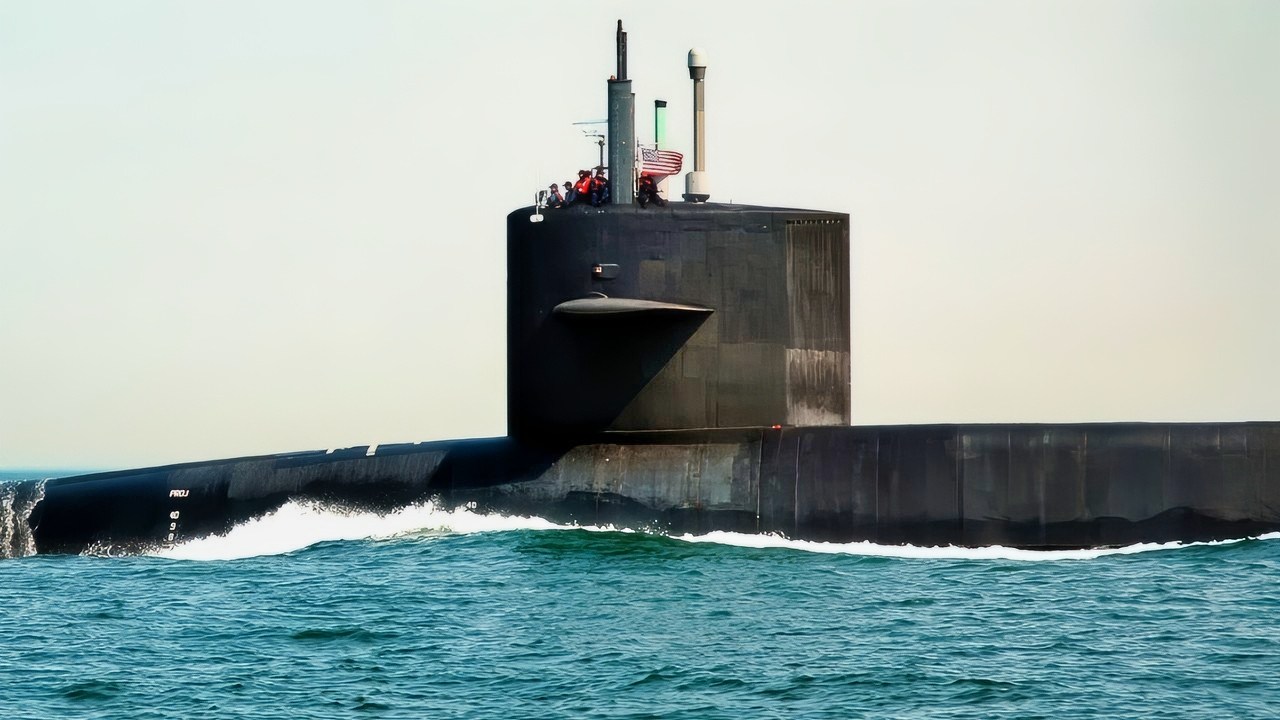
(March 31, 2006) – The guided missile submarine USS Florida (SSGN 728) conducts sea trials off the coast of Virginia. Florida will be delivered to the Fleet in April, and a Return To Service ceremony is scheduled for May 25 in Mayport, Fla. As the second of four SSBN submarines to be converted to SSGN, this nuclear-powered submarine will have the capability to: launch up to 154 Tomahawk cruise missiles; conduct sustained special warfare operations with up to 102 Special Operations Forces (SOF) personnel for short durations or 66 SOF personnel for sustained operations; and provide approximately 70 percent operational availability forward deployed in support of combatant mission requirements. U.S. Navy photo by Chief Journalist (SW/AW) Dave Fliesen.
U.S. Military Disables Vessel
U.S. Central Command (CENTCOM) issued a statement on November 27 confirming that the Pacific Archer had been struck after departing the Iranian port of Bandar Abbas and attempting to breach the blockade. CENTCOM said the ship received multiple warnings before the strike was launched.
“The ship’s propulsion was ultimately disabled, and the civilian crew was unharmed,” the statement reads.
The vessel’s intended destination was reportedly Singapore, according to ship-tracking data.
The strike is the sixth to be launched against a commercial vessel by American forces since the blockade was reinstated in July. The Pacific Archer is also at least the 15th vessel struck since Washington first imposed restrictions on maritime traffic entering and leaving Iranian ports in April 2026.
CENTCOM also says that U.S. forces have redirected a total of 158 merchant vessels since the blockade was reinstated in July.
CENTCOM did not, however, identify the aircraft involved in the operation or disclose details of what the cargo ship was carrying. The ship was identified as a bulk carrier, not an oil tanker.
Iran Reportedly Prepares Oil Tanker Convoy
The strike comes as Iran continues to weigh the possibility of challenging the U.S. naval blockade by sending out a number of oil tankers at the same time. On November 20, Euronews reported that satellite imagery and commercial shipping data showed at least 14 oil tankers assembled near Kharg Island. The island has long been Iran’s primary oil export hub, suggesting the ships may be loading oil in anticipation of an effort to move it into the international market—with or without a deal with the United States. The reports came after Iran’s Fars News Agency published a commentary piece on November 18 advocating the deployment of a convoy of tankers to challenge the blockade. Tehran has not confirmed that the plan will go ahead.
And while unconfirmed, some Iranian officials have suggested that, should the United States attempt to stop Iranian tankers from leaving the Strait of Hormuz, the IRGC would respond with retaliatory strikes against energy infrastructure in neighboring Arab countries — an effort to discourage the U.S. from enforcing one of the primary economic measures hurting Iran. However, Iranian Foreign Ministry spokesman Esmaeil Baqaei has publicly dismissed reports of a planned convoy, telling a press conference on November 23 that the idea is only media speculation, but that Tehran has the right to take action against the blockade when it decides to do so.
U.S. Expands the Blockade Operations
The Trump administration continues to take steps to tighten the economic stranglehold it currently has over Tehran, building on the initial blockade and economic sanctions plan with new conditions. On November 18, CENTCOM issued an advisory explaining that its enforcement operations would now expand to include ship-to-ship transfers of Iranian cargo. The update means that commercial vessels may still be intercepted or struck by U.S. forces even if they have not themselves visited Iranian ports.
This month, Bloomberg reported that roughly 200,000 barrels of Iranian crude oil had been transferred between two tankers in the Persian Gulf earlier that week, citing data from maritime intelligence firm Kpler and nonprofit group United Against Nuclear Iran (UANI).
The Trump administration is also expanding its blockade to land, preventing Iran from easily transporting goods over land instead of by sea. On November 7, CENTCOM announced Task Force Iron Gate, which coordinates efforts to prevent Iran from importing or exporting weapons, dual-use technologies, sanctioned goods, and petroleum products across its land borders and through the Caspian Sea. On November 8, Iraqi Foreign Minister Fuad Hussein confirmed that the U.S. Treasury Department had asked Baghdad to close all but two of its border crossings with Iran.
About the Author: Jack Buckby
Jack Buckby is a British researcher and analyst specializing in defense and national security, based in New York. His work focuses on military capability, procurement, and strategic competition, and he produces and edits analysis for policy and defense audiences. He brings extensive editorial experience, with a career output spanning over 1,000 articles at National Security Journal, and has previously authored books and papers on extremism and deradicalization.