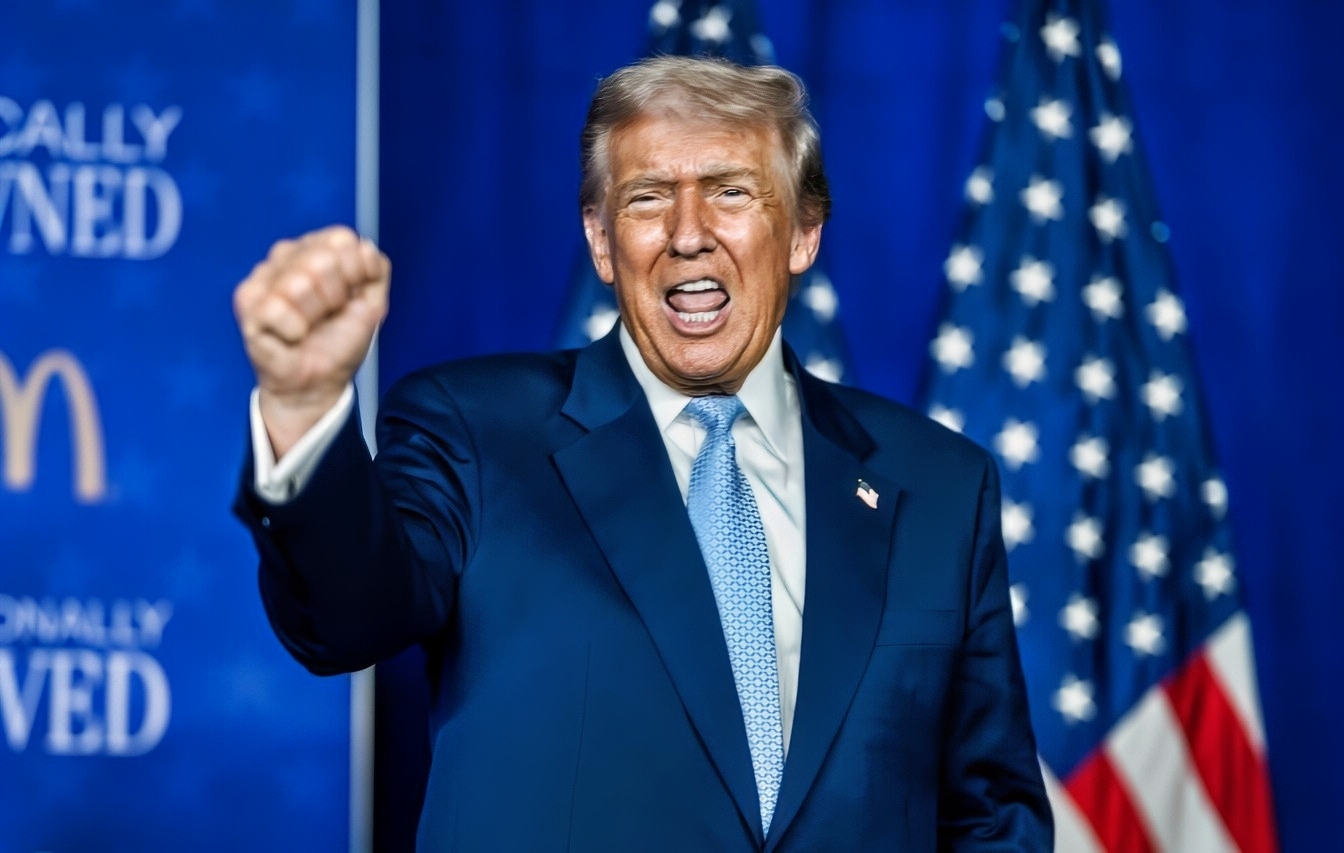
The Republican Party’s collapse in the 2026 Midterm Election likely previews what is to come in 2028.
But that only holds if the Democrats truly understand why they won the way they did in 2026.
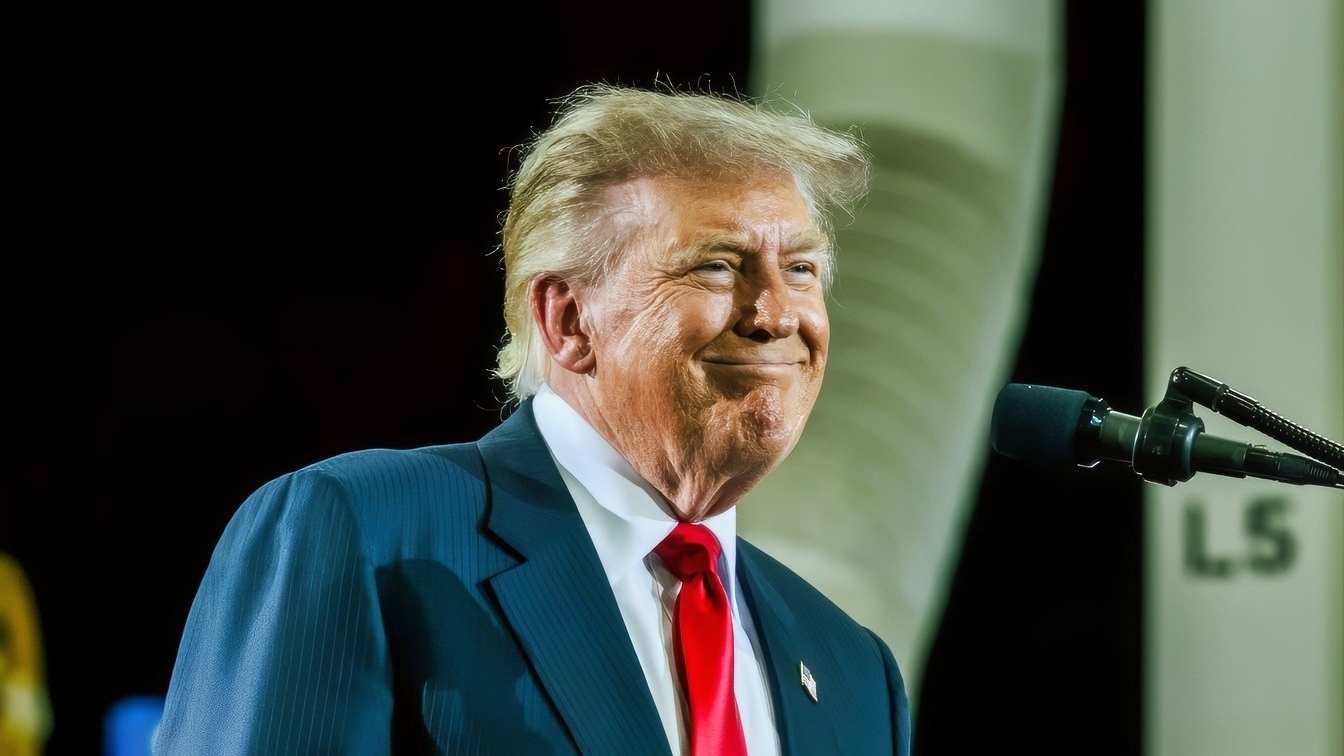
President Donald J. Trump delivers remarks at the General Motors Proving Ground in Milford, Michigan, Monday, July 27, 2026. (Official White House Photo by Daniel Torok)
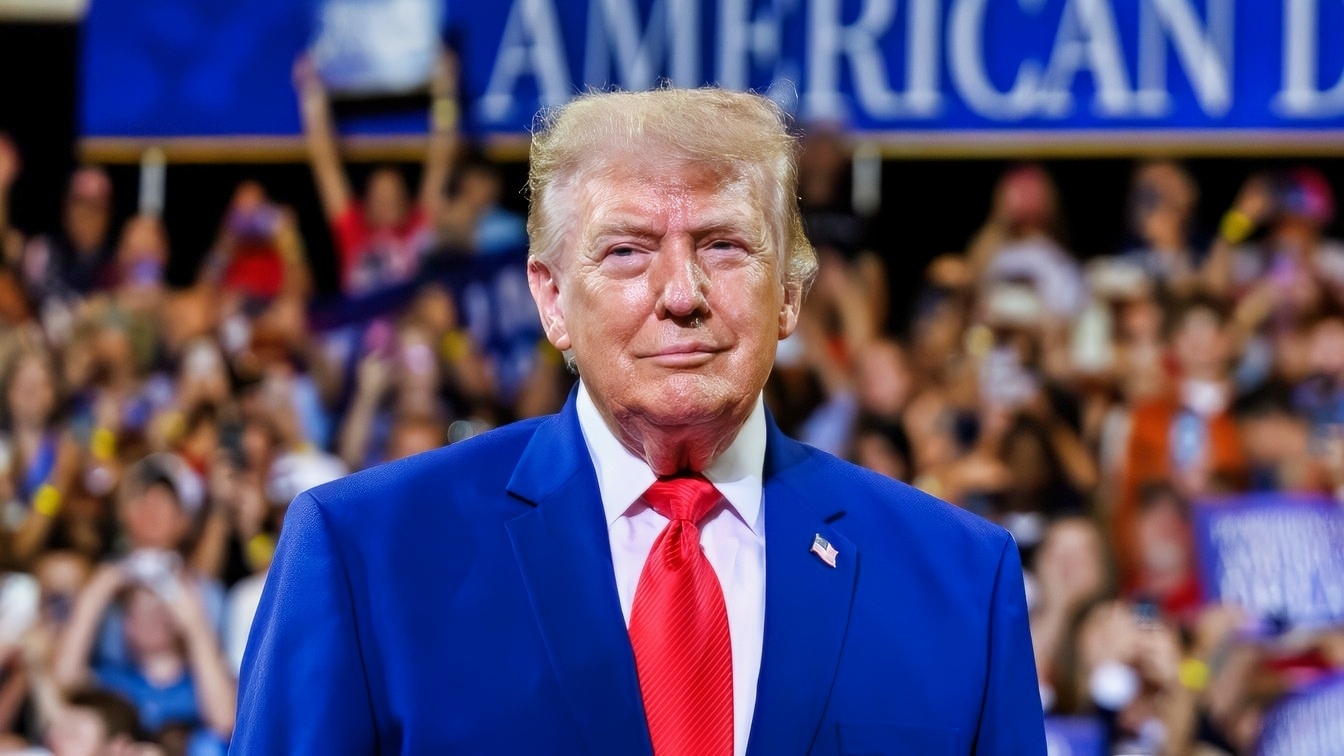
President Donald J. Trump delivers remarks on Trump Accounts, Wednesday, July 22, 2026, at Wheeler High School in Marietta, Georgia. (Official White House Photo by Molly Riley)
American voters did not realign with the Democratic Party in 2026.
They merely de-aligned with the Republican Party over the issues of the unpopular Iran War and the concomitant economic damage that President Donald J. Trump triggered.
If the Democrats can keep their ire pointed at real anti-corruption (rather than just pursuing President Trump and his advisers because they dislike them).
If the Democrats can use their newfound power to help end the Iran War, and if they can address the affordability issues that drove voters against Trump, then they will have the momentum they need to beat the Republicans in 2028.
How the Democrats Win
Should the Democrats spend the next two years pushing their controversial social policies upon people and raging against Donald Trump rather than rolling up their sleeves and legislating in the name of most Americans, then 2028 will again be up for grabs.
But Democrats will have real inherent advantages in two years that they didn’t have this year (even though they still won with a less favorable electoral map than they’ll have in 2028).
Republicans are likely banking on the prospect that Trump won’t be on the ballot again in 2028.
That’s some real cope on their part, considering Trump will likely play the role of obnoxious meddler (the would-be kingmaker) in Mar-a-Lago, and Americans are unlikely to forgive or forget Trump’s primary role in utterly destroying the US economy over the last four years.
Under those conditions, historically, politicians have struggled to overcome widespread dissatisfaction with outgoing presidents from the same party.
The 2026 Midterm results indicate that Republicans are already experiencing this phenomenon. According to updated voter polling conducted by CNN (and other news organizations), approximately 80 percent or more of voters who disapproved of Trump’s performance supported Democratic candidates in many congressional and gubernatorial contests.
2028 Will Be Like 2008
Look back at previous American presidential elections, where the incumbent party was punished for the outgoing president’s unpopularity.
Think, for example, of Sen. John McCain’s (R-AZ) haphazard 2008 presidential campaign. At that time, McCain struggled to overcome President George W. Bush’s unpopularity, whose administration was permanently associated with the Iraq War and the 2008 Great Financial Crisis.
This all sounds familiar, if you ask me.
Further, Vice President JD Vance remains the likeliest successor to Trump for the Republican Party’s nomination, and that creates significant problems for the Party.
Not because Vance is a bad pick. He’s not. In fact, he’s been the only consistent voice of dissent for the president’s most unpopular Iran War policies, putting him in a rare position of having been right when everyone else in the elected GOP was essentially wrong.
That, of course, is going to likely hurt him in the GOP primary–especially if Trump, irrespective of his unpopularity outside the GOP, decides to work against Vance’s nomination (which Trump has already indicated he will not endorse any candidate).
Trump and his supporters don’t like Vance, who is perceived as having gotten one over on the forty-seventh president.
What’s more, Vance will inevitably have to push back on many of Trump’s most unpopular policies in the general election against a Democrat candidate, meaning the forty-seventh president could easily turn his powerful media machine against Vance and lead many Republican voters to sit out the next election.
That’s to say nothing of the fact that Vance didn’t disagree more loudly with the president or offer alternatives during the Iran War.
Vance is restrained from doing that as Trump’s vice president. But Vance could have resigned in protest, as former National Counterterrorism Center (NCTC) Director Joe Kent did earlier this summer.
Texas Sen. Ted Cruz, outgoing Florida Gov. Ron DeSantis, and former Virginia Gov. Glenn Youngkin have all made moves indicating they’d like to run in 2028 for the GOP nomination.
There are also many rumors that current Secretary of State and White House National Security Adviser Marco Rubio is contemplating a presidential run in two years.
Anyone associated with the Trump administration will struggle.
Even Republicans not associated with the administration, such as Gov. DeSantis, will find it harder than they think to overcome that antipathy to incumbents discussed earlier.
A Generational Defeat
And if the economy does not recover in time for the 2028 election, or if the war has not been resolved, while some might blame the Democrats, the reality is that the Republican Party will probably get the lion’s share of the blame if only because Trump is a Republican and he is the president.
As for the other races up for election in 2028, the United States Senate map looks even more favorable for Democrats than it did in 2026, meaning a massive swing election for them is more likely than not.
If Trump leaves office with persistently low approval ratings, an unresolved foreign conflict, and widespread economic dissatisfaction, his successor will inherit a political environment that makes retaining the White House extraordinarily difficult.
If 2026 was akin to the 2006 Midterms, then 2028 should resemble the 2008 presidential election, in which a dynamic, youthful Progressive Democrat rises to power against entrenched, unpopular interests that favor war and income inequality.
That’s how it will be framed. And that’s what most Americans will undoubtedly think–and they’ll vote accordingly.
About the Author: Brandon J. Weichert
Brandon J. Weichert is the Senior National Security Editor. He also manages The Weichert Brief on Substack. Weichert is the co-host of The Mario Nawfal Show on Twitter/X. He is the author of four bestselling national security books, most recently A Disaster of Our Own Making: How the West Lost Ukraine (Encounter Books). His next book, Fortress Americas: A New Monroe Doctrine (Tucker Carlson Books), is due out December 8. Follow him via Twitter/X @WeTheBrandon.