Not long after the U.S. and Israel launched a war on Iran early this year, Iran responded by closing off the Strait of Hormuz.
And while the U.S. has succeeded in achieving some military objectives, they have found that it cannot bomb its way into getting Iran to reopen the Strait, a crucial waterway that’s highly important to global shipping.
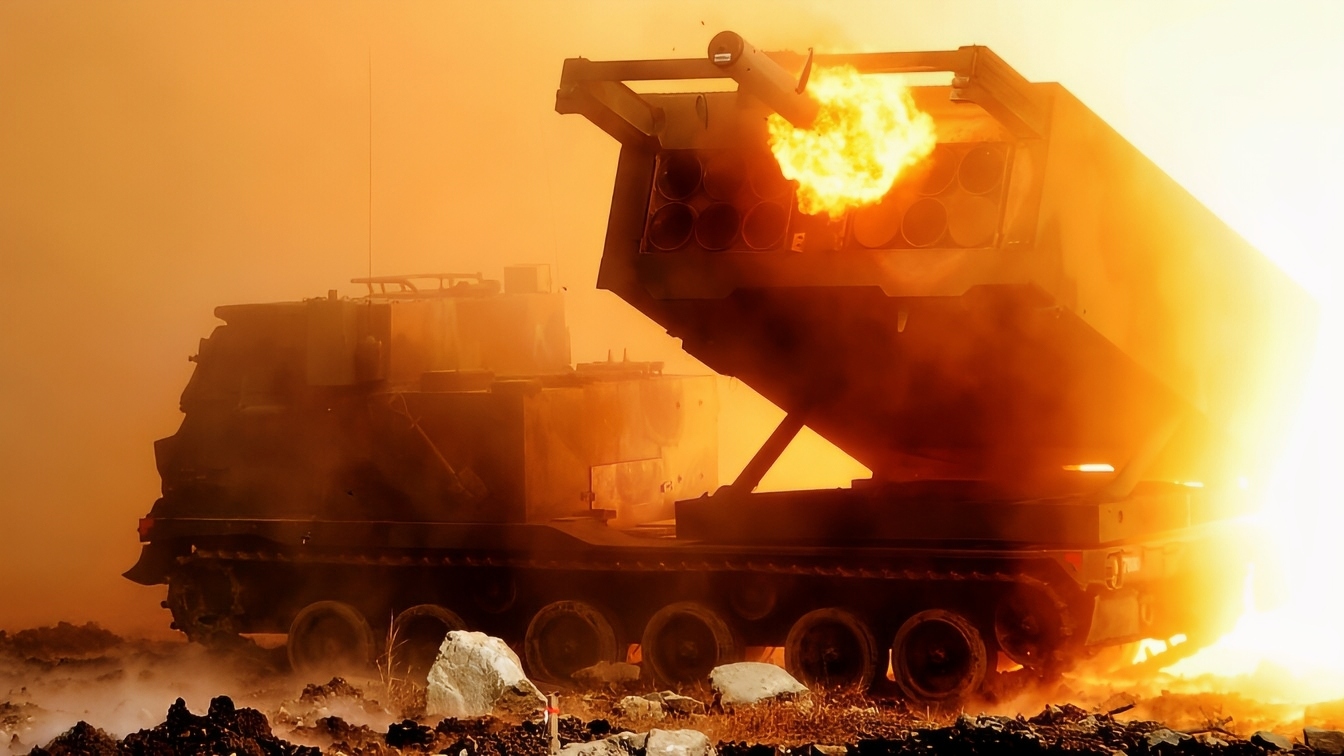
MLRS Firing Creative Commons Image
According to a Breaking Defense op-ed by Maximilian K. Bremer and Kelly Grieco, “traditional AirPower” has succeeded throughout Operation Epic Fury in most traditional methods of air superiority, including crippling Iran’s Air Force and “achieving air superiority in the high skies.”
However, what they haven’t been able to do is leverage that air superiority to force the Strait open or bring the war to any kind of triumphant end.
Why is this? Part of it is the changing nature of warfare, as drones have become a more important aspect of how wars are fought.
“The United States controlled the high altitudes over Iran,” Bremer and Grieco write for Breaking Defense. However, “that control did not extend downward—and the two are not the same fight.”
Bremer is a retired US Air Force colonel, and he and Grieco both work for the Reimagining US Grand Strategy Program at the Stimson Center, where Bremer is a nonresident fellow and Grieco is a senior fellow.
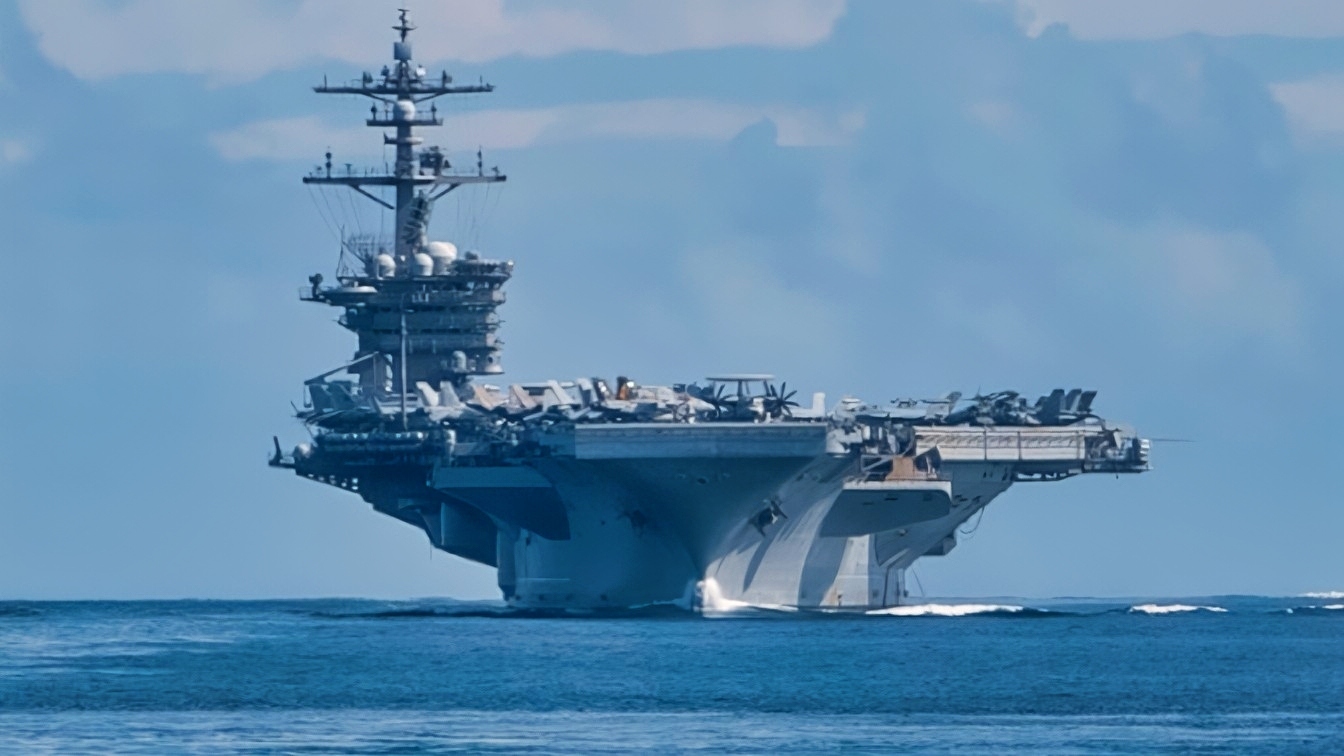
SIBUTU PASSAGE (Feb. 6, 2025) – The Nimitz-class aircraft carrier USS Carl Vinson (CVN 70), left, and the Ticonderoga-class guided-missile cruiser USS Princeton (CG 59) transit the Sibutu Passage Feb. 6, 2025. The Carl Vinson Carrier Strike Group is underway conducting routine operations in the U.S. 7th Fleet area of operations. (U.S. Navy photo by Mass Communication Specialist 3rd Class Brianna Walker)
“Altitude is Not Strategy”
Bremer and Grieco’s op-ed is in response to another one written by David A. Deptula, dean of the Mitchell Institute for Aerospace Studies, also for Breaking Defense, in mid-July.
Deptula took issue with what the other authors call the “Air Littoral,” defined as the airspace between ground forces and high-end fighters and bombers, encompassing drones, missiles, and other such weapons.
The two authors coined the term “Air Littoral” in the Army War College publication Parameters in 2021.
Deptula argues that this represents a false difference. This is especially the case, he argues, with the Strait of Hormuz, as he sees maintaining freedom of navigation as an “inherently joint and combined mission.”
Bremer and Grieco respond to Deptula, noting that the way that Operation Epic Fury has played out supports their thesis.
“In limiting its concept of air superiority to the blue skies, the Air Force abdicated its responsibility to control the air domain for the joint force,” the authors write.
The authors caution that both Deptula and the major decision-makers in the war are using outmoded thinking, based on a faulty and outdated theory of what air power is and how it works.
The State of the Strait
The latest development at the Strait of Hormuz is that Iran’s Islamic Revolutionary Guard Corp. claimed Friday that it struck two tankers, both under U.S. aerial military escort, as they attempted to traverse the Strait. This is according to CNBC, which cited claims by Iran’s state-run Press TV.
They also claimed that four more tankers turned back following those strikes.
Per The Guardian, the IRGC claimed that the “ non-compliant oil tankers … were struck and brought to a halt.”
This development, along with unrelated unrest in the Black Sea, caused oil prices to rise on Friday, with Brent Crude rising 1 percent to $89.90/barrel.
An OilPrice.com report earlier this week stated that after the mid-June Memorandum of Understanding brought oil prices down, the recent re-closure, in addition to the Houthis’ blockade of Saudi oil, has “made bullishness in vogue again,” adding that the status of the Strait of Hormuz remains a “wild card.”
Earlier this week, the Wall Street Journal reported that Iran had rejected a proposal by the Gulf state of Oman to divide control of the Strait evenly.
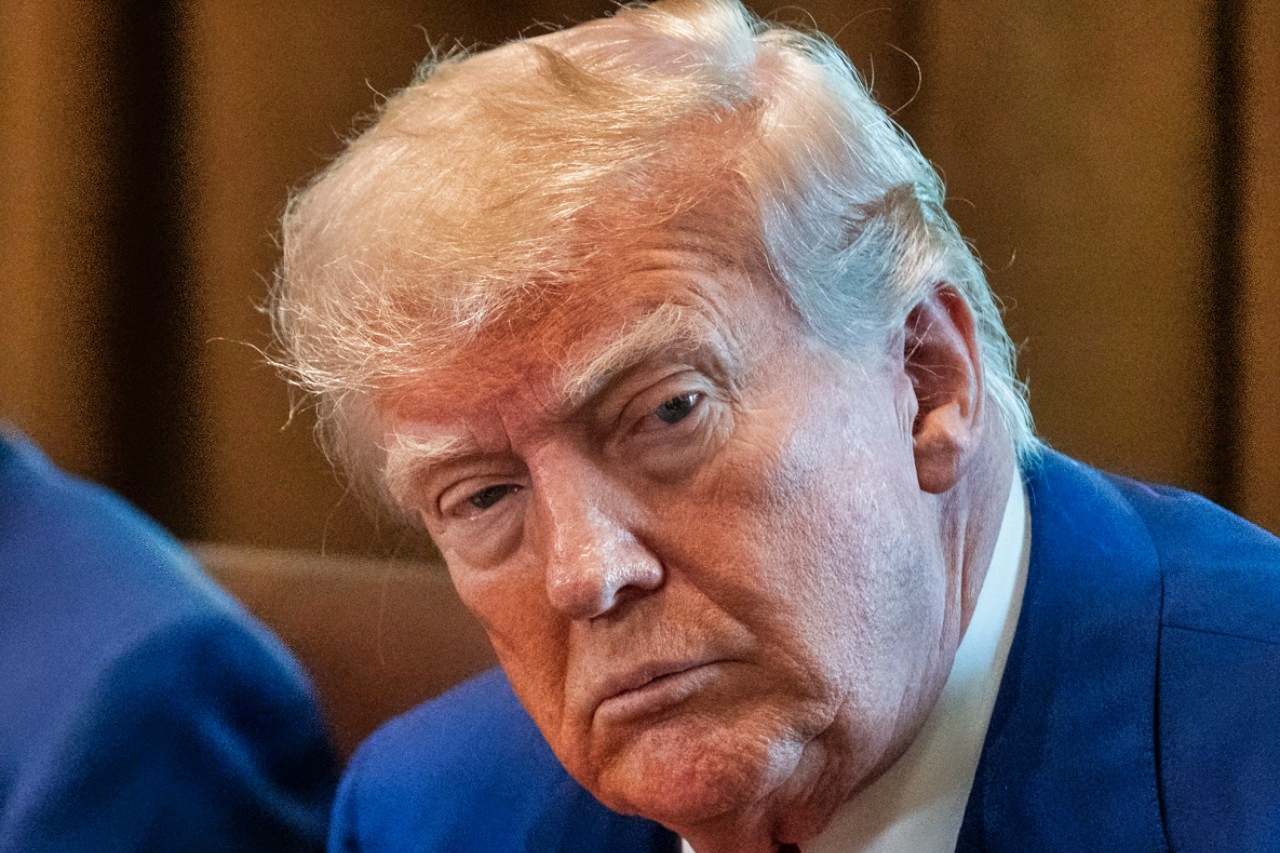
Also on Friday, the president gathered his cabinet at Camp David, with the next steps in the Iran War the main topic of the meeting. Trump, per the Hill, was critical of Iran’s negotiators, denouncing them as “very dishonorable to deal with.”
MS NOW noted that this is the first cabinet meeting since late May, and that at that meeting, Trump had declared that the Strait of Hormuz would be “open to everybody” and that gas prices would soon decline.
About the Author: Stephen Silver
Stephen Silver is an award-winning journalist, essayist, and film critic, and contributor to the Philadelphia Inquirer, the Jewish Telegraphic Agency, Broad Street Review, and Splice Today. The co-founder of the Philadelphia Film Critics Circle, Stephen lives in suburban Philadelphia with his wife and two sons. For over a decade, Stephen has authored thousands of articles that focus on politics, national security, technology, and the economy. Follow him on X (formerly Twitter) at @StephenSilver, and subscribe to his Substack newsletter.