Cinderella and the Feminine Divine

Mary Magdalene | New | Noel Joshua Hadley

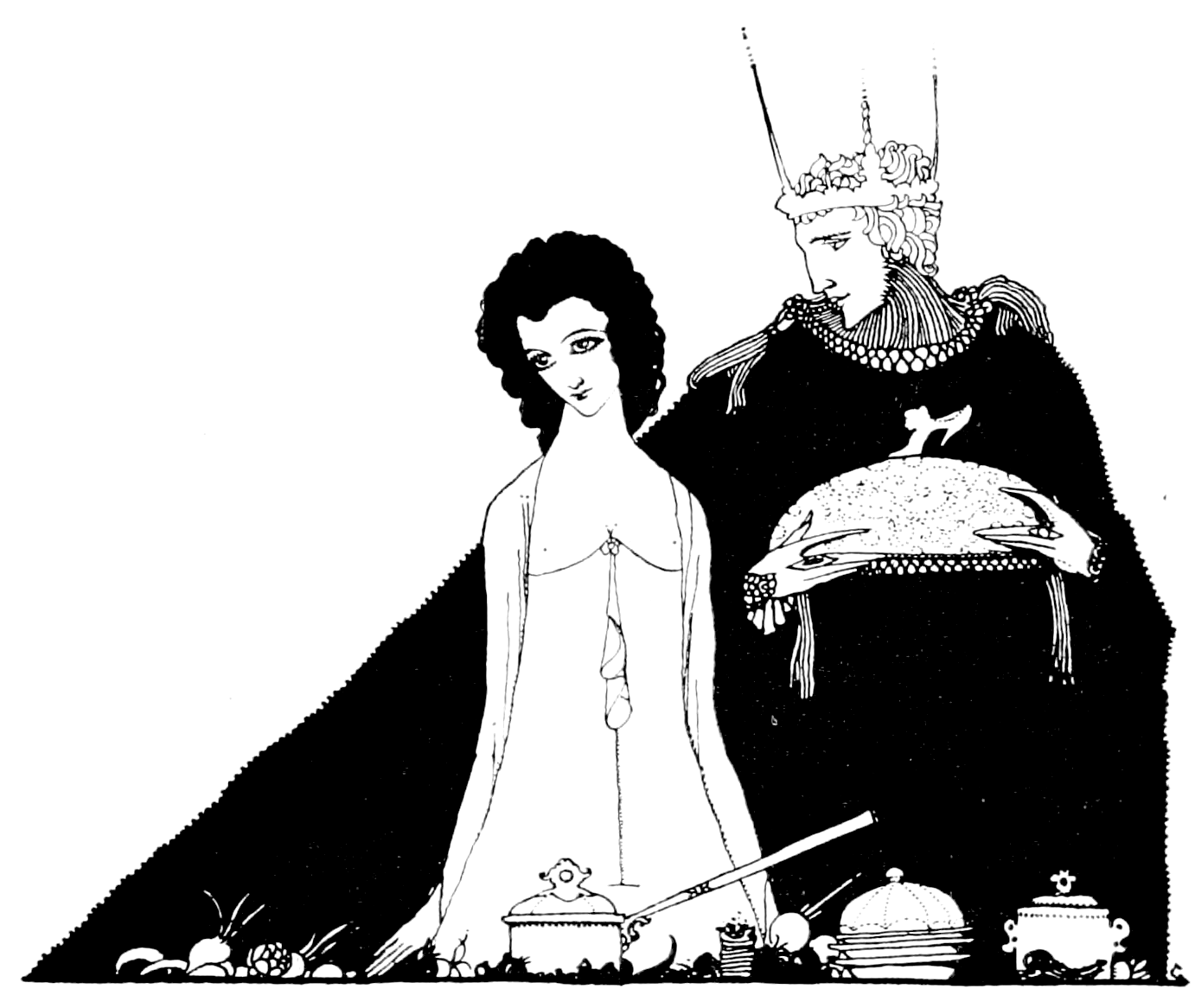
RARELY a day goes by when I don’t ask my daughter if the slipper fits before trying her shoe on. And what do you know, it’s a perfect slide every time, but let’s not get lost in the exoteric. Falling asleep in bed last night, I thought about Cinderella and our impending move to Europe, variably, in that order. It was a ping pong affair. This morning I woke up with the same coupled thoughts and the dread associated with them. Firstly, as it concerns our travels across the pond, there is little time and much to do on a shoestring budget. Let’s just say we will be living in various homes and doing a lot of kittensitting. To add to that anxiety, the boat casts off in three weeks as of this afternoon. Books are nice and the smell of old pages comfortable, but to quote Dr. Henry Jones Jr., “If you want to be a good archeologist, you gotta get out of the library.” Therefore, our temporary move to the UK and EU is intended as a seven-month long hands-on field trip investigating the various topics that I so often cover. The late Middle Ages, its association with the feminine divine, and something which I intimately refer to as the Millennial Kingdom takes up the crux of that focus. And let’s not forget about Mary Magdalene. Perhaps you will be happy to know that Cinderella finds her home and hearth in all of them. The slipper fits.

Nearly an entire year has passed since turning out Sleeping Beauty and the Feminine Divine, one of my all-time favs. Most recently, I have given the princess architype another looksy-loo with Rapunzel in Mary Magdalene and the Maiden in the Tower. Give them a read, why don’t you? I am directing you to them now because this is yet another spin-off paper, which means I will be springboarding rather than repeating information. That is to say, I am expecting you to know a thing or two while in pursuit of new discoveries.  
IN the summer of 2019, I was seated in the wine cellar of a walled Medieval town high above the Dordogne Valley of France, not far from Sarlat-la-Canéda, making phone calls, writing reports. I have given this story in other places and it appears as though you’re about to hear it again. Rob Skiba is a name you that you might be familiar with. Though he had made a name for himself as a Nephilim researcher, more recently Rob had taken a dive into the deep end of the pool via flat earth research. The recorded interviews I conducted between he and Rick Hummer, a fellow flat earth investigator and close friend of his, was published while still occupying that very wine cellar. Read all about it. Chicago Is Not a Mirage.

Word quickly spread. Within a few short weeks, dozens of flat earth researchers began accepting my invite for a private interview, if not a series of interviews. From a 17th-century tower built by King Louis XIV, and with a stunning view of the Alps, I sat down with Robbie Davidson, founder of the Flat Earth International Conferences, conducting multiple sessions. While staying in Dumfries, Scotland, David Weiss agreed to take part in the interviews, as did Bob Knodel of Globebusters. There were others. But when I asked the interviewees to discuss the moments that shaped their lives, among the many PSYOPs, false flag attacks, and hoaxes that were discussed, only these men committed commentary to the false 9/11 narrative.

The resulting recordings ballooned into The Unexpected Cosmology, a book which became a website and was even intended as an anthology. And of course, the following discourse was originally a chapter. It was Walt Disney who stated, “Disneyland will never be completed. It will continue to grow as long as there is imagination left in the world.” Those sentiments remain applicable here as well. American Sensationalism: The 9/11 Interviews was always intended to be expanded upon with the inclusion of new researchers. So I’m sorry to say the project became stagnant during the Covid-19 psychodrama. I took a break to tackle other projects. We lost Rob Skiba. Rob offered hours of private conversation regarding his life but we never got around to the big one. 9/11. It was in the cards. Sadly, Bob Knodel died soon afterwards. Voices are being squeezed from an entire generation. Gnosis passes with them.

In the aftermath, the FE community became fractured. People began going their separate ways. Robbie Davidson, among a noted few others who were interviewed for the project, got up and left the movement altogether. It is not my intent to erase his or the contributions of others if only brief. They came, they went, their testimonies remain.

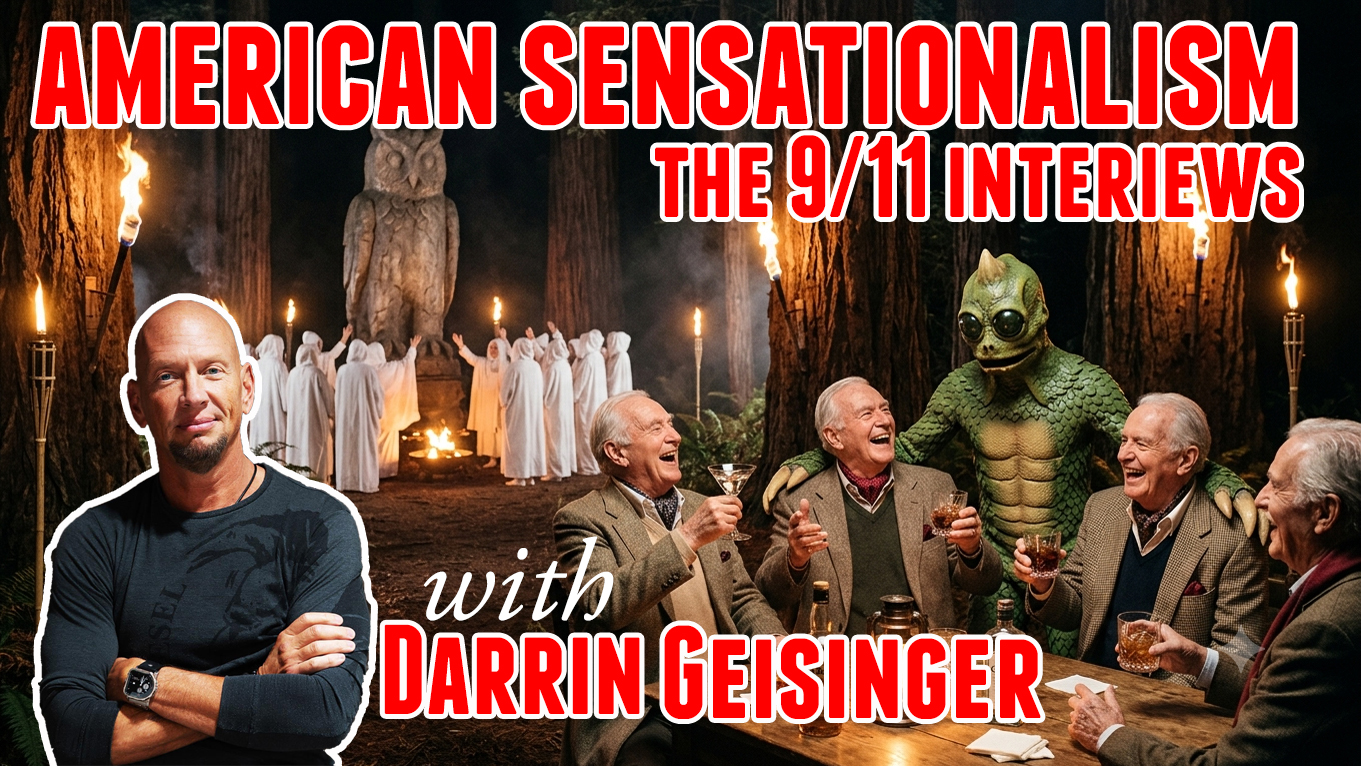
The original vision may have hit roadblocks but it is not forgotten. I expanded this paper a few years later to include testimony from author Pauly Hart, a dear friend of mine. I had wanted to continue that trend every year thereafter but you know how it goes. For the 25th anniversary of the attack I have redirected my efforts to its first large scale expansion, including Andrew Hoy and Darrin Geisinger into the mix. Perhaps others will lend their experiences to the recorder in time.

The following is their report.

Watch the Interviews