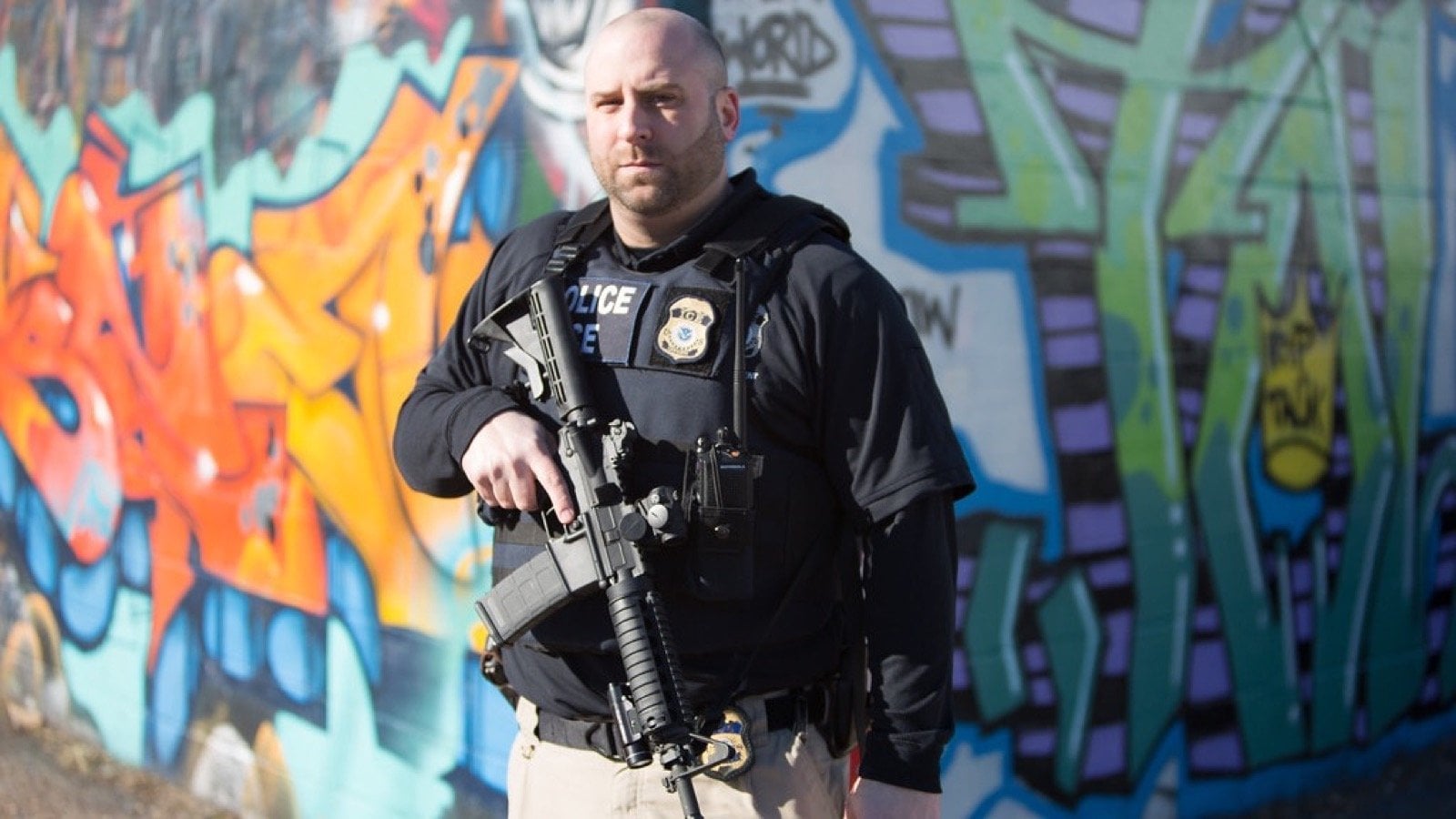
Houston Mayor John Whitmire has moved to sharply limit when city police contact federal immigration authorities, openly tying the reversal to this week’s Democratic election victories in Texas.
The nation’s fourth-largest city is now becoming an early test of how quickly those election results can obstruct President Trump’s immigration agenda at the local level.
Whitmire’s message was not subtle: “Elections matter.”
Democrats won control of the U.S. Senate, delivering a stunningly decisive rebuke of Republican governance in Washington and ushering in a new era of congressional resistance to President Donald Trump.
Follow live results: https://t.co/85f2Ws72KN pic.twitter.com/Uc9c0XMG4x
— The Associated Press (@AP) November 4, 2026
Under the new directive, Houston officers are instructed not to contact U.S. Immigration and Customs Enforcement merely because someone is believed to be subject to immigration enforcement.
Police may contact ICE when a person is arrested for an offense that can result in jail or when the agency has issued an administrative warrant. But an ordinary traffic stop or another nonviolent, non-jailable encounter is not supposed to become an immigration referral.
The Associated Press reported that Whitmire presented the change as a new enforcement model focused on immigrants whom the city considers dangerous, rather than people going to work, school, or caring for their families. The two-page order says suspected immigration status by itself cannot justify contacting ICE, extending a detention, or taking someone into custody.
The practical effect is a bright new line between routine Houston policing and federal civil immigration enforcement—one announced only days after Democrats swept key races in Texas.
That timing is the story.
Earlier this year, Republican Gov. Greg Abbott used the threat of lost state funding to pressure Houston, Austin, and Dallas over policies he said restricted cooperation with ICE.
Houston retreated at the time. Now, with Democrat Gina Hinojosa set to replace Abbott as governor, Whitmire is changing course again.
BREAKING: Democrats have now flipped 7 seats in the Senate and 25 seats in the House, their largest gains since 2008 and 2018, respectively.
This marks one of the largest shifts in US political power in nearly two decades.
— The Kobeissi Letter (@KobeissiLetter) November 4, 2026
The Texas Tribune documented the earlier showdown in April, when the Houston City Council amended its newly adopted ICE policy after Abbott threatened public-safety funding. The city had tried to limit how long officers would wait for federal agents to collect someone named in a nonjudicial immigration warrant.
Abbott’s office argued that Houston had committed to full cooperation with federal authorities as a condition of state grants, and the council approved revised language by a 13-4 vote. That history makes Friday’s reversal more than a technical police-policy update; it is a direct demonstration of how the loss of political leverage in Austin can change enforcement on the ground.
The legal fight may not be over.
Texas Attorney General Ken Paxton previously challenged Houston’s restrictions under a 2017 state law that prohibits local governments from materially limiting immigration enforcement.
In an official April letter to the city, Paxton’s office warned that Houston’s ordinance raised serious concerns about cooperation between the Houston Police Department and ICE. The state argued that local restrictions could conflict with Texas law and jeopardize agreements tied to public-safety funding.
Friday’s order arrives in a different political environment, but the underlying statute does not disappear when the governor’s office changes hands. The question is whether outgoing state officials challenge the directive now, or whether incoming Democratic leadership allows it to stand.
Whitmire says the policy will reduce fear and keep officers focused on people who pose an actual danger.
Supporters say residents should be able to report crimes, attend school, or drive to work without worrying that any encounter with local police will become an immigration case.
Critics will see something very different: a major city deliberately narrowing the assistance available to federal agents carrying out the Trump administration’s deportation program.
It’s a new day in America.
Democrats have remade the Senate map. Our candidates have won in places previously thought impossible.
Now we must deliver for the American people. And we will. https://t.co/08VELE6x2j
— Chuck Schumer (@chuckschumer) November 4, 2026
Local reporting showed that Whitmire signaled significant police-policy changes almost immediately after the midterm election shifted much of Texas’ state leadership to Democrats. The mayor described the coming reset as a consequence of elections and the changed relationship between Houston and Austin.
That is an unusually candid admission of political cause and effect: the city was constrained when Abbott controlled state funding, and it now believes the election has created room to pull back from federal immigration cooperation.
This is why local and state elections matter to national policy.
President Trump can direct ICE to enforce federal immigration law. Congress can fund thousands of agents.
But federal operations still benefit enormously from local arrests, police information, detention space, and cooperation agreements.
When a city the size of Houston withdraws even part of that cooperation, the effects can reach far beyond City Hall.
The election was Tuesday.
By Friday, Houston was already changing how its police deal with ICE.
That may be the clearest warning yet that the political shift in Texas will not wait until inauguration day to collide with President Trump’s agenda.
This is a Guest Post from our friends over at WLTReport. View the original article here.
The post Houston Mayor Limits Police Cooperation With ICE After Democrats Win Texas appeared first on 100PercentFedUp.com.