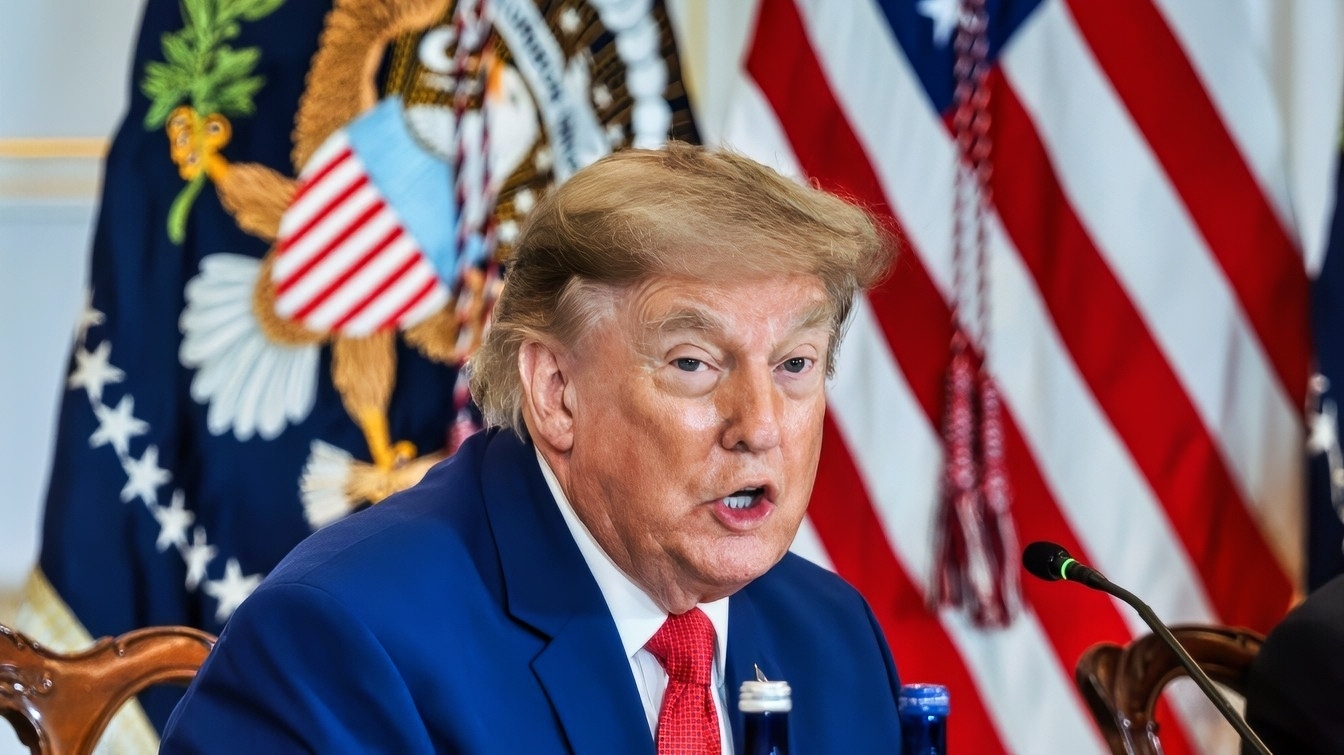
Donald Trump, infamously, did not accept the result of the 2020 election, leading to an attack on the U.S. Capitol and his second impeachment.
Trump, to this day, refuses to concede that he lost that election, and has been known to demand that government appointees go along with the conceit that he really won in 2020.
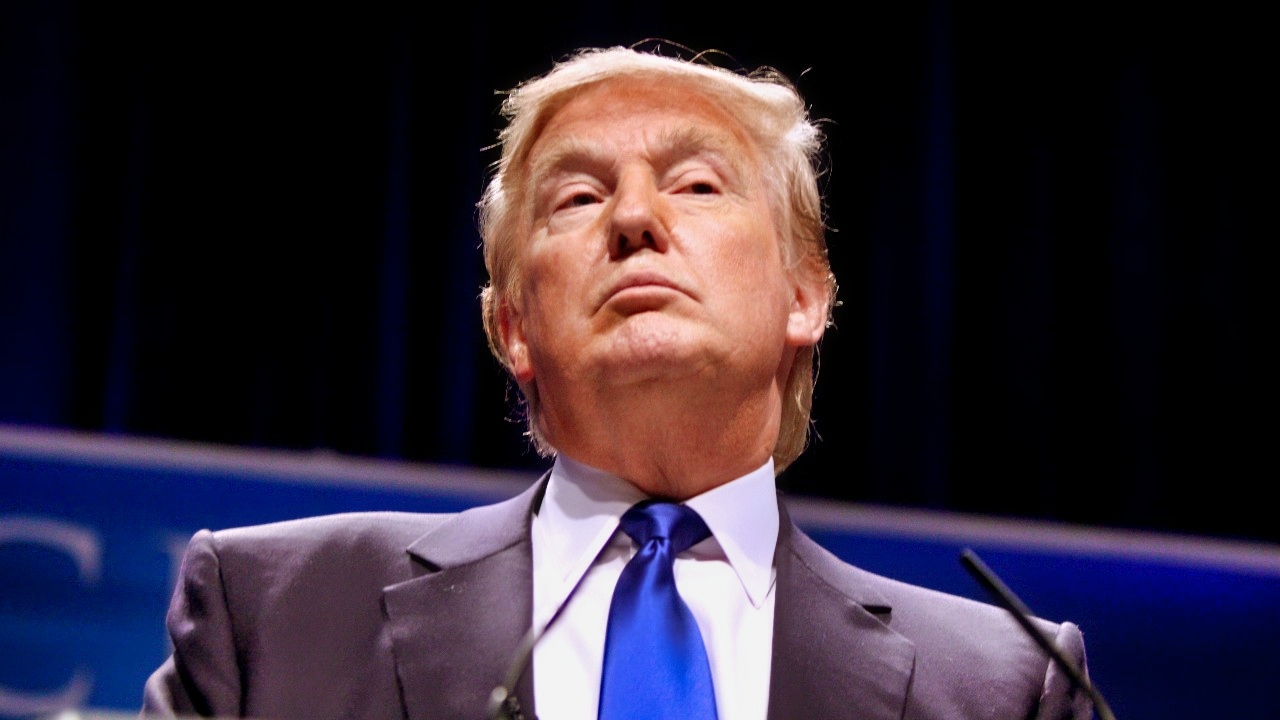
Donald Trump Speaking at CPAC. Image Credit: Creative Commons.
Trump has long baselessly alleged a “deep state” conspiracy to undermine American elections.
At the same time, the 2020 claims are based on a wide variety of interlocking conspiracy theories, involving everything from illegal immigrants voting to the forging of mail-in ballots to more far-flung supposed efforts by foreign governments in China or Venezuela.
None of that, in the six years since the 2020 vote, has been substantiated, and courts were nearly unanimous in rejecting the Trump team’s election challenges at the time.
Could Trump sow similar doubts about the midterm elections if Democrats win?
Most Americans seem to think he could.
A Washington Post-ABC News-Ipsos poll published this week found that 7 in 10 Americans lack confidence that Trump would accept the midterm election results if his party loses.
That includes 36 percent of Republicans, the Post said, who “are not confident Trump would accept GOP losses.” That figure is similar among Democrats and independents: 94 percent of Democrats and 77 percent of independents.
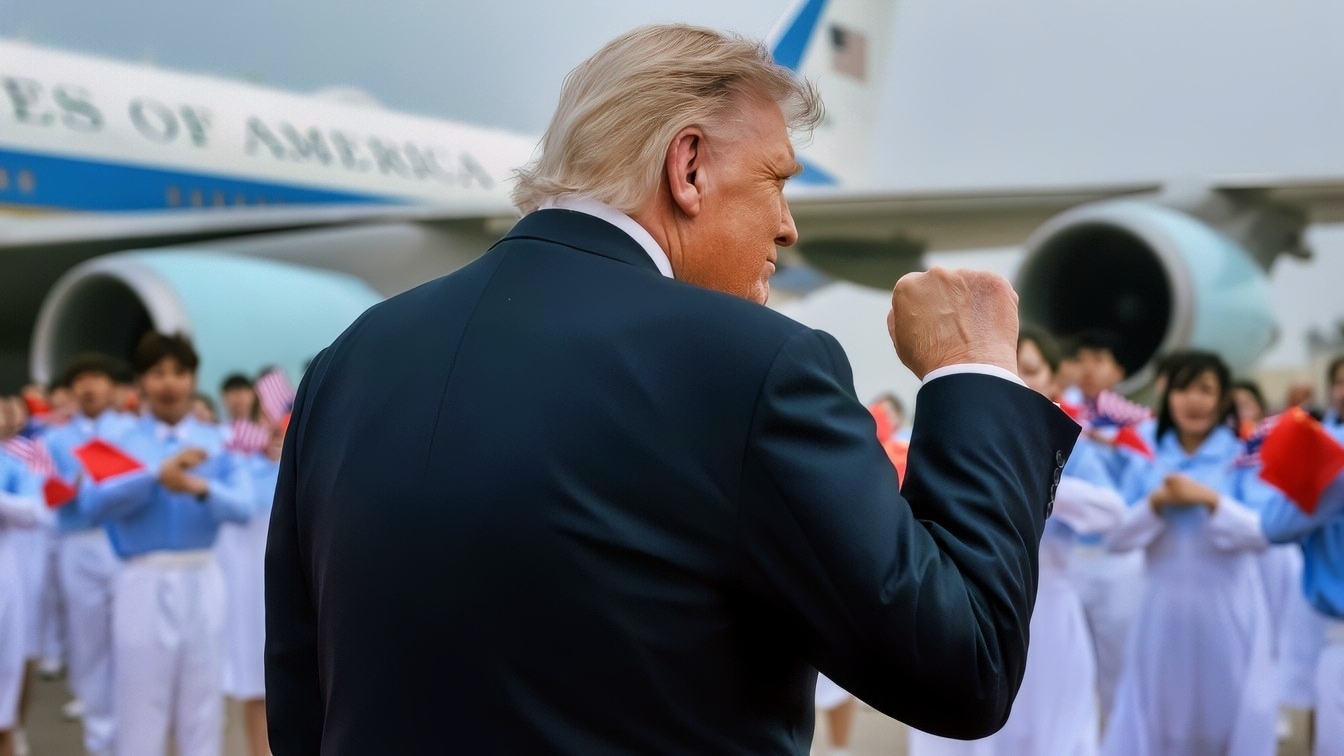
President Donald J. Trump greets Ambassadors David Perdue and Xie Feng, Executive Vice Minister of Foreign Affairs Ma Zhaoxu and Minister of Foreign Affairs Wang Yi at Beijing Capital International Airport, China on Friday, May 15, 2025, before boarding Air Force One en route Washington, D.C. (Official White House Photo by Daniel Torok)
However, most voters in both parties believe the elections will be carried out fairly.
Would Trump Do It?
Trump has often, going back to 2016, given a variation on an answer when asked if he would accept election losses: That he will, as long as they’re not “rigged.”
He said something similar in a February interview with NBC News, when Trump said he would accept Republican losses in November “if the elections are honest.”
Republicans did lose control of the House in the 2018 midterm elections, halfway through Trump’s first term, and he did not make any major effort to claim that the election was rigged or that Democrats had come to their victories unfairly.
Some Trumpologists argue, though, that Trump doesn’t experience the same cognitive dissonance when other people lose their elections without him on the ballot, as opposed to the 2020 campaign, when the defeat was personal.
Therefore, if Republicans lose one or both houses of Congress in November, he can safely blame other people and comfort himself with the knowledge that he wasn’t the one who suffered the loss.
But if Trump did somehow intervene to try to stop an election loss, efforts are underway to stop him.
Advising States
The Washington Post reported Tuesday that a small group of national security officials has been discreetly advising lawmakers in Congress and state officials on what to do if the Trump Administration attempts to “interfere in November’s midterm elections.”
According to The Independent, the effort includes “10 current and former officials with experience in the Department of Defense,” and they are motivated not by partisan concerns, but by “a growing sense of alarm” that Trump will question the legitimacy of the elections, or take some action to interfere with voting.
Per the Post, the concerns include the possibility that Trump could order ICE agents or other law enforcement personnel to polling places,
“All of them have said we’re concerned, but we don’t know what to do,” one member of the effort told the Washington Post. “The outcome that we hope for is that states would be prepared for any contingencies should they arise.”
Hacking a Voting Machine
Meanwhile, ProPublica reported this week that Department of Homeland Security personnel asked staffers at the Cybersecurity and Infrastructure Security Agency (CISA) to do something unusual: “Secretly acquire a voting machine and hack it.” The idea was to do so and then present the findings to the White House.
This request alarmed CISA staffers, especially because they were told not to inform the voting machine vendor if they discovered vulnerabilities.
“My thought was they could keep it in their back pocket to invalidate any [election] results they don’t like,” a former CISA official told ProPublica. “This goes against everything CISA represents.”
The report said CISA employees told the political appointees the task was impossible, and they eventually stopped asking.
About the Author: Stephen Silver
Stephen Silver is an award-winning journalist, essayist, and film critic, and contributor to the Philadelphia Inquirer, the Jewish Telegraphic Agency, Broad Street Review, and Splice Today. The co-founder of the Philadelphia Film Critics Circle, Stephen lives in suburban Philadelphia with his wife and two sons. For over a decade, Stephen has written thousands of articles on politics, national security, technology, and the economy. Follow him on X (formerly Twitter) at @StephenSilver, and subscribe to his Substack newsletter.