Eight U.S. Marines were reportedly injured earlier this month in a previously unreported attack by an Iranian cruise missile.
The eight Marines were injured when an Iranian missile struck a ship they were operating on in the Strait of Hormuz.
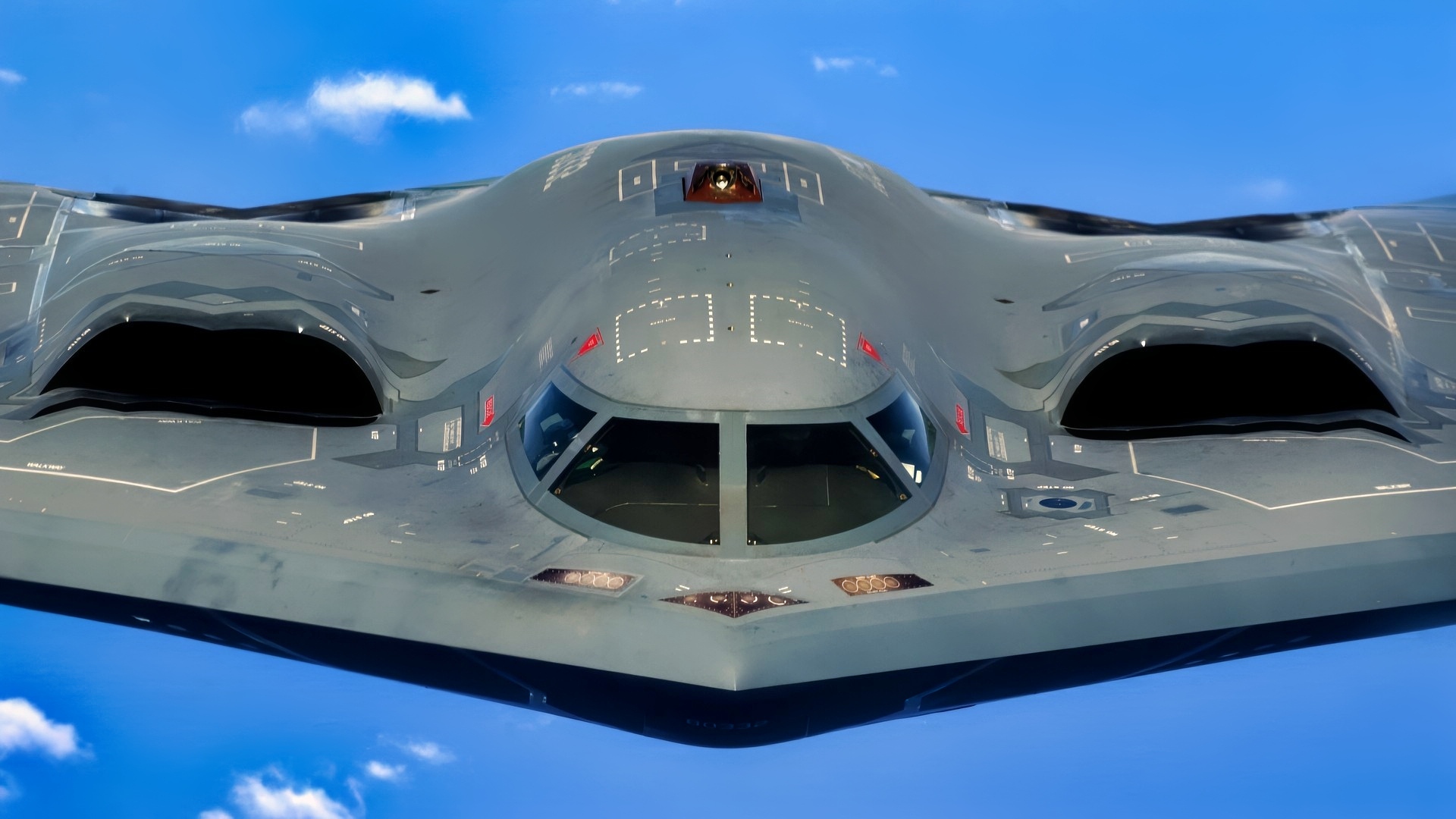
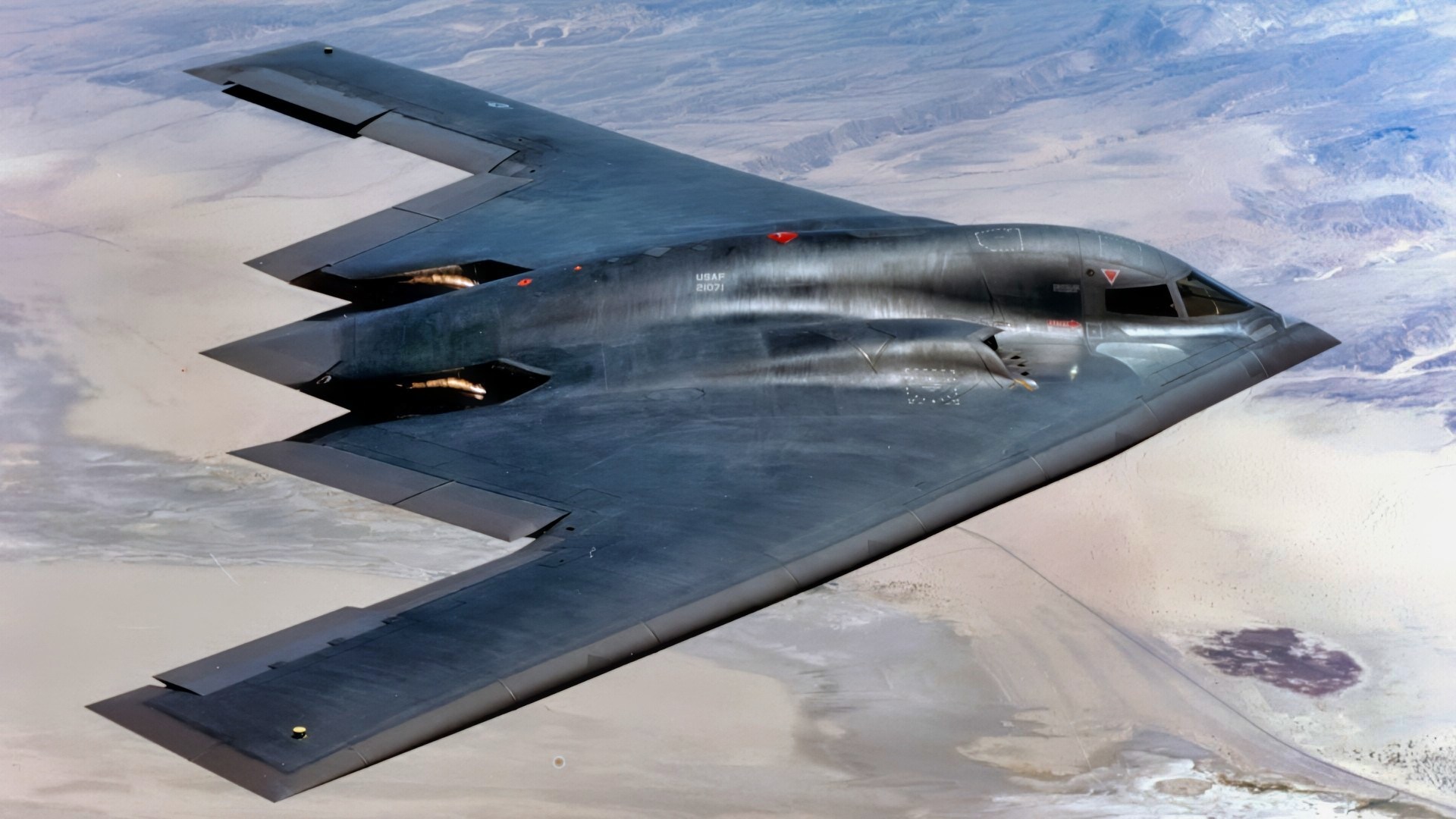
B-2A Spirit Stealth Bomber USAF Image.
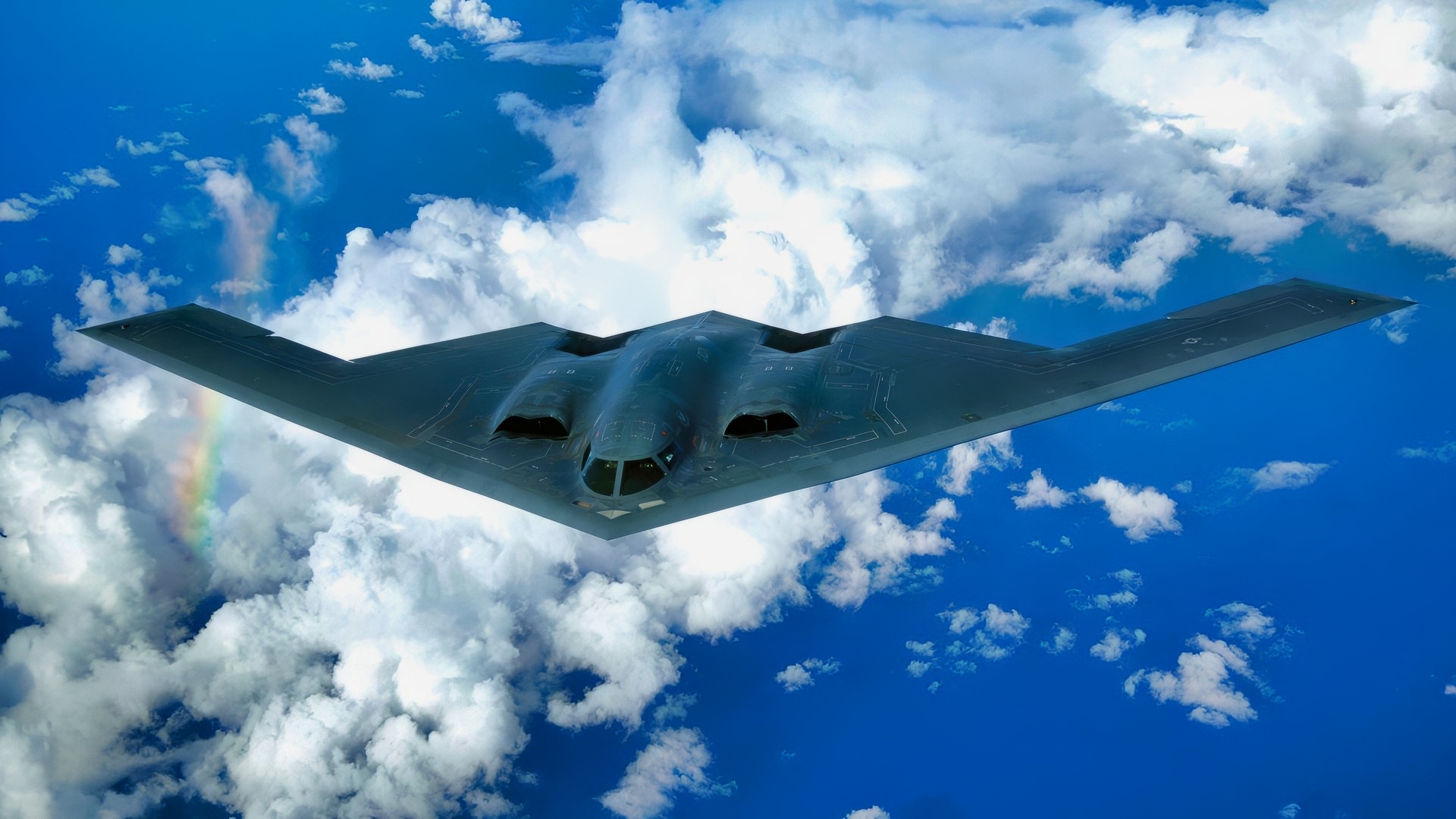
A B-2 Spirit soars after a refueling mission over the Pacific Ocean on Tuesday, May 30, 2006. The B-2, from the 509th Bomb Wing at Whiteman Air Force Base, Mo., is part of a continuous bomber presence in the Asia-Pacific region. (U.S. Air Force photo/Staff Sgt. Bennie J. Davis III)
It’s the first time U.S. officials have acknowledged the attack and associated injuries from the strike just over a fortnight ago.
Eight Injured in Iran Attack
The eight Marines were operating on a ship in the Strait of Hormuz when it was attacked by an Iranian anti-vessel cruise missile, according to NBC News.
While not seriously injured, the Marines suffered smoke inhalation and possible traumatic brain injuries, according to three U.S. officials.
Their symptoms matched those of concussion, including headaches.
Of the eight injured, seven were enlisted, and one was an officer. All returned to duty shortly after the strike.
The officials cited by NBC News said the marines were not on a U.S. Navy ship at the time of the attack. They declined to specify the type of ship, instead calling it a maritime vessel.
No Comment
The strike on Monday, 14th September, had not been reported previously, and the U.S. Department of Defense did not disclose any information about the attack.
When NBC News approached it for comment, the Defense Department referred questions to the U.S. Central Command (CENTCOM), which in turn declined to comment.
Throughout the seven months of war in the Middle East, Iran has claimed jurisdiction over passage through the Strait of Hormuz – a key waterway for exports from the Persian Gulf that Washington views as an international waterway.
Tensions have repeatedly flared in the region since military action was suspended by the U.S. and Israel earlier this year, with Iran attacking commercial shipping it claims to be breaching its regulations.
Although much of the fighting is on hold, the U.S. retains a large military presence in the region, with an estimated 50,000 troops in the CENTCOM area in addition to two carrier strike groups, the USS George Washington and the USS George H.W. Bush.
However, the attacks on Monday, the 14th, came during a relative period of calm, and just days before Iranian officials presented their U.S. counterparts with a proposal to end the war that would include the reopening of the Strait of Hormuz.
Casualty Reporting
There’s been much confusion over how casualties are reported by the U.S. over the course of the seven-month war.
Shortly after the memorandum of understanding between Washington and Tehran was signed in June, the Pentagon reclassified four troops as having been killed in “overseas operations” rather than in the conflict labeled Operation Epic Fury.
This brought the war’s official death toll down to 14, with five killed in “overseas operations” since February. 861 soldiers have been wounded, more than half of whom have not been listed under Operation Epic Fury.
Compared with other conflicts, casualties have been reported more slowly under the Pentagon’s Defense Casualty Analysis System (DCAS).
According to one official speaking to NBC News, the system is not updated in real time, and injuries are not always reported immediately.
The eight Marines injured in the Strait of Hormuz were added to DCAS on Wednesday, 23rd September, and were again listed as having been part of “overseas operations”.
Strait Remains Sticking Point
Iran continues to insist that the Strait of Hormuz remains closed.
The prolonged closure has had a drastic impact on oil prices, with much of the Gulf’s oil exports stranded in the Persian Gulf.
This has raised the cost of living worldwide, with diesel prices reaching record highs across the U.S.
The U.S. continues to enforce a naval blockade on Iranian ports as part of a wider strategy to cripple its enemy’s economy.
Tehran has previously said the Strait of Hormuz will be reopened subject to conditions including the lifting of the naval blockade – something U.S. officials have said can only be achieved once the strait is reopened. This has created a “chicken and egg” situation and a prolonged stalemate in the conflict.
President Donald Trump rejected an Iranian proposal to reopen the strait subject to conditions last week.
“I rejected their deal. They want to make a deal where they open the strait immediately because they’re losing so badly,” Trump told reporters at the White House last Friday.
About the Author: Shay Bottomley
Shay Bottomley is a British journalist. He has written for the Western Standard, Business Insider, Maidenhead Advertiser, Slough Express, Windsor Express, Berkshire Live and Southend Echo.