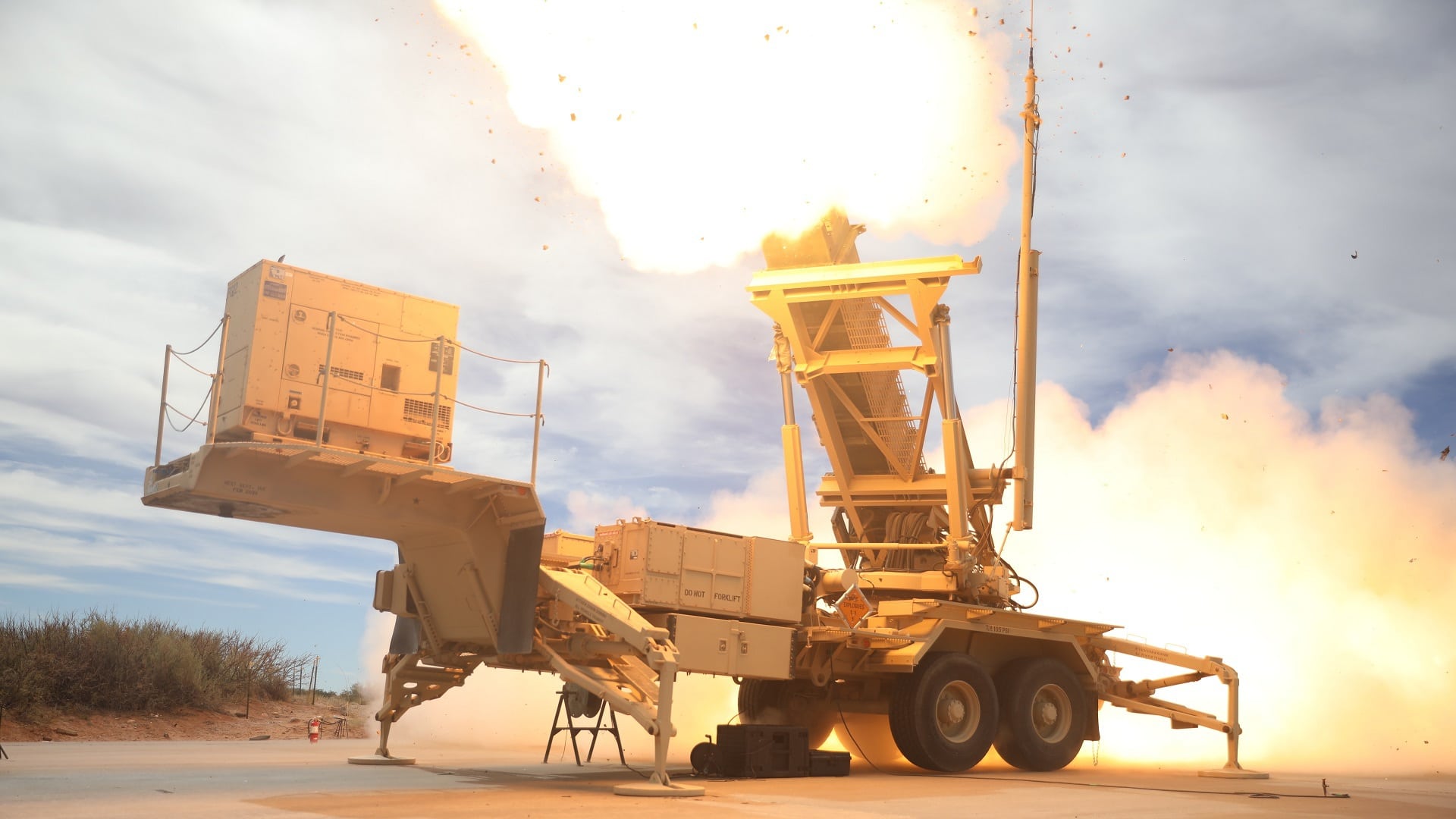
According to The New York Times, U.S. and Israeli military planners are preparing a new operation that would place substantially more pressure on the regime in Tehran after nearly eight months of war, even after Iran warns that it will begin targeting more Gulf-region military and political sites connected to the United States.
Among the potential targets being considered are Iranian oil and energy infrastructure, its nuclear sites, including the famed Pickaxe Mountain facility, ballistic missile production sites, and drone stockpiles. American and Israeli aircraft have also reportedly been conducting exercises over Iraq to rehearse various attack route options.
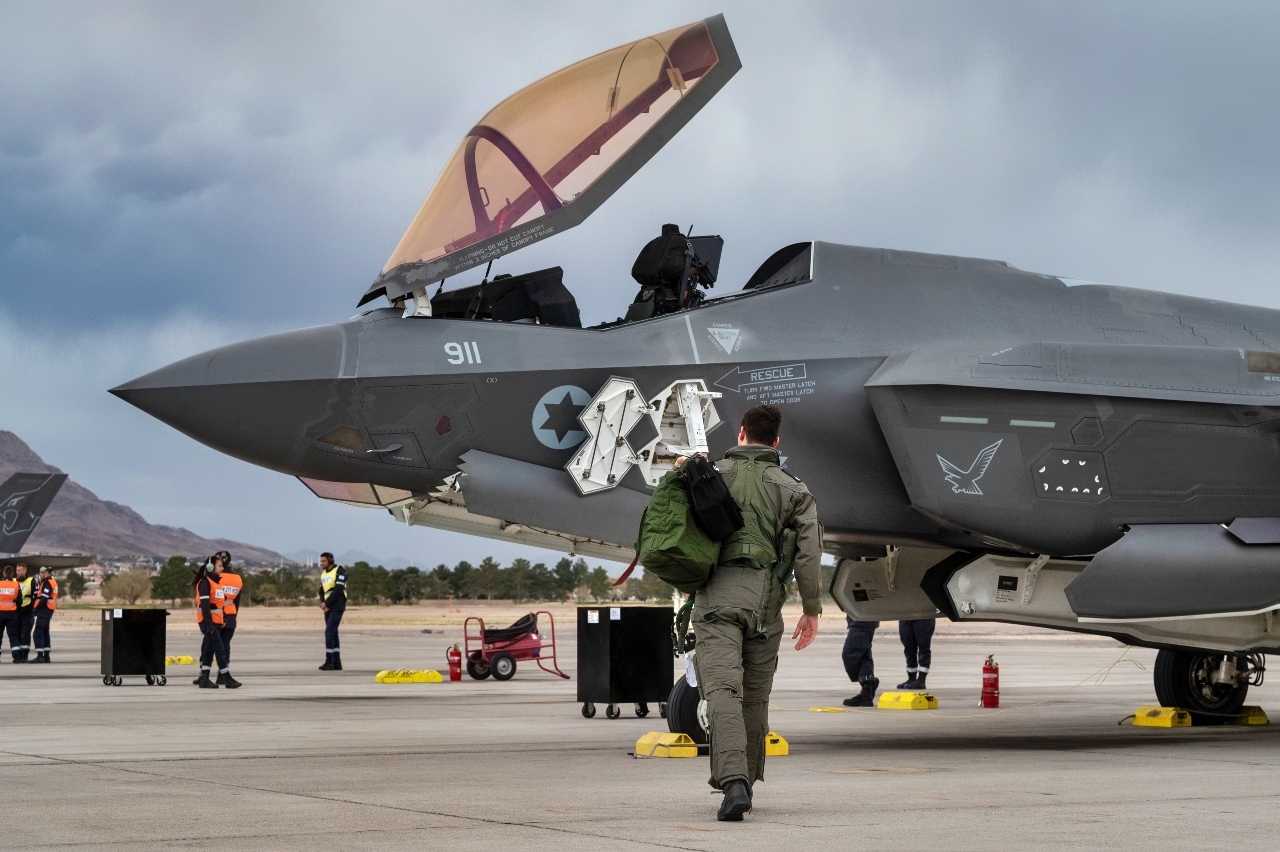
An Israeli Air Force pilot walks to an F-35I Adir prior to a Red Flag-Nellis 23-2 mission at Nellis Air Force Base, Nevada, March 15, 2023. Red Flag is an opportunity to build on the success of JUNIPER OAK 23-2, JUNIPER FALCON, and additional combined exercises to enhance interoperability with Israel, strengthen bilateral cooperation, and improve capabilities in ways that enhance and promote regional stability and reinforce the United States’ enduring commitment to Israel’s security. (U.S. Air Force photo by Airman 1st Class Trevor Bell)
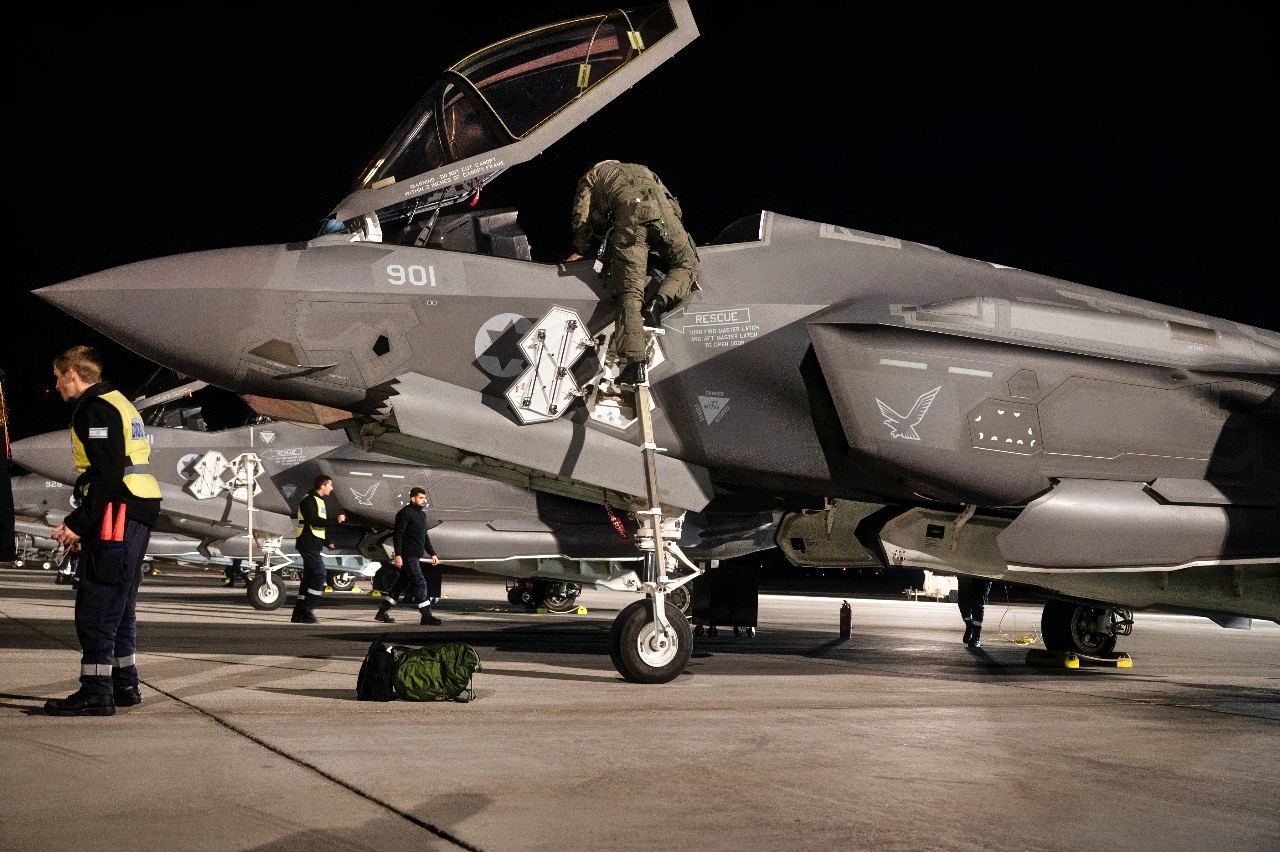
An Israeli Air Force pilot climbs into an F-35I Adir prior to a Red Flag-Nellis 23-2 mission at Nellis Air Force Base, Nevada, March 16, 2023. Red Flag is an opportunity to build on the success of JUNIPER OAK 23-2, JUNIPER FALCON, and additional combined exercises to enhance interoperability with Israel, strengthen bilateral cooperation, and improve capabilities in ways that enhance and promote regional stability and reinforce the United States’ enduring commitment to Israel’s security. (U.S. Air Force photo by Airman 1st Class Trevor Bell)
The United States looks to be preparing for another major round of strikes against Iran following the November 3 midterm elections, with new reports on Thursday, October 22, describing how American and Israeli military officials have developed plans for a short and intensive campaign targeting Iranian nuclear facilities, weapons stockpiles, energy infrastructure, and other targets.
The reports come as Washington orders all non-essential diplomatic personnel to leave Saudi Arabia as Houthi forces escalate their attacks.
The New York Times describes how U.S. and Israeli forces are stepping up their preparations for a major military campaign, including conducting exercises over Iraq.
An NPR report also described how American forces are positioning themselves to launch new strikes in early November—though the military buildup could just as easily be interpreted as a pressure campaign to force Tehran to make concessions before the strikes.
U.S. and Israel Prepare New Offensive
According to The New York Times, U.S. and Israeli military planners are preparing a new operation that would place substantially more pressure on the regime in Tehran after nearly eight months of war, even after Iran warns that it will begin targeting more Gulf-region military and political sites connected to the United States.
Among the potential targets being considered are Iranian oil and energy infrastructure, its nuclear sites including the famed Pickaxe Mountain facility, ballistic missile production sites, and drone stockpiles. American and Israeli aircraft have also reportedly been conducting exercises over Iraq to rehearse various attack route options.
U.S. Defense Secretary Pete Hegseth also reportedly traveled to Israel earlier in the week for a surprise meeting with Prime Minister Benjamin Netanyahu, with reports describing their meeting as focused on options for a renewed strike campaign.
Do Washington and Jerusalem Agree?
Some reports have also suggested that Washington and Israel disagree over the potential targets in a renewed campaign.
Speaking to Israel’s Channel 14, Defense Minister Israel Katz said that Washington had already stood in the way of planned Israeli strikes against Iranian energy facilities over concerns about the economic consequences of such an attack.
“We very much want to strike Iran’s energy targets.
The United States is not approving it at the moment because of the concern that Iran would attack neighboring countries, causing a global oil crisis,” Katz said. “As far as we’re concerned, we’re prepared to set (Iran) back 40 years.”
President Donald Trump, meanwhile, has been publicly discussing the possibility of striking Iran’s nuclear facilities – including the Pickaxe Mountain site buried deep beneath rock.
During an interview on Newsmax on October 15, the president specifically identified the site as a potential target and said that he believes American forces can destroy the heavily fortified complex using conventional weapons.
“Their nuclear is buried under millions of tons of mountain. Now we’re looking at Pickaxe Mountain. We may have to go there,” Trump said. “We’ll take a shot at that one. We’ll knock it out fast.”
U.S. Orders Diplomats Out of Saudi Arabia
The military preparations come as Washington begins the process of withdrawing diplomatic personnel from Saudi Arabia following several attacks by the Iranian-backed Houthi forces.
On Wednesday, State Department spokesman Tommy Pigott said that the evacuation order applies to non-emergency employees and their families and blamed escalating attacks on civilian infrastructure for the decision.
Four U.S. officials also told Reuters that the U.S. will withdraw family members from several other diplomatic missions throughout the Gulf region.
The announcements follow an attack on King Fahd International Airport in Dammam on October 21. The strikes killed at least one person and injured eight other people.
There was also a drone attack on Saudi Aramco’s Shaybah oil field that killed two people, although Saudi authorities say that the facility is still operational.
The U.S. Embassy in Riyadh also issued a security warning about likely additional attacks.
Iran Threatens Wider War
As the U.S. prepares to resume military strikes, Iran is threatening to expand its own military operations pre-emptively, warning that continued U.S. efforts to move commercial ships through the Strait of Hormuz would result in new strikes on U.S.-connected targets throughout the Gulf.
On Thursday, October 22, Iran’s Islamic Revolutionary Guard Corps (IRGC) issued a warning to Washington in which it threatened to attack American military bases across the Middle East if U.S. forces continue to escort commercial vessels through the Strait of Hormuz.
The warning follows weeks of major successes for the U.S.-organized protected convoy system, which has raised Middle Eastern oil exports above pre-war levels since the end of September.
“The US military must know that if this trend continues, the conflict will extend to its bases in the region,” the IRGC statement reads. “This is a serious warning.”
About the Author: Jack Buckby
Jack Buckby is a British researcher and analyst specializing in defense and national security, based in New York. His work focuses on military capability, procurement, and strategic competition, and he produces and edits analysis for policy and defense audiences. He brings extensive editorial experience, with a career output spanning over 1,000 articles at National Security Journal, and has previously authored books and papers on extremism and deradicalization.