Summary and Key Points: In the early days of the invasion, Ukrainian soldiers were dropping grenades through tank hatches using drones anyone could buy online. Four years later, the country builds them by the millions — and they now carry out the overwhelming majority of every successful strike against Russian forces. The transformation has rewritten the rules of the war: cheap, swarming drones now do the work once reserved for artillery, attack helicopters, and Western missiles that Ukraine could never get enough of.
How Millions Of Ukrainian Drones Have Changed the War
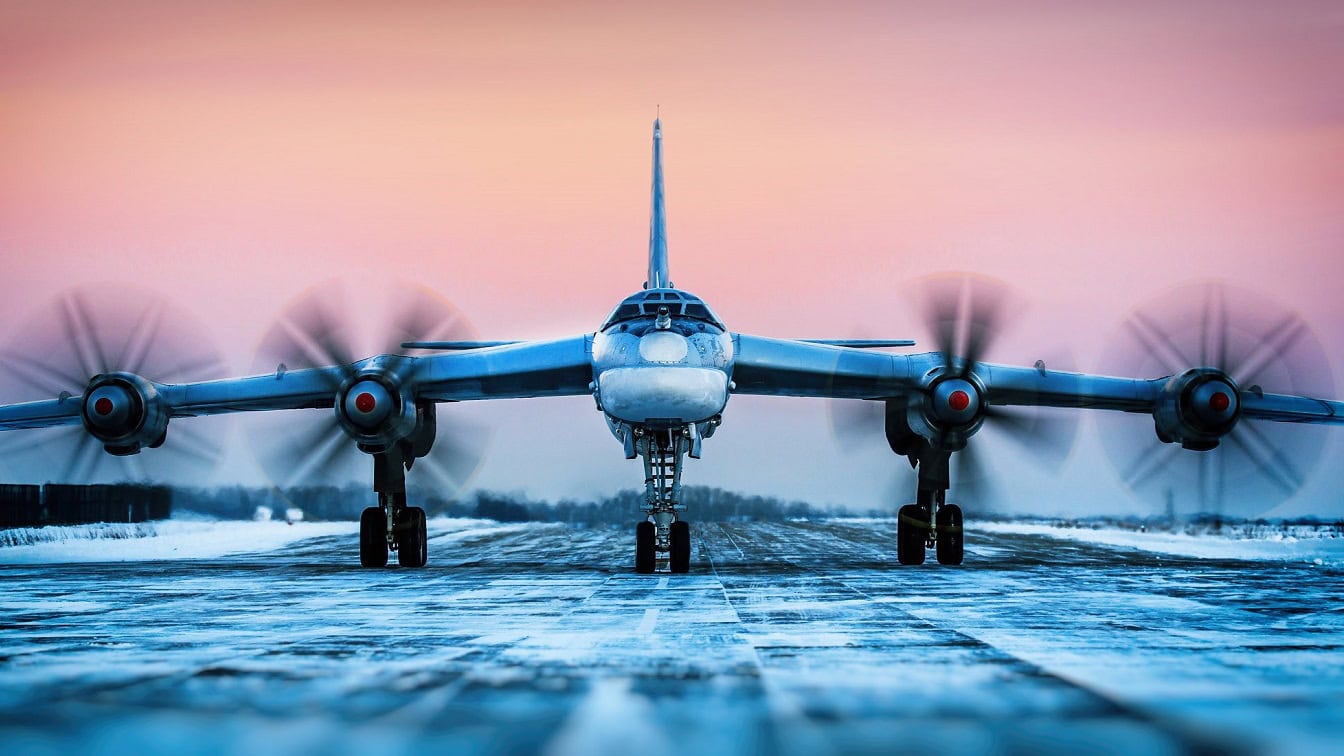
Tu-95. Image Credit: Creative Commons.
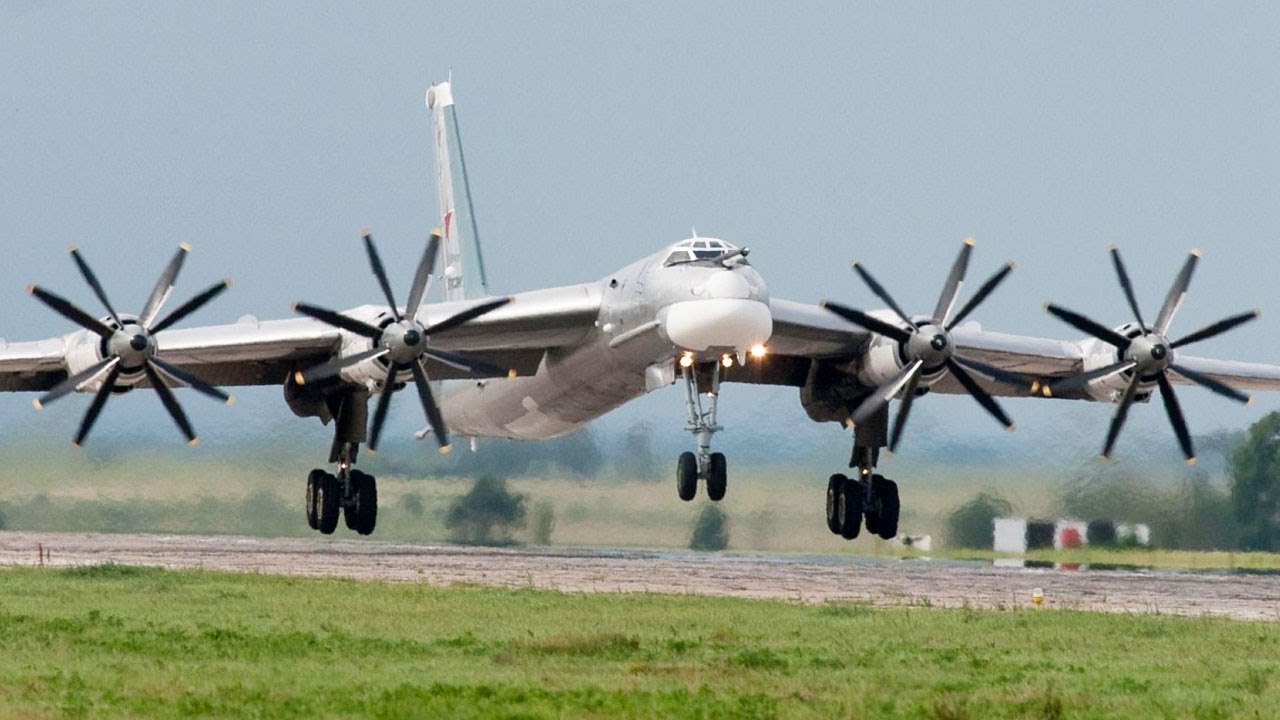
Tu-95 Bomber Russian Air Force. Image Credit: Creative Commons.
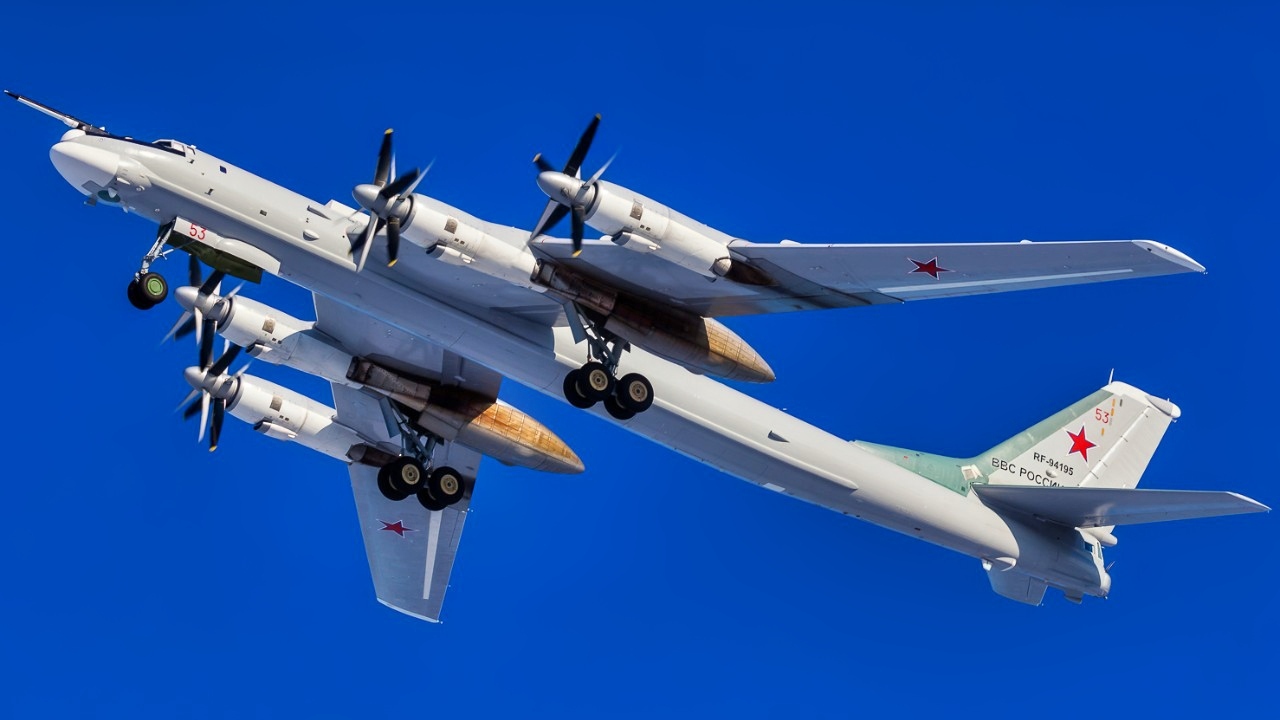
Tu-95 Bear Bomber. Image Credit: Creative Commons.
Ukraine’s Operation Spider’s Web, which was launched on June 1 last year, was arguably the biggest turning point in the war. The operation involved 117 drones targeting Russian strategic aviation assets deep inside Russian territory.
The drones were smuggled over the border and conducted hugely damaging strikes that the Russians didn’t expect. The operation damaged or destroyed multiple high-value aircraft used by Moscow to launch long-range missile attacks against Ukraine – and it proved that Ukraine was capable of fighting back without the use of expensive, Western-supplied missiles.
It also proved just how central drones have become to Kyiv’s war effort. President Volodymyr Zelenskyy recently said that more than 80 percent of successful strikes against Russian forces are now carried out using drones – and four years into the war, Ukraine is producing these unmanned aircraft on an industrial scale.
Drones have changed the war, and could change the course of history.
Ukraine Is Producing Drones On An Industrial Scale
During the early days of the conflict, a small number of commercial drones – typically Chinese-made DJI products – were used to attack tanks on the battlefield.
The drones were often used to drop munitions like grenades into open hatches. However, the drones soon became harder to obtain, and a combination of private manufacturers and volunteer initiatives sought to fill the gap – and develop new drones that were better suited to the war.
Around 1,000 Ukrainian defense manufacturers are now producing weapons and military equipment for Ukraine, many of which were founded after the war began.
The Ukrainian government has made drone production a national priority, directing significant resources toward the development and procurement of drones that make striking Russian targets easier and less expensive.
Production has expanded so much that it is now measured in millions of units annually rather than thousands, with analysts estimating that Ukraine produces between 1.2 and 1.8 million drones per year. Reports also indicate that the Ukrainian defense industry could soon reach 20 million drones annually.
Where Ukraine’s Drones Come From
While much of Ukraine’s drone fleet is now produced domestically, the country does receive international support. Kyiv is expanding cooperation with a number of foreign partners, with Zelenskyy announcing recently that a joint German-Ukrainian production program will provide 10,000 drones to Ukrainian forces per year.
In recent days, Zelenskyy also urged the United States to come to the table and finish a drone deal. The Ukrainian president said that the U.S. wanted to “test all types of our drones” and that there was an agreement in place whereby the U.S. would test and train with Ukrainian systems.
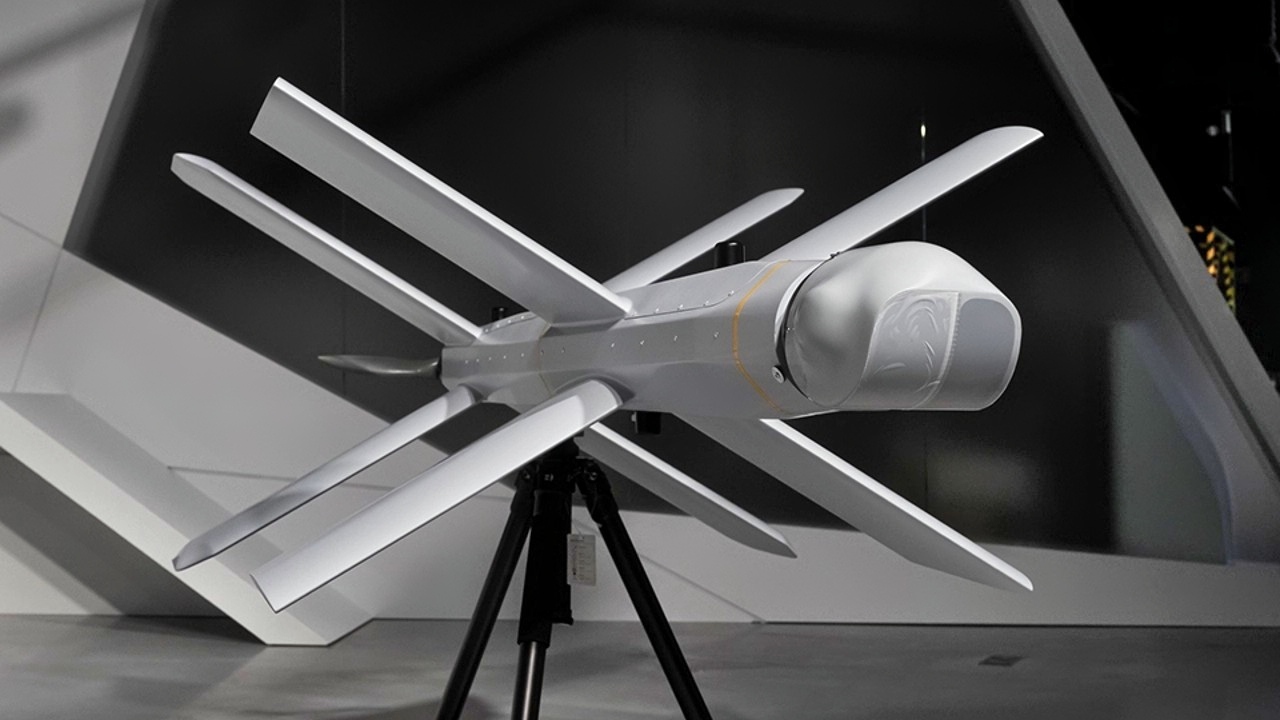
Lancet Drone from Russia. Image Credit: Creative Commons.
“But we still don’t have a bilateral drone deal – a big framework document,” he said.
The Drones Ukraine Uses
Ukraine doesn’t rely on a single type of drone – and it uses far more than simply fixed-wing or rotary-blade drones. Instead, Ukrainian forces field a diverse family of unmanned systems from different manufacturers, each with distinct capabilities.
During a recent presentation marking Arms Makers’ Day, Zelensky showcased 31 different drone systems. These included FPV attack drones, reconnaissance drones, bomber drones, kamikaze drones, interceptor drones, long-range strike drones, and unmanned naval systems.
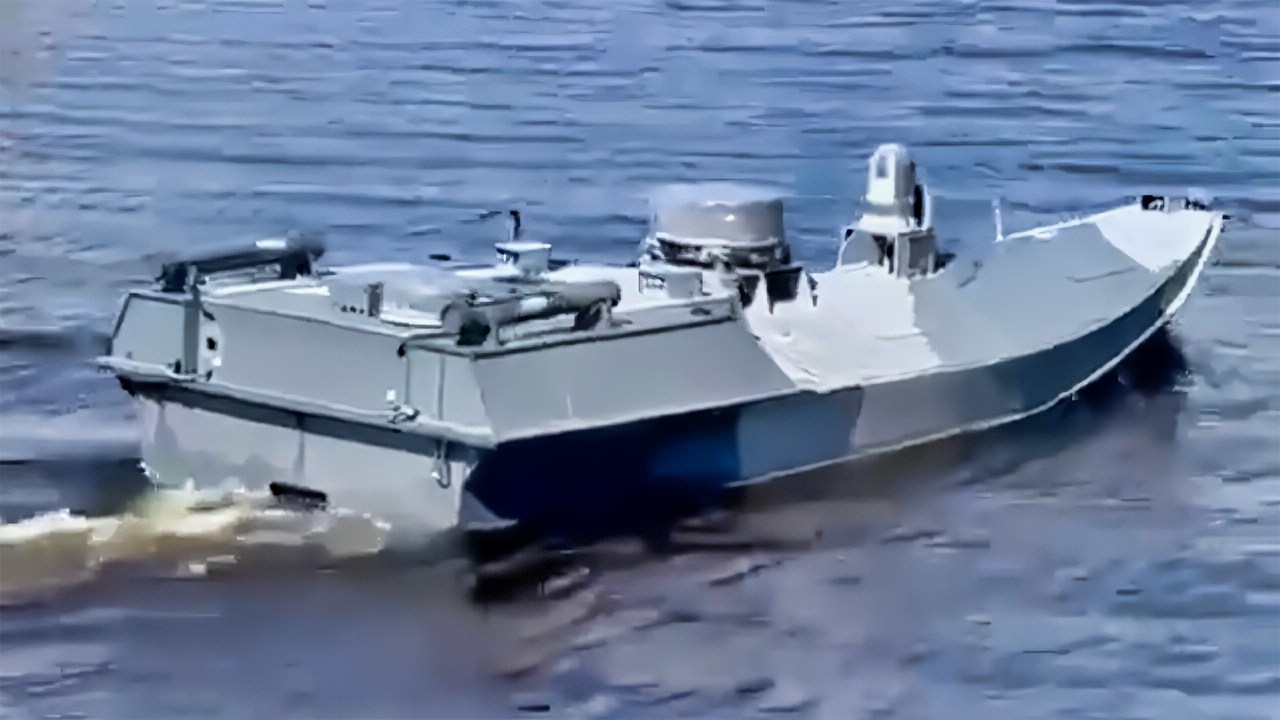
Sea Baby Drone Ukraine. Image Credit: Creative Commons.
FPV, or “first-person view,” drones are among the most commonly used. They are equipped with explosive warheads and are flown directly into tanks and other targets.
Bomber drones, however, carry and release mortar rounds and grenades from above. A long-range strike drone works differently and is used against larger targets. These systems carry substantially larger warheads, are designed to damage airfields and fuel depots, and can even be used against high-value targets such as military factories and ammunition storage facilities. Some of the newest systems being fielded by Ukraine are reportedly capable of striking targets from thousands of kilometers away.
It means that today’s battlefield is dominated by drones, whereas in the early days of the war, battles were won with traditional means like tank formations and missiles. Artillery and attack helicopters are being replaced by inexpensive drone systems manufactured in their millions.
Ukraine’s Recent Strikes
Over the past week, Ukrainian drones have conducted some of their biggest strikes of the war. On May 31, Ukrainian forces struck a Saratov oil refinery on the Volga River, some 700 kilometers from the frontline.
The strikes resulted in a major fire. The same wave of attacks also hit the Lazarevo oil pumping station in Kirov Oblast. The facility is part of the pipeline network that moves Siberian crude oil toward Baltic export terminals.
Just days later, on June 3, Ukrainian long-range drones struck an oil terminal and naval facilities in St. Petersburg. President Volodymyr Zelenskyy confirmed that Ukrainian drones targeted a fuel terminal and military facilities at Kronstadt, home to elements of Russia’s Baltic Fleet and major shipbuilding infrastructure.
The strikes caused damage to multiple facilities, and people were reportedly injured. They also came only hours before the St. Petersburg International Economic Forum was due to begin.
About the Author: Jack Buckby
Jack Buckby is a British researcher and analyst specializing in defense and national security, based in New York. His work focuses on military capability, procurement, and strategic competition, producing and editing analysis for policy and defense audiences. He brings extensive editorial experience, with a career output spanning over 1,000 articles at 19FortyFive and National Security Journal, and has previously authored books and papers on extremism and deradicalization.