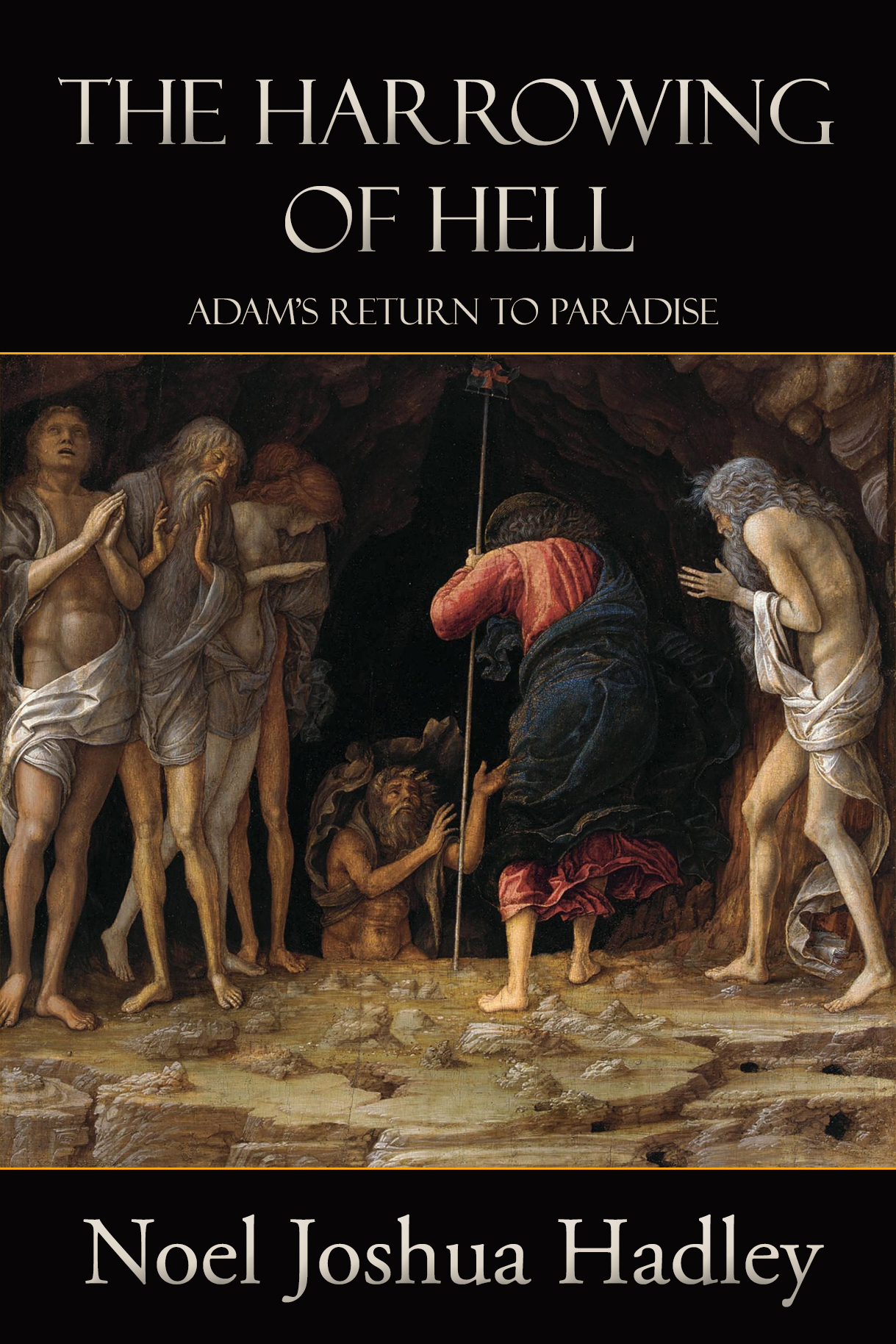
The following article is taken from The Harrowing of Hell, which is available in the TUC Store.
THE HARROWING IN THE WRITINGS OF PETER
[UPDATE 7/29/26: OBJECTIONS! Because the certified card carrying “Nuh-uh!” people never show up to the party without them! The Harrowing of Hell is sometimes rejected based upon the very passage where it can be located in canon. You know which text I’m speaking of but let’s give it a read anyhow.
18 For the Messiah himself died for sins, once and for all, a righteous person on behalf of unrighteous people, so that he might bring you to God. He was put to death in the flesh but brought to life by the Spirit; 19 and in this form he went and made a proclamation to the imprisoned spirits, 20 to those who were disobedient long ago, in the days of Noach, when God waited patiently during the building of the ark, in which a few people — to be specific, eight — were delivered by means of water.
1 Peter 3:18-20
Some Bible commentators insist YASHA’UA visited Sheol after his resurrection on the basis that Peter says he was already brought to life by the Spirit. Not a problem. In my Resurrection and Rome investigation, it was explained by way of The Gospel of Philip that a person must be born again first before he dies, not afterwards. That’s just commentary on John 3 anyways. And at any rate, most commentators agree Christ’s visitation to Sheol happened in-between his burial and resurrection, which is precisely when the Harrowing of Hell happened.
Peter doesn’t say he emptied hell though. If we’re being honest, which is always a good policy, Peter says he preached to the imprisoned spirits. Technically, every dead soul is imprisoned in Sheol. In this context, however, it is the disobedient spirits from the days of Noah which concerns Messiah. That’s a Genesis 6 and Enoch 6 reference right there. YASHA’UA was letting the Watchers know they’d screwed up royally, as well as the true Mysteries of heaven that they missed out upon. So I guess The Rock wasn’t talking about The Harrowing then. Bummer. Let’s see if it shows up elsewhere in the writings accredited to him.
35 But in the night in which Adonai’s day dawned, when the soldiers were safeguarding it two by two in every watch, there was a loud voice in heaven; 36 and they saw that the heavens were opened and that two males who had much radiance had come down from there and come near the sepulcher. 37 But that stone which had been thrust against the door, having rolled by itself, went a distance off the side; and the sepulcher opened, and both the young men entered. 38 And so those soldiers, having seen, awakened the centurion and the elders (for they too were present, safeguarding). 39 And while they were relating what they had seen, again they see three males who have come out from thy sepulcher, with the two supporting the other one, and a cross following them, 40 and the head of the two reaching unto heaven, but that of the one being led out by a hand by them going beyond the heavens. 41 And they were hearing a voice from the heavens saying, ‘Have you made proclamation to the fallen-asleep?’ 42 And an obeisance was heard from the cross, ‘Yes.’
The Gospel of Peter 35-42
If it is a treatise on The Gospel of Peter that you’re after, then might I suggest Besora Kepha: The Gospel of Peter. It’s over 300 pages of line-for-line commentary written by moi. In this passage, a voice from heaven, likely the Bath Kol, aka Wisdom, the feminine Ruach HaQodesh, asks YASHA’UA if he made proclamation to the fallen-asleep. Those aren’t the Watchers. So now the entire emphasis has changed. He has appeared to the many dead souls throughout His-Story rather than simply a few.
But what is the proclamation? We are told of a proclamation to various spirits of the underworld in both 1 Peter and The Gospel of Peter. Depending upon the audience, the context may change. There is no indication in The Gospel of Peter that the proclamation is anything other than his resurrection from the dead though. Let’s keep looking.
27 For to that end went I down unto the place of Lazarus, and preached unto the righteous and the prophets, that they might come out of the rest which is below and come up into that which is above; and I poured out upon them with my right hand the water of life and forgiveness and salvation from all evil, as I have done unto you and unto them that believe on me. But if any man believe on me and do not my commandments, although he have confessed my name, he has no profit therefrom but runs a vain race: for such will find themselves in perdition and destruction, because they have despised my commandments.
Epistle of the Apostles
Ah-ha! New information! Added context! I love it. Everyone who keeps telling me that the parable of Lazarus is nothing more than a metaphor for one unexplained thing or another and not to be taken literally has now been informed. YASHA’UA descended to the very place where Lazarus was resting. Not a metaphor. So now we are finally given definition for his proclamation. He preached to the righteous and the prophets in order that they might come out of the rest which is below and come up into that which is above. Any questions?
If YASHA’UA made a proclamation to the disobedient spirits from long ago, it was probably to let them know why the Mysteries of heaven which they unleashed upon humanity were worthless after all.]