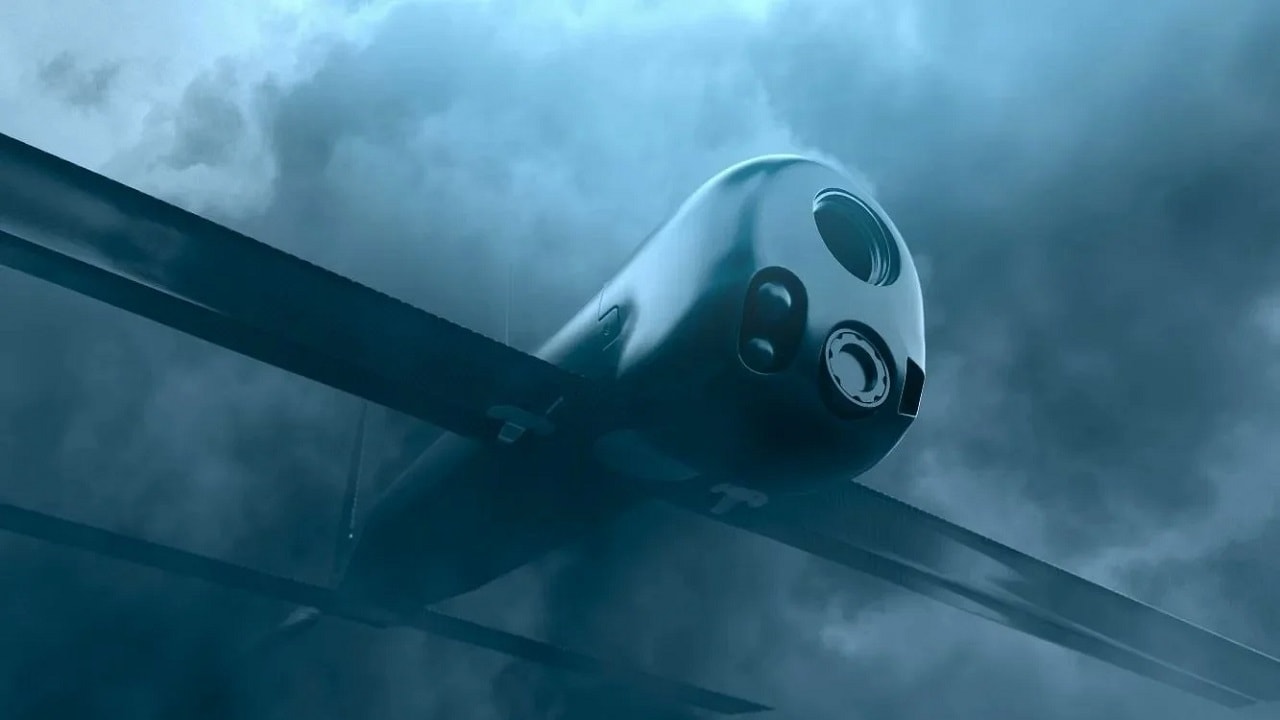
Pompano Beach, Florida – Denys Shtilyerman is the chief designer at the Ukrainian drone firm Fire Point, which designs and produces the famous FP-1 attack drone. This is the same drone that has just hit one of Russia’s largest refineries in the Tyumen region of Siberia. Serious destruction to the site was evident in satellite images of the attack’s aftermath, several of which were published on the Telegram channel Dnipro Osint.
The Fire Point executive later told press outlets how surprised he was at the number of his company’s drones that were getting past Russian air defense units as he watched video footage of them in another recent attack. These were the strikes by the FP-1 on a Gazprom-owned oil refinery located on the edge of Moscow, from ten days ago
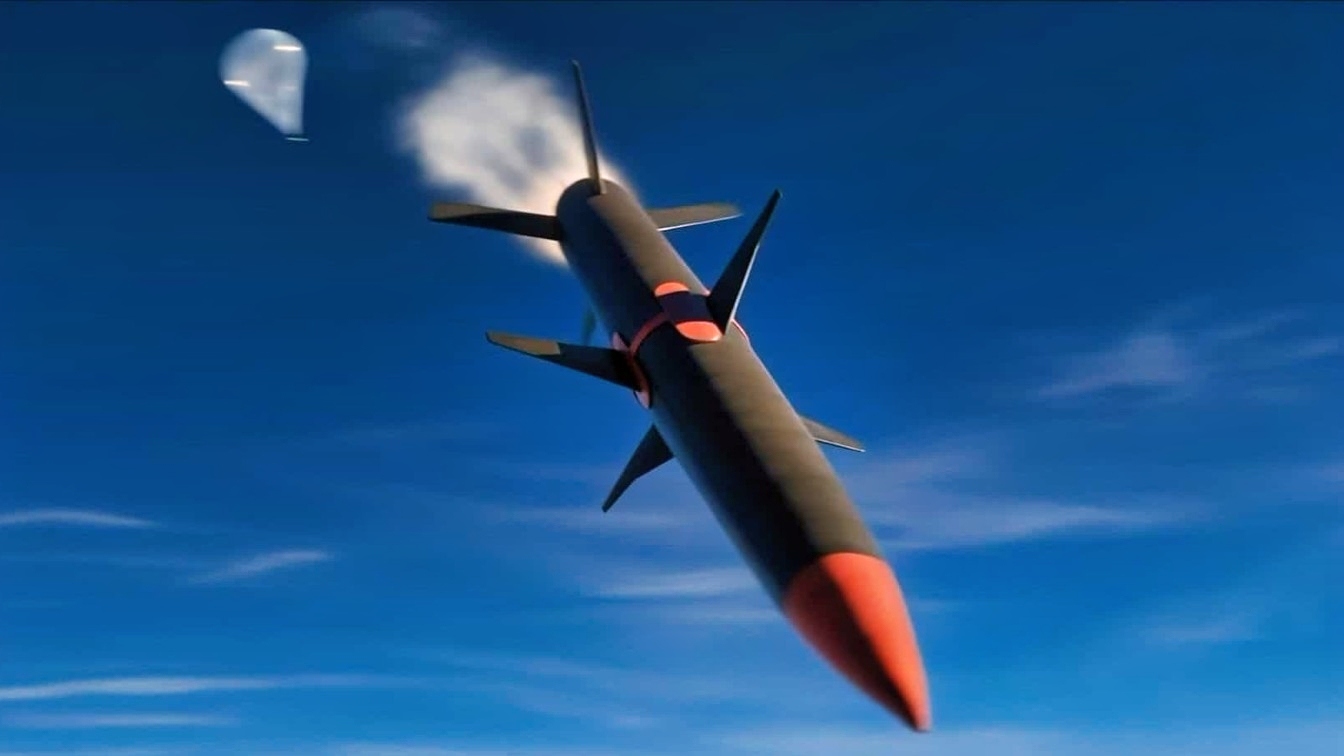
Ukraine DART Weapon Image Credit Ukraine Military
“We just used a big bunch of drones, and they overwhelmed the Russian air-defense systems,” he said, explaining how Ukraine has managed to cause so much damage to Russia’s oil industry in recent months. The plumes of black smoke billowing into the sky over the Russian capital were testament to the fact that Russia’s military is progressively less successful in defending these strategic sites.
Reaction and performance by air defense crews at the Moscow refinery and other sites have been criticized as lacking not only professionalism but also, most likely, the product of poor or even non-existent training.
Video of air defense units at some of the targets hit by Ukraine has shown soldiers haphazardly shooting at Ukrainian drones from the ground with Man-Portable Air Defense Systems.
Poor Performance and Running Out Of Missiles
The now-famous incident of the giant Russian oil tank at the Moscow refinery exploding and propelling its lid into the sky like a flying saucer is an example. That giant reservoir tank was not hit by a Ukrainian drone but by one of Russia’s own air defense missiles that fell short of its target.
The Ground personnel who have been seen almost comically shooting at drones with assault rifles have been derided as “attempting an imitation of a Taliban wedding” by some defense correspondents viewing other footage.
But now there is an additional problem facing Russian air defense crews: they are running out of missiles.
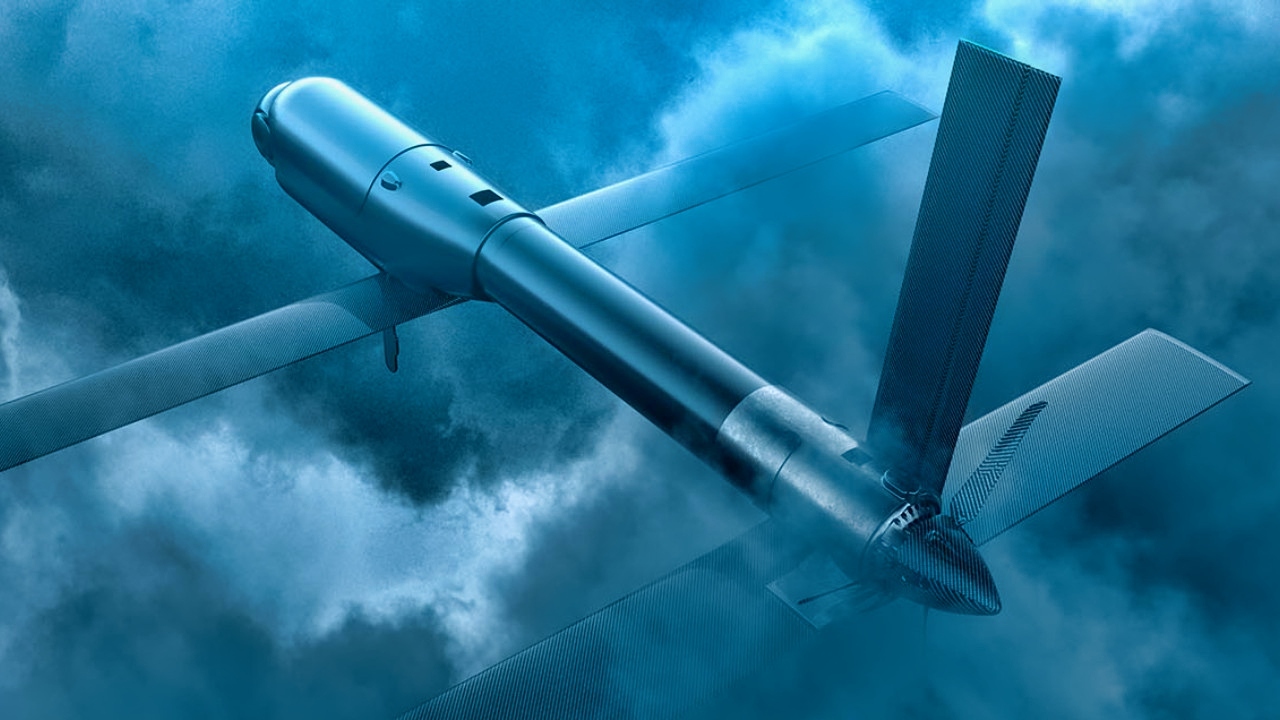
Switchblade Drone. Image Credit: Industry Handout.
Russian air defense units, after being hit with one wave of Ukrainian long-range drones after another, are running low on ammunition.
Speaking with an aerospace expert in Moscow familiar with the Russian firm that produces some of these missiles, he reports that the system suffering from shortages more than any other is the 57E6-E command-guided surface-to-air missile for the Pantsir S1 short-range air defense (SHORAD) units.
These missile shortages have become so acute that the Telegram Channel Russian Z-blogger posted an urgent plea that read “A specific request to the Ministry of Defence from the Sevastopol Air Defence Command: GIVE US MISSILES FOR TURTLES [Tor/Pantsir air defense systems]! We can see the targets and technically have the capability to hit them, but we’ve got nothing to do it with!!!”
Rapidly Escalating Fuel Crisis
In Russia, the impact of these Ukrainian missile and drone strikes on Russia’s oil and other energy infrastructure has inflicted significant damage on refineries, oil port terminals, and storage units in locations from Moscow to the Black Sea. This has created an escalating fuel crisis for the populations in dozens of regions.
Queues stretch for miles as people hope to fill up at one of the few petrol stations still operating. Fuel rationing has become widespread. This is due not just to the capacity of Refineries damaged by these drone strikes. Fuel trucks ferrying in petrol are constantly being hit and destroyed by drone strikes.
Drivers in the illegally annexed Ukrainian peninsula of Crimea are banned from filling their tanks. Priority access to petrol is instead given to military vehicles.
The increase in the number of attacks on these sites by Ukraine striking Russia – and demonstrating the incapacity of Russia’s air defenses – was noted by The Wall Street Journal on 25 June. The problem for Russia’s air defenders, said one Moscow-based defense analyst, is that it is not just that Ukraine is outproducing Russia in the sheer numbers of drones it produces; it is also a question of their sophistication.
Ukraine is also producing more technologically advanced drones this year. According to Shtilyerman, these will soon be supplemented with domestically produced cruise missiles. and inflicting growing damage deep inside Russia, the report said.
The company will also soon test a new ballistic missile, the FP-9, which should complete validation of its design by the end of Summer 2026. Once in inventory, it will pose new major problems for Moscow, as there are far fewer opportunities to intercept it given the weapon’s projected performance.
The company already carried out flight tests of a predecessor model, the FP-7, in February to gauge the potential performance of the yet-untested missile. The test video from the FP-7 launch shows the rocket performing course corrections, indicating the ability to control the flight to hit a maneuvering target.
About the Author: Reuben F. Johnson
Reuben F. Johnson has thirty-six years of experience analyzing and reporting on foreign weapons systems, defense technologies, and international arms export policy. Johnson is the Director of Research at the Casimir Pulaski Foundation. He is also a survivor of the Russian invasion of Ukraine in February 2022. He worked for years in the American defense industry as a foreign technology analyst and later as a consultant for the U.S. Department of Defense, the Departments of the Navy and Air Force, and the governments of the United Kingdom and Australia. In 2022-2023, he won two awards in a row for his defense reporting. He holds a bachelor’s degree from DePauw University and a master’s degree from Miami University in Ohio, specializing in Soviet and Russian studies. He lives in Warsaw.