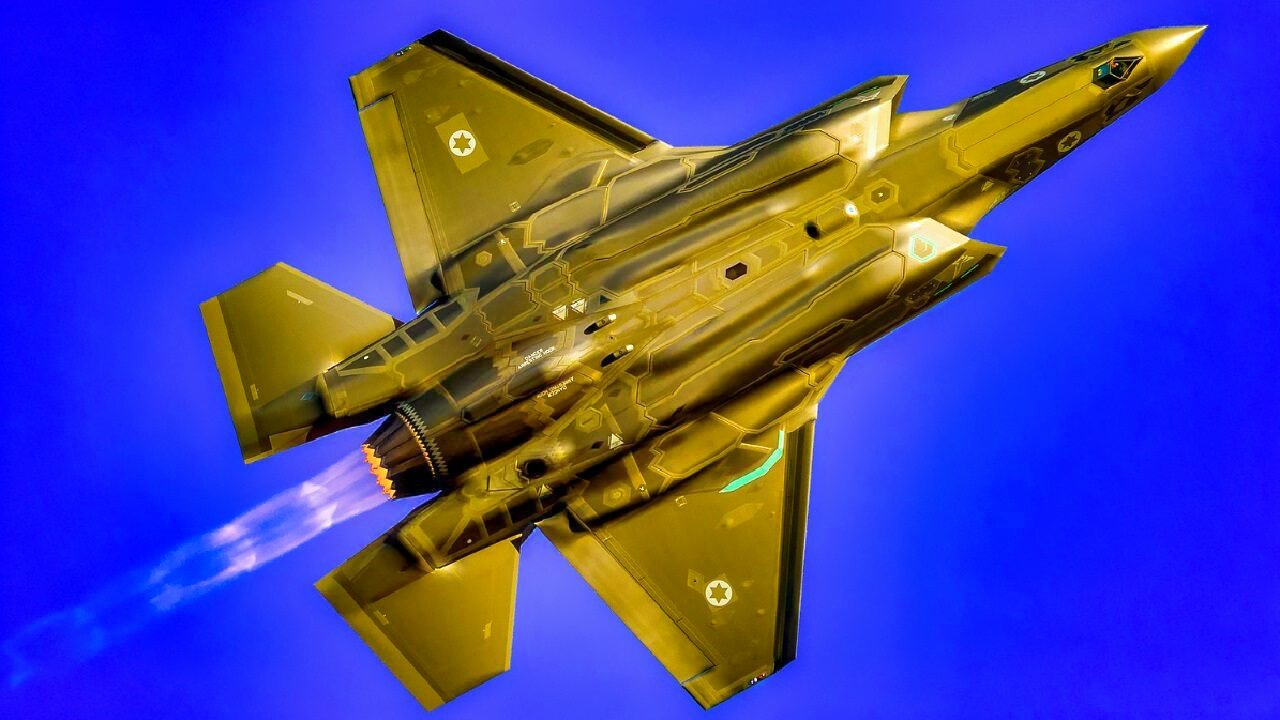
The bombing campaign in the current conflict with Iran never ended; it did, however, go quiet for a time. But that may soon heat up again.
According to the Financial Times, Prime Minister Benjamin Netanyahu ordered the Israel Defense Forces earlier this month to prepare for a renewed, large-scale bombing campaign against Iran.
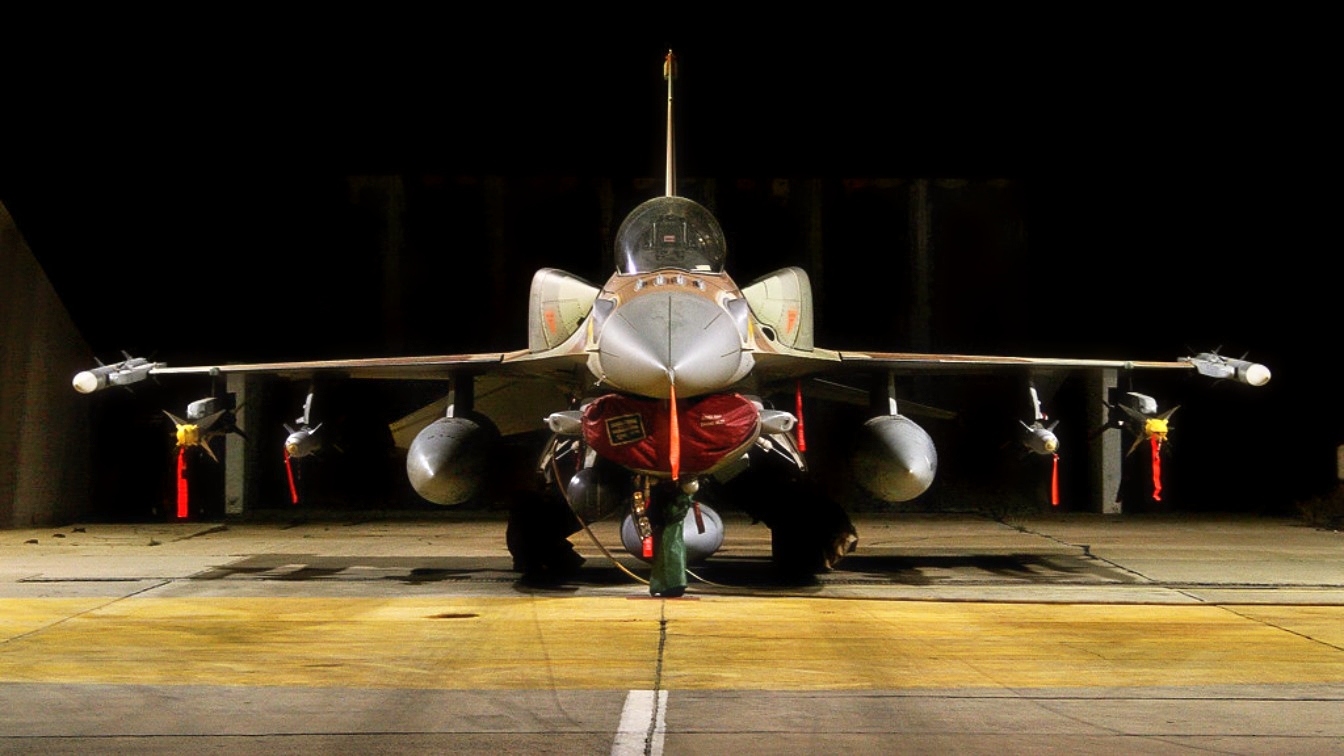
Israeli F-16 Fighter Jet IDF Flickr Photo
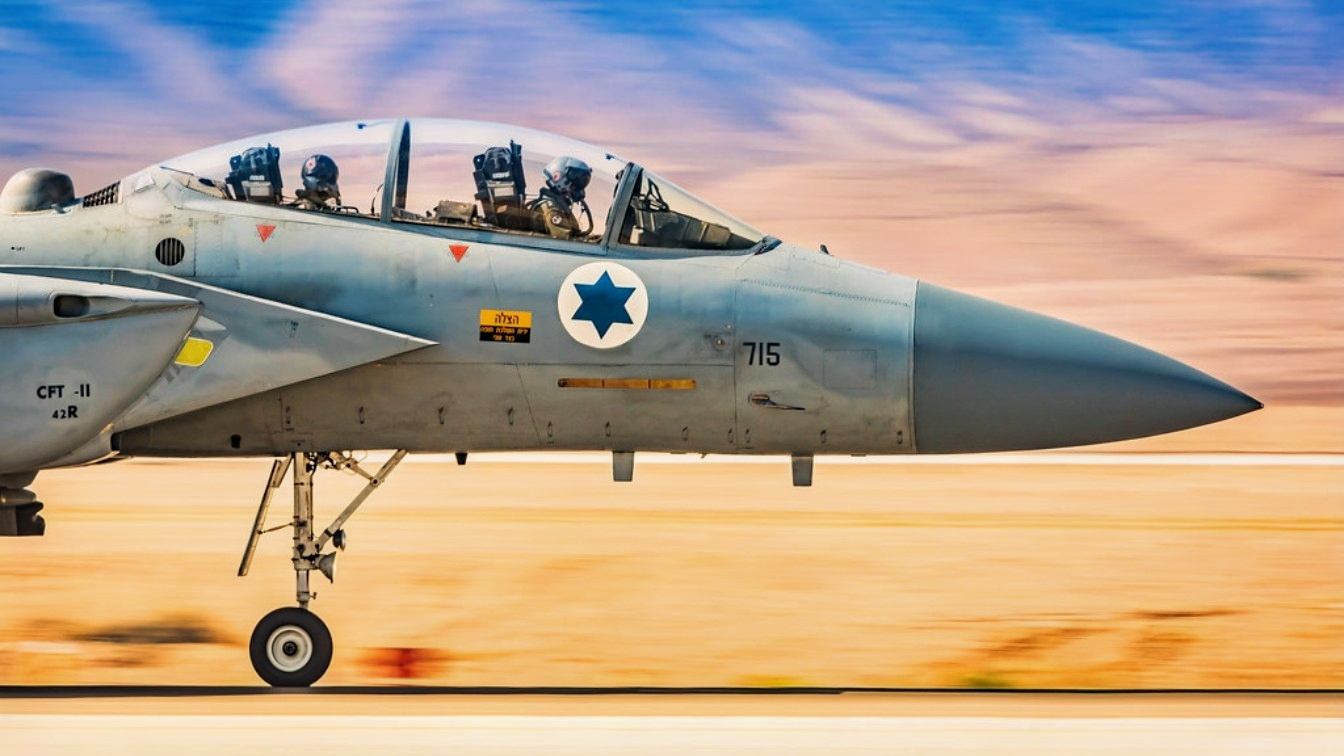
Israeli Air Force F-15I Image Credit IDF
The FT report cited three people familiar with the situation and said the IDF had a multi-day operation ready to resume bombing Iran for the weekend of October 10.
However, the operation was not launched.
According to the FT’s sources, the main reason was President Donald Trump.
He didn’t want to restart the fighting before the November 3 U.S. midterm elections.
Trump has publicly stated that the US will not renew any bombing against the Iranian regime until after the midterms.
The Operation Had A Larger Target List Than February
The plan called for a massive uptick in targets.
The FT reported, and was repeated by the Times of Israel, that the target list included Iranian nuclear facilities, sites tied to the regime and civilian infrastructure, including power plants.
Sources from inside the Israeli government said the strikes would have been more intense than the joint U.S.-Israeli air campaign that kicked off the conflict on February 28.
Israel has also reportedly built a new target bank using fresh intelligence, including infrastructure sites that weren’t hit in the earlier rounds.
It’s unclear whether U.S. forces would have joined the October strikes or whether Israel planned to go it alone.
The Israelis did expect an attack by Iran on the October 7 anniversary, and plans for a retaliatory strike may be what the story was about.
But neither Prime Minister Benjamin Netanyahu nor Defense Minister Israel Katz, nor any other government official, had told the IDF to prepare to attack, according to a report.
The Pentagon declined to comment.
The White House told the FT the U.S. would not attack Iran before the midterms, and Deputy Press Secretary Anna Kelly argued that Iran is already in dire economic and military shape and that the U.S. pressure campaign on Iranian ports and the Strait of Hormuz is working, Ynet reported.
However, nobody is ruling anything out.
One source told the FT that another round of strikes in the coming weeks, after both the U.S. and Israeli elections, is a realistic scenario.
Another summed it up in a single line: “There will either be a deal or an attack.”
Two Elections And A Closed Strait
The timing is everything here.
Israelis go to the polls on October 27, and Netanyahu is in a tough reelection campaign.
Americans vote a week later.
Trump said on October 9 that Washington wouldn’t hit Iran before the midterms.
Days earlier, IDF Chief of Staff Lt. Gen. Eyal Zamir reportedly warned his American counterparts that a strike in the coming weeks could force Israel to postpone its own election.
Netanyahu believes his strength lies in his wartime leadership, but he can’t postpone the election forever.
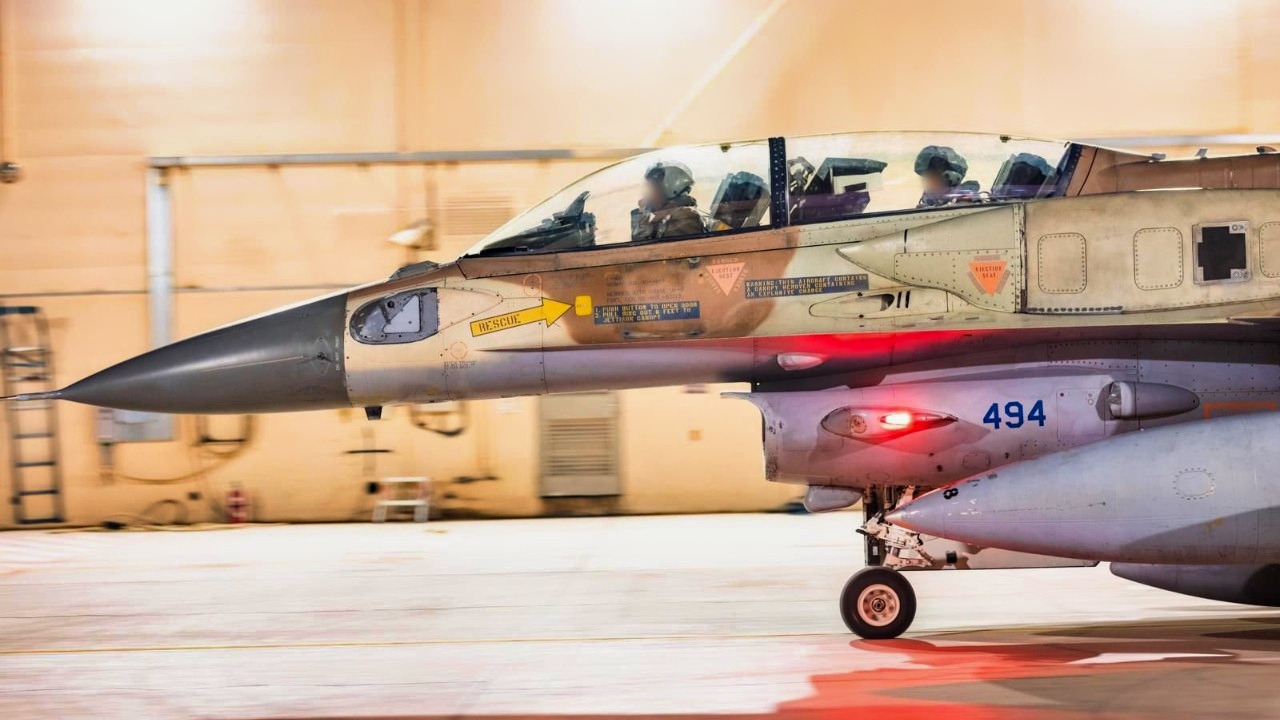
F-16 from Israel. Image Credit: Creative Commons.
Meanwhile, the diplomatic track is stuck with no end in sight. U.S.-Iran talks have largely stalled over the future of Iran’s nuclear program.
Washington wants it dismantled, and Vice President JD Vance has said Tehran must meaningfully cut its enrichment capacity.
Iran insists that it wants the U.S. blockade of its ports lifted, oil sanctions removed, and hostilities ended on all fronts before it reopens the Strait of Hormuz.
Foreign Minister Abbas Araghchi said this week that the strait stays closed until the U.S. accepts Iran’s terms.
And many of the hardline IRGC supporters have openly called for the resumption of uranium enrichment to build a nuclear weapon, as an earlier FT report noted.
Add to that an unannounced visit to Israel by Defense Secretary Pete Hegseth on October 19, where Israeli officials reportedly presented the updated target list.
A third U.S. aircraft carrier is reportedly headed to the region.
And the IDF has canceled soldiers’ leave through election day.
The Case For Hitting Iran Now
Netanyahu’s argument is straightforward. He said Wednesday that toppling Iran’s government is the only way to remove the threat, and he and Trump have both talked about needing to finish the job.
Iran has reportedly run ballistic missile tests from several sites in recent days, part of an effort to rebuild a missile force that took heavy damage.
Supporters of striking say Iran is weaker now than it has been in decades, and that waiting only gives Tehran time to dig in and rebuild.
There’s also a leverage argument.
One FT source suggested the October preparations may have been partly a negotiating tactic, a way to put real pressure on Tehran at the table.
The Case Against A Resumption Of Bombing
Not everyone in Israel’s security establishment is on board with renewed bombing strikes against Iran.
Israeli security officials told the Times of Israel that the intelligence picture hasn’t changed enough to justify a joint operation in the next two to three weeks.
The IDF has assessed Iran’s missile rebuilding efforts as only slow and partial.
Current and former officials also told the FT they were seriously worried about launching a war so close to election day, and critics argue that timing would look politically motivated.
The Prime Minister’s Office denied that Netanyahu sought a war before the vote.
The Jerusalem Post has pushed back on the FT’s premise altogether, reporting that the IDF wasn’t actually about to strike on October 10, adding that sources told them that Trump couldn’t stop an attack that wasn’t planned and that the sources within the FT story were trying to influence the Israeli election negatively.
The Hegseth meeting with Netanyahu was also curious, in that IDF Chief of Staff Lt.-Gen. Eyal Zamir was not invited, which may also reflect political considerations.
What It Means For U.S. Forces
Consider where U.S. forces are operationally aligned right now.
The Navy is enforcing a blockade of Iranian ports and escorting tankers through Hormuz, where mines and attacks on shipping have surged this month.
American bases across the Gulf have already been attacked by Iranian drone and missile fire during the conflict.
A campaign that hits power plants and regime targets harder than February would almost certainly bring a response, and Tehran doesn’t have to aim at just Israel to make its point.
The possible strikes on power plants are the details worth watching.
Hitting a country’s electrical grid is a different kind of pressure than hitting its nuclear centrifuges on an isolated mountain.
It targets the regime’s ability to function, and arguably the population’s patience, as the economy teeters.
Supporters see that as the fastest route to ending the threat. Critics see a humanitarian and escalation risk with no clear off-ramp.
Either way, it’s a bigger step than anything we’ve seen so far.
The FT sources all pointed back to Trump.
The IDF can plan, load, and brief.
Whether the jets launch, and whether American aircraft fly with them, depends on a call in Washington after the votes are counted.
About the Author: Steve Balestrieri
Steve Balestrieri is a National Security Columnist. He served as a US Army Special Forces NCO and Warrant Officer. In addition to writing on defense, he covers the NFL for PatsFans.com and is a member of the Pro Football Writers of America (PFWA). His work was regularly featured in many military publications.