
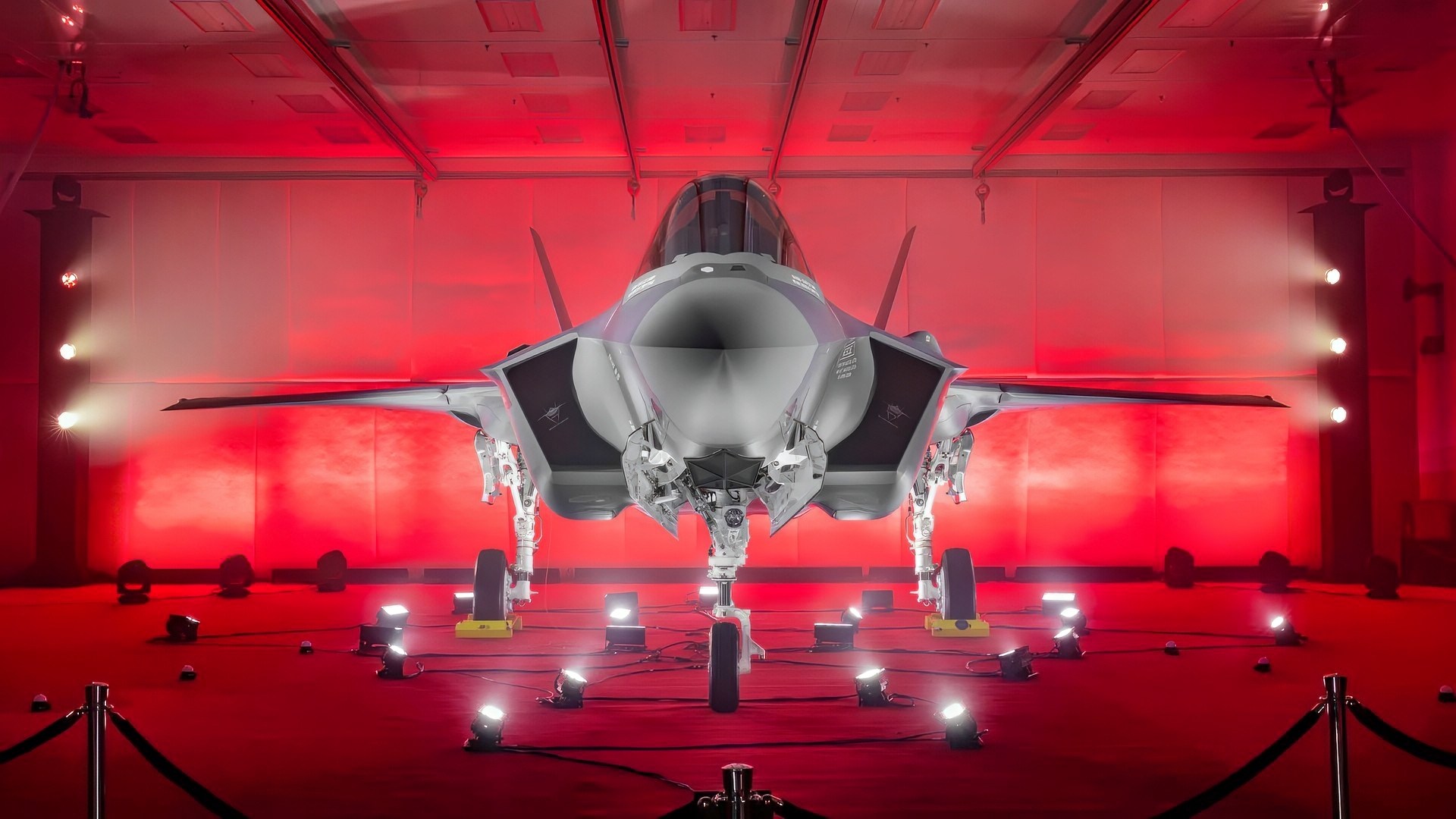
Summary and Key Points: Canada’s military readiness is at a crossroads as Prime Minister Mark Carney reviews the Lockheed Martin F-35 contract amid escalating trade tensions with Washington.
-Expert Richard Shimooka warns that pivoting to the 4.5-generation Saab Gripen E would “institutionalize weakness,” burdening the Royal Canadian Air Force with a platform designed for a previous era.
-While the Gripen offers a 12,600-job industrial promise and avoids the F-35’s 55% mission-capable rate issues, critics argue it remains dependent on U.S. avionics. Choosing the Gripen could strain the NORAD framework, forcing a total reliance on U.S. air cover in the Arctic.
Canada Choosing the Gripen Over F-35 Would “Institutionalize” Weakness Claims Expert
Writing for the National Post, Macdonald-Laurier Institute Senior Fellow Richard Shimooka warned that a decision to operate a mixed F-35-Gripen fleet would “institutionalize” weakness in the Royal Canadian Air Force for decades.
Responding to reports that the Canadian government is preparing to cancel plans to procure a final 72 Lockheed Martin F-35s as part of a previously-agreed deal, Shimooka warned that opting for Saab’s 4.5-generation fighter jet offering would weaken Canadian power at a time when it needs strength.
The F-35 Controversy Explained
Canada’s fighter procurement has long revolved around replacing the aging CF-18 Hornet fleet with a platform capable of both domestic air defence and integrated continental operations.
In 2022 Ottawa selected the U.S. Lockheed Martin F-35A Lightning II – a fifth-generation, stealth multirole fighter – committing to 88 aircraft to meet agreed NORAD, NATO, and Arctic security requirements. The F-35’s advanced sensor fusion capabilities and deep strike profile were seen as essential to defending vast northern airspace alongside U.S. forces.
However, that consensus about what it takes to meet these requirements appears to have evaporated. After Prime Minister Mark Carney ordered a review of the F-35 contract in 2025 amid escalating U.S.–Canada trade tensions, Ottawa signalled interest in alternative options – notably Sweden’s Saab JAS-39 Gripen E, a 4.5-generation fighter pitched with the promise of 12,600 Canadian industrial assembly and jobs.
In response to reports that Ottawa is on the verge of siding with Saab, U.S. ambassador Pete Hoekstra warned that a pivot away from the F-35 would strain or “alter” the NORAD framework, likely forcing the U.S. to deploy its own fighters more often into Canadian airspace if interoperability is lost.
Carney’s stance on the situation is undeniably political, reflecting ongoing friction with Washington over tariff disputes and rhetoric seen in Ottawa as unpredictable. Those problems have contributed to the growing unease among Canadian policymakers over a perceived over-reliance on U.S. defense systems.
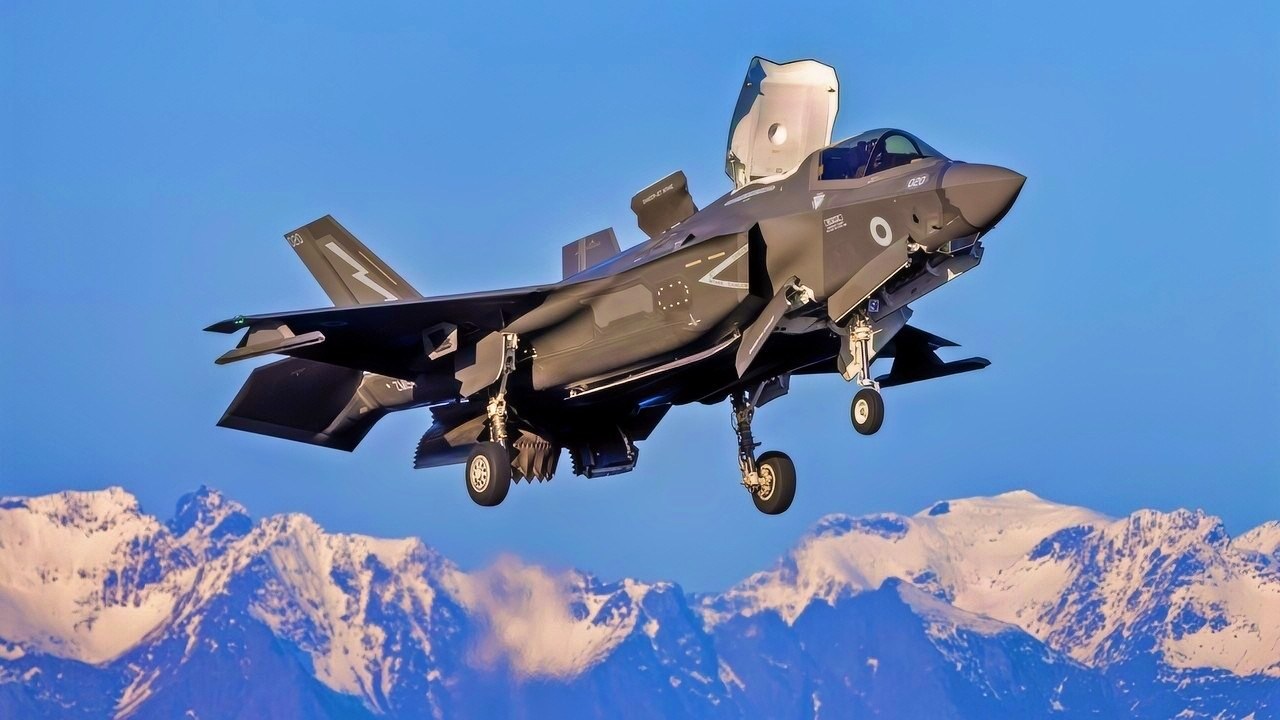
F-35. Image Credit: British Government.
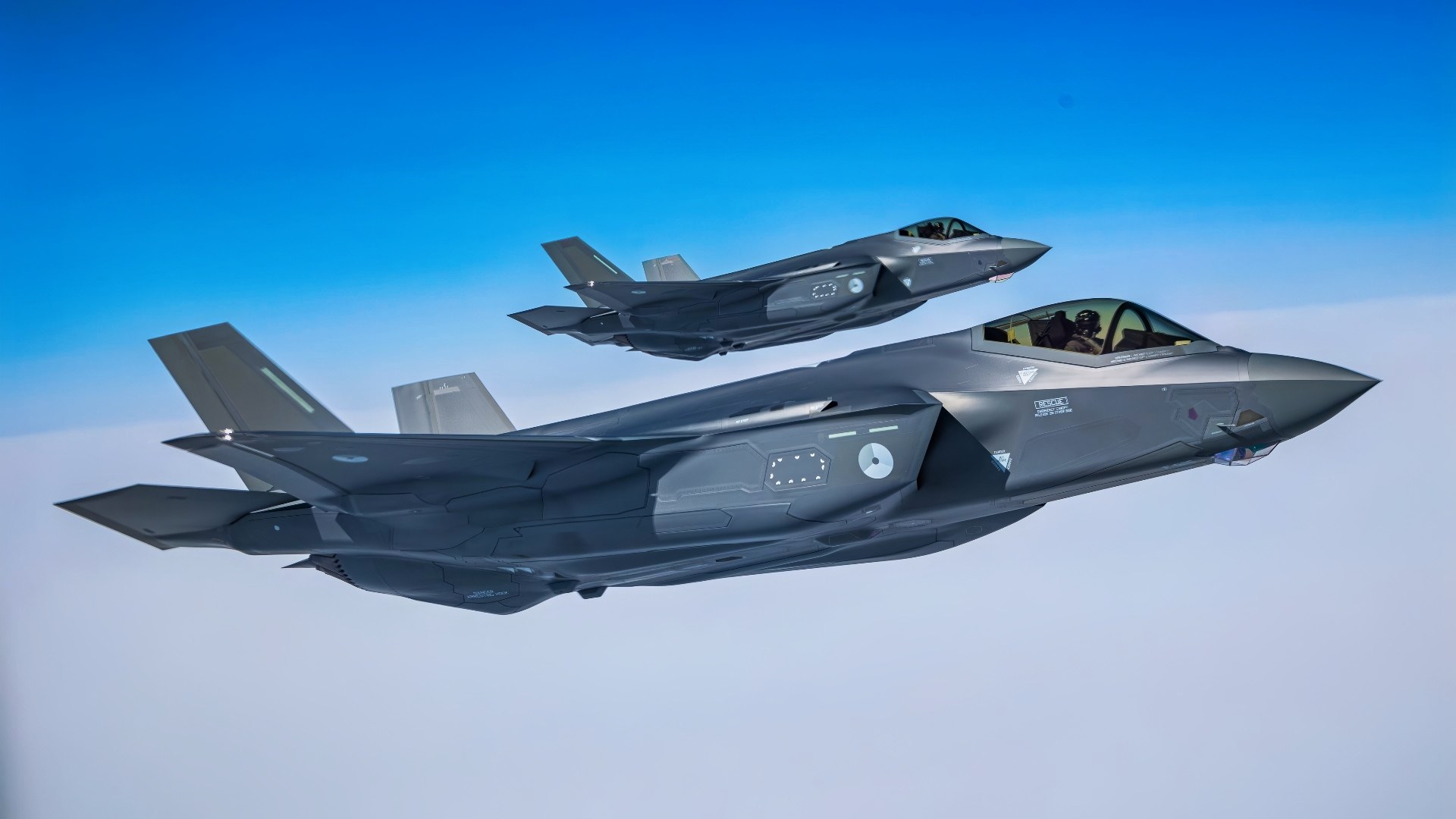
Two Dutch F-35 Lightnings patiently wait for their opportunity to maneuver into position to receive more fuel mid-air from a KC-135 Stratotanker over the Arctic Circle, May 31, 2023. The 101st ARW is taking part in Arctic Challenge Exercise 2023, a live fly exercise that serves to advance arctic security initiatives and enhance interoperability in the increasingly dynamic and contested region.
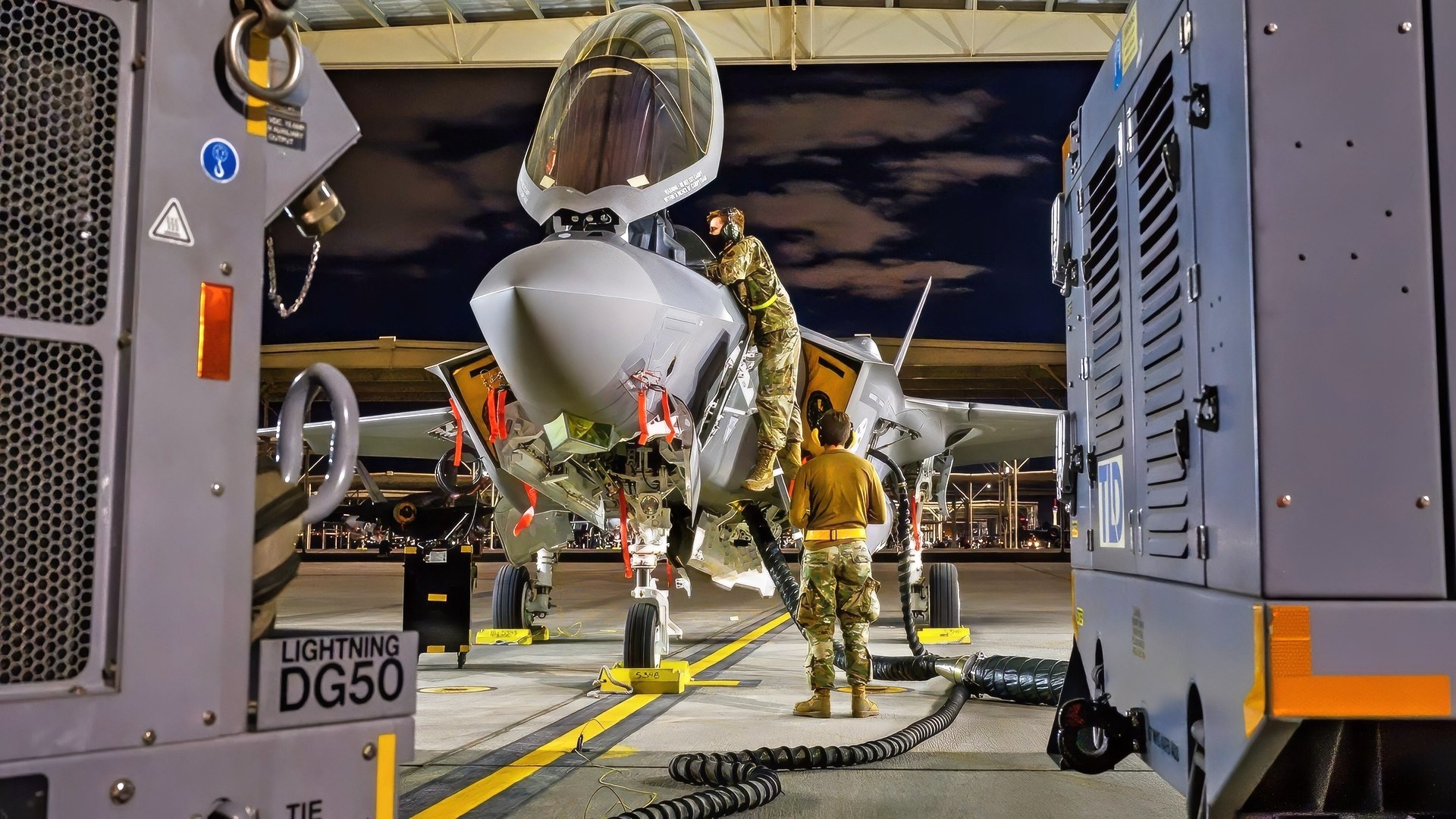
F-35 Fighters Ready. Image Credit: Creative Commons.
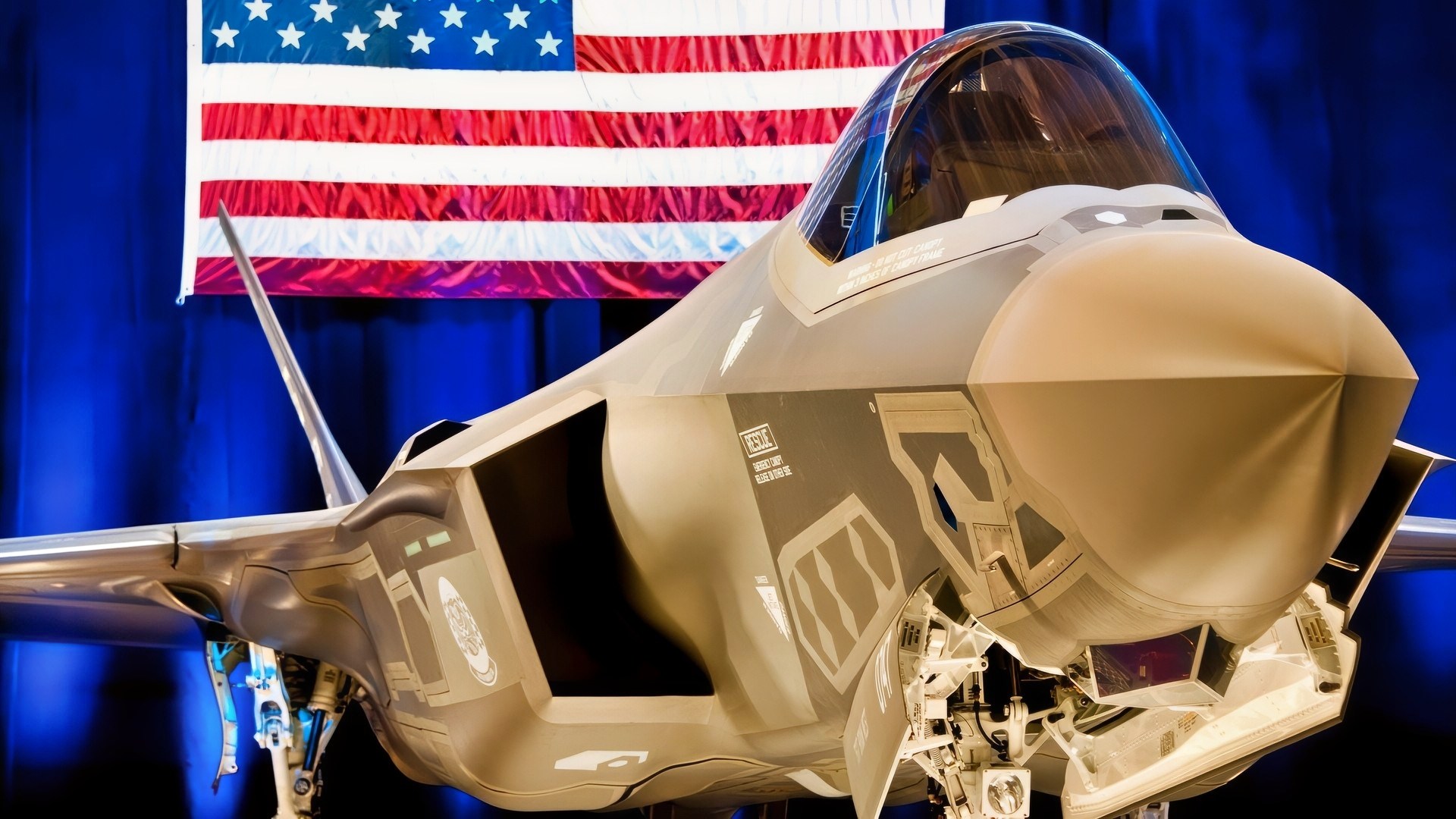
F-35 Near the Flag. Image Credit: Creative Commons.
What Shimooka Said
In a February 5 piece, Canadian analyst Shimooka argued that a mixed F-35/Gripen fleet would “fail us in every way,” describing the Gripen as “less capable, more expensive and still reliant on U.S. production.”
Specifically, Shimooka dissected claims by other analysts that a “hi-lo mix” of a few more capable aircraft and a fleet of less capable, cheaper aircraft, would make up for the capability difference – and noted that Canada “made a conscious decision in the 1980s to consolidate into a single fleet – with the advent of flexible multi-role aircraft like the CF-18 – in order to maximize the value of its spending.”
Beyond economics, however, Shimooka outlined an important point about Canada’s reliance on the United States – and how the Gripen platform doesn’t offer total independence from U.S. supply chains.
“Moreover it does not offer greater sovereign control over operations compared to the F-35. In fact, critical portions of the Gripen, including its core avionics, are built in the United States, and therefore subject to American controls,” Shimooka wrote.
The F-35 Has One Big Weakness
Whatever Carney’s decision may be – and it increasingly seems likely Ottawa will go with Saab – it will be fundamentally political. Carney’s case will likely rest heavily on the promise of jobs and sovereignty, rather than raw combat performance – a competition that Saab’s Gripen has already lost. He will cite Saab’s promise of 12,600 Canadian jobs, despite the fact that many of those roles depend heavily on Canada absorbing more of the Gripen supply chain than it presently does.
And, there will be the sovereignty argument. The Gripen is being pitched as a way to loosen Canada’s dependence on U.S. defense supply chains and export controls – a message that resonates amid Ottawa’s deteriorating relationship with Washington. By contrast, the F-35 is tightly integrated into an American global sustainment system overseen by the Pentagon and Lockheed Martin.
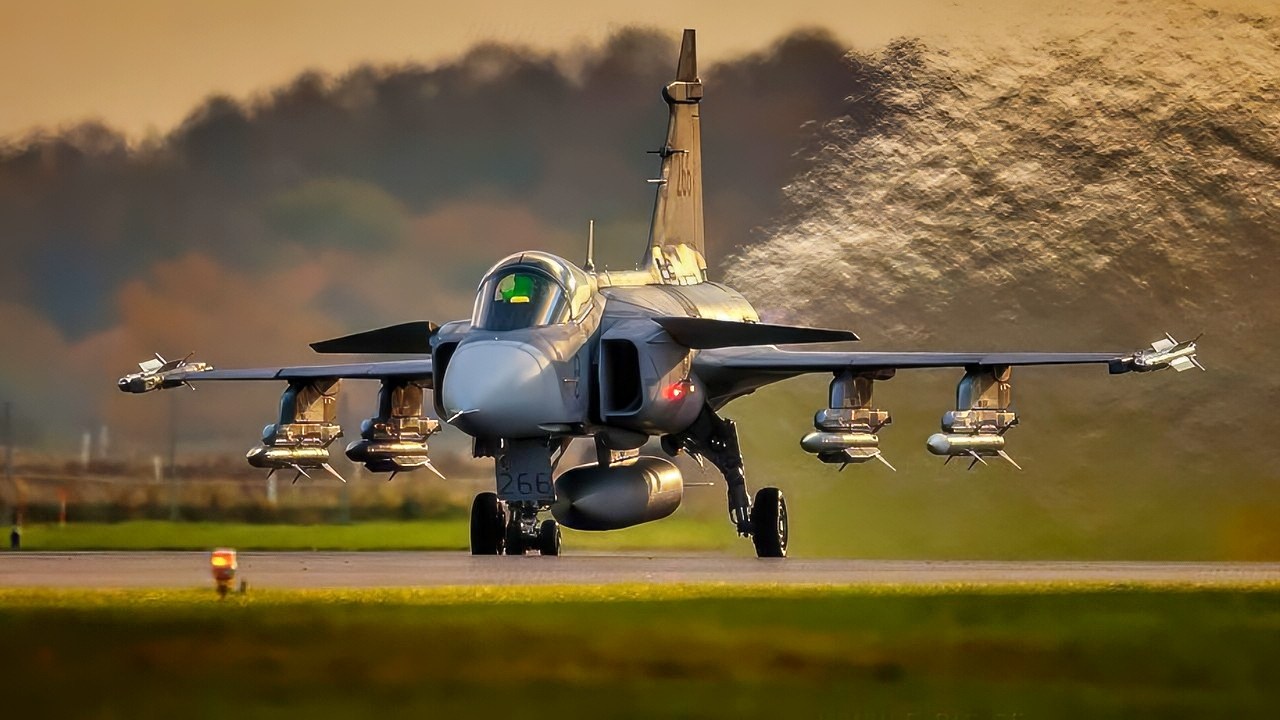
JAS 39 Gripen SAAB Image Handout
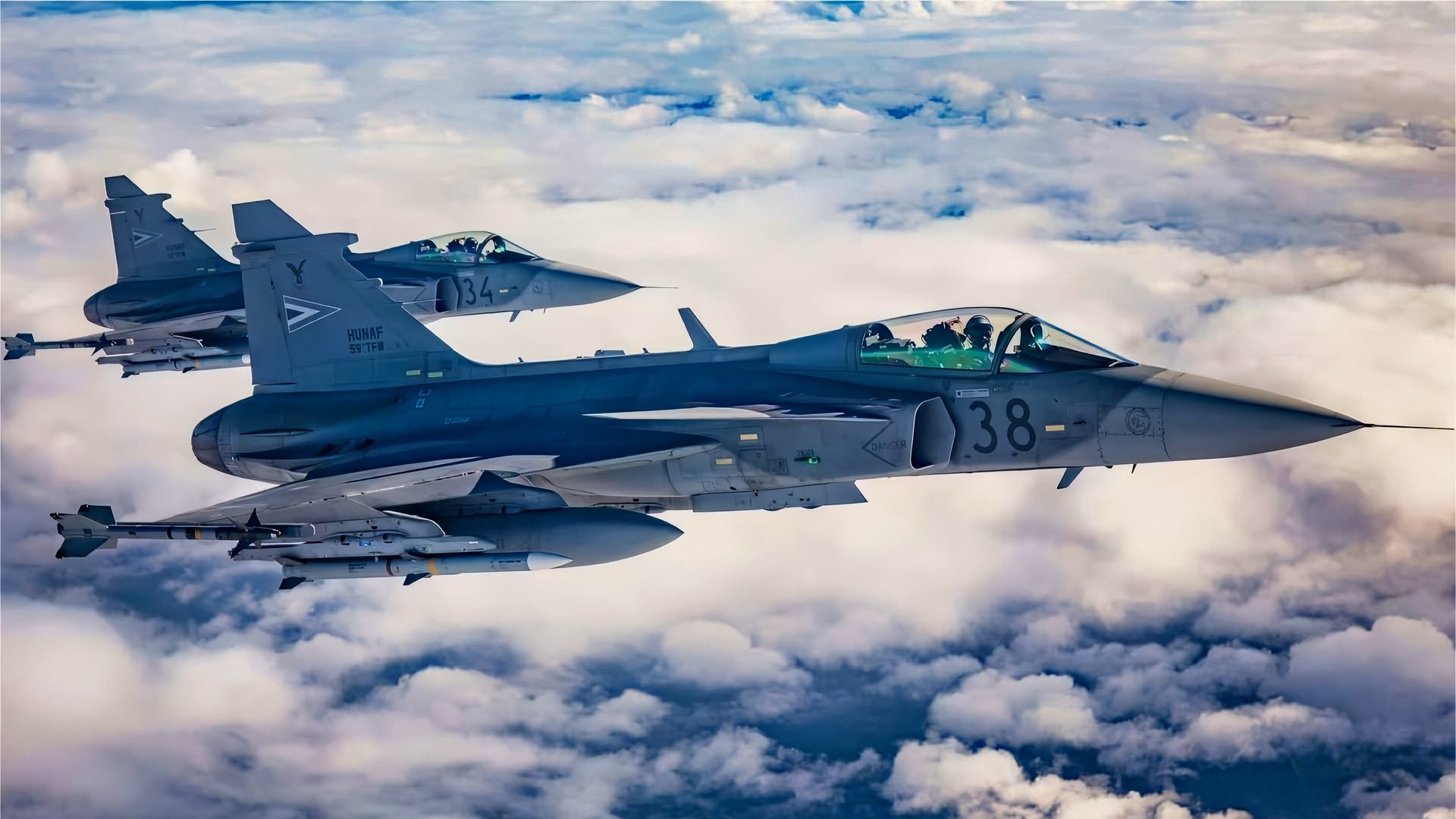
JAS 39 Gripen Flying in Formation.
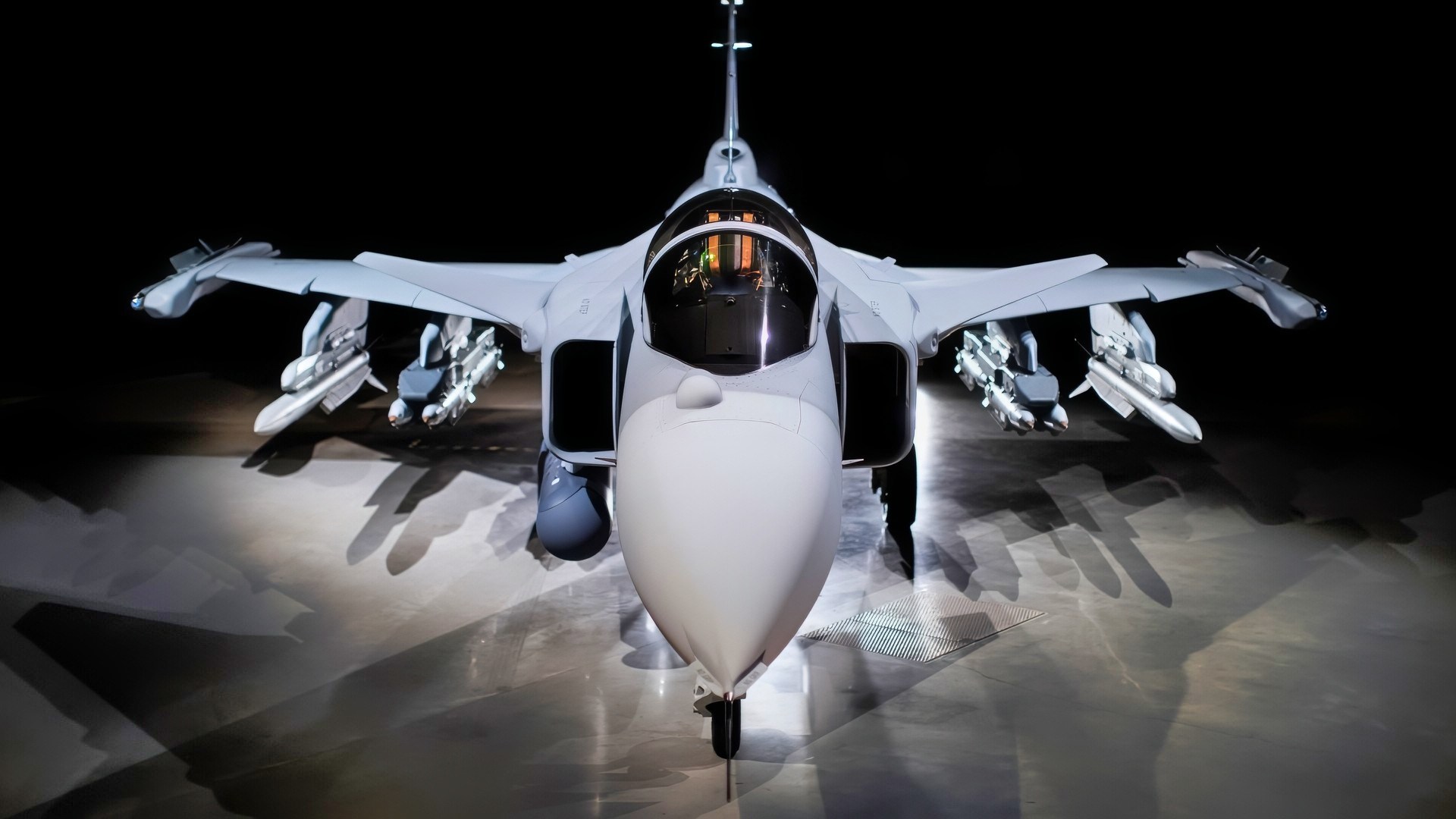
JAS 39 Gripen by Saab. Image Credit: Saab.
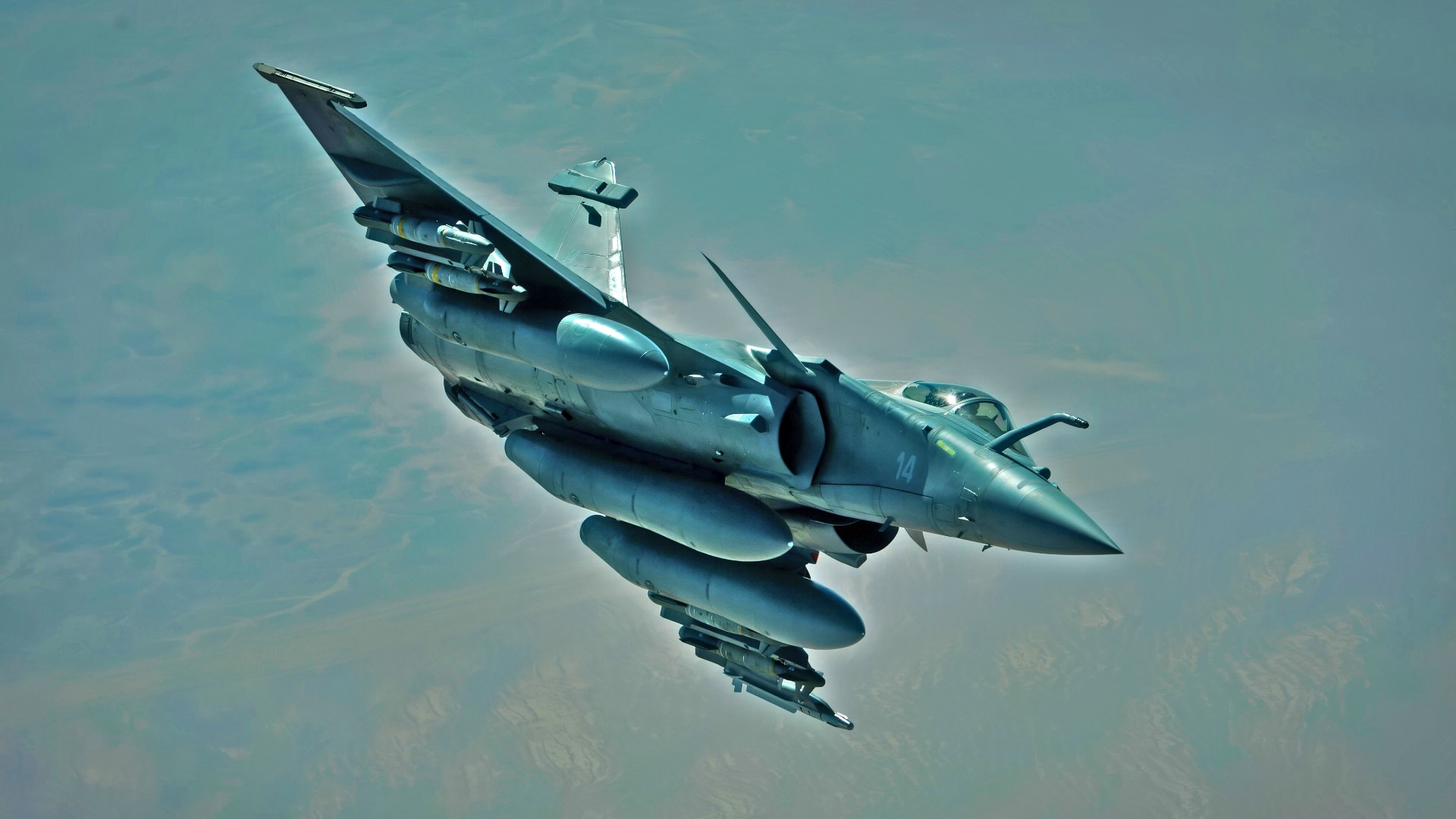
Dassault Rafale vs. JAS 39 Gripen E: Which European Fighter Jet Is Better?
But crucially, Carney will also likely lean on the F-35’s well documented readiness problems. Recent U.S. Government Accountability Office and Pentagon data show the global F-35 fleet achieving mission-capable rates of only around 55 percent – and lower for some variants, far short of the program’s targets. Ottawa can, therefore, credibly argue that an aircraft available barely half the time limits the platform’s usefulness, regardless of how advanced it is on paper. That would make the Gripen appear, politically, to be the only responsible option.
Yet, as I have argued in this outlet on multiple occasions, Canada may have many political reasons to choose the Gripen – but there will be consequences.
As Shimooka argues: choosing the Gripen now would “institutionalize” weakness across the Royal Canadian Air Force for decades to come, by choosing to invest now in a platform designed for a previous generation of air combat.
About the Author: Jack Buckby
Jack Buckby is a British researcher and analyst specialising in defence and national security, based in New York. His work focuses on military capability, procurement, and strategic competition, producing and editing analysis for policy and defence audiences. He brings extensive editorial experience, with a career output spanning over 1,000 articles at 19FortyFive and National Security Journal, and has previously authored books and papers on extremism and deradicalisation.