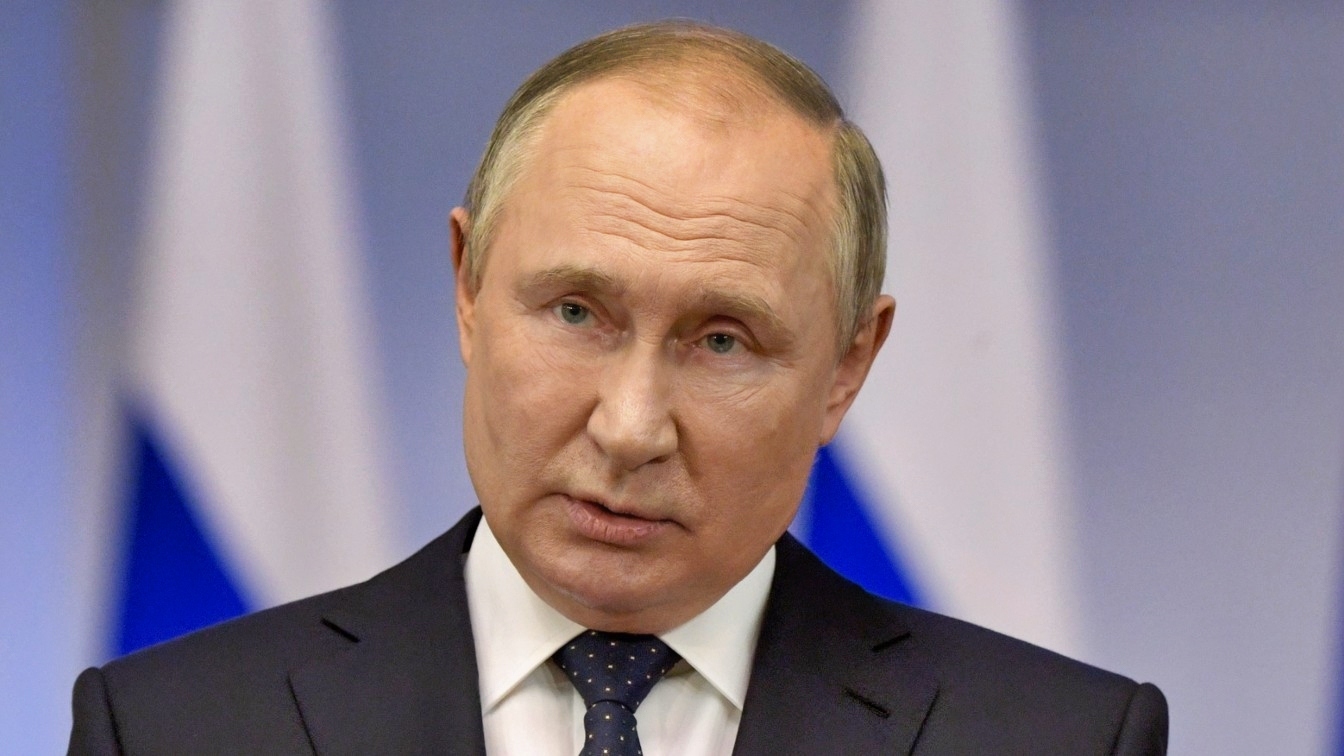
Ukrainian drone and missile attacks in Russia and in Crimea are putting intense pressure on the Russian economy and on Russian President Vladimir Putin, who is facing increasing pressure both at the front and within the country.
However, some analysts believe that Ukraine’s recent string of successes will only cause Russia to escalate the war even further.
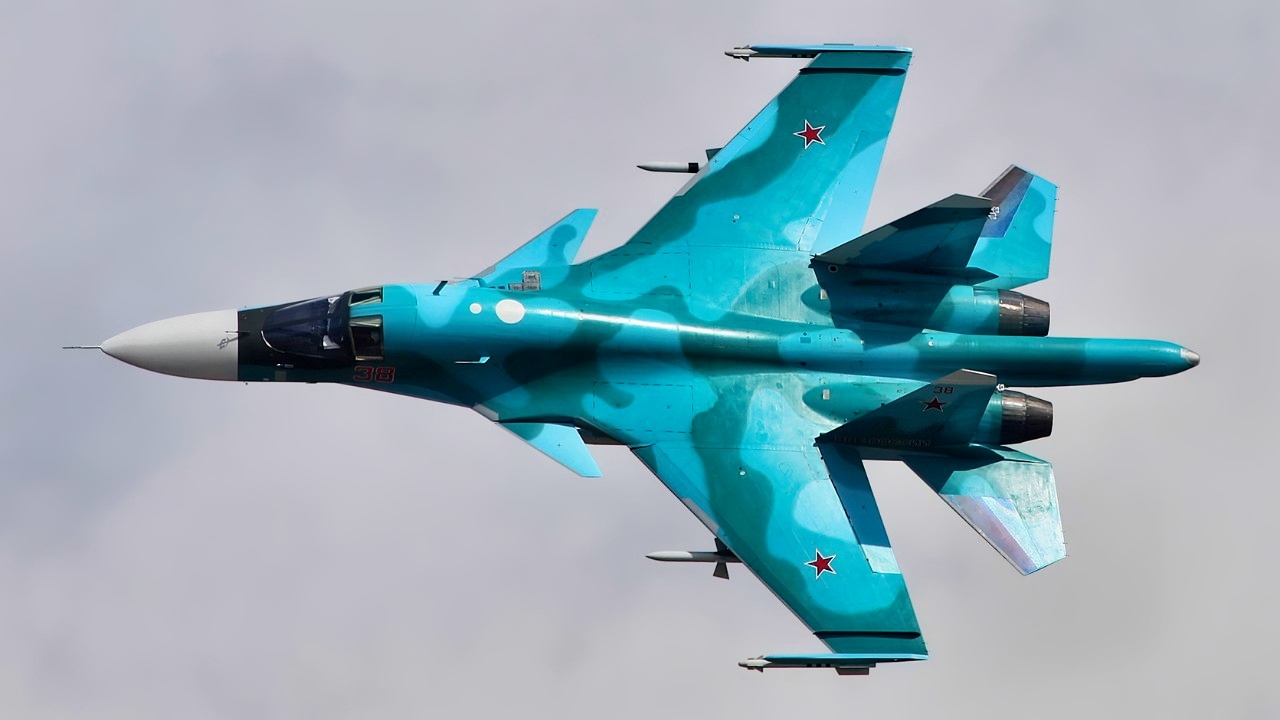
Su-34 Fullback. Creator: Vitaly V. Kuzmin. Credit: Vitaly V. Kuzmin
The Ukrainians have knocked out about 25 percent of Russia’s gas and oil refineries. The country is in the midst of a nationwide gasoline shortage; they have been forced to cease exports of oil and gas, and will soon do so with diesel as well.
They are unable to reap the benefits of higher oil prices, and now, with prices dropping due to the US-Iran MoU, their profits will take further hits.
The attack last week on the huge Gazprom refinery in Moscow, which blew the lid off one storage tank hundreds of feet into the air, was a huge embarrassment to Putin.
The Ukrainians are isolating and hammering Russian infrastructure in Crimea, with an attack on Sevastopol knocking out power last night.
Now, It Is Putin’s Resolve Being Tested
But what further escalation can Moscow impose?
They’ve been attacking civilian population centers and civilian infrastructure since the earliest days of the war in an attempt to get the Ukrainians to collapse.
It has only hardened their resolve to remain free.
Russia has used foreign troops in a vain attempt to achieve just one of its prewar objectives. About 17,000 North Korean “volunteers” have not turned the tide and have suffered a casualty rate similar to Moscow’s.
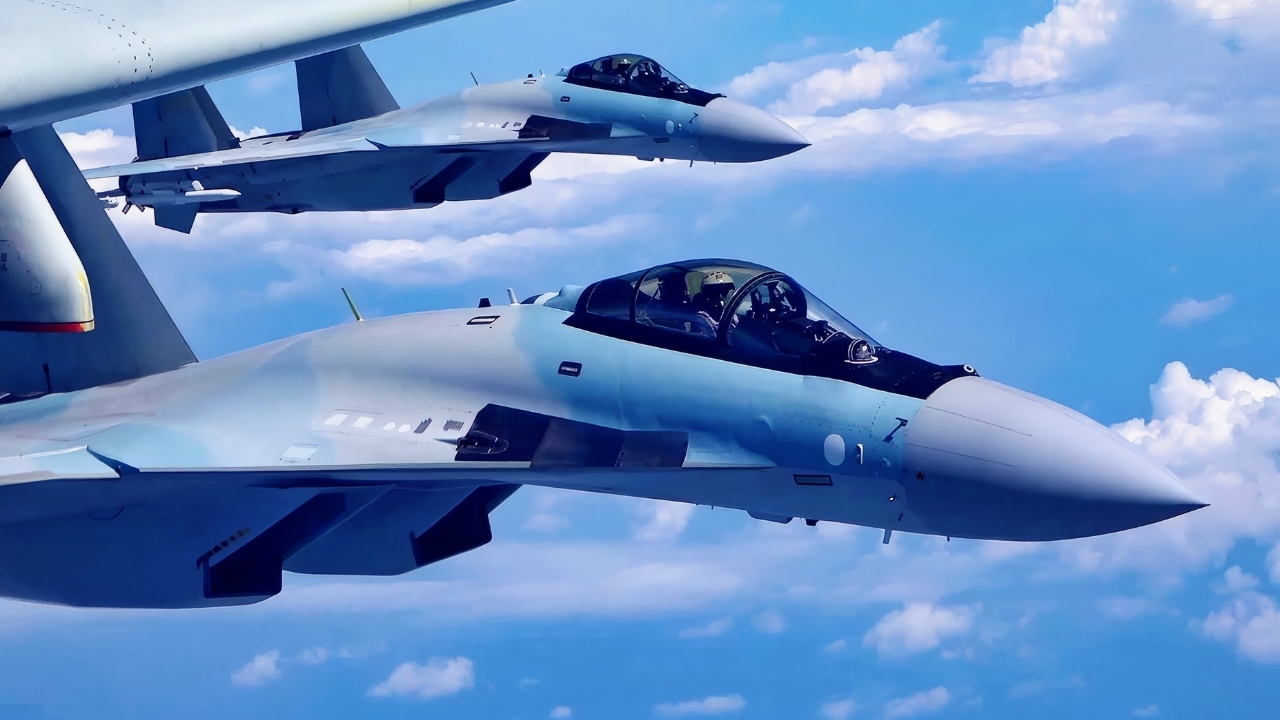
Su-35 from China. Image Credit: Chinese Air Force PLAAF.
The Russian army’s offensive has been stopped, resources are being depleted, and Ukrainian drone strikes are hitting the logistics and economy of the Russian Federation increasingly hard.
Russia’s Offensive Efforts Are Limited To The Donbas
Natia Seskuria, senior fellow in Russian and Eurasian security at RUSI, a London-based defense think tank, said, “Ukraine is basically demonstrating to the Russians that the cost of this war is only increasing. Not just for Putin’s regime but for ordinary Russians.”
Two major cities in the Donbas, Kramatorsk and Sloviansk, are still to fall to Russian forces, according to two analysts in the CNBC article. However, that assumption is not shared by everyone.
The Institute for the Study of War (ISW) posted in their June 23rd update on the Russian invasion that, “Russian gains in Kostyantynivka remain limited to small group infiltrations that are not resulting in consolidated territorial control.
“Russian President Vladimir Putin claimed on June 23 that Russian forces are advancing in all areas of the frontline and that Russian forces are “practically reaching” Kostyantynivka.”
The ISW added, “Ukraine’s tactical situation in Kostyantynivka is deteriorating, but the Russian MoD and Putin are falsely framing the seizure of Kostyantynivka as imminent.”
Russia’s Economy May Be In Worse Shape Than Previously Thought
Grégoire Roos, director of the Europe, Russia and Eurasia programs at Chatham House, said, “It’s a bad time for Russia. The number of bankruptcies of [small and medium-sized enterprises] has been on the rise.”
Russia’s official inflation rate, according to the Bank of Russia, is running at 5.86 percent. However, it could possibly be nearly triple that.
Swedish intelligence has data indicating that Russia systematically manipulates statistics to mislead Ukraine’s Western allies into believing its economy has withstood the strain of massive military spending and sanctions, Thomas Nilsson, the head of Swedish Intelligence, said.
He said the real situation is far worse, and that Russia’s Central Bank is understating inflation, which he believes is approaching the key interest rate of 15 percent, rather than the official figure of 5.86 percent.
Putin Still Talking As If A Ukrainian Collapse Is Imminent
The ISW reported that Putin continues to rely on a negotiating tactic that aims to falsely portray the Ukrainian military on the verge of collapsing under the weight of steady Russian advances.
Putin stated on June 23 that future peace negotiations must take into account the current “battlefield realities,” a long-used Kremlin expression referring to Russian gains on the battlefield, which all available evidence suggests are largely nonexistent at this point.
Putin’s battlefield realities ignore the fact that Russia’s gains inside of Ukraine are shrinking and that his military is suffering more casualties (30,000 to 35,000 a month) than it can replace in its recruiting efforts, which are drying up.
He has been planning on the NATO and Western alliances to fracture over this, but the war has only hardened NATO’s resolve. And it has grown because of his actions.
Finland, which shares a 1,340-kilometer (830-mile) border with Russia, is now a NATO member, along with Sweden.
Oleg Tsaryov, a former Ukrainian lawmaker, MP, and prominent pro-Russian figure who was originally slated to lead a Moscow-backed puppet regime in Kyiv, openly admitted that it is clear Putin cannot accomplish his total war goals.
“Professionals at creating an alternative reality convinced not only the public but also themselves that the illusion they had concocted was real.
Sooner or later, the worlds of illusion and reality would collide. Now, that is happening in the most painful way.”
As Ukrainian drones regularly attack oil and gas infrastructure inside of Russia, hammer Russian supply convoys, and destroy the bridges between Russia and areas of occupied Ukraine, Russians of all walks of life, including Putin’s most ardent supporters, are now questioning whether the war should continue.
But thus far, he’s continuing on as all of Ukraine will soon collapse, as Moscow’s oil facilities burn.
About the Author: Steve Balestrieri
Steve Balestrieri is a National Security Columnist. He served as a US Army Special Forces NCO and Warrant Officer. In addition to writing on defense, he covers the NFL for PatsFans.com and is a member of the Pro Football Writers of America (PFWA). His work was regularly featured in many military publications.