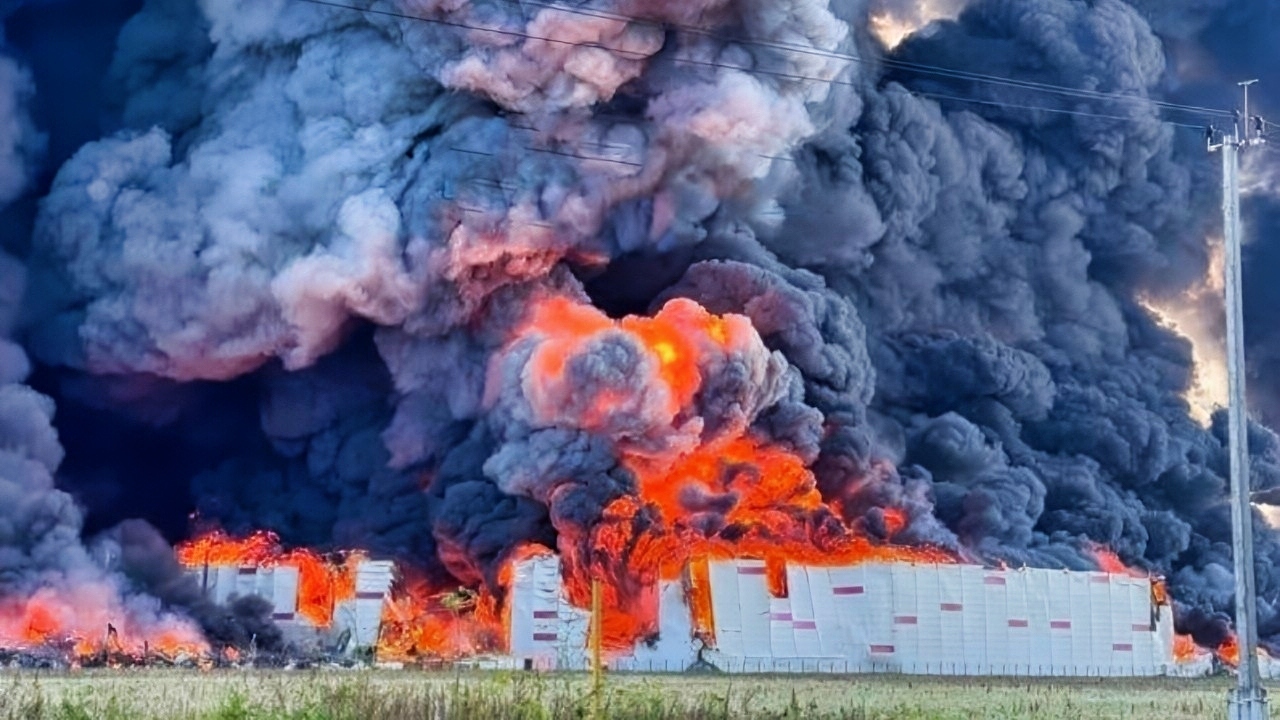
Even though Russian strongman Vladimir Putin says he is ready for renewed peace negotiations with Ukraine and his Ukrainian counterpart Volodymyr Zelenskyy, the Kremlin launched air strikes yet again against Ukraine, hitting the Ukrainian capital city, Kyiv, yet again.
Against the backdrop of apartment buildings and homes ablaze, Washington is pushing for a resumption of peace talks, with presidential envoys Jared Kushner and Steve Witkoff leading the charge.
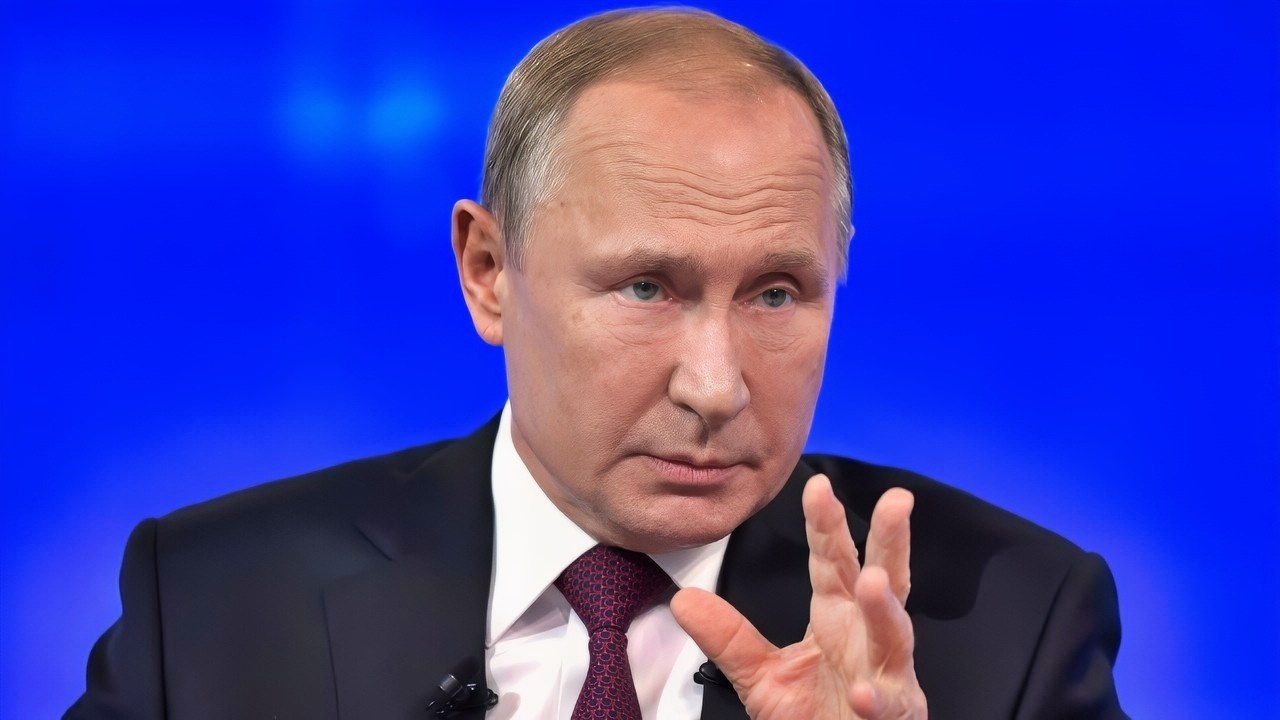
Vladimir Putin Russian President 2019. Image Credit: Kremlin.
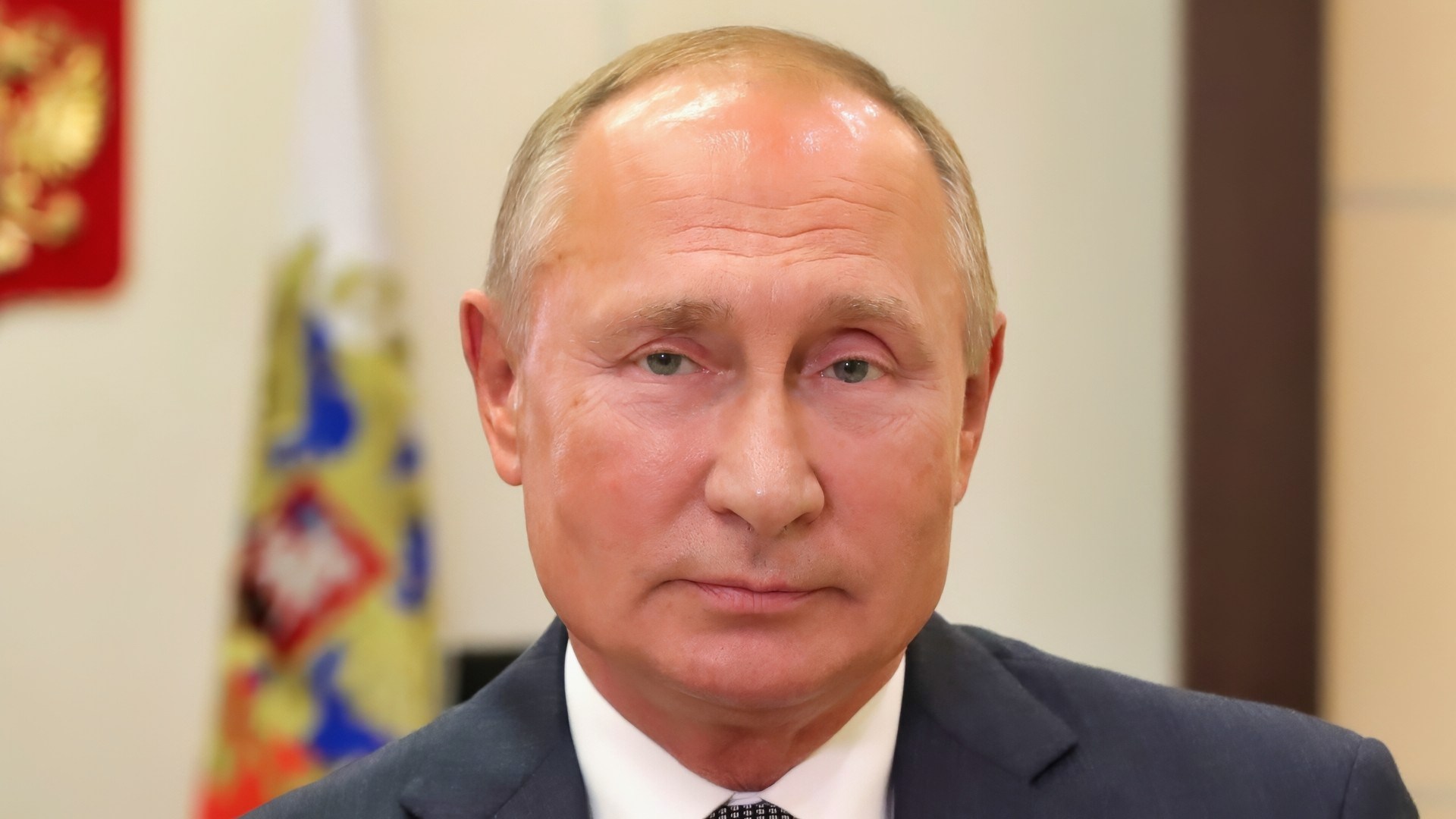
Putin Back in 2020. Image Credit: Creative Commons.
Both men met with Ukrainian President Zelensky and Putin. But are the prospects for peace any good? American President Donald Trump certainly thinks so.
Speaking to reporters earlier this week, President Trump said, “The other day I was talking to Vladimir Putin about settling his war with Ukraine, which I think we’re getting closer to, by the way, maybe now the closest we’ve been.” But finding an acceptable peace deal has proven difficult, and the president’s own self-imposed 24-hour deadline to find peace after coming into office has long since been missed.
Earlier in February this year, tripartite talks between Washington, Kyiv, and Moscow were suspended, with Ukraine launching its “long-range sanctions” effort against Russian oil and gas infrastructure.
Russia has responded in kind, though its targets are the heating, power, and water treatment facilities that Ukraine’s substantial civilian population relies upon.
Russian Refineries Still Ablaze
Rosneft, the Russian state-owned oil firm, faces the prospect of significant long-term damage to its refineries and financial issues that could depress the Russian economy, Bloomberg reports.
Company officials lament that several more months of Ukrainian pressure on the firm could cause damage that would take months, if not years, to reverse.
Rosneft-operated refineries account for about thirty percent of Russia’s oil refining capacity, and five Ukrainian strikes last month hit Rosneft facilities, Bloomberg tallies.
Rosneft’s net income fell nearly twenty percent in the first half of 2026, Bloomberg adds.
Ukrainian Strikes Expanding in Scope
While the Ukrainian campaign against Russian oil and gas infrastructure is not new, the target set for Ukrainian drones and cruise missiles appears to have expanded as of late.
And rather than striking a blow at Russian state revenue directly, the new strikes target not energy and fossil fuels, but Russia’s digital lifeblood: its biggest, most important e-commerce, social media, and online banking sector.
The ongoing war in Ukraine is approaching the five-year mark.
Still, Ukrainian forces have newly put key Russian data centers into their crosshairs, landing strikes on important data centers used by VKontakte, a social media platform, Sberbank, and Yandex, a Russian tech firm.
And while the companies have been tight-lipped about the extent of the damage they’ve suffered because of Ukraine’s strikes, Russian media shows disruptions to services that rely on cloud services such as AI chatbots, ridesharing apps, as well as online marketplaces.
Ukraine stores much of its critical, sensitive data on servers physically located within the European Union, giving its data a measure of protection from direct Russian attack.
Russia, by contrast, has a rigid data storage policy that forces Russian firms to store data within Russia. In theory, it is a powerful tool for data security within Russia, but in practice the legislation makes Russia more vulnerable to Ukrainian attack.
American Prisoner Released
Just days ago, Putin decided to release Stephen Hubbard, a 74-year-old American citizen who had been jailed in Russia for several years, ostensibly on charges of fighting for Ukraine.
Hubbard had been serving time on a seven-year prison term, but President Trump’s United States Special Envoy to the Middle East, Steve Witkoff, helped secure his release.
Following Hubbard’s release, Witkoff called Putin a humanitarian — despite the Kremlin’s clear effort to plunge millions of Ukrainian civilians into the cold and dark of Ukraine’s bitter, icy winters. The appellation was, needless to say, rather surprising.
Speaking to the BBC, Vice President JD Vance did not explicitly disavow the humanitarian moniker Witkoff used to describe the Russian leader, suggesting the description was appropriate. “I agree with Steve Witkoff saying something nice to a person who just released an American hostage.”
“Whether you agree with the underlying sentiment or not, Steve Witkoff is a diplomat. His job is to go over there and get a job done. I care much less about what Steve said than about the fact that he is bringing an American hostage home to his family.”
About the Author: Caleb Larson
Caleb Larson is an American multiformat journalist based in Berlin, Germany. His work covers the intersection of conflict and society, focusing on American foreign policy and European security. He has reported from Germany, Russia, and the United States. Most recently, he covered the war in Ukraine, reporting extensively on the shifting battle lines in Donbas and the war’s civilian and humanitarian toll. Previously, he worked as a Defense Reporter for POLITICO Europe. You can follow his latest work on X.