North Korea keeps expanding its military involvement in Russia’s war against Ukraine, with the isolated dictatorship now supplying Moscow with hundreds of trained drone operators and sending ballistic missiles that could be used to strike Ukrainian infrastructure in the coming months.
Major General Vadym Skibitskyi, the deputy head of Ukraine’s Defense Intelligence, says that a new contingent of roughly 8,500 North Korean personnel is also already deployed in Russia, alongside 400 drone operators who are expected to conduct reconnaissance and potentially launch attacks inside Ukraine.
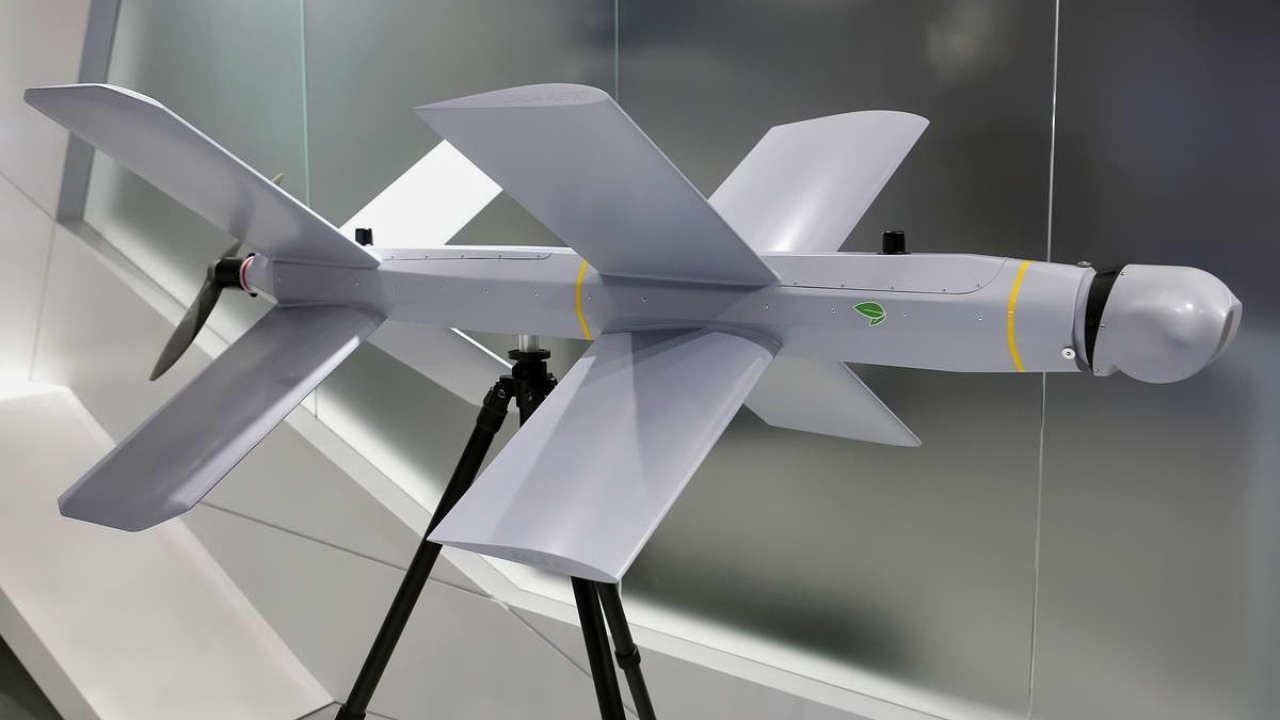
Lancet Drone. Image Credit: Russian State Media.
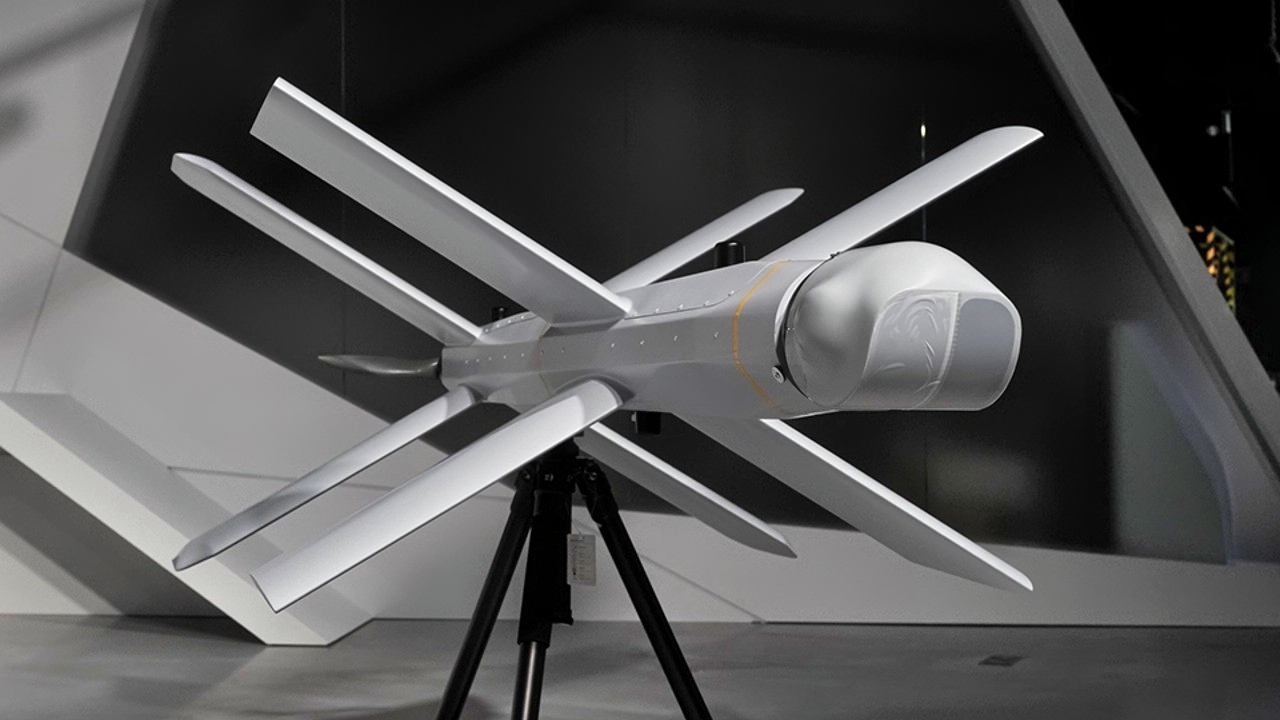
Lancet Drone from Russia. Image Credit: Creative Commons.
It’s a development that has been years in the making, with North Korea being among the few global partners willing to support Russia in its war against Ukraine from the beginning.
The news also comes as Ukraine warns that Russia is building out the infrastructure it needs to utilize new deliveries of North Korean ballistic missiles – right as Kyiv grapples with a potentially fatal shortage of interceptors capable of destroying them.
North Korea Sends Specialized Troops
Speaking to CNN on Friday, August 21, Major General Vadym Skibitskyi said that a new North Korean contingent in Russia now numbers around 8,500 personnel.
He said that most are deployed in Russia’s Kursk region, but unlike the North Korean infantry units sent there beginning in October 2024, the new force includes specialists who could directly support Russian operations targeting sites inside Ukraine.
Skibitskyi said that the contingent includes 400 drone operators and 1,000 deminers and engineers. Among the drone personnel are some soldiers who have previously served in Russia or who were trained using experience brought back by North Koreans who fought there.
Ukrainian intelligence expects that the new personnel will conduct both reconnaissance and attack missions against Ukrainian targets from inside Russian territory, meaning these soldiers, unlike many who came before them, will not simply be moved into the “meat grinder” on the front lines.
When Pyongyang first sent an estimated 10,000 troops to Kursk in late 2024, those service members helped Russian forces push back Ukraine’s incursion. North Korea did not publicly acknowledge the deployment until April 2025, after its forces had already suffered significant casualties.
Today, North Korea is doing far more to assist, sending personnel who will perform specialist operations from far beyond the front lines, reflecting the changing nature of warfare in Ukraine as long-range strikes become a defining feature of the war.
Taking Over From Russian Troops
Skibitskyi also said that Ukrainian intelligence suggests that North Korean personnel will reinforce rear positions and take over jobs currently being performed by Russian troops, thereby allowing Moscow to transfer more of its own soldiers into offensive operations inside Ukraine.
So, while drone operations become commonplace and long-range strikes critical to continuing the conflict, Russia will continue to send soldiers to the front lines as they attempt to take full control over the Donetsk region.
Skibitskyi also estimated that approximately 25,000 North Korean personnel have now either deployed to Russia or rotated through Russian forces since the first contingent arrived.
And Ukraine believes considerably more could be coming.
President Volodymyr Zelenskyy said on July 25 that Russia was preparing for the arrival of an additional 30,000 North Korean troops.
He then warned this month that Moscow could deploy anywhere between 30,000 and 50,000 North Korean soldiers on Russian territory.
Skibitskyi now says Russia may be preparing to formally request as many as 50,000 additional personnel when President Vladimir Putin meets North Korean leader Kim Jong Un in September.
But on August 19, Pyongyang disputed the assessment, with Kim Jong Un’s sister Kim Yo Jong saying the claims that tens of thousands more North Koreans were preparing to join Russia were “groundless.”
The Incoming North Korean Missiles
On August 20, Ukrainian intelligence said that North Korea has transferred roughly 50 KN-23, KN-24, and newer KN-30 ballistic missiles to Russia as of July, giving Moscow additional weapons for its long-range strike campaign.
Russia is also deploying six launchers capable of firing North Korean missiles in the western Voronezh region. Roughly 90 North Korean personnel are on their way to the region to integrate with Russia’s 112th Missile Brigade, which could eventually receive as many as 120 missiles.
Positioning those weapons inside Voronezh would put targets across seven Ukrainian regions within range, including Kyiv, Kharkiv, Sumy, and Dnipropetrovsk.
The latest deliveries also reportedly include the more powerful KN-30, which can carry a warhead weighing up to 2,500 kilograms.
Russia has not yet been confirmed to have used the weapon against Ukraine, but the infrastructure needed to do so is said to be taking shape.
About the Author: Jack Buckby
Jack Buckby is a British researcher and analyst specializing in defense and national security, based in New York. His work focuses on military capability, procurement, and strategic competition, producing and editing analysis for policy and defense audiences. He brings extensive editorial experience, with a career output spanning over 1,000 articles at 19FortyFive and National Security Journal, and has previously authored books and papers on extremism and deradicalization.