
Russia continues to increase its attacks against Kyiv and other areas of Ukraine as the war escalates even further.
Amidst the backdrop of Ukrainian attacks on fuel refineries throughout Russia and cargo ships in the Sea of Azov, Putin is doubling down on his war in Ukraine, seeking to destroy the country’s military-industrial complex.
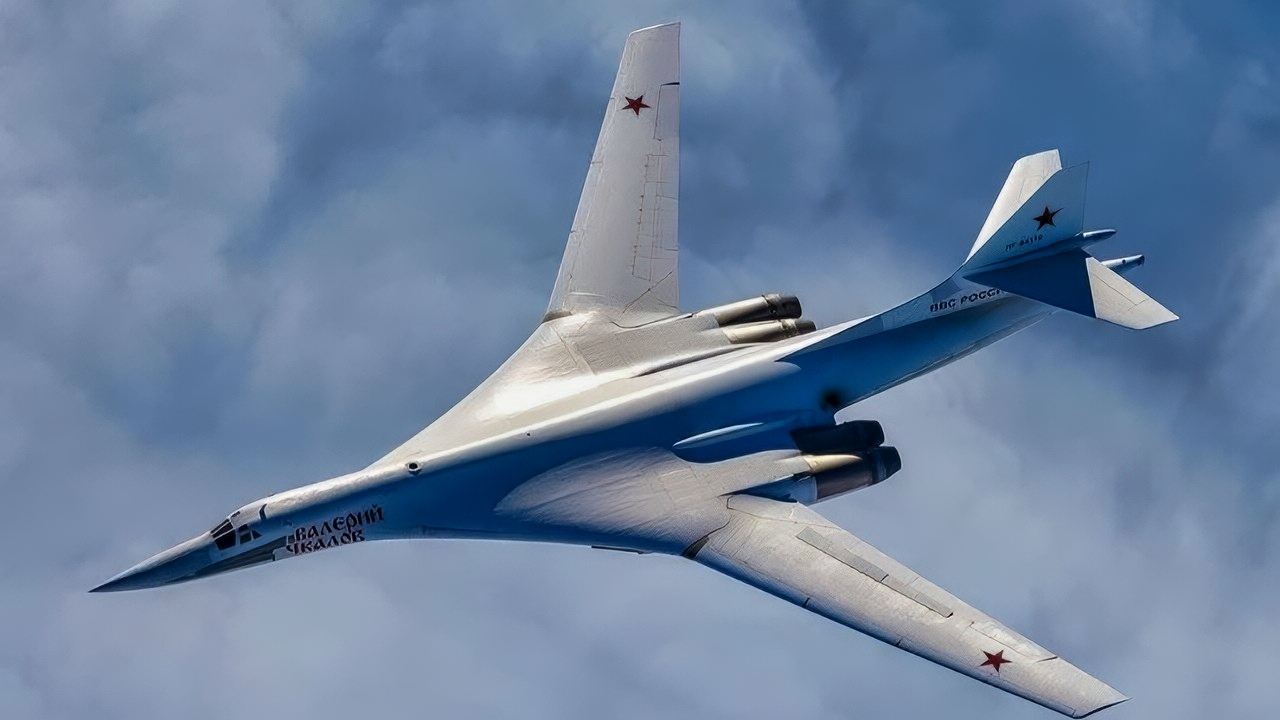
Tu-160 Bomber from Russia. Image Credit: Creative Commons.
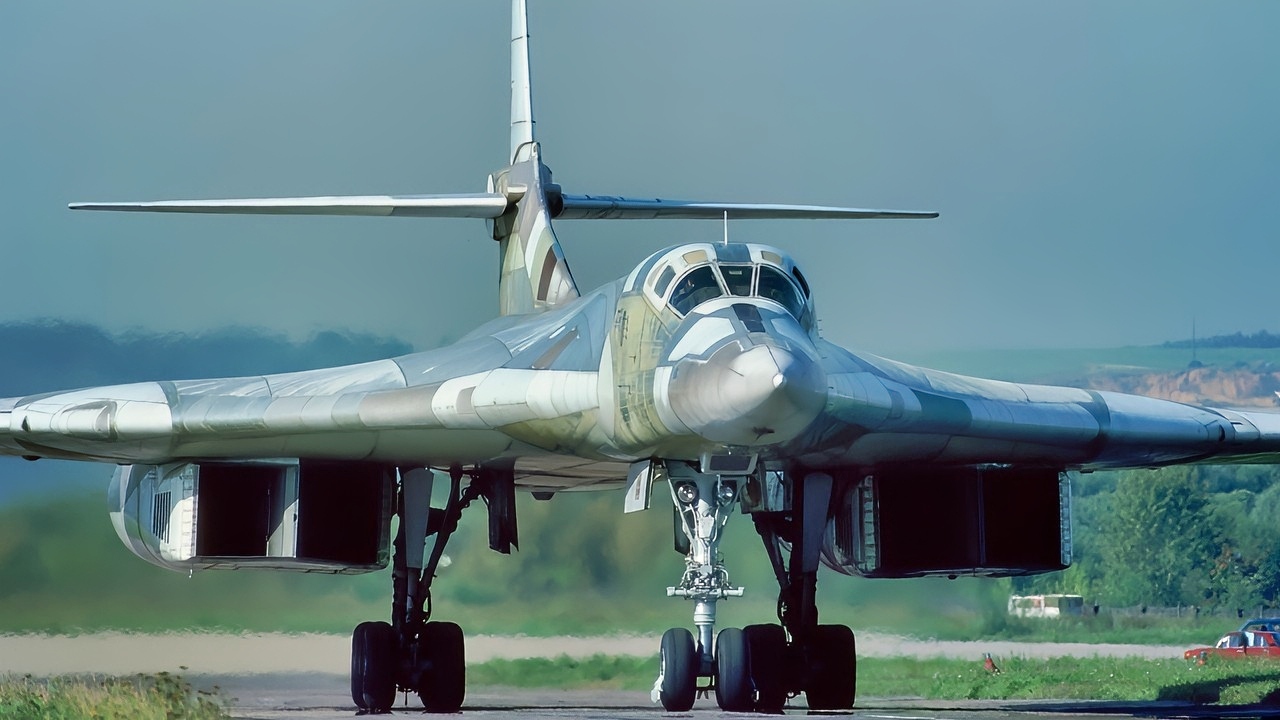
Russia Tu-160 Bomber on Tarmac. Image Credit: Creative Commons.
On Thursday morning (local time), Moscow launched another large-scale missile/drone attack against the Ukrianian capital along with other regions throughout the country.
The attack came after senior members of the European Commission visited Ukraine and announced a new drone deal with Kyiv.
Russia Attacks Kyiv Once Again
Early in the morning, Kyiv was once again attacked by Russian ballistic missiles and drones. According to the city’s mayor, Vitali Klitschko, the attack resulted in the deaths of two people, with another six receiving injuries of various degrees.
The mayor confirmed that missiles and drones had struck a warehouse in the Sviatoshynskyi district, along with a nonresidential building.
He also noted that debris from intercepted missiles/drones struck other nonresidential development areas in the Darnytskyi region.
According to the Ukrainian Air Force, a total of 164 aerial assets, including attack drones and ballistic/cruise missiles were used in the attack, and three of eight ballistic missiles were intercepted by air defenses (Ukraine recently received a small delivery of Patriot interceptors from Europe).
Yesterday, members of the European Commission, including the organization’s President, Ursula von der Leyen, visited Kyiv to discuss ways to strengthen the country’s offensive and defensive capabilities. Von der Leyen announced that the EU approved a new “drone deal” with Ukraine as a means of combining Europe’s industrial capabilities with Kyiv’s battlefield experience.
She noted that the deal would offer significant advantages, including “huge technological and industrial capacity” alongside “safe and secure production sites” to support the initiative. As if on cue, the Russians launched a massive attack, targeting Ukraine’s industrial centers.
The deal further cements the EU as a primary supplier and military backer of Ukraine, directly contributing to Kyiv’s war effort.
Escalating the War in Ukraine
Meanwhile, the Russian Ministry of Defense claimed that the targets of last night’s attacks were enterprises involved in the production and assembly of medium-to-long-range drones.
This most recent attack is part of a much broader Russian campaign against Ukraine’s domestic defense industrial complex.
Over a week ago, the Russians targeted an ammunition depot at Vyshneve in Kyiv that was responsible for the production of Neptune anti-ship missiles and FP-5 Flamingo cruise missiles, which resulted in multiple secondary explosions and caused significant damage to surrounding residential areas.
The explosion prompted an internal investigation in Ukraine, which ruled that the depot had been placed too close to civilian residential areas. As a result, the chief executive of a company in Ukraine’s industrial base was detained.
Kyiv was not the only victim of last night/this morning’s attacks. Odesa was also bombarded by multiple Russian drones and missiles.
Over the last week, the Kremlin has ramped up its attacks against the ports of Odesa, Yuzhny, and Mykolaiv in response to Ukraine’s campaign against Russia-bound cargo ships in the Sea of Azov.
Moscow has struck ships in the Black Sea along with port infrastructure and other targets, which the Russian MoD claims were used to store fuel and military cargo.
The goal of these attacks is not only to disrupt Kyiv’s naval drone campaign, but also to restrict cargo from entering or leaving Ukraine’s portion of the Black Sea.
Both sides have been exchanging blows in the Black Sea and the Sea of Azov, causing serious damage to both nations’ economies.
The Reciprocal Nature of Modern Warfare
There is a certain law of reciprocity when it comes to the war in Ukraine and in near-peer conflicts in general.
That which one side can do, the other side can do with equal or greater force. While much attention has been given to Ukraine’s long-range campaign against Moscow, many mainstream news outlets have ignored, willfully or otherwise, the response from Russia, which has hurt Ukraine just as much, if not more.
While the press has highlighted Ukrainian attacks against Russia’s backline logistics and fuel infrastructure, Russia has been striking locomotives, gas stations, and logistics centers throughout the country, which have had similar economic consequences for Ukraine.
In the same vein, while news outlets have been celebrating recent attacks in the Sea of Azov, Russian attacks against Odesa have severely limited Ukraine’s grain exports and threaten the country’s naval supply route.
Ukraine relies heavily on its grain exports for revenue, and the port at Odesa is a vital trade hub for receiving military aid and equipment.
As a result of Russian attacks, traffic at Odesa has come to a screeching halt, which has serious implications for Ukraine. “Russia has been attacking ports and terminals for four consecutive days. Now vessels don’t want to enter,” said Masha Belikova, a Dnipro-based grain analyst. “Crew members were wounded and died; that’s serious for any shipowner.”
About the Author: Isaac Seitz
Isaac Seitz, a Defense Columnist, graduated from Patrick Henry College’s Strategic Intelligence and National Security program. He has also studied Russian at Middlebury Language Schools and has worked as an intelligence Analyst in the private sector.