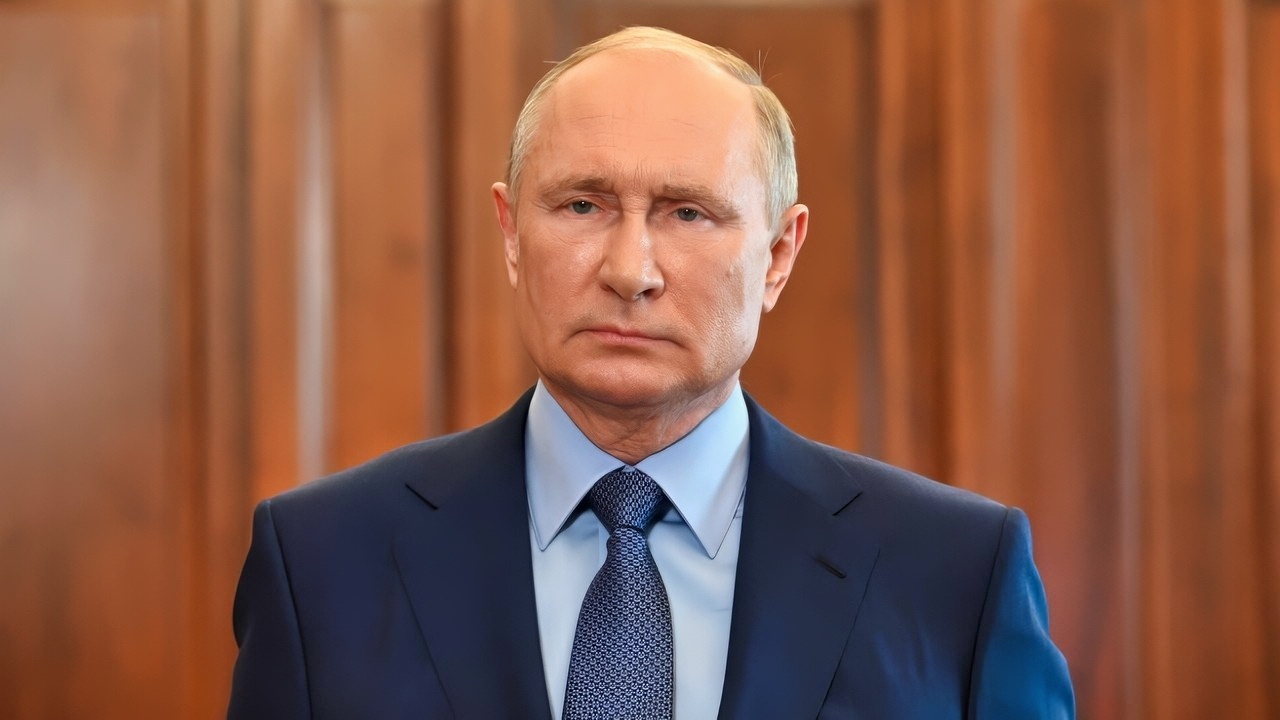
Russian President Vladimir Putin reportedly fears that ending the war in Ukraine without a victory could threaten his own position — even as mounting military and economic problems give the Kremlin reasons to seek a way out.
“They will hang me,” Putin told people around him at some point during the war, according to sources close to the Russian president cited by The Economist newspaper.
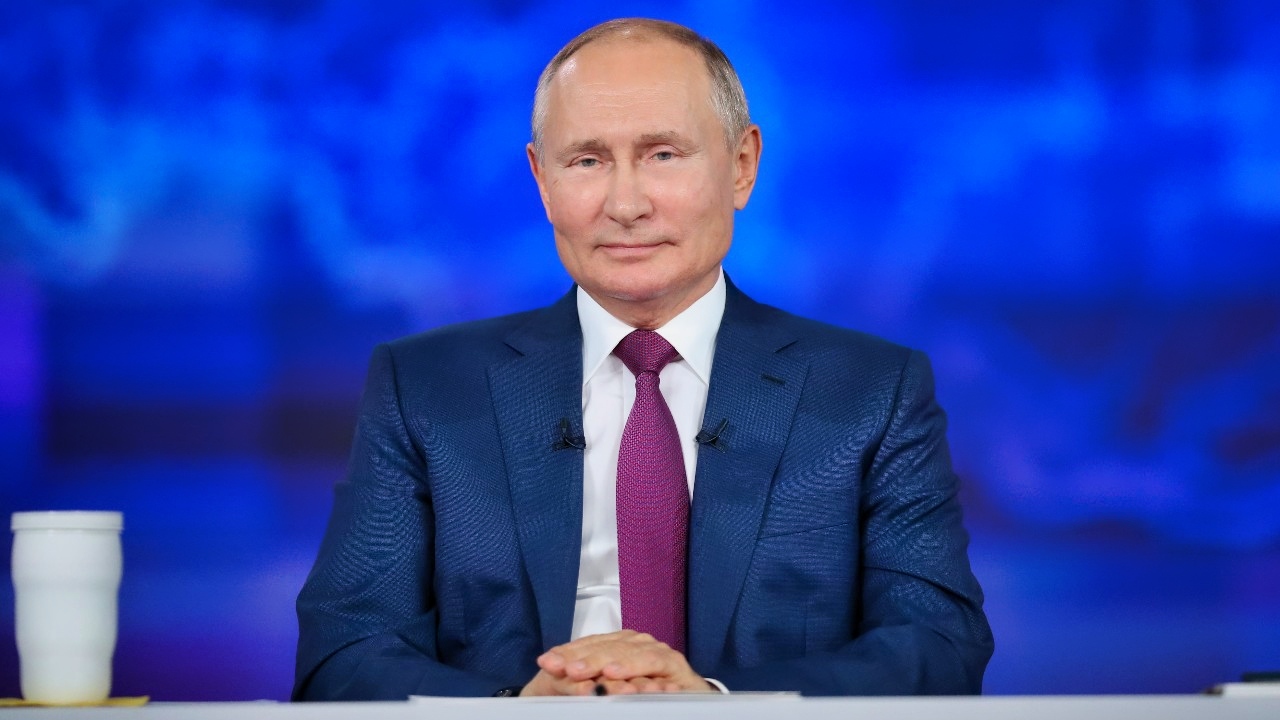
Vladimir Putin of Russia. Image Credit: Creative Commons.
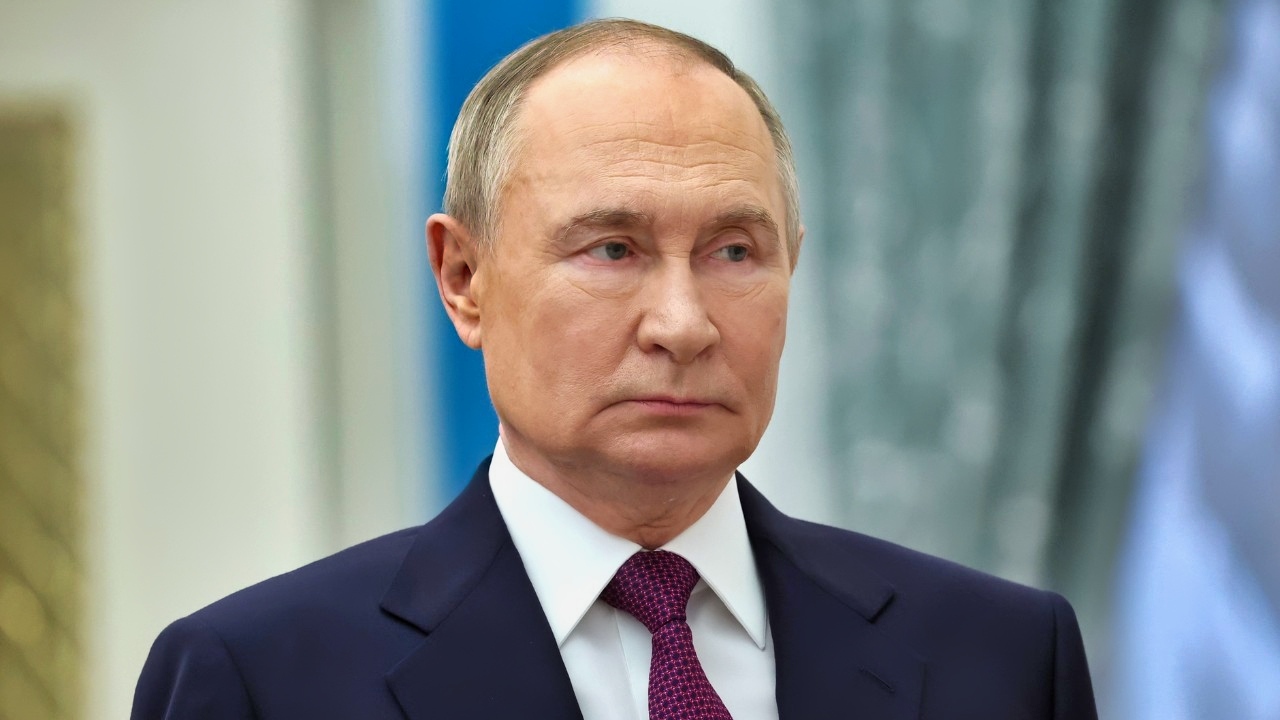
Putin in May 2025. Image Credit: Russian Federation Government.
The publication did not provide the context of the remark or say when it was made.
Peace, however, seems to be the last thing on Russia’s mind.
Moscow has announced plans for new large-scale attacks on Ukraine’s energy infrastructure, while Russian military planners have reportedly been ordered to draw up possible operations toward Kyiv and Chernihiv.
The ‘Naked Tsar’
The Economist’s interviews suggested growing pessimism among members of Russia’s elite after nearly five years of war.
“There is a growing feeling that the tsar is naked,” one member of the Russian elite told the publication.
Another source said continuing on the current course also carried risks for the Kremlin. “Inertia-driven scenarios are disadvantageous to the Kremlin,” the source said, as Russia consumes economic resources and political capital without achieving a decisive military result.
Independent Russian pollster Levada Center reported in August that almost two-thirds of Russians surveyed favored moving toward peace negotiations, although more than half also supported intensifying strikes on Ukraine if an agreement could not be reached.
Ukrainian drone attacks are also hitting Russia’s domestic fuel supply.
Reuters reported Friday that Russian gasoline production had fallen to about 70 percent of domestic demand in late August after drone attacks forced shutdowns at Perm, Nizhny Novgorod, and Yaroslavl refineries among others.
Secretive CIA Visit to Moscow
CIA Director John Ratcliffe traveled to Moscow last week and presented Alexander Bortnikov, the head of Russia’s FSB security service, with what current and former officials described to The New York Times as a “bleak assessment” of Russia’s military and economic position.
Ratcliffe urged Moscow to enter serious negotiations before conditions worsened.
He has previously said Russia gained only about 1 percent of Ukraine’s territory during the 18 months after he became CIA director, crediting Ukraine’s “mastery” of drone warfare with helping stall Moscow’s advance.
Obviously, that does not mean Russia is likely to act on this advice.
“The issue of peace negotiations: yes, this topic is currently on hold, and there are no new ideas,” Kremlin spokesman Dmitry Peskov said Friday.
Russia Prepares for More Strikes
Russia’s Defense Ministry said Monday that it had begun preparing “massive strikes” against Ukrainian energy facilities in response to what it called continued Ukrainian attacks on Russia’s infrastructure and energy sector.
The threat comes after a weekend of heavy Russian drone strikes. Reuters reported Monday that Kyiv and its surrounding region had endured attacks for a fifth consecutive day.
President Volodymyr Zelensky said Russia fired nearly 1,500 drones over four days, more than half of them jet-powered.
A Russian strike on an ammunition depot near Kyiv on Friday triggered explosions that killed 38 people.
On Monday, strikes injured another four people in the Kyiv region and damaged warehouses, an apartment building, and a retail outlet.
Ukraine’s ongoing shortage of air-defense interceptors and manpower also acts in Russia’s favor. It has carried on building ballistic missiles and has also drawn on North Korean weapon stockpiles.
Ukrainian intelligence also says Russian planners are considering possible operations toward Kyiv and Chernihiv.
Pavlo Palisa, deputy head of Ukraine’s presidential office, said intelligence from several sources showed Russia’s military leadership had been instructed to prepare possible operational scenarios involving Kyiv and Chernihiv.
“Indeed, several options were considered,” Palisa said.
He said Ukraine has detected no new Russian offensive grouping in either direction.
‘Very Dangerous Situation’
The Economist reported that Western intelligence services believe Moscow could expand sabotage against European facilities supporting Ukraine, although they do not currently expect a direct Russian war with NATO.
Former British national security adviser Lord Ricketts told The Sunday Times that “we’re in a very dangerous situation” as Western governments try to deter further Russian escalation.
Reports out of both Russia and Ukraine continue to underline the key problem facing the Kremlin: neither ending the war on its current terms nor continuing it indefinitely appears politically cost-free.
About the Author: Georgia Gilholy
Georgia Gilholy is a journalist based in the United Kingdom who has been published in Newsweek, The Times of Israel, and the Spectator. Gilholy writes about international politics, culture, and education.