
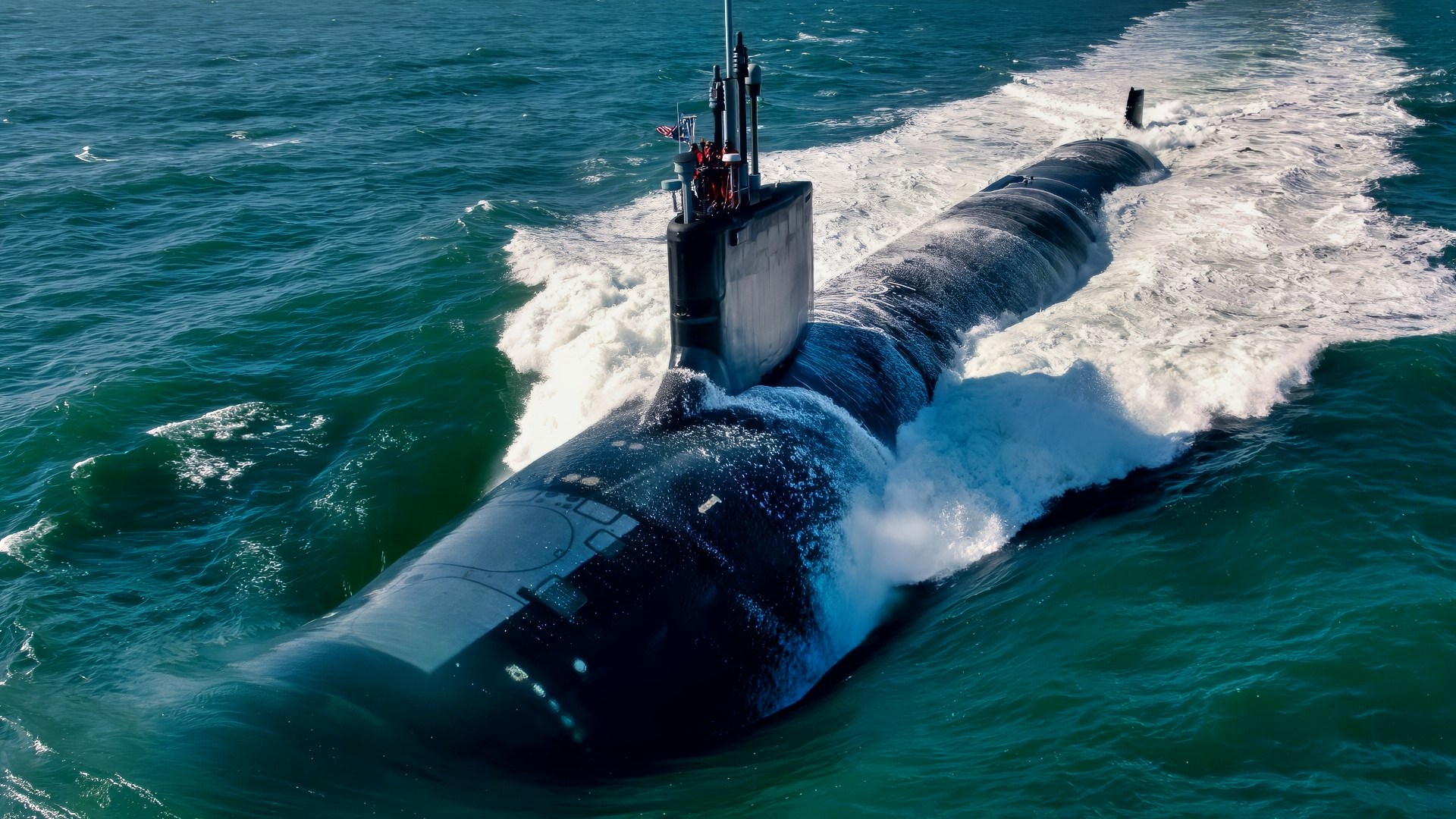
Summary and Key Points: Defense analyst Jack Buckby evaluates the critical “magazine depth” crisis facing the U.S. Navy as the four Ohio-class SSGNs (USS Ohio, Michigan, Florida, and Georgia) enter retirement.
-With each boat carrying 154 Tomahawks, the fleet’s decommissioning removes over 600 VLS cells from the undersea inventory.
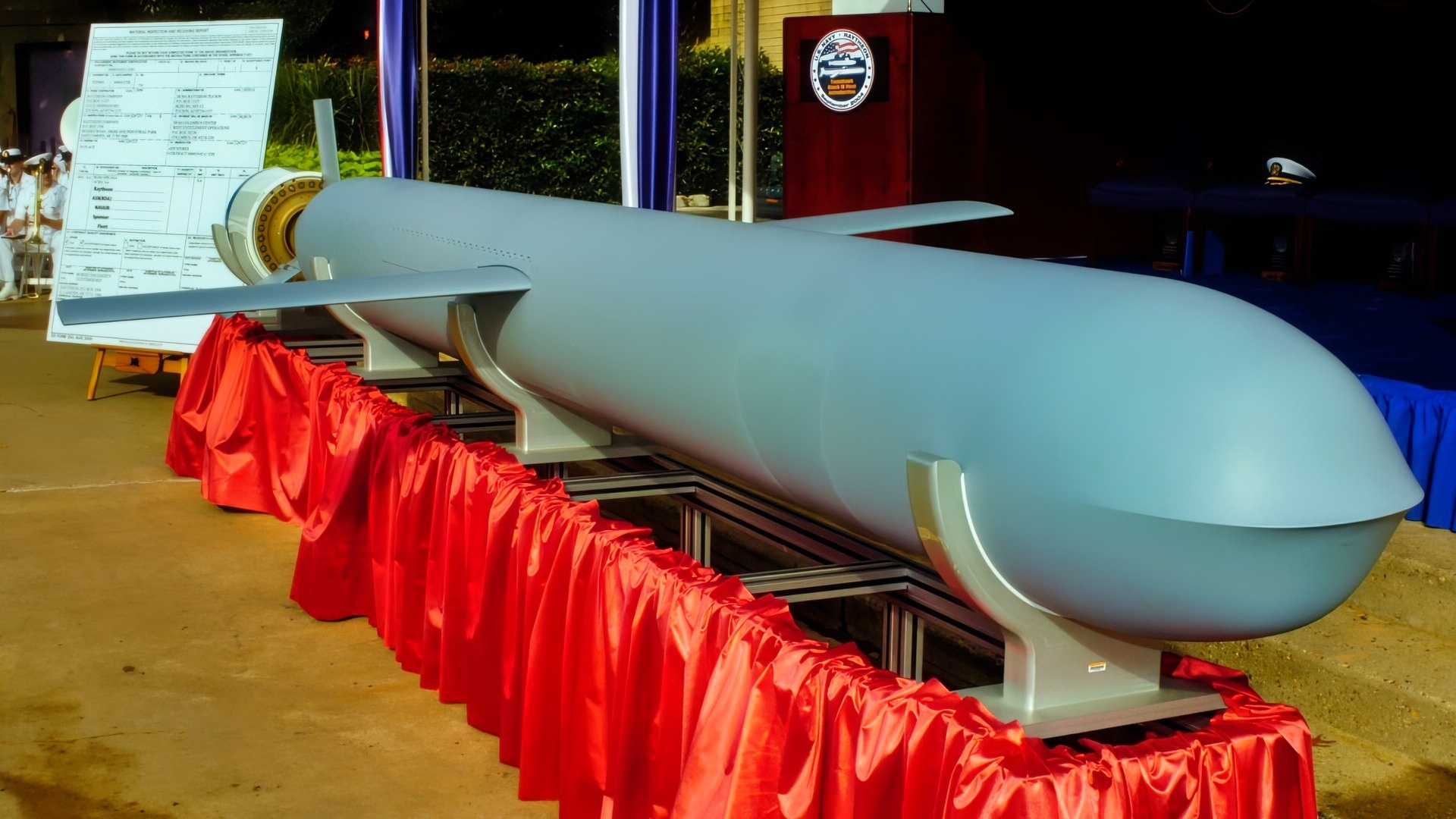
Tomahawk Block IV Missile. Image Credit: Creative Commons.
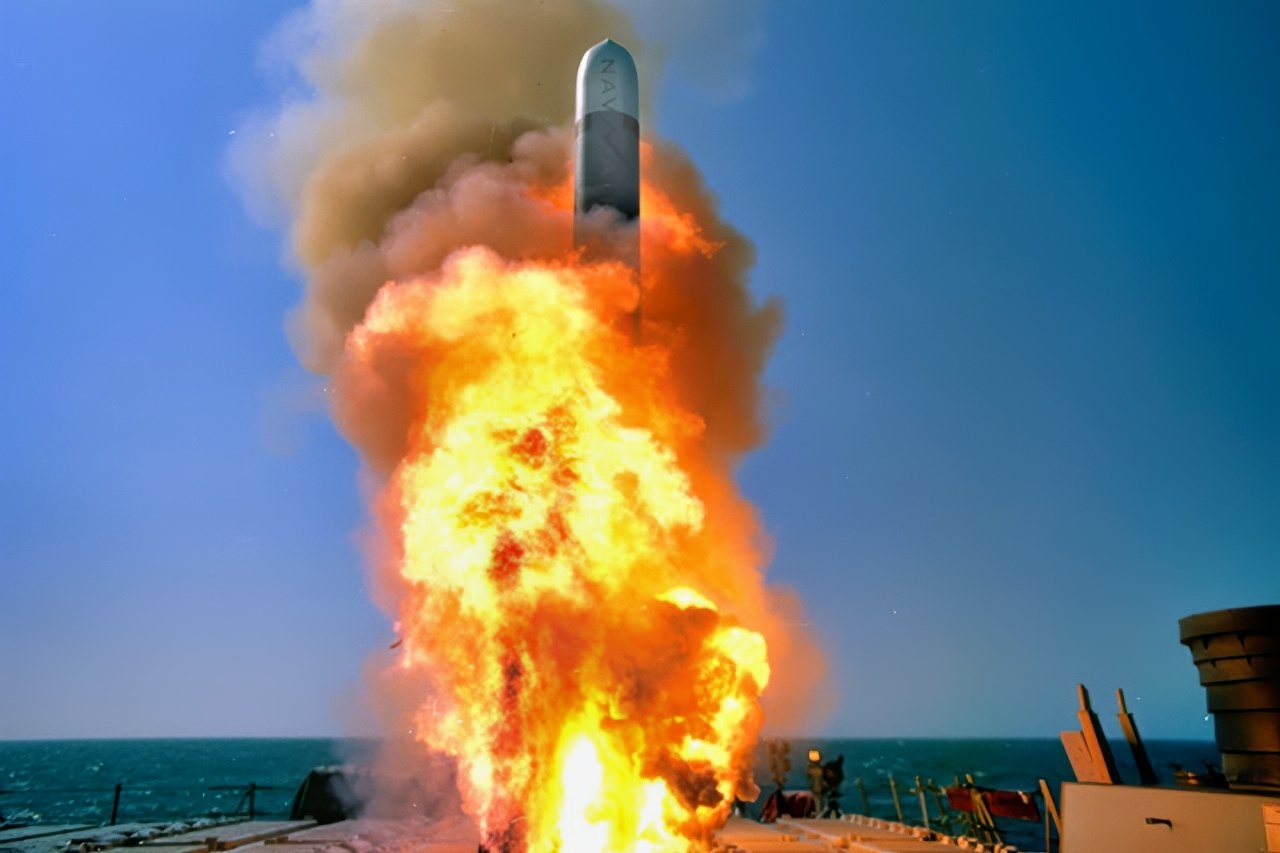
Tomahawk Launch. Image Credit: Creative Commons.
-This report analyzes the Virginia Payload Module (VPM), which increases Block V Virginia-class capacity to 40 missiles, yet fails to provide a like-for-like replacement for the Ohio’s concentrated mass.
-Buckby explores how shipyard production rates of 1.1 hulls per year are creating a strategic strike gap that may last until the mid-2030s.
Can the Virginia Block V Really Replace Ohio Subs?
The U.S. Navy is preparing to retire one of its most powerful conventional strike platforms: the Ohio-class guided-missile submarine (SSGN).
Over the next several years, all four of these converted Cold War submarines will leave service, eliminating a unique capability the Navy has relied on for decades – the ability to launch massive salvos of Tomahawk cruise missiles from stealthy underwater platforms.
Each Ohio-class SSGN can carry up to 154 Tomahawk land-attack missiles, meaning the four-boat fleet can deploy more than 600 cruise missiles at once. The Navy does, however, have a plan to mitigate the loss with the Virginia-class Block V attack submarine equipped with the Virginia Payload Module (VPM).
These subs will carry significantly more cruise missiles than earlier Virginia boats and are intended to restore some of the strike capacity lost when the Ohio SSGNs retire.
But the replacement is not a simple like-for-like swap. Each Virginia Block V submarine carries far fewer missiles than the Ohio SSGNs, and the U.S. submarine industrial base is already struggling to produce new boats quickly enough. The result is a growing concern among analysts that the Navy could face a significant gap in undersea strike power for years.
Why the Ohio-Class SSGNs Are Being Retired
The four Ohio-class SSGNs currently in service – USS Ohio, Michigan, Florida, and Georgia – were originally built in the 1980s as ballistic missile submarines designed to carry nuclear Trident missiles.
After the Cold War, the United States reduced the size of its nuclear submarine fleet under arms control agreements. Instead of scrapping the four oldest boats, the Navy converted them into cruise-missile submarines between 2002 and 2008. That conversion turned the vessels into some of the most heavily armed conventional submarines ever built.
Their large missile tubes, which were originally designed for Trident nuclear missiles, were modified to hold large numbers of Tomahawk cruise missiles, giving them unmatched conventional strike capacity. But the submarines are reaching the end of their operational lives. After all, nuclear submarines have a finite service lifespan due to their reactors and general structural fatigue, and the Ohio SSGNs will hit that limit in the late 2020s.
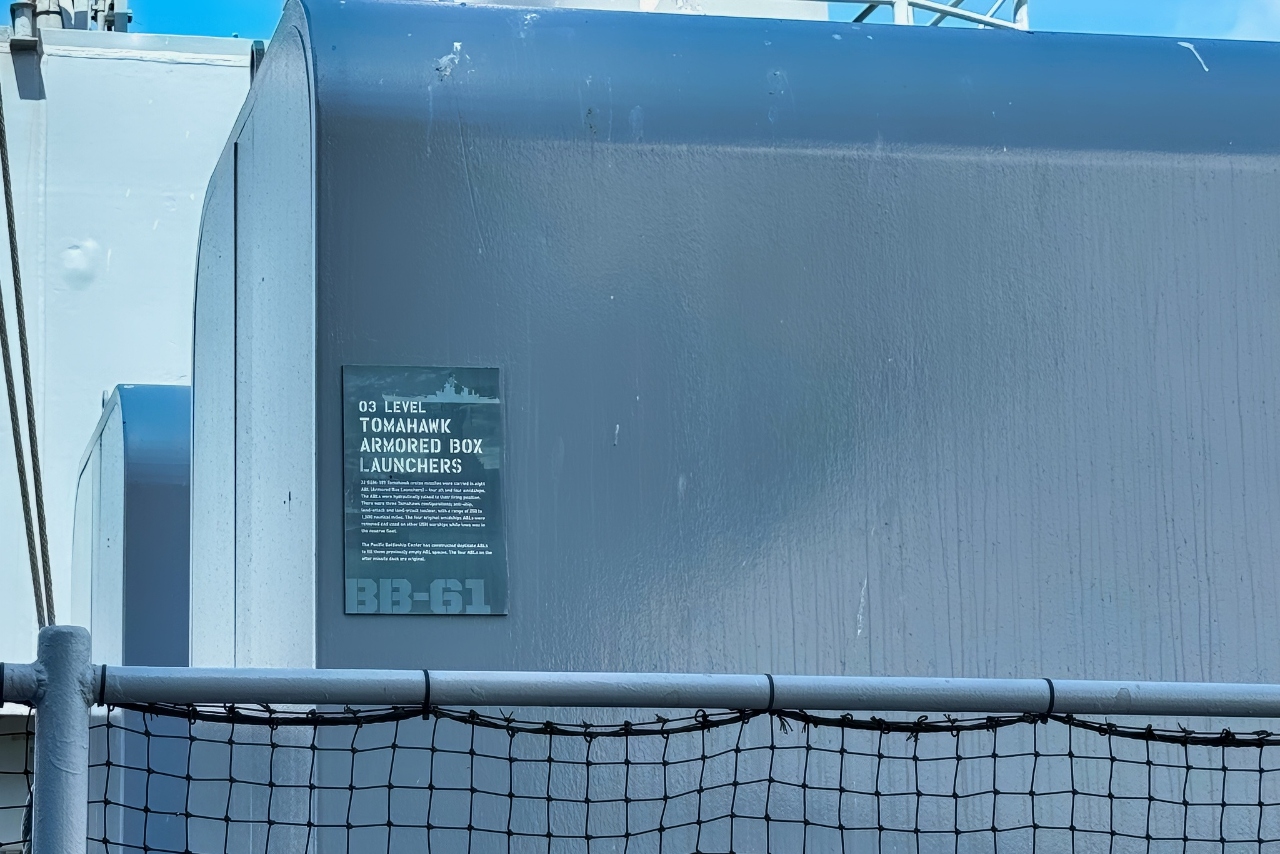
USS Iowa Tomahawk Box. National Security Journal Photo.
The Navy therefore plans to retire two of the submarines in 2026 and the remaining two in 2028, effectively eliminating the entire class.
The Scale of the Firepower the Navy Is Losing
Together, the four Ohio-class boats represent more than half of the submarine force’s vertical-launch payload capacity, making them some of the most powerful conventional strike platforms in the U.S. arsenal today.
This kind of firepower has real value. In recent U.S. strikes against Iranian military targets, cruise-missile submarines were used alongside stealth bombers to hit key infrastructure. During one such attack, an SSGN reportedly launched dozens of Tomahawk missiles as part of a coordinated strike package.
Tomahawks are typically used in the opening stages of military campaigns like this to destrouy air defenses and radar systems, missile launch sites, command facilities, and other targets that would help an adversary defend itself or strike back.
Then, aircraft move into the contested airspace. Tomahawks allow the United States to strike targets deep inside enemy territory while minimizing the risk to pilots and surface ships. Losing the Ohio SSGNs, therefore, means losing the Navy’s ability to launch extremely large cruise-missile barrages from stealth platforms at an incredible scale and pace.
The Planned Replacement
To offset the loss, the Navy is introducing the Virginia Payload Module on Block V Virginia-class submarines. The VPM adds a large hull section containing four vertical payload tubes capable of carrying additional Tomahawk missiles or other payloads.
The upgrade significantly increases the submarine’s strike capacity. Earlier Virginia-class submarines typically carried around 12 Tomahawk missiles, but the Block V VPM configuration raises that number to roughly 40 missiles per boat.
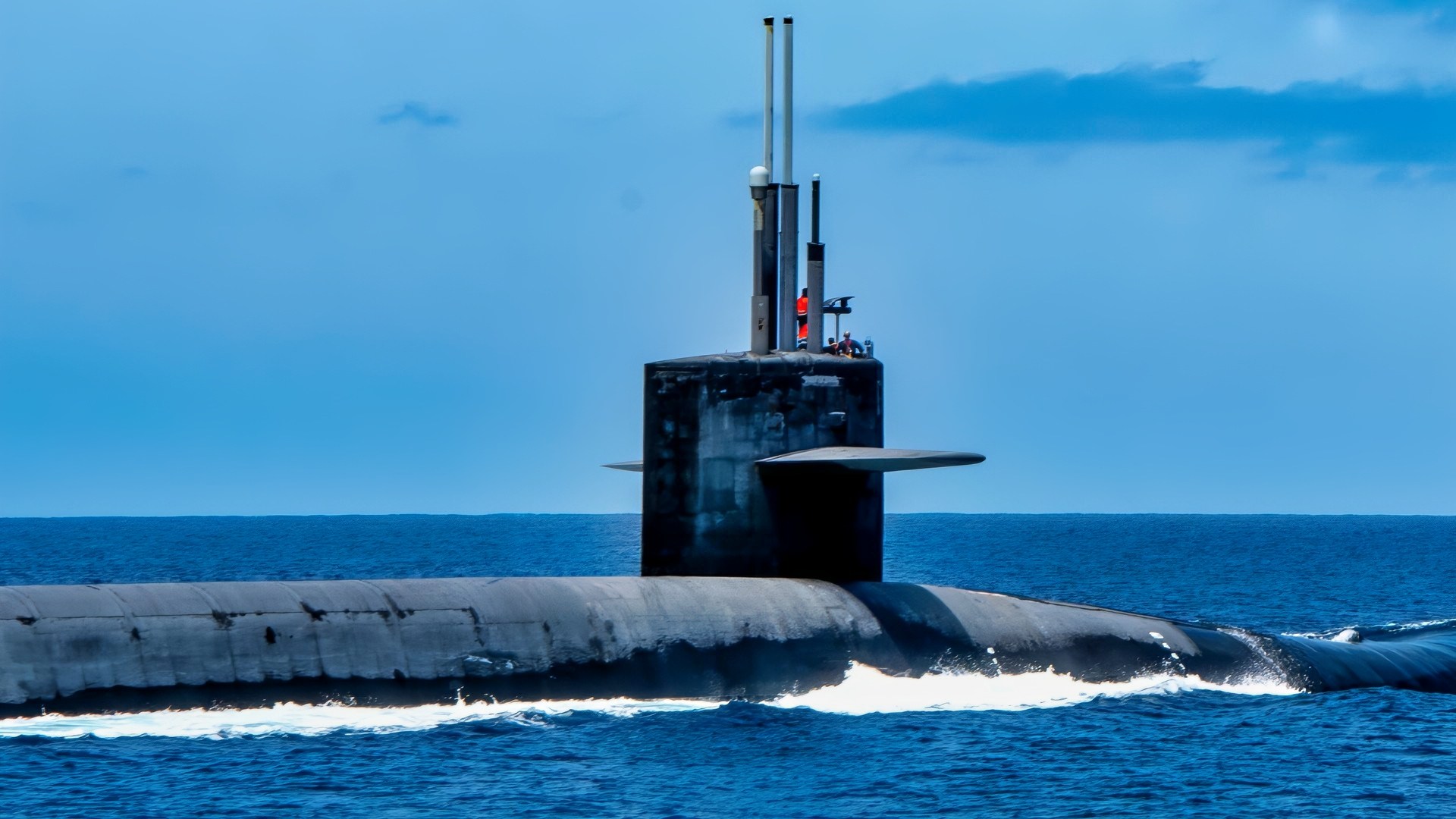
(July 29, 2025) – A U.S. Air Force A10C Thunderbolt II flies over the Ohio-class ballistic missile submarine USS Kentucky (SSBN 737) in the Pacific Ocean, July 29, 2025. The armed airborne escort exercise is designed to increase and demonstrate the Joint Force’s capability to protect strategic assets like Kentucky. Submarine Group (SUBGRU) 9, exercises administrative and operational control authority for assigned submarine commands and units in the Pacific Northwest providing oversight for shipboard training, personnel, supply and material readiness of submarines and their crews. SUBGRU-9 is also responsible for nuclear submarines undergoing conversion or overhaul at Puget Sound Naval Shipyard in Bremerton, Washington. (U.S. Navy Photo by Lt. Zachary Anderson)
But even with that improvement, the maths still paint a worrying picture. Here’s why: an Ohio-class SSGN carries 154 missiles, while a Block V Virginia carries about 40. In other words, it takes nearly four Virginia submarines to match the missile load of a single Ohio SSGN.
Replacing the total missile capacity of the four SSGNs could therefore require around 22 VPM-equipped submarines.
The Virginia Payload Module helps distribute missile capacity across more submarines, and that does come with some operational advantages – but at the same time, it also means the Navy needs far more boats to generate the same overall firepower.
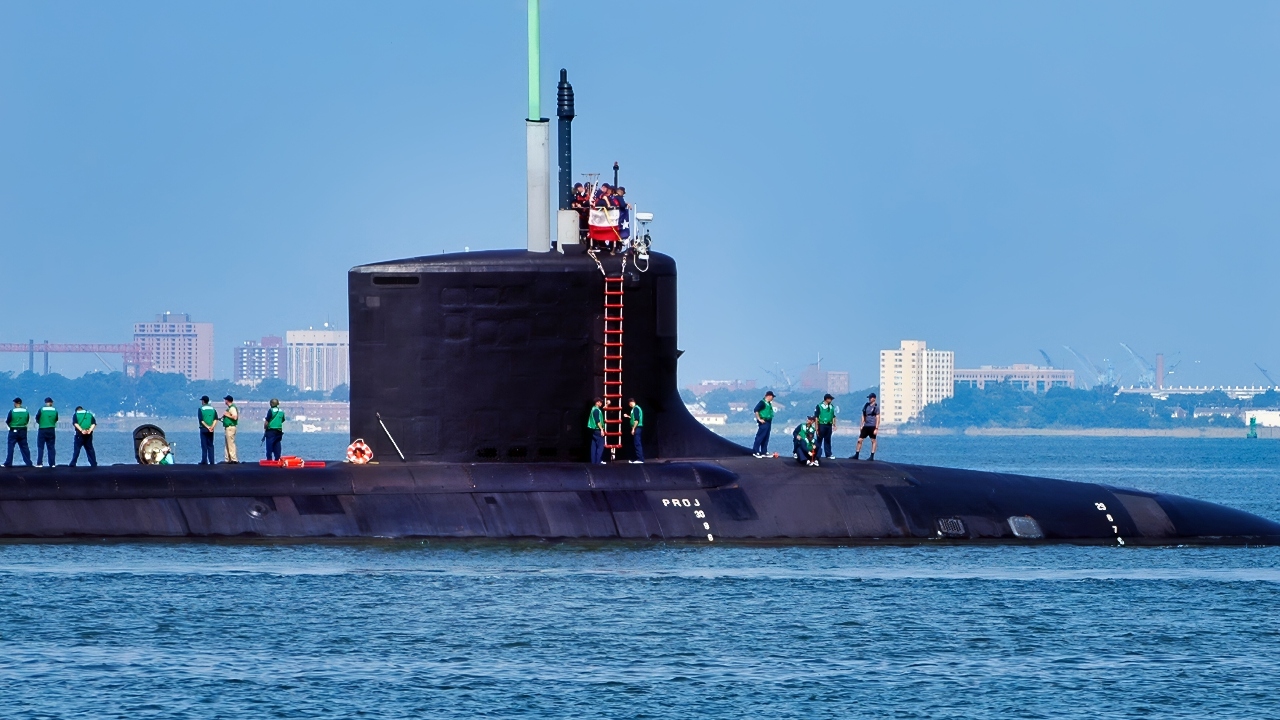
Norfolk, Va. (Aug. 22, 2006) – Sailors stationed aboard the Pre Commissioning Unit (PCU) Texas (SSN 775) stand topside as she gets underway from Naval Station Norfolk.
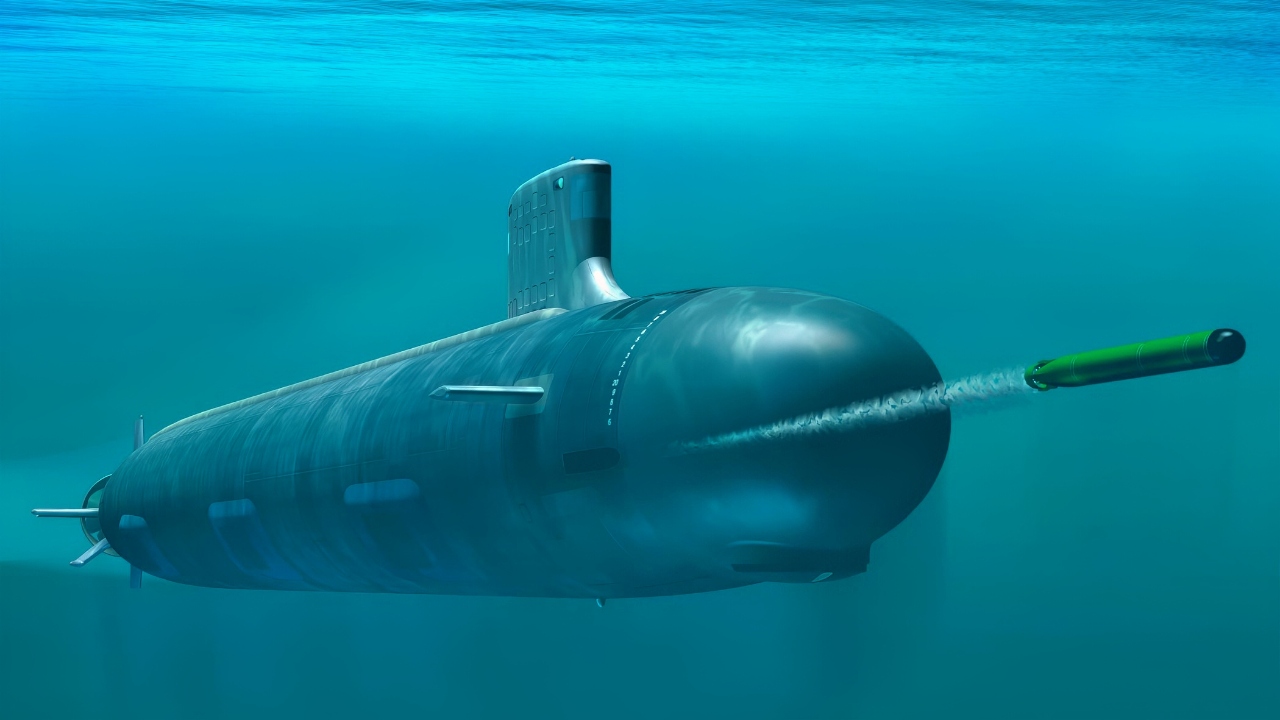
SSN 774 Virginia Class Submarine Artist Rendering from U.S. Navy.
A Missile Gap That Could Last Into the 2030s
The Virginia Payload Module may be the best the Navy can do, but there’s still a problem: building those additional submarines will take some time.
The Navy’s goal is to produce two Virginia-class submarines per year, but production often falls short of targets like this. Delays in shipbuilding are to be expected these days.
Recent reports suggest the industrial base has been producing closer to about 1.1-1.2 submarines per year, which is well below the rate needed to maintain fleet size and replace the retiring vessels. And to complicate matters further, the Navy is simultaneously building the Columbia-class ballistic missile submarines, which are the Pentagon’s top nuclear modernization priority and are therefore competing for the same shipyard resources.
Because each Virginia Block V carries far fewer missiles than an Ohio SSGN, restoring the lost strike capacity will require building large numbers of new submarines – something that could take a decade or longer. The result is a potential situation in which the Navy cannot fully rebuild the lost undersea missile capacity until well into the 2030s, leaving a temporary gap in stealth cruise missile firepower.
At a time when tensions in the Middle East and Indo-Pacific are increasing, the demand for long-range precision strike weapons, that gap could prove strategically significant – and damaging.
About the Author: Jack Buckby
Jack Buckby is a British researcher and analyst specialising in defence and national security, based in New York. His work focuses on military capability, procurement, and strategic competition, producing and editing analysis for policy and defence audiences. He brings extensive editorial experience, with a career output spanning over 1,000 articles at 19FortyFive and National Security Journal, and has previously authored books and papers on extremism and deradicalisation.