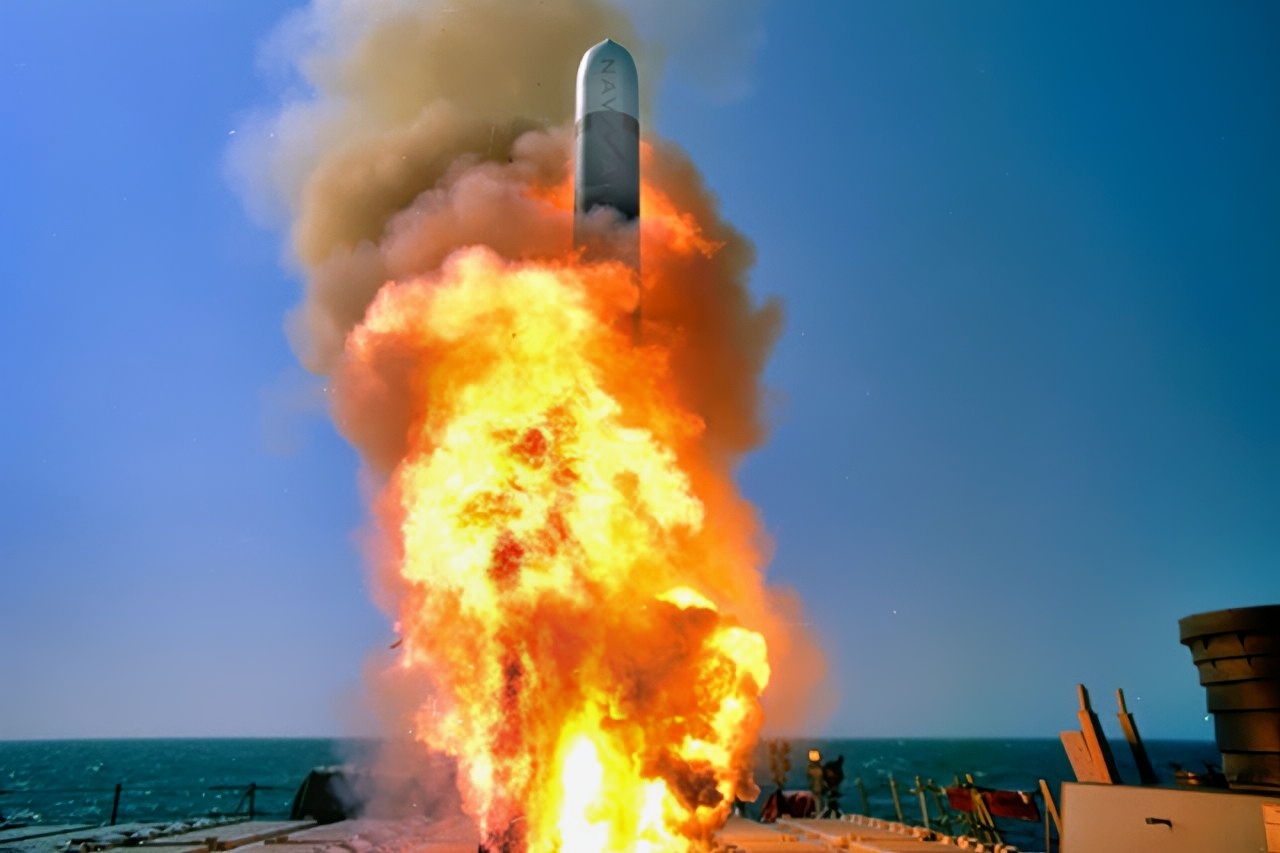
The United States has used “virtually all” of its most valuable land-based, long-range precision missiles during five months of conflict with Iran, potentially leaving the Pentagon dangerously short of weapons designed to prepare for a larger conflict with China or Russia – and opening the door to concessions for Tehran.
Speaking to Reuters, two sources familiar with internal data said that the U.S. military had consumed almost all available Army Tactical Missile Systems (ATACMs) and Precision Strike Missiles (PrSMs).
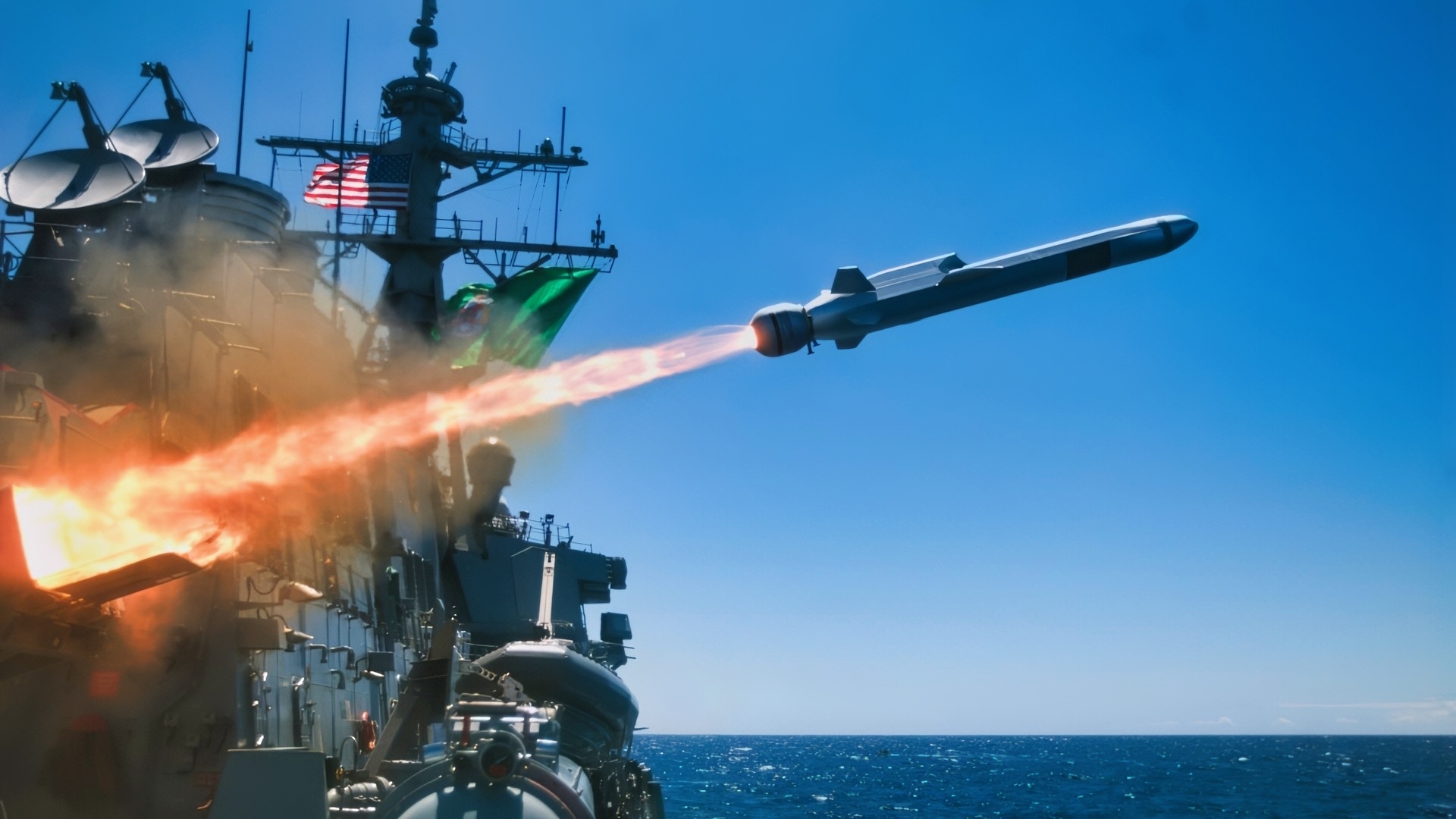
The Arleigh Burke-class guided-missile destroyer USS Fitzgerald (DDG 62), while participating in Exercise Rim of the Pacific (RIMPAC) 2024, fires the first naval strike missile from a U.S. destroyer July 18. Twenty-nine nations, 40 surface ships, three submarines, 14 national land forces, more than 150 aircraft, and 25,000 personnel are participating in RIMPAC in and around the Hawaiian Islands, June 27 to Aug. 1. The world’s largest international maritime exercise, RIMPAC provides a unique training opportunity while fostering and sustaining cooperative relationships among participants critical to ensuring the safety of sea lanes and security on the world’s oceans. RIMPAC 2024 is the 29th exercise in the series that began in 1971. (U.S. Navy photo by Mass Communication Specialist 2nd Class Jordan Jennings)
A third source also said that the military had fired just less than half of its global Tomahawk cruise missile inventory since February.
The figures could not be independently verified but appear to reflect similar assessments from recent weeks, suggesting U.S. stockpiles were running low.
The figures have reportedly circulated within the federal government during discussions about whether continued attacks on Iran would reduce American readiness elsewhere, or even achieve the desired effect as Washington pushes for negotiations with Tehran.
The news could provide the Islamic regime with a valuable point of leverage as it seeks to take full control over the Strait of Hormuz.
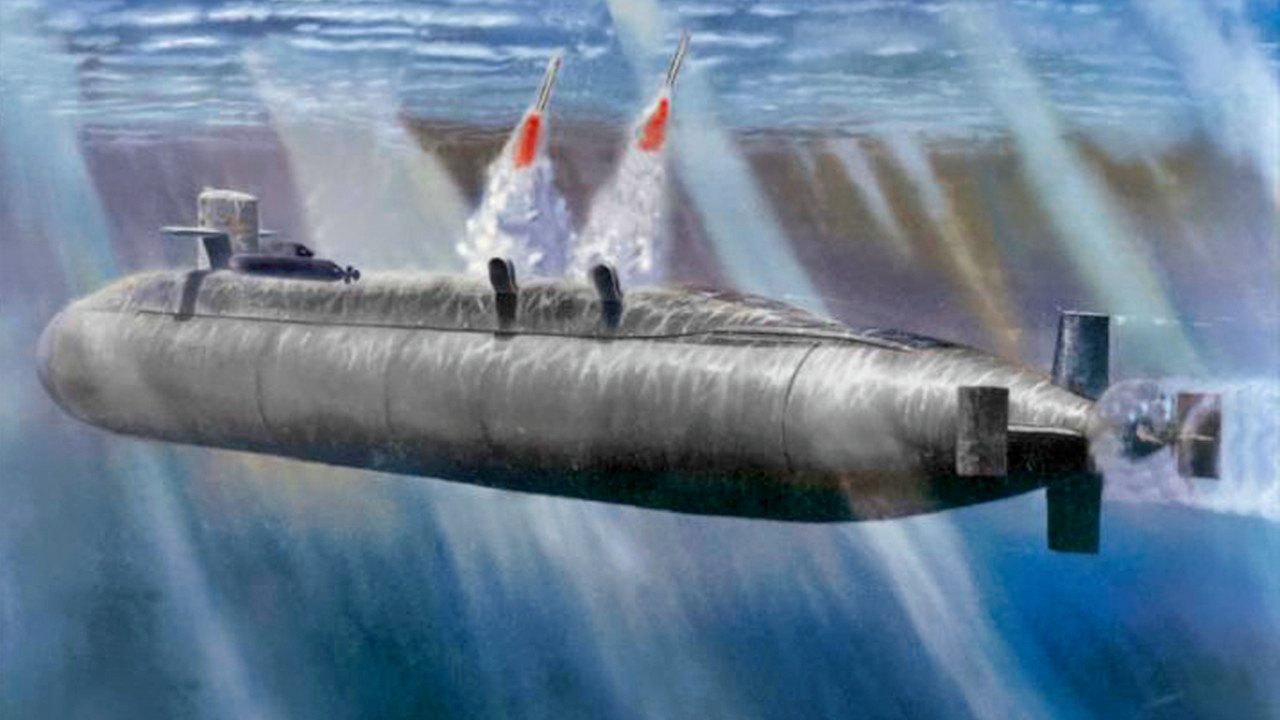
Puget Sound Naval Shipyard, Wash. (Aug. 14, 2003) — Illustration of USS Ohio (SSGN 726) which is undergoing a conversion from a Ballistic Missile Submarine (SSBN) to a Guided Missile Submarine (SSGN) designation. Ohio has been out of service since Oct. 29, 2002 for conversion to SSGN at Puget Sound Naval Shipyard. Four Ohio-class strategic missile submarines, USS Ohio (SSBN 726), USS Michigan (SSBN 727) USS Florida (SSBN 728), and USS Georgia (SSBN 729) have been selected for transformation into a new platform, designated SSGN. The SSGNs will have the capability to support and launch up to 154 Tomahawk missiles, a significant increase in capacity compared to other platforms. The 22 missile tubes also will provide the capability to carry other payloads, such as unmanned underwater vehicles (UUVs), unmanned aerial vehicles (UAVs) and Special Forces equipment. This new platform will also have the capability to carry and support more than 66 Navy SEALs (Sea, Air and Land) and insert them clandestinely into potential conflict areas. U.S. Navy illustration. (RELEASED)
Five Months Of Strikes Deplete Arsenal
The latest conflict with Iran began in February 2026, with Washington initially expressing confidence that the conflict would not last long.
But now, U.S. forces have spent five months striking Iranian military installations and command centers, air defense sites, and a range of other targets throughout Iran – and still, no deal appears to be on the table.
By the time of the ill-fated June “memorandum of understanding” ceasefire, U.S. Central Commander Adm. Brad Cooper said that American forces had fired 13,629 strike munitions against more than 13,000 targets. The Center for Strategic and International Studies estimated that additional weapons were used after fighting resumed, including 49 Tomahawks during one June 10 operation.
According to one person familiar with the figures, U.S. Central Command (CENTCOM) drew replacement land-based missiles from American inventories positioned elsewhere, meaning that the depletion of missiles has now expanded beyond the Middle East.
What Trump Says
Following similar reports in recent days that the U.S. has depleted its missile arsenal, President Donald Trump pushed back, insisting that the United States has a large remaining stockpile. He told the Wall Street Journal that the U.S. has “far more munitions than anyone in the world” and “far more than we need.”
When asked for a response about the specific claims made by Reuters this week, the White House issued a statement from the president, again insisting that the United States has more munitions than it needs. Trump also said that U.S. defense firms are currently making more munitions to replace the stockpile.
“Our defense companies are, at this moment, making more munitions than they have ever made before, in addition to expanding their plants and equipment at record levels,” the statement explained.
These Missiles Matter
The missiles that are reportedly depleted as a result of the Iran campaign are among the Pentagon’s most important long-range conventional strike weapons.
ATACMS and its replacement, the newer Precision Strike Missile, are launched from HIMARS and M270 rocket launchers.
They are designed to destroy large, high-value targets, ranging from enemy command centers and missile launchers to air defense batteries and logistics hubs, from hundreds of kilometers away.
Tomahawk missiles perform a similar role, but at sea. They allow U.S. submarines and destroyers to strike heavily defended targets without placing aircraft or pilots at risk, thanks to their long range.
The Pentagon has spent years developing these capabilities with a potential conflict against China in mind – and now, those preparations have been undercut.
The Army plans to deploy HIMARS batteries and PrSM missiles across islands throughout the western Pacific, where they could strike Chinese radar sites, missile batteries, ports, and naval vessels while remaining outside many enemy defenses.
Unlike ATACMS, the PrSM carries two missiles per launcher pod instead of one, offers substantially greater range, and is specifically intended to support U.S. operations in the Indo-Pacific.
Needed In Iran
Those exact capabilities have proven invaluable against Iran, though using these assets has not yet secured a deal and there is no sign of the fighting ending any time soon – unless, of course, you believe the White House’s claim that a deal could arrive as soon as “tomorrow.”
Rather than repeatedly sending manned aircraft into defended Iranian airspace, U.S. forces have relied heavily on long-range precision weapons to strike air defense systems and military infrastructure from standoff distances.
Trump may well be right that U.S. defense firms are producing more missiles, but that process takes time – and with hundreds depleted, it could be some time before the U.S. is back to its pre-war stockpile. And in the meantime, the threats from Russia and China are only growing.
About the Author: Jack Buckby
Jack Buckby is a British researcher and analyst specializing in defense and national security, based in New York. His work focuses on military capability, procurement, and strategic competition, producing and editing analysis for policy and defense audiences. He brings extensive editorial experience, with a career output spanning over 1,000 articles at 19FortyFive and National Security Journal, and has previously authored books and papers on extremism and deradicalization.