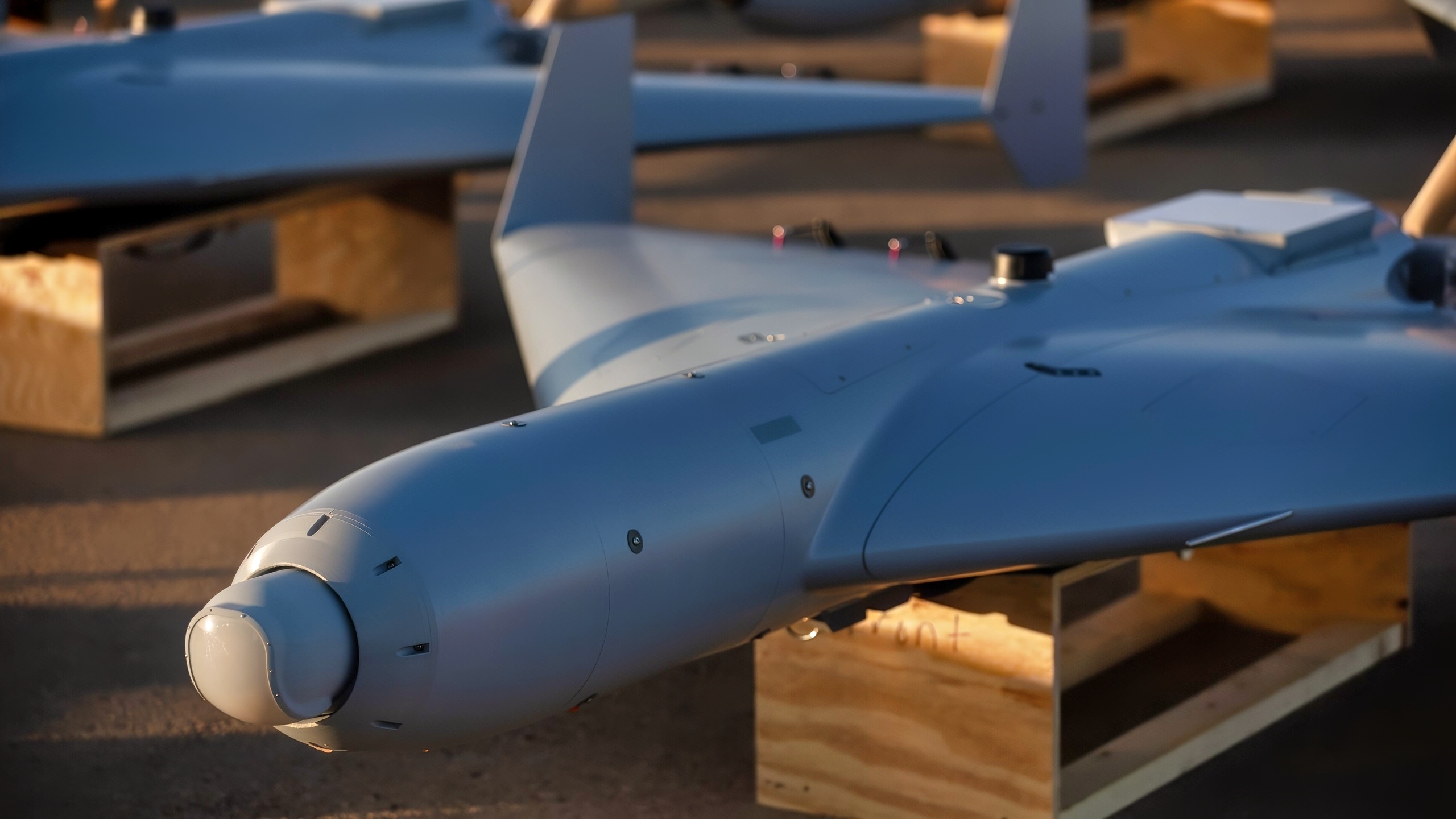
A Tomahawk Costs $2 Million — The LUCAS Drone Does the Same Job for $35,000, and the Pentagon Can Build Hundreds for the Price of a Few Missiles
Nothing demonstrates the greatest military superpower like having to reverse-engineer a drone from the Islamic Republic of Iran. But that’s exactly what the Low-Cost Uncrewed Combat Attack System (LUCAS) is.
It’s a dynamic, deadly, and cost-effective system.
Cheaper is Better in Modern War
A one-way attack “Kamikaze” drone is designed to loiter then dive into targets. They are built to be cheap, mass-producible, and expendable.
Indeed, they are affordable. At just around $10,000-$55,000 per drone, this reverse-engineered drone is more than worth the time and effort put into building it. LUCAS has a range of about 300-500 miles and is intended to strike enemy infrastructure, air defenses, and missile launchers.
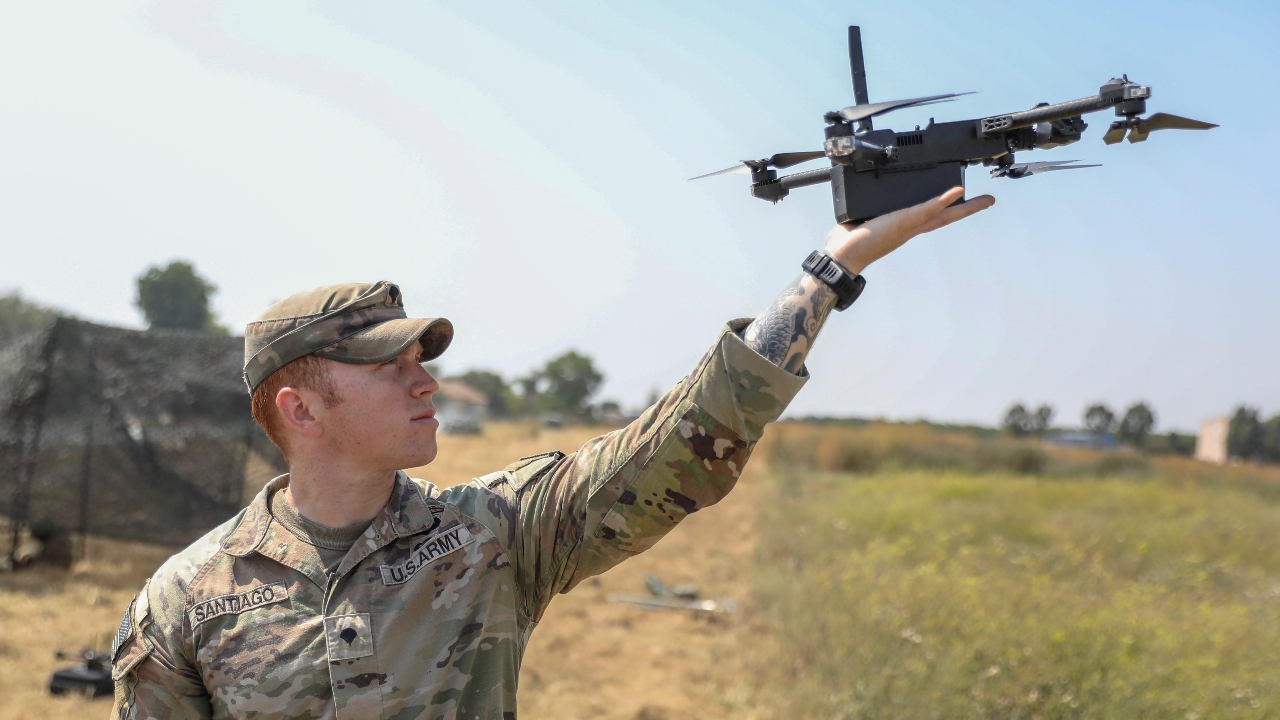
U.S. Army Spc. Harry Santiago IV, assigned to the Multi-Functional Reconnaissance Company, 2nd Brigade Combat Team, 101st Airborne Division (Air Assault), launches a Skydio X2D drone on Mihail Kogalniceanu Air Base, Romania, July 09, 2025. V Corps provides essential support to multinational training and exercises of robust and evolving complexity, scope, scale, rigor, and operational conditions and provides targeted security force assistance alongside national and multinational corps and divisions. (U.S. Army photo by Spc. Breanna Bradford)
The drone is basically a flying artillery shell equipped with a brain.
As the country long considered the world’s most advanced military power, it has been decades since the United States captured enemy technology and reverse-engineered it.
The specific system the Americans captured and reverse-engineered is Iran’s Shahed-136. Iran’s Shahed drones have dominated the hostile skies above Ukraine throughout Russia’s war with Kiev. These drones have inevitably been shot down by NATO-backed Ukrainian forces. Some of them were handed over to the West for study.
LUCAS is the result of that study.
Ripping Off Iran
In an ironic twist, the United States has already confirmed it deployed the LUCAS drone, based on Iran’s Shahed-136design, in its war against the Islamic Republic of Iran.
The LUCAS drone was used to successfully target Iranian Revolutionary Guards Corps (IRGC) command centers, disable air defenses, and strike any missile and drone launch sites the US and Israelis could identify.
Sadly, the Pentagon has since confirmed that they’ve destroyed only about half of Iran’s missile launchers, meaning that Iran remains combat-effective—and the demand for those LUCAS drones will only increase. Indeed, CENTCOM has also confirmed that the LUCAS drones were launched against Iran alongside the usual strike systems of Tomahawk cruise missiles, warplanes, and M142 High Mobility Artillery Rocket System (HIMARS) strikes.
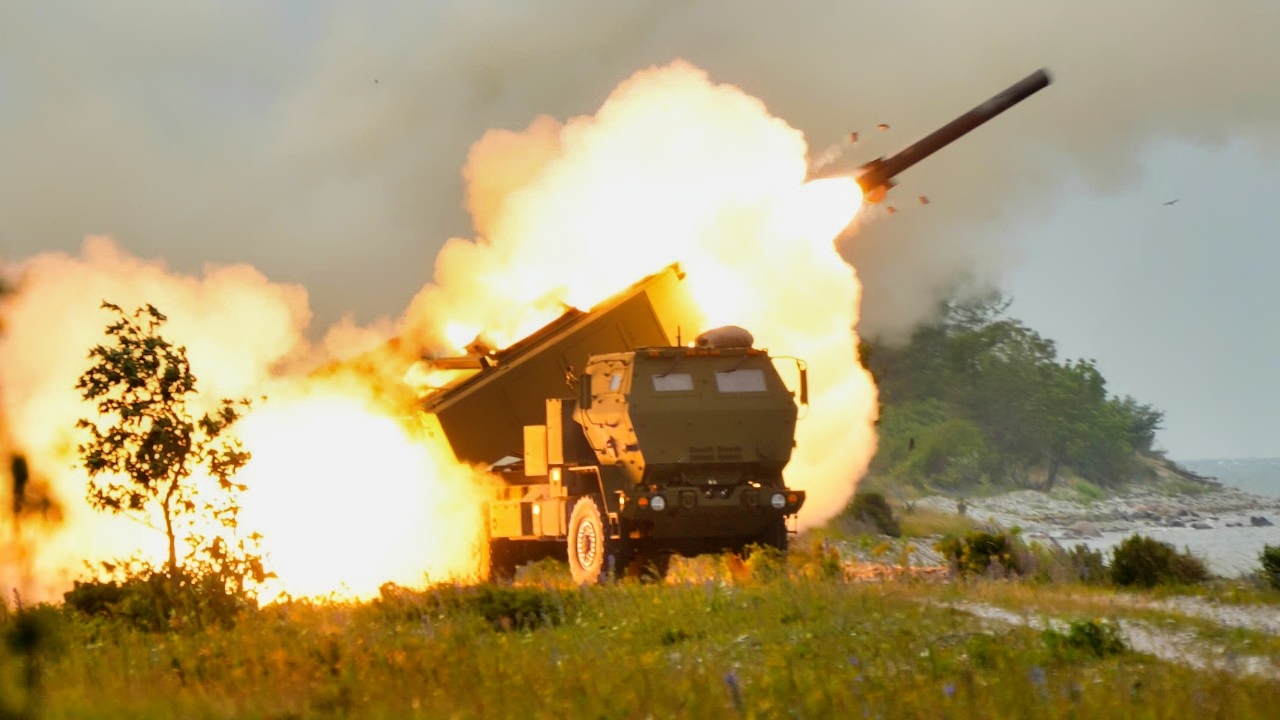
An Estonian Defense Forces M142 High Mobility Artillery Rocket System (HIMARS) fires a training rocket during a live-fire exercise in Undva, Estonia, July 11, 2025. U.S. Army elements from Bravo Battery, 1st Battalion, 14th Field Artillery Regiment, 75th Field Artillery Brigade, supporting Task Force Voit, assisted in the training process. The task force was originally formed in 2023 to support the Estonian Defense Forces in the creation of a HIMARS unit. Task Force Voit works closely with the Estonian Armed Forces, sharing critical defense strategies, training, and military readiness support. The presence of U.S. troops in the region serves as a cornerstone of NATO’s commitment to security in the Baltic region. The task force provides combat-credible forces to V Corps, America’s only forward-deployed corps in Europe. (U.S. Army photo by Staff Sgt. Rose Di Trolio)
While there is much debate about the effectiveness of the US and Israeli strategy for winning the Iran War, there is little doubt among the world’s military experts that the Americans and their partners have managed to significantly degrade key capabilities.
Of course, this degradation has not resulted in the strategic goal of regime change, destroying Iran’s ballistic missile capacity, or eliminating Iran’s suspected nuclear weapons threat; nonetheless, the LUCAS drones have played a crucial role in weakening Iran’s defenses and offensive capabilities.
Here’s why the Pentagon likes it: it’s inexpensive and performs the same function as a Tomahawk cruise missile.
Rebalancing the Imbalance of Unconventional War
Consider it this way: a Tomahawk Land Attack Missile (TLAM) costs about $2 million each. In contrast, the LUCAS drone costs roughly $35,000 per unit. This means you can deploy hundreds of LUCAS drones instead of just a few Tomahawks.
Thanks to its lower cost and simpler technology, the US can produce large numbers of these systems for a fraction of the cost of fewer Tomahawks. Plus, once fired, LUCAS drones are easy to replace, unlike Tomahawks.
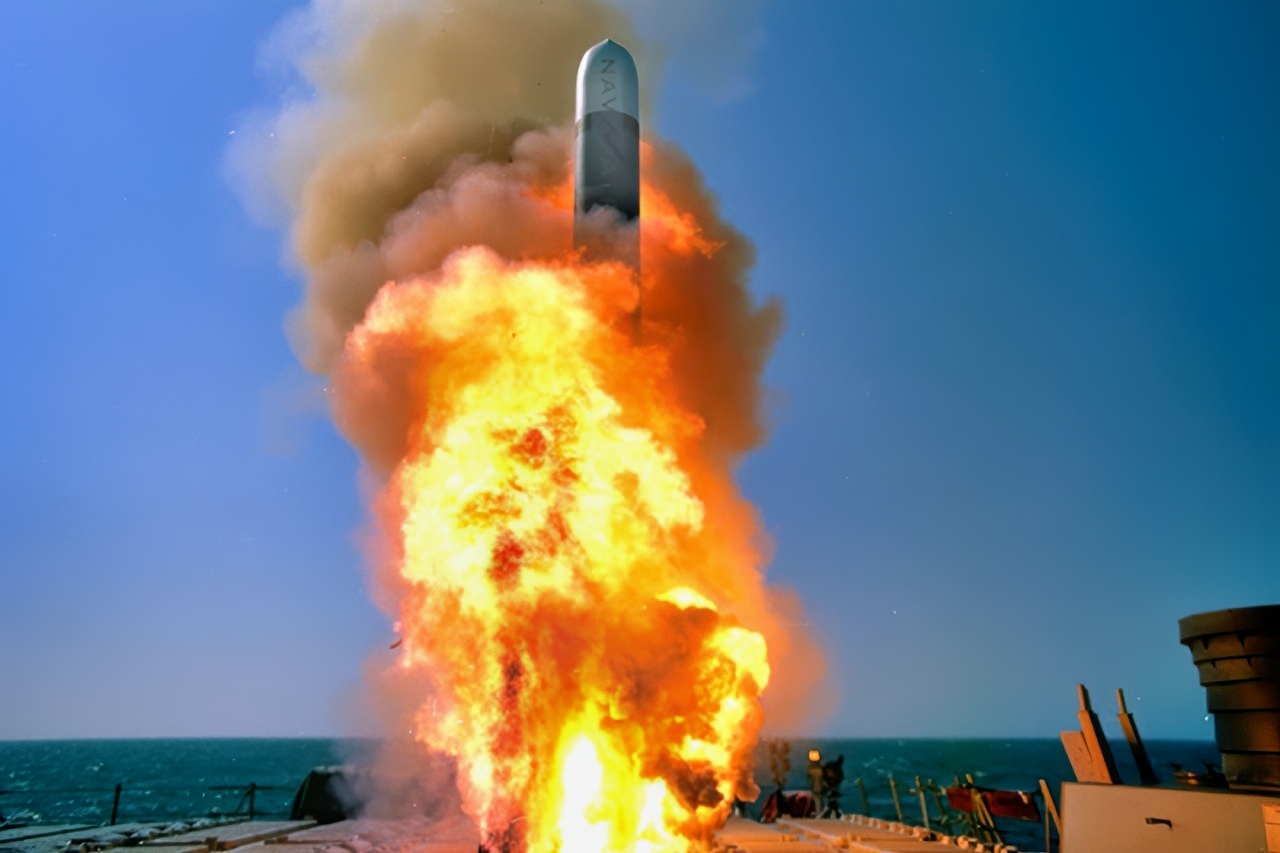
Tomahawk Launch. Image Credit: Creative Commons.
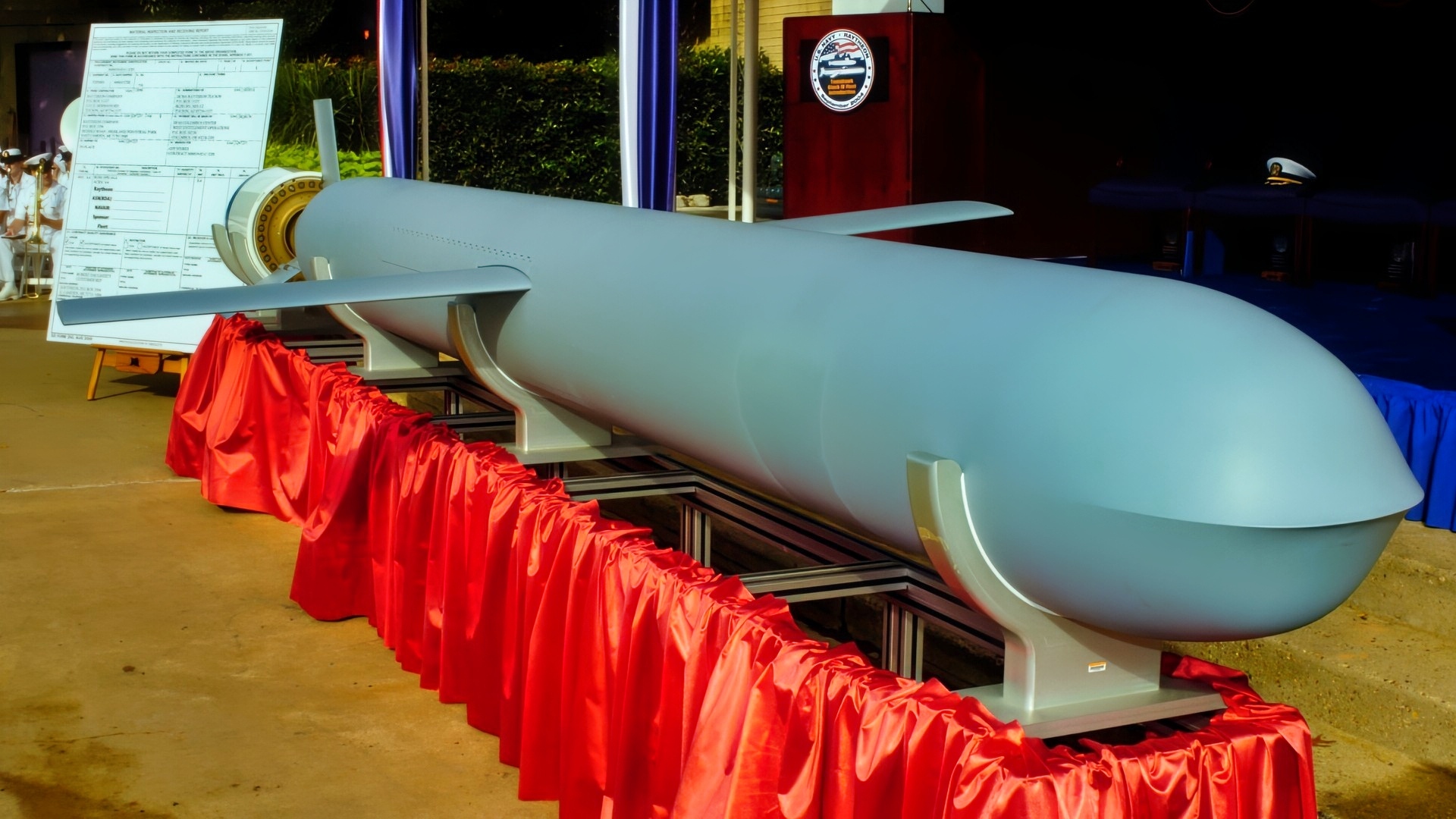
Tomahawk Block IV Missile. Image Credit: Creative Commons.
So, the LUCAS drone helps improve the magazine depth crisis currently affecting the US military.
Another important aspect of the LUCAS drone is that, when deployed in swarms, it saturates air defenses and forces expensive interceptors to be wasted. Essentially, the US is both using Iranian technology and tactics against the Iranians in Operation Epic Fury.
Of course, the Americans are late to the party, and the fact that the US has ripped off the Iranians is embarrassing for a nation that purports to be the world’s sole remaining superpower. Then again, there is no honor among thieves, and the Pentagon is smart to go with what works, even if it is a copy of our enemy.
Unfortunately, the LUCAS drone is not a cure-all.
As Sandboxx, a well-respected defense publication, has shown, the LUCAS drone is slow and vulnerable to advanced air defenses. Additionally, there are concerns that such a system is not suitable against peer adversaries like China. Many experts believe it is well-suited for the Middle East, but they also say the LUCAS drone is less survivable in advanced electronic warfare (EW) battles.
Is the Pentagon Finally Learning How to Fight Modern Wars?
For years, countries like Iran have shown that inexpensive drones are effective. The Americans spent that time mocking it and continuing to acquire a few expensive, high-quality systems. However, eventually, the US copied the Iranians.
They are now deploying that model against Iran. That’s a complete strategic reversal by the Pentagon.
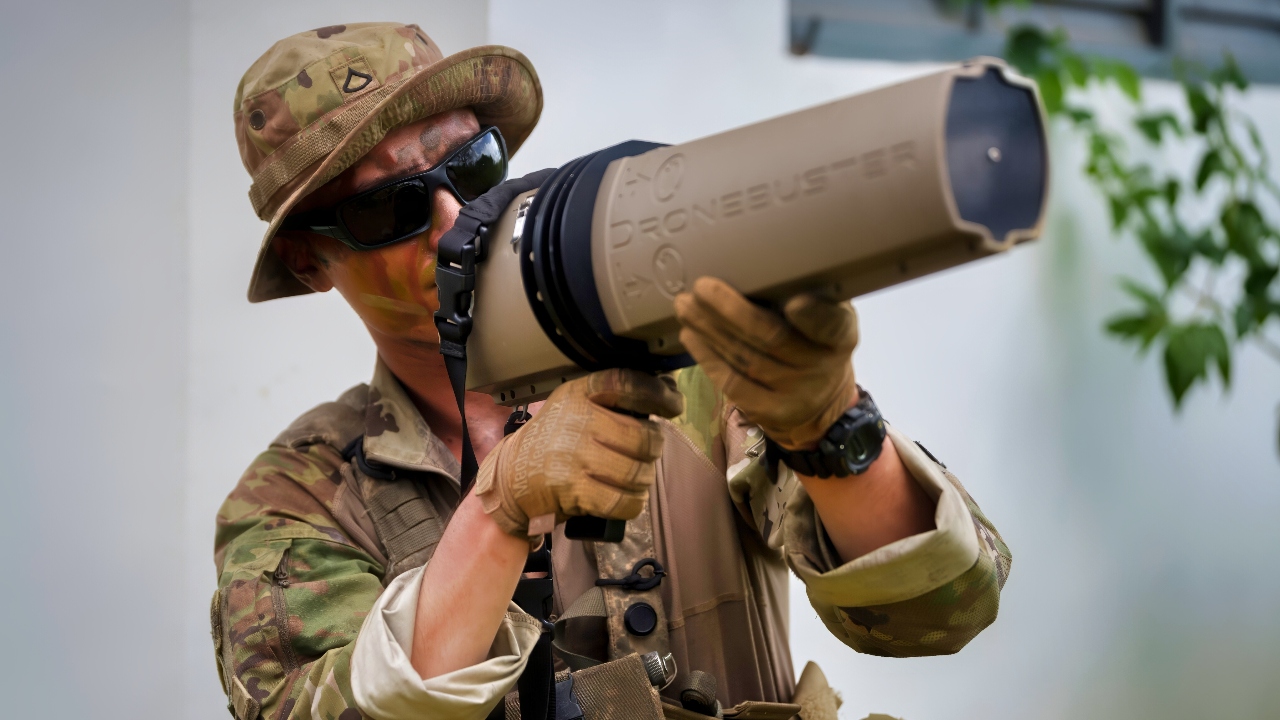
U.S. Army Pvt. 1st Class Ian Wojick, assigned to 552nd Military Police Company, 25th Infantry, aims a DroneBuster, an anti-drone weapon, toward the sky during the Joint Pacific Multinational Readiness Center Exportable (JPMRC-X) exercise at Fort Magsaysay, Philippines, June 1, 2025.
This iteration of the JPMRC-X marks the second Combat Training Center (CTC) rotation conducted in the Philippines. As part of the Army’s premier regional CTC, JPMRC-X enables the U.S. Army, joint force, allies, and partners to develop skills in realistic environments and conditions. Through exportable capabilities, JPMRC-X strengthens war-fighting readiness, enhances multilateral relationships, and contributes to regional security and stability in the Indo-Pacific. (U.S. Army photo by Staff Sgt. Keith Thornburgh)
The main point here is that the most important new American weapon isn’t advanced. It’s cheap, simple, and was stolen from the enemy. Moreover, the Americans didn’t win by out-innovating Iran.
Instead, America succeeded by finally recognizing that Iran (and their backers in Moscow and Beijing) were right about the future of war.
About the Author: Brandon J. Weichert
Brandon J. Weichert is the Senior National Security Editor at 19FortyFive.com. Recently, Weichert became the editor of the “NatSec Guy” section at Emerald. TV. He was previously the senior national security editor at The National Interest. Weichert is the host of The National Security Hour on iHeartRadio, where he discusses national security policy every Wednesday at 8 pm Eastern. He hosts a companion show on Rumble entitled “National Security Talk.” Weichert consults regularly with various government institutions and private organizations on geopolitical issues. His writings have appeared in numerous publications, among them Popular Mechanics, National Review, MSN, and The American Spectator. And his books include Winning Space: How America Remains a Superpower, Biohacked: China’s Race to Control Life, and The Shadow War: Iran’s Quest for Supremacy. Weichert’s newest book, A Disaster of Our Own Making: How the West Lost Ukraine, is available for purchase wherever books are sold. He can be followed via Twitter/X @WeTheBrandon.