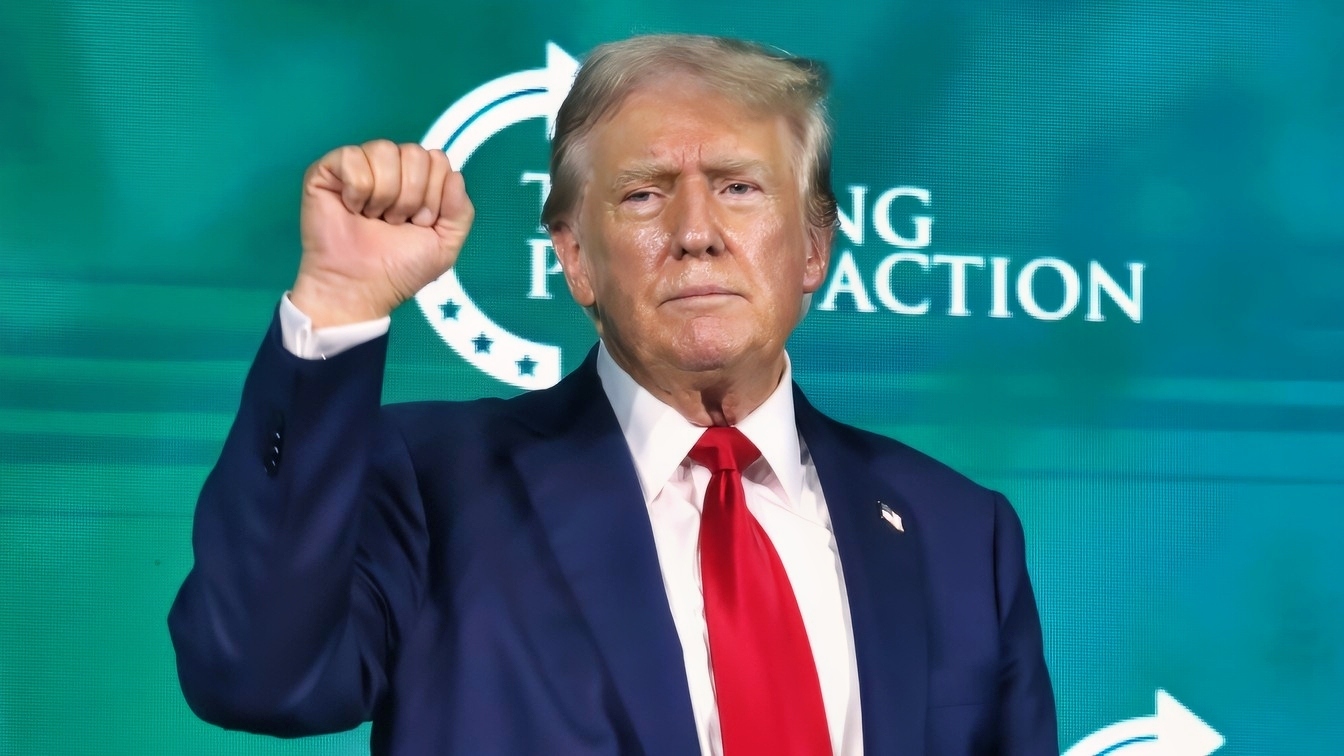
Republicans Know Iran Killed Their Midterm Hopes – Midterm elections have historically been lost by the incumbent president’s party, but President Donald Trump hoped his historic 2024 victory and the radical measures he implemented soon after entering office would be enough to win him sufficient support to buck that trend. Since entering office, the president has touted victory after victory, teased the possibility of running for a third term, and even welcomed a new “golden age” of American prosperity.
But with just months left before the voters turn out to decide who will control Congress for the final two years of his presidency, the president’s party is beginning to accept that they’re about to lose.
Recent surveys show that the Republicans have slim hopes of maintaining control of Congress. A Reuters/Ipsos poll published August 31 put Trump’s approval rating at 33%, the lowest level of his political career in the survey. Just 36% of Americans approved of his war with Iran, too.
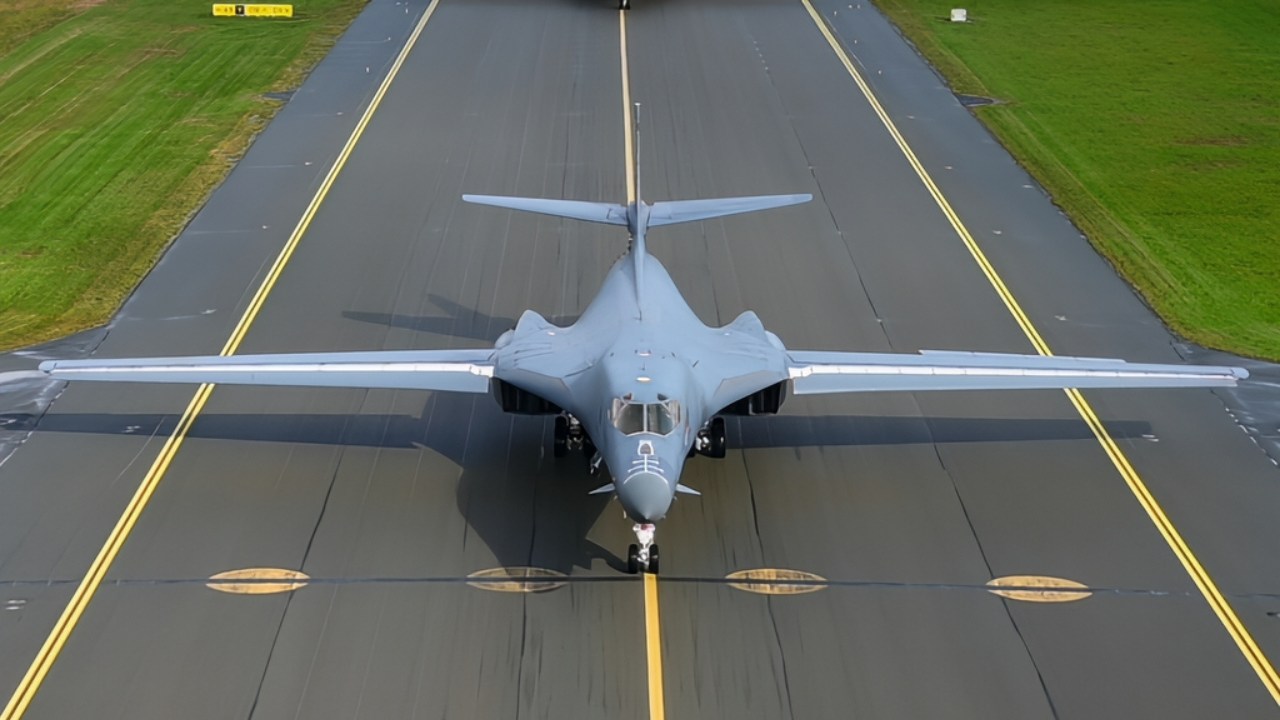
A U.S. Air Force Airman, assigned to the 345th Expeditionary Bomb Squadron, stands a B-1B Lancer during a Bomber Task Force Europe mission at Ørland Air Base, Norway, Aug. 21, 2025. BTF missions expose and familiarize aircrew with air bases and operations in different geographic combatant command areas of operations to enable strategic access and integration with coalition forces to deter global conflict. (U.S. Air Force photo by Staff Sgt. Tambri Cason)
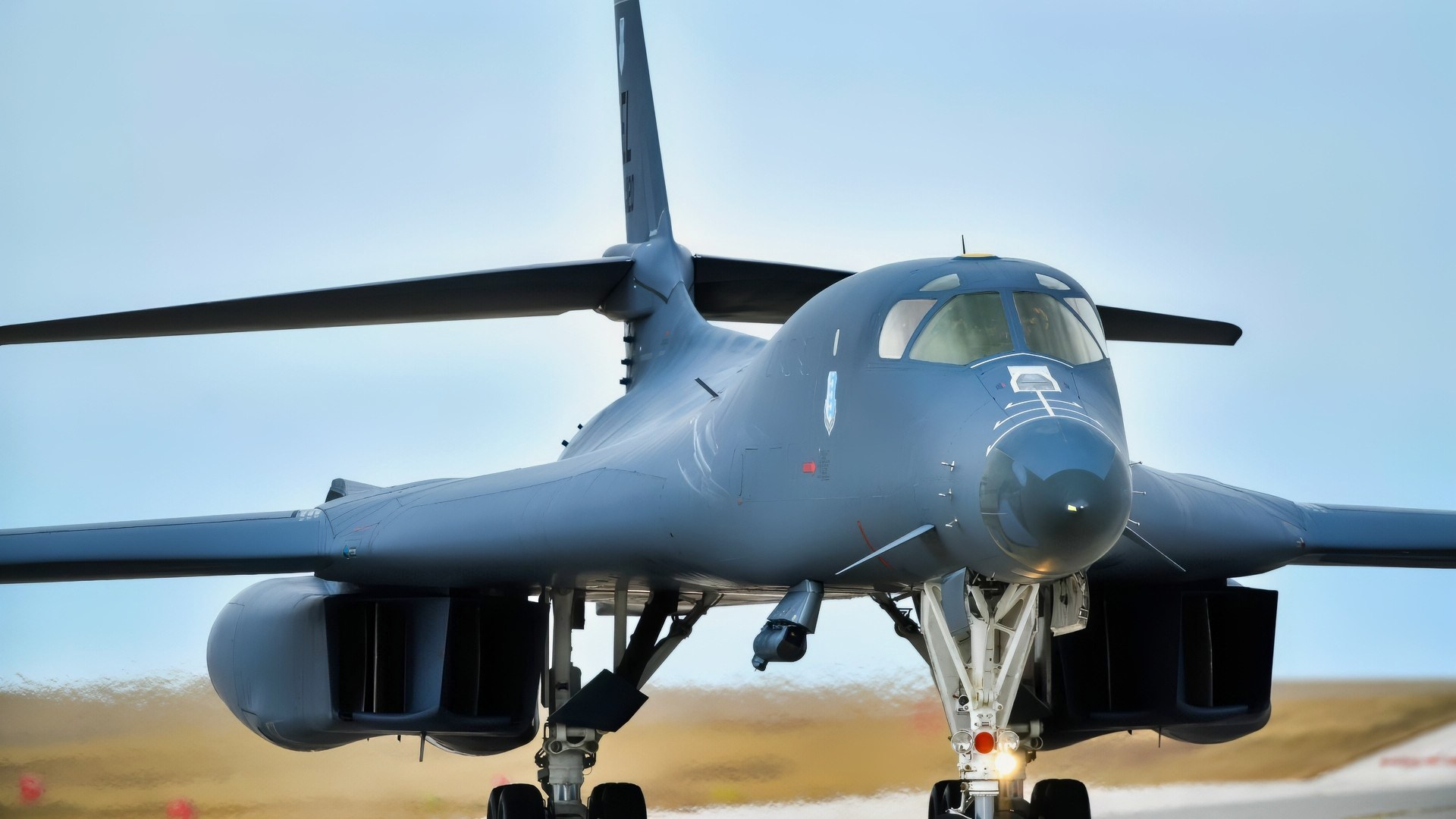
A U.S. Air Force B-1B Lancer assigned to the 37th Bomb Squadron taxis off the runway at Ellsworth Air Force Base, S.D., after completing a CONUS-to-CONUS mission, Nov. 03, 2024. All missions are closely planned with the appropriate Geographic Combatant Commands, Allies, and partners to ensure maximum training and integration opportunities as well as compliance with all national and international requirements and protocols. (U.S. Air Force photo by Airman Alec Carlberg)
Democrats fared well in the poll, with 46% describing themselves as being “very enthusiastic” about turning out to vote in November, compared to just 31% of Republicans. Among independents, Democrats led Republicans 36% to 22% when respondents were asked which party they intended to support for Congress. And that polling is part of a bigger trend, with repeated surveys showing Democrats with the upper hand for several months now.
An August Emerson College poll of likely voters gave Democrats an eight-point advantage on the generic congressional ballot, 51% to 43%. Morning Consult had Democrats ahead 46% to 42% among registered voters in August, while the latest Reuters/Ipsos poll had Democrats leading 43% to 38%.
Americans Blame Trump for Rising Prices
Trump promised economic prosperity, but voters aren’t seeing it — and Americans blame Trump for rising prices.
A University of Massachusetts Amherst poll released August 31 found that 68% of Americans disapproved of Trump’s handling of the Iran war and 54% disapproved of U.S. military action in Iran. Four in five respondents said the conflict had increased food and gasoline prices. Trump’s overall approval stood at 32%, while 75% said he was handling inflation poorly. Notably, 53% of respondents blamed Trump personally for the rising cost of goods and services.
Every time an American visits a gas station, they are reminded of the economic consequences of the war with Iran. The national average for regular gasoline hit $4.15 per gallon on Friday, September 4, and diesel reached an all-time high of $5.85. Diesel is critical because trucks, trains, construction equipment, and agricultural machinery all depend on it — and those high fuel costs filter through to the rest of the economy. Oil is expensive, too, with Brent crude reaching $95.29 on Friday and gaining more than 6% during the week.
Republicans Accept the War Isn’t Ending
It’s obvious the war is nowhere close to ending, and Republicans appear to be aware that they are in danger. Politico reported on September 3 that GOP campaigns and operatives who once hoped the conflict would end early enough for energy prices to fall before November have largely abandoned that hope.
“I think we’ve run out of time,” one Republican operative working on several races told the outlet, adding that the war is now effectively “baked in” to the election.
Matt Mackowiak, a former campaign adviser to three Republican senators, similarly argued that candidates have little ability to change Trump’s decisions and must “make peace with the world we live in and not the world you want to live in for the next 60 days.”
The White House expects that the conflict will continue, too, even if the president follows through on reported plans to simply declare victory. A senior administration official told Politico that campaigns already understand Iran will continue bubbling in the background of every campaign.
The War Could Get Worse Before November
While President Trump hopes that he can negotiate an end to the conflict or simply leave the region in some way while declaring victory, the reality is that the war is unlikely to end in any meaningful way soon, and the Strait of Hormuz will face continued disruption for some time.
Iran retaliated for renewed U.S. strikes against its military infrastructure surrounding the Strait of Hormuz this week, launching missiles and drones against U.S. positions throughout the Middle East. The latest exchange of strikes pushed Brent crude above $95 per barrel, and Iran is already threatening to follow up with yet more strikes.
And on Friday, September 4, President Trump also suggested that the United States could escalate further, telling reporters that American forces may soon attack Iran’s Pickaxe Mountain, a heavily fortified site near the damaged Natanz nuclear facility that contains two deeply buried tunnel complexes.
Republicans who had hoped that the war may have ended by now know that their chances in November are far slimmer today — and that any advantages they enjoyed prior to February may completely evaporate within the coming weeks as prices just go higher.
About the Author: Jack Buckby
Jack Buckby is a British researcher and analyst specializing in defense and national security, based in New York. His work focuses on military capability, procurement, and strategic competition, producing and editing analysis for policy and defense audiences. He brings extensive editorial experience, with a career output spanning over 1,000 articles at National Security Journal, and has previously authored books and papers on extremism and deradicalization.