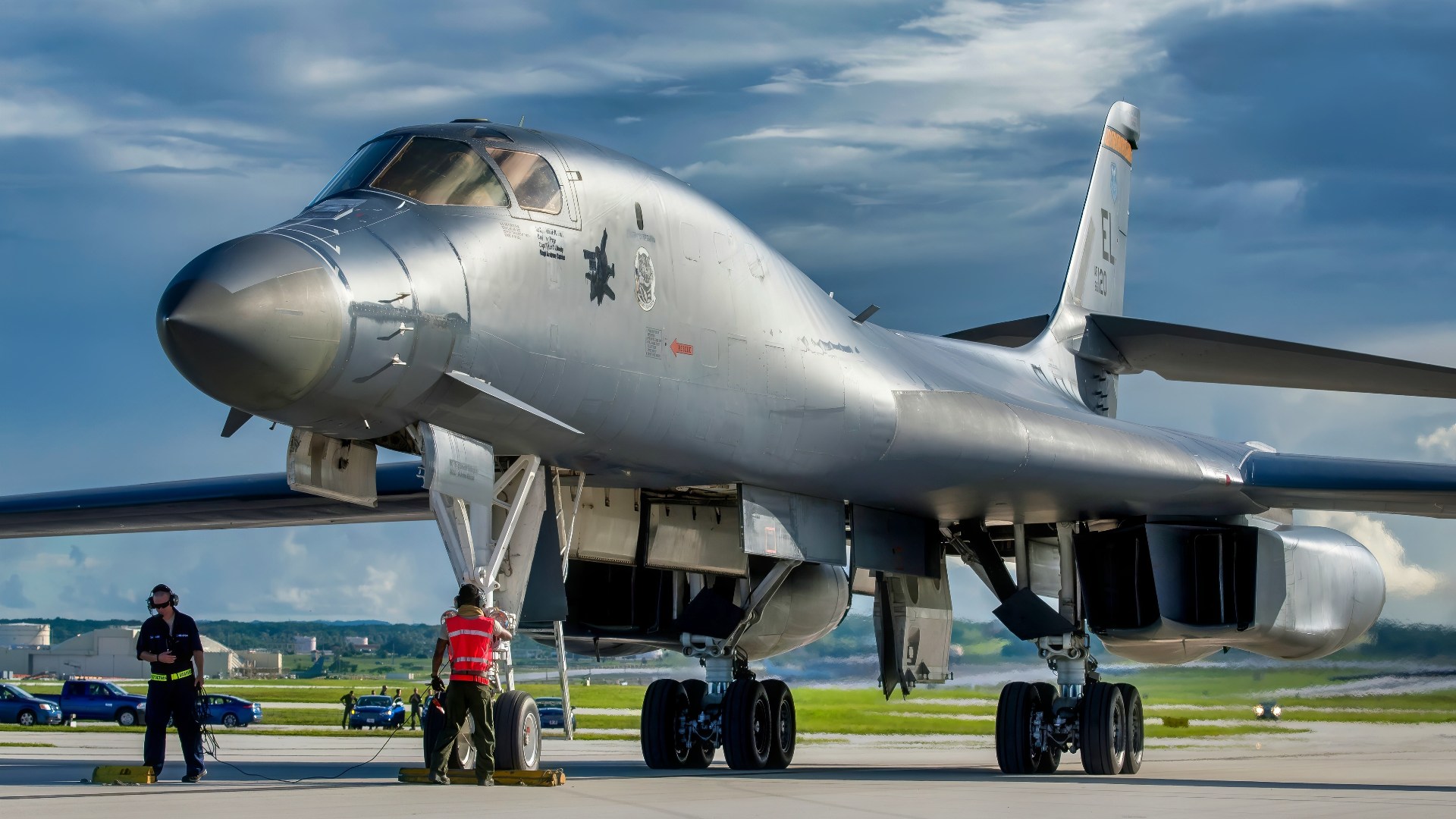
Iran Doubles Down As Trump Considers Massive New Attack: Despite its degraded military capability, Iran is doubling down and expanding its attacks across the Middle East rather than buckling under the pressure – and U.S. President Donald Trump is reportedly considering authorizing what he has described as the largest U.S. operation against the country so far.
Speaking to Axios on Thursday, July 23, Trump said that he was close to authorizing a major new assault against Iran following 12 consecutive nights of extensive U.S. airstrikes.
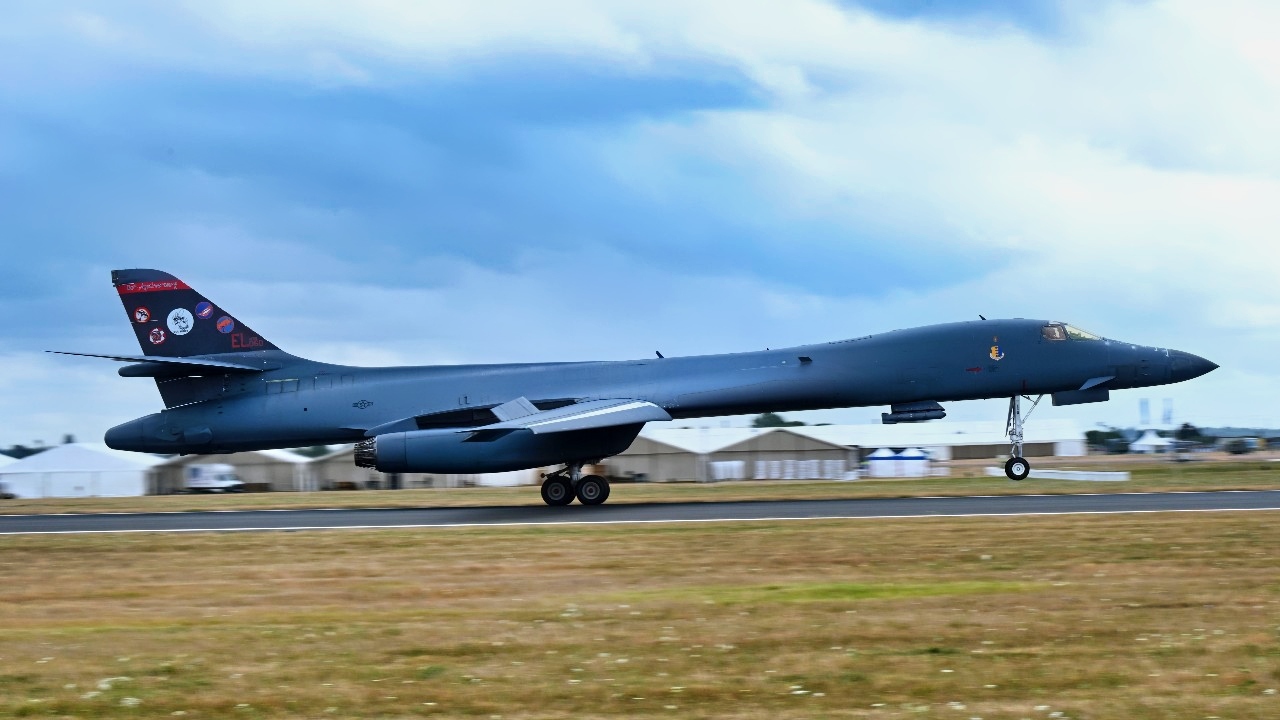
B-1B Lancer Bomber. Image Credit: Creative Commons.
“I am considering a massive attack. Bigger than ever before. I am close to making a decision. We are all set for it,” the president said.
The president did not say that he had authorized the operation, and his comments could suggest that, even if the claim is true, Washington is hopeful Tehran will return to the negotiating table before the strike is launched. The president did suggest that the existing campaign has not yet inflicted sufficient damage for Tehran to accept Washington’s demands.
“They haven’t received enough pain yet,” Trump said.
U.S. Completes 12th Night of Strikes
The comments came only hours after U.S. Central Command (CENTCOM) confirmed that U.S. forces had completed another round of strikes against Iran at 10:30 pm Eastern Time on Wednesday, July 22 – approximately 6 am Thursday in Iran.
CENTCOM said the strikes targeted Iranian “maritime capabilities, missile and drone storage facilities, coastal surveillance sites, and air defense assets.”
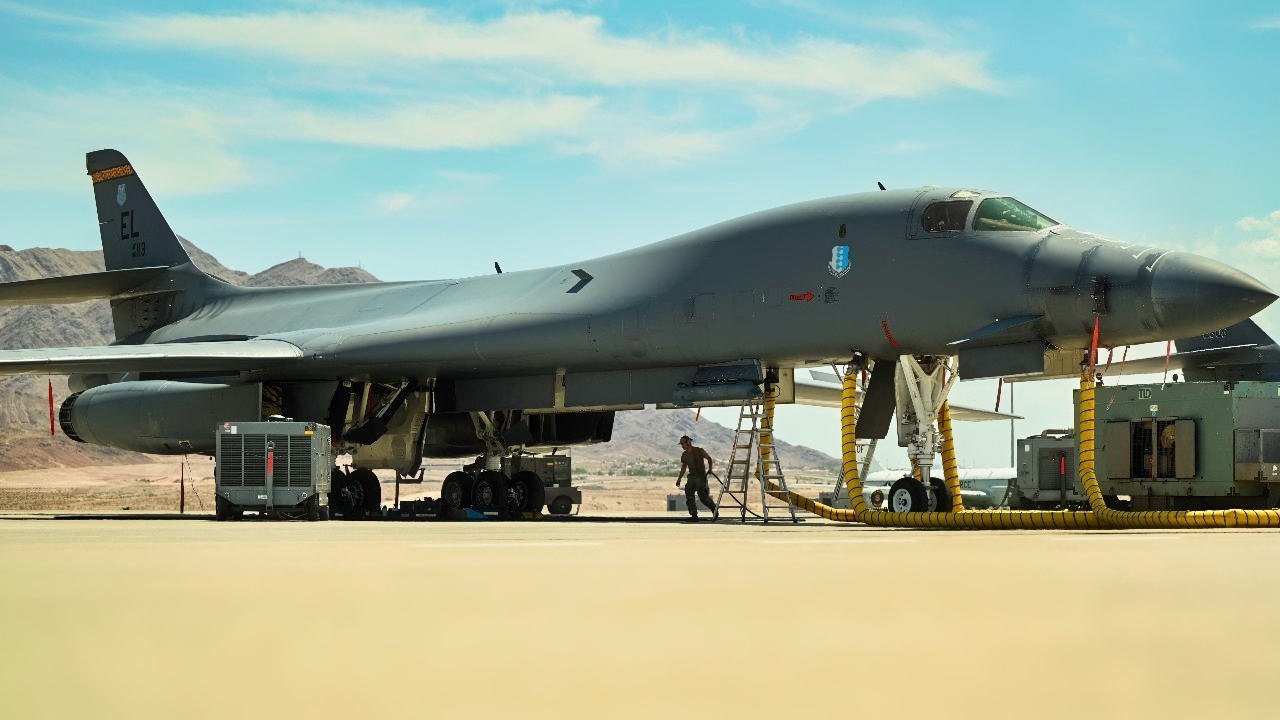
A U.S. Air Force B-1B Lancer assigned to the 37th Bomb Squadron receives maintenance during Red Flag 24-3 at Nellis Air Force Base, Nev., July 24, 2024. Red Flag is an exercise that provides Airmen and Guardians with the opportunity to work alongside allied air forces in a realistic combat training environment. (U.S. Air Force Photo by Senior Airman Yendi Borjas)
“The strikes further degrade Iran’s ability to attack civilian mariners and commercial vessels,” the statement continued.
Iranian media also reported attacks throughout the country, with reports describing how an alleged U.S. missile strike killed two people and injured 11 others at the Shalamcheh border crossing with Iraq in Khuzestan Province. Another location was struck near Andimeshk, approximately 135 miles north of Shalamcheh, while explosions were also reported near Ahvaz and Ramshir in Iran’s oil-rich southwestern region. IRNA also reported a strike in Bushehr, although there was no indication that the province’s operating nuclear power plant had been targeted.
Iran Keeps Retaliating
Rather than accepting the reality that the United States possesses the weapons necessary to collapse the entirety of the Iranian economy, the regime in Tehran responded by announcing new attacks against American military targets in Kuwait and Jordan.
The Islamic Revolutionary Guard Corps said it targeted a communications facility in Kuwait in retaliation for American attacks on Iranian communications infrastructure. Kuwait’s military separately said its air defenses had been intercepting Iranian drones.
The IRGC also claimed attacks against U.S. targets in Jordan. Jordan’s military said it intercepted four Iranian missiles and six drones during the latest wave of attacks, while three American soldiers have been killed in Jordan during the past week. Nearly a dozen U.S. personnel seriously injured in recent attacks across the region were reportedly transported to Germany for treatment.
Iran Rejects Talks Again
Later on Thursday, reports emerged that Iran had rejected the possibility of a new U.S.-backed ceasefire. Reports described how Iranian Foreign Minister Abbas Araghchi said Tehran does not plan to take steps towards peace unless Washington stops the strikes and respects Iran’s interests.
“The problem is America’s approach, which is illogical, excessive, and domineering,” Araghchi told Iranian state TV. “Their domineering nature has been met with our firm responses, and until they understand that there is no way forward except respecting the Iranian nation, there is no opportunity for us to take any meaningful steps.”
Tehran Promises “Eye for an Eye” Response
The comments come after the Iranian foreign minister promised in a statement published on X that Iran plans to take an “eye for an eye” approach to U.S. strikes, mirroring language used by Yemen’s Houthis about Saudi Arabia in recent days.
“Our defense doctrine is clear: eye for an eye,” Araghchi wrote on X.
“Any aggression against Iran, including our infrastructure, will compel a powerful and decisive response. Those who contribute to such aggression, whatever the kind of support, will also be considered as legitimate targets.”
The comments suggest that Tehran plans to continue targeting U.S.-linked military infrastructure throughout the Gulf. Some of the attacks have succeeded, striking various military sites throughout the region successfully, but Iran’s success rate is comparatively low with respect to U.S. strikes against Iranian targets. It suggests that Tehran is still looking to deter the United States by promising devastating strikes that it cannot fully deliver, or perhaps new asymmetric tactics that build on the additional pressure placed on global oil markets following the Houthi announcement of a blockade against Saudi Arabian oil.
UK a Target?
Also on Thursday, Tehran warned that any base in the United Kingdom used by the United States will now be considered a “legitimate target,” suggesting efforts could soon be made to bring the fight to Western Europe.
About the Author: Jack Buckby
Jack Buckby is a British researcher and analyst specializing in defense and national security, based in New York. His work focuses on military capability, procurement, and strategic competition, producing and editing analysis for policy and defense audiences. He brings extensive editorial experience, with a career output spanning over 1,000 articles at 19FortyFive and National Security Journal, and has previously authored books and papers on extremism and deradicalization.