The war in Ukraine, which many thought would be over in a matter of days or weeks, has now stretched on for four and a half years, and the cost in human lives is mind-numbing.
The war’s total casualty count is now over 2 million and is probably even higher than that, as Ukrainian casualties are probably underreported.
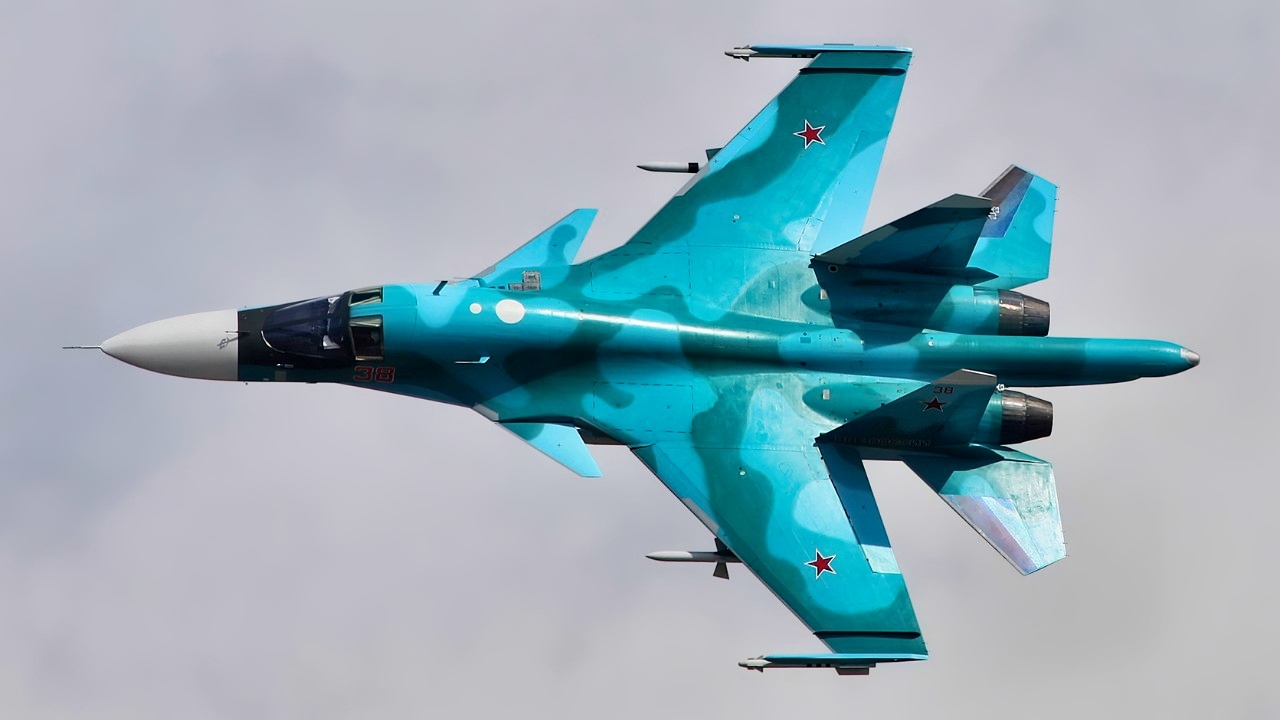
Su-34 Fullback. Creator: Vitaly V. Kuzmin. Credit: Vitaly V. Kuzmin
While Russian President Putin continues to paint a picture of inevitable victory, Moscow hasn’t accomplished one of its strategic goals since the start of this “special military operation.”
According to research by the Center for Strategic and International Studies (CSIS), Russia has suffered 1.4 million casualties, including killed, wounded, and missing soldiers. Russia’s dead have topped 450,000, and that number rises every day.
The Russians are losing between 30,000 and 35,000 troops every month. But instead of gaining ground, they are losing it. CSIS reported that “Russia’s territorial control in Ukraine shrank in the spring of 2026, with a net loss of roughly 400 square kilometers in April and May.”
“The Rates (Casualties) Are Astounding”
Seth G. Jones and Riley McCabe, the authors of the CSIS study, said, “These rates are astounding.
“Russian fatalities in Ukraine are more than four times greater than all US fatalities in all wars combined since World War II, and more than nine times greater than all Soviet and Russian fatalities in all wars combined since World War II.”
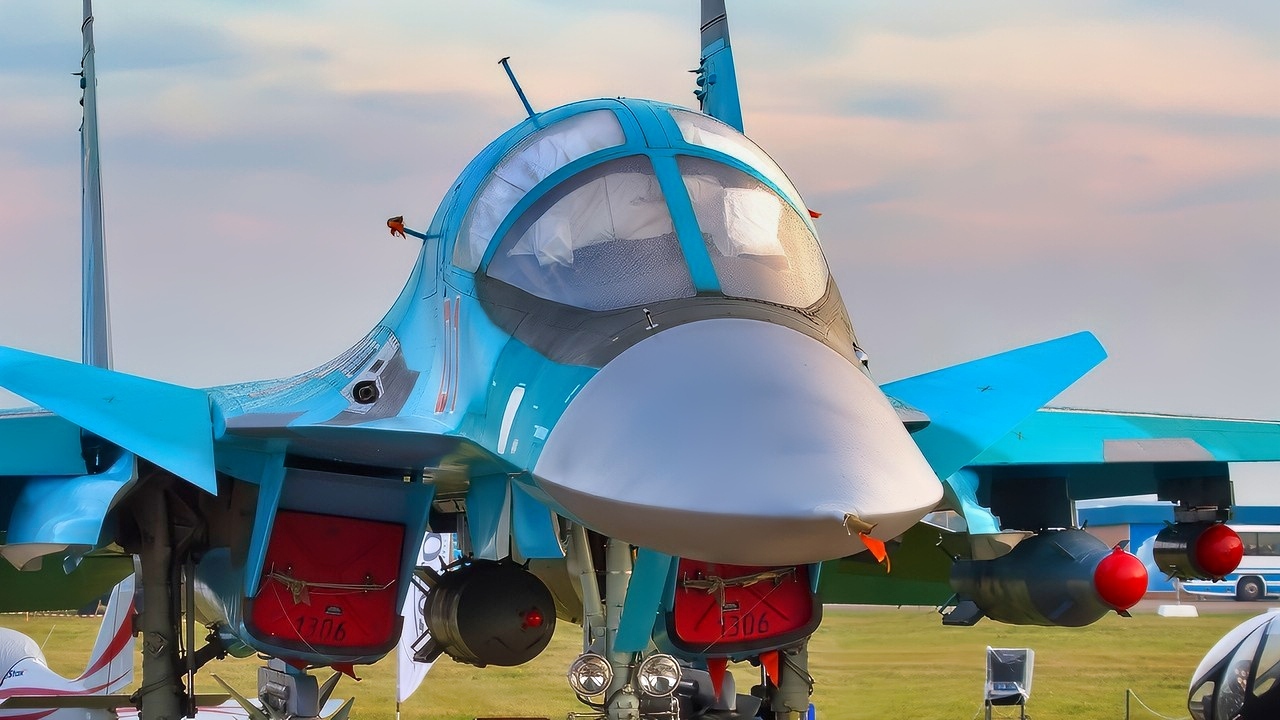
Su-34 Fullback from Russia. Image Credit: Creative Commons.
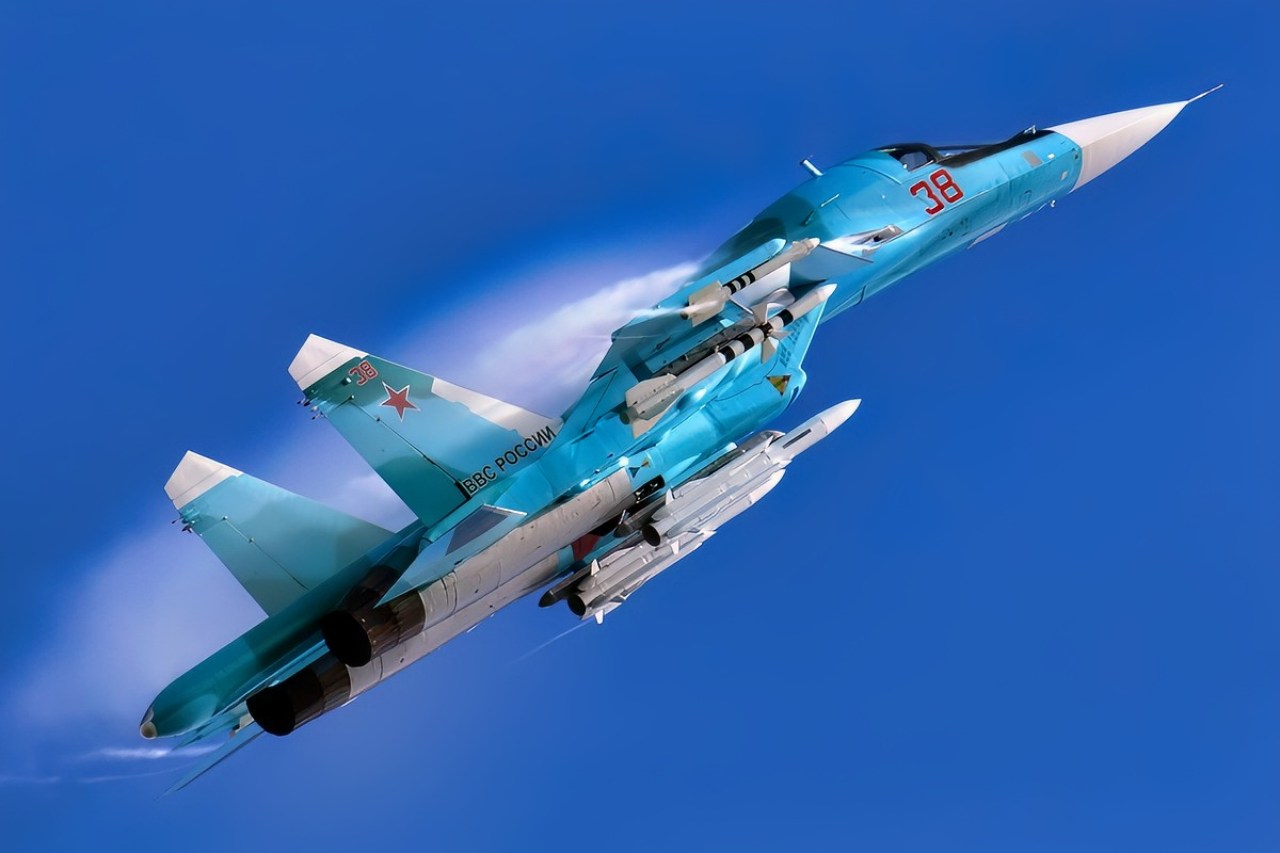
Su-34 Fullback Airshow Photo Creative Commons Image
They both agree that, in terms of casualties, the war is becoming much more costly for Russia than it is for Ukraine.
They said the casualty rate has likely risen to nearly eight to one in the first half of 2026, meaning that for every Ukrainian soldier killed, wounded or missing, there are eight Russian casualties.
Ukrainian Drones Are Responsible For The Increase In Casualties
Russia’s monthly casualty rates of over 30,000 per month in 2026 will likely exceed Russia’s recruitment rates of roughly 27,000 new recruits per month.
The rise in the Russian casualty rate has likely occurred in large part due to Ukraine’s use of drones—including AI-enabled drones—as part of its aggressive air interdiction campaign.
“Ukraine’s defense-in-depth strategy has been effective in killing and wounding Russian soldiers, as well as limiting Russian maneuver,” they said.
“Russia’s attrition strategy, its failure to effectively conduct combined arms and joint warfare, its poor tactics and training, corruption, and low morale” were other significant factors in Russia’s poor showing.
Russia’s Military Modernization Program Was A Myth
The much-ballyhooed Russian “modernization” of its military was nowhere to be found. Despite widespread reporting that Russia had totally revamped its armed forces and that Junior leaders and NCOs would now resemble US and NATO forces. It was a total fabrication. Russia itself contradicted the “Gerasimov Doctrine.”
Battalion Tactical Groups (BTGs) (an idea from the 1990s) were introduced in 2012 to generate effective combat power from brigades by concentrating contract personnel into a battalion-sized grouping.
The factor that is supposed to make this work is that Battalion commanders, company commanders, and lower-level officers show initiative and react dynamically to the evolving battlefield situation.
Instead, very little initiative has been demonstrated, and command has reverted to a traditional top-down structure. There also appears to have been a reversion to the more negative characteristics of the Soviet military system, with rigid adherence to an operational plan, even when the realities on the ground have rendered it invalid.
BTGs generally comprise a tank or infantry battalion reinforced with armor or infantry and with artillery, air defense, electronic warfare, and other combat support assets. They failed, and as losses mounted, the Russians began to resemble their Soviet predecessors.
Russian Objectives: Unmet And Unlikely To Improve
Putin’s objectives in the war were to take Kyiv in a matter of days and the entire country in a few weeks, thereby rendering Ukraine a vassal state under Moscow’s control.
Putin sought to limit NATO’s expansion and shatter the alliance, thereby increasing Russia’s sphere of influence across Eastern Europe.
Russian attempts to take Kyiv and Kharkiv early in the war’s first days were thrown back with horrific casualties. Since then, the fighting in the Donbas and in southern Ukraine has turned into a bloody war of attrition.
Ukraine’s resolve has stiffened rather than broken. And NATO has expanded…right to Russia’s doorstep. Finland, which shares a 1,340-kilometer border with Russia, has joined NATO along with Sweden.
And rather than splitting NATO, its support for Ukraine is now stronger than ever.
Ukrainian Casualties Are Also High
Ukrainian forces have suffered somewhere between 525,000 and 625,000 casualties (killed, wounded, and missing) and between 125,000 and 150,000 fatalities between February 2022 and June 2026.
In addition, they’ve suffered terrible civilian casualties of at least 56,000 due to Russian attacks that specifically target civilians.
Neither country releases official casualty figures, but many Western analysts believe CSIS’s estimates are close to the military’s.
As CNN reported, Russian casualties are now more numerous than in the Battle of Stalingrad in World War II.
Soviet forces suffered an estimated 1.1 million total casualties during the Battle of Stalingrad, which includes roughly 478,000 killed or missing and 650,878 wounded, ill, or missing.
These staggering losses account for both the defense of the city and the subsequent counteroffensives.
As the war continues to grind along, the killing is not close to stopping.
And Ukraine’s drone strikes, thus far, thankfully, have not targeted the civilian population, where Moscow, with a plethora of high-rise apartment buildings, would result in an even larger body count.
Unfortunately, that 2 million number is going to continue to rise unless negotiations can put an end to this bloody war.
About the Author: Steve Balestrieri
Steve Balestrieri is a National Security Columnist. He served as a US Army Special Forces NCO and Warrant Officer. In addition to writing on defense, he covers the NFL for PatsFans.com and is a member of the Pro Football Writers of America (PFWA). His work was regularly featured in many military publications.