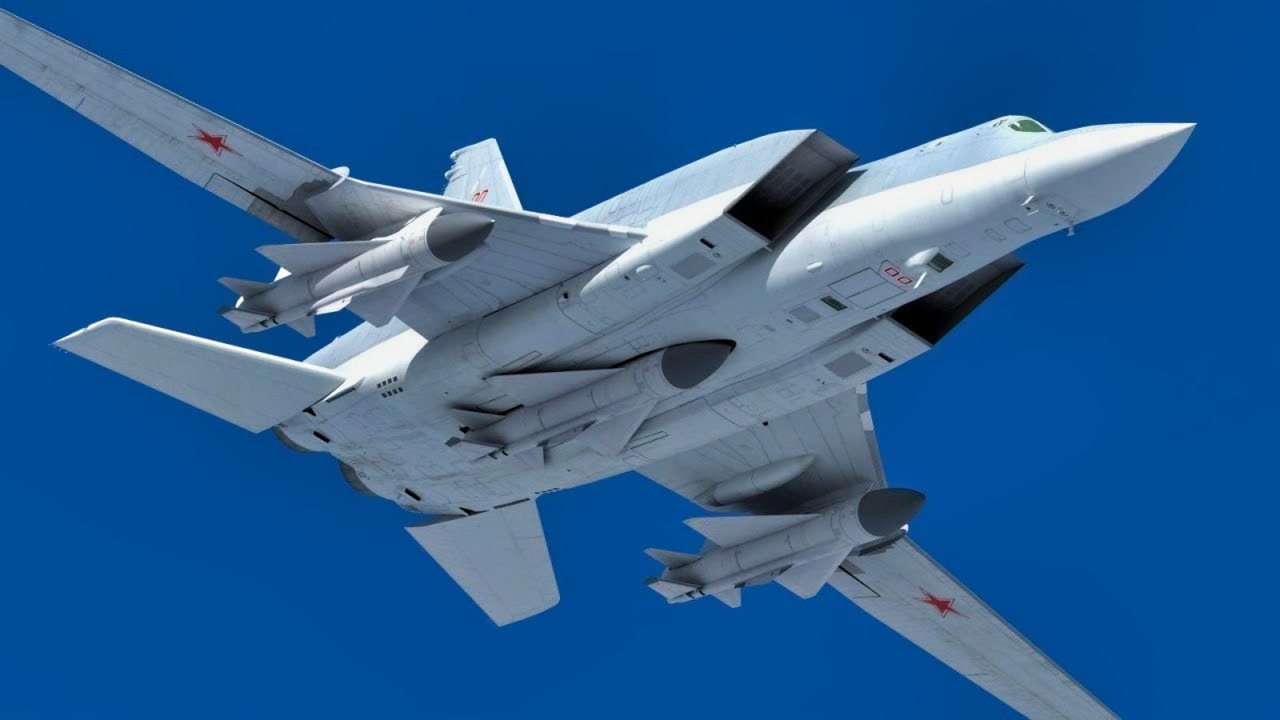
Russian strikes pummel infrastructure in Ukraine’s key port region overnight into Monday.
The Izmail district in the southern Odesa region is home to Ukraine’s biggest port on the Danube Delta, connecting war-torn Ukraine to its western neighbors.
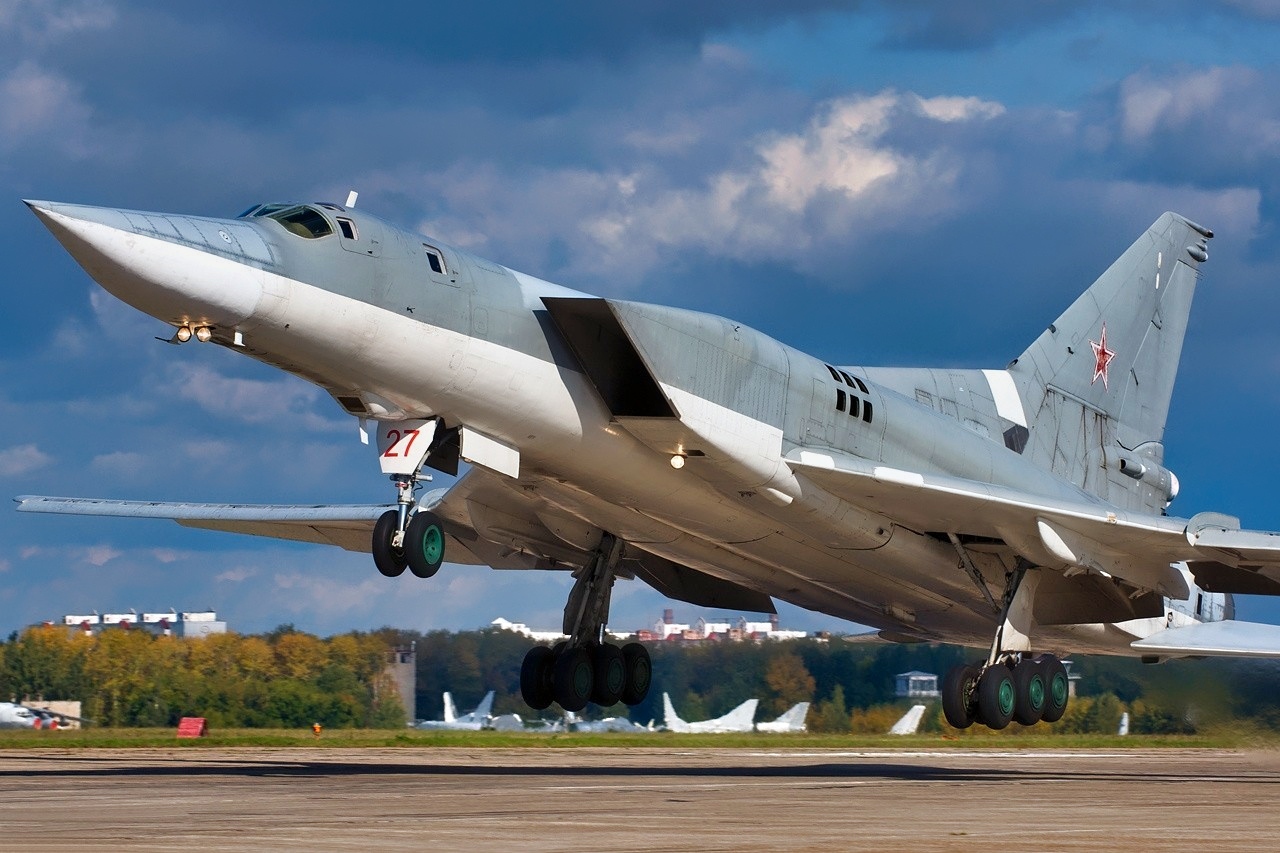
Tu-22M Backfire Bomber from Russia. Image Credit: Creative Commons.
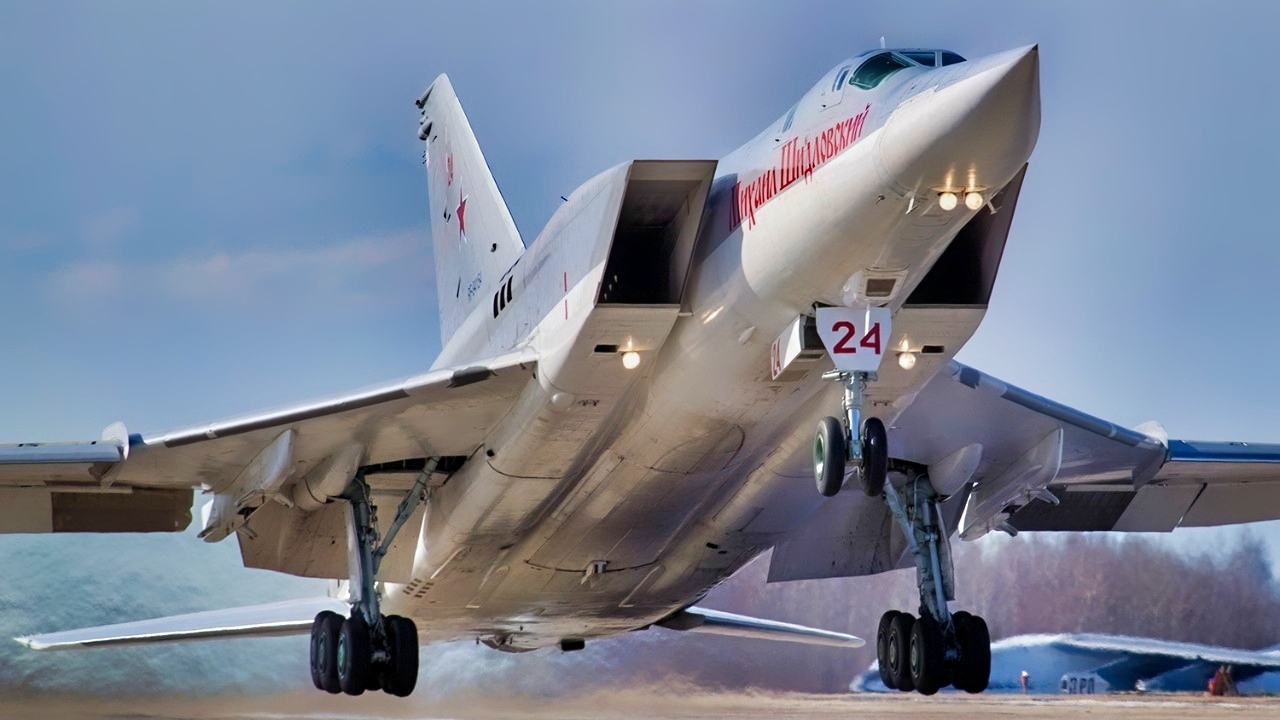
Tu-22M3 Russian Bomber. Image Credit: Creative Commons.
A civilian Togo-flagged vessel sustained damage, and four people were injured in the attack, Odesa regional governor Oleh Kiper announced.
Given the current interruptions to usual Black Sea traffic as a result of the war, the Danube port is essential to Kyiv’s export revenue.
Civilian Ship Damaged
According to Russia’s Defense Ministry, it also hit military targets, including a berthing terminal for military cargo, naval drone depots and hangars of Western-supplied weaponry.
19FortyFive cannot independently verify these claims.
This attack comes just days after Russia’s August 13 strike on the same port’s infrastructure, which prompted power outages in parts of the city.
Izmail has long been Ukraine’s largest grain-export port on the Danube.
Trade Under Fire
This disruption comes amid Ukraine’s peak wheat harvest.
Ukraine is expected to harvest around 60 million metric tons of grain this year, close to its 2025 crop.
But farmers need export revenue now to finance next year’s sowing, not to mention the lack of storage given how much grain is simply not getting shipped out of the country.
Reuters reported last week that Ukrainian grain exports had fallen by around 76% year-on-year in August.
Agriculture Minister Taras Vysotskyi warns that global food prices could increase by 25% to 30% if the issue is not resolved.
A new wave of Russian attacks on ports and civilian shipping has plunged Ukraine’s Black Sea exports into free-fall.
The issue is that any alternative routes have many drawbacks.
Record heatwaves and droughts in Europe over the summer mean the Danube is currently experiencing record-low water levels.
Just last week the river’s levels were so historically low that the bodies of two World War Two German soldiers were discovered in the Budapest section of its course.
The port’s importance has waxed and waned since Russia’s February 2022 invasion.
Following Russia’s blockade of Ukraine’s key Black Sea ports in 2022, the Danube ports were among the country’s only remaining maritime gateways.
After Ukrainian attacks weakened Russia’s Black Sea Fleet and Kyiv established its own Black Sea shipping corridor, the Danube’s importance was relatively diminished until now.
Kyiv is also exploring other options.
Reuters said on August 10 that Ukraine and neutral Moldova had been negotiating higher grain shipments by rail via Moldova to Constanța on Romania’s Black Sea coast.
The hypothetical route could handle some 4.5 million metric tons of grain annually — around 10 percent of Ukraine’s grain exports.
Romanian Airspace Under Threat?
This awkward, vulnerable geography means keeping existing supply lines functioning is vital.
Izmail is directly across the Danube River from NATO member Romania, with parts of the waterway forming the international border.
Last week, Romania was forced to scramble a pair of fighter jets during another Russian bombardment of Izmail after an aerial target entered its airspace.
Separately, a Spanish F-18 on NATO’s air-policing mission shot down a drone on Sunday after it entered Romanian airspace from Moldova. NATO said the drone appeared to be Russian.
Russian attacks on Ukraine’s shipping and port infrastructure are making it much more difficult and pricier for Kyiv to export its goods.
Ukraine is also hitting back, with its drone strikes having forced the majority of Russia’s Black Sea fleet to relocate from occupied Crimea to Novorossiysk.
Hundreds of Ukrainian drones were launched against Russian targets over the weekend.
A massive fire erupted at a Wildberries distribution center close to Moscow, while Ukraine also alleged a successful strike on a Rostov missile-fuel production facility.
Ukraine Wants More U.S. Interceptors
Ukrainian President Zelenskyy told CNN last week that Ukraine would require just 10 percent of the U.S. Patriot interceptor stockpile to eliminate the threat of Russia’s ballistic missile attacks.
He said 5 percent would permit Kyiv to defend itself this winter.
The Ukrainian leader did not reveal details about Washington’s current approach to the issue, although he said he had made “millions” of phone calls to discuss the potential of acquiring more U.S.-built systems.
About the Author: Georgia Gilholy
Georgia Gilholy is a journalist based in the United Kingdom who has been published in Newsweek, The Times of Israel, and the Spectator. Gilholy writes about international politics, culture, and education.