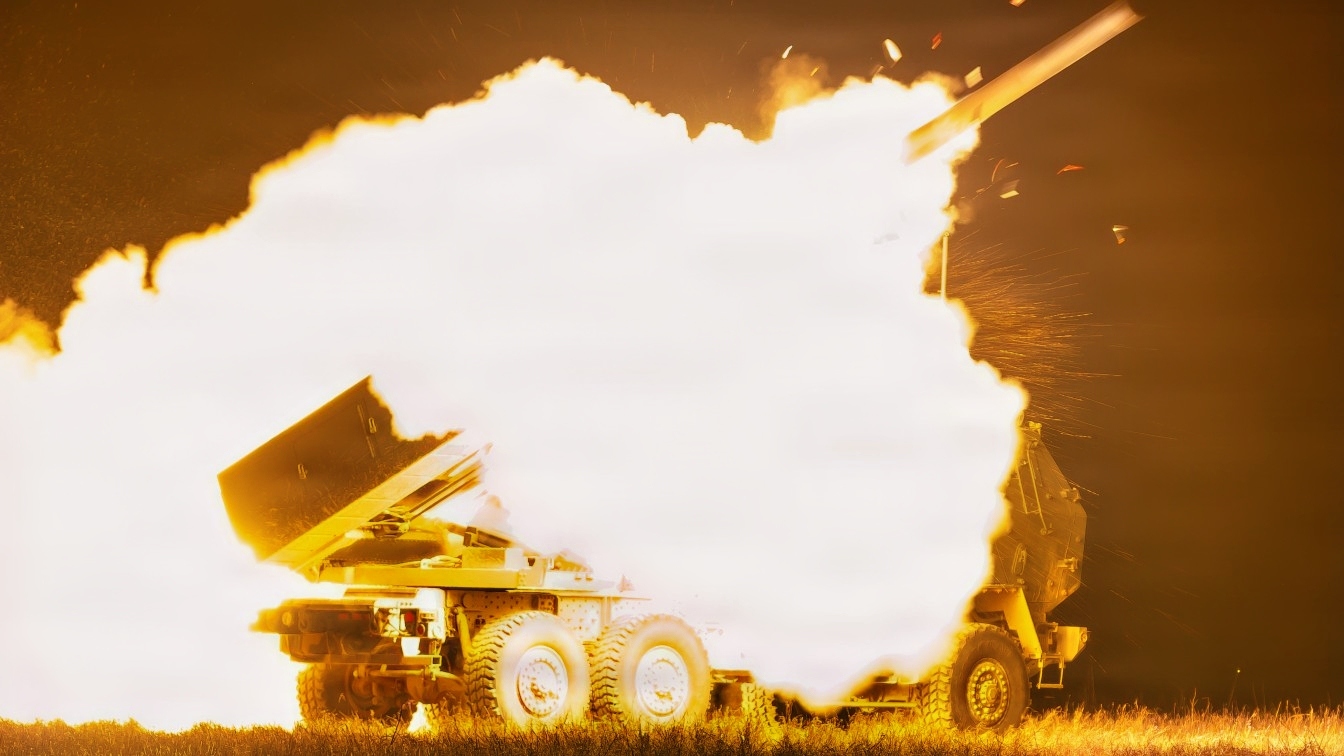
Ukraine’s long-range missile and drone strikes continue, with one of the most devastating long-range attacks of the war occurring overnight into Tuesday, July 7. The strikes targeted Moscow and at least 15 other Russian regions with more than 400 drones.
Ukrainian President Volodymyr Zelenskyy vowed to intensify strikes deep inside Russia following the attacks, while Russian authorities said that their air defenses had intercepted hundreds of drones. The strikes also prompted temporary flight restrictions at airports across the country, including all four of Moscow’s international airports.
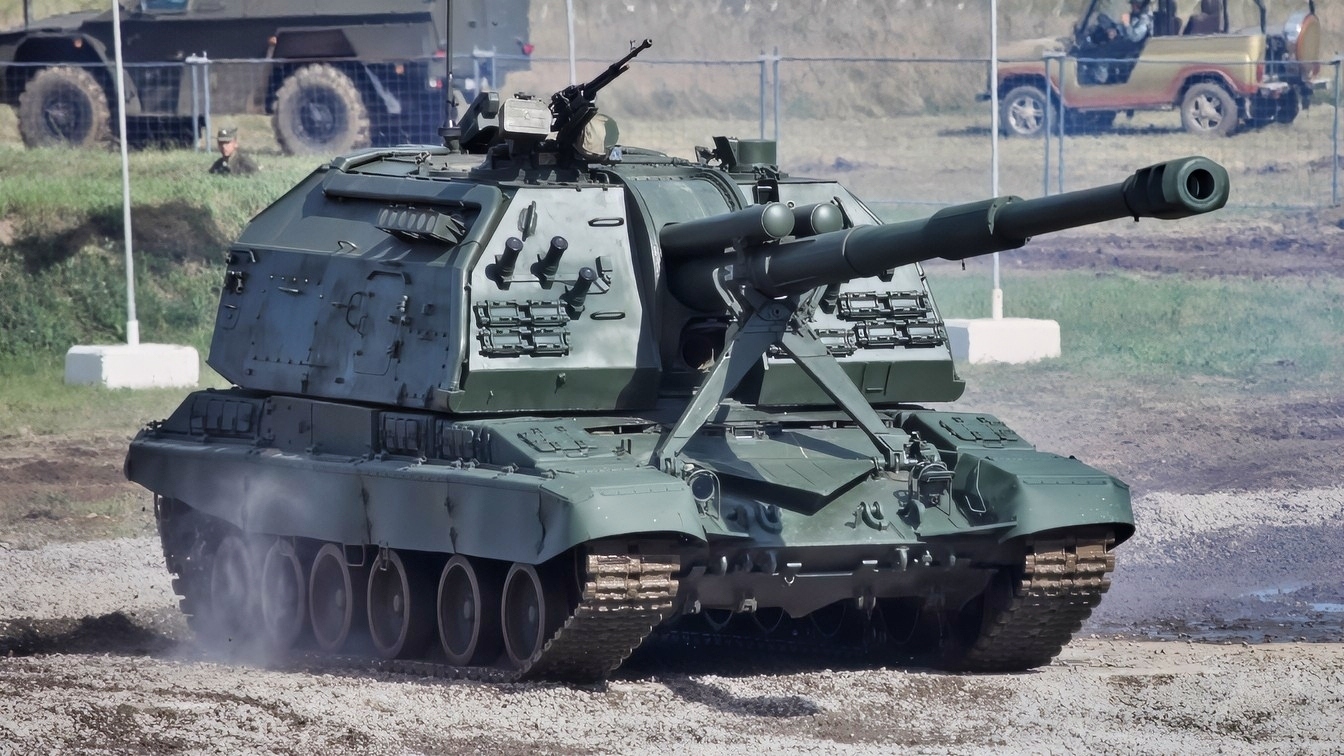
MSTA-S Russian Artillery. Image Credit: Creative Commons.
It is just the latest Ukrainian strike to bring the war home to the Russians and follows a deadly Russian missile and drone barrage targeted at Kyiv that killed at least 22 people.
Russia Says Over 400 Ukrainian Drones Shot Down
Russia’s Defense Ministry announced that its air defenses had destroyed or intercepted 452 Ukrainian drones overnight and described the attack as one of the largest coordinated drone operations since the war began.
According to the ministry, air defenses intercepted drones over 16 Russian regions, including Moscow, as well as Russian-occupied Crimea and the Azov and Black Seas. In a statement, Moscow Mayor Sergey Sobyanin said that at least 430 drones directed at the Russian capital city were shot down before they reached their intended targets.
“From the evening until 06:00, more than 430 drones flew towards Moscow Oblast. Most of them were downed by air defense systems at a distance. Thirty-six enemy UAVs were destroyed while approaching Moscow,” the statement reads.
The strikes disrupted civil aviation, with Russia’s federal air transport agency, Rosaviatsiya, temporarily suspending flights at the airports of Sochi, Krasnodar, Kaluga, Saratov, Nizhny Novgorod, Penza, Yaroslavl, and Cheboksary.
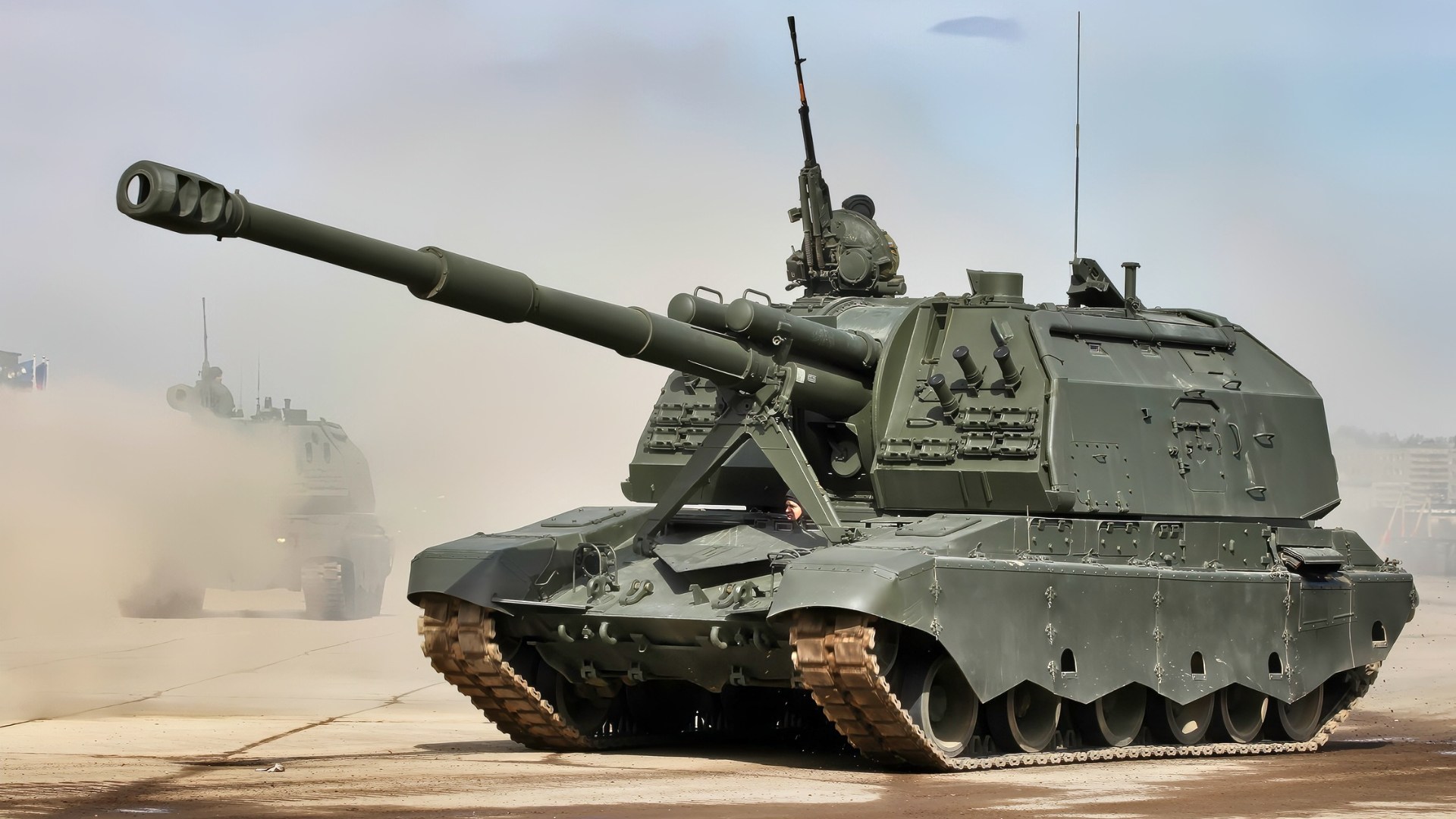
MSTA-S Russian Army. Image Credit: Creative Commons.
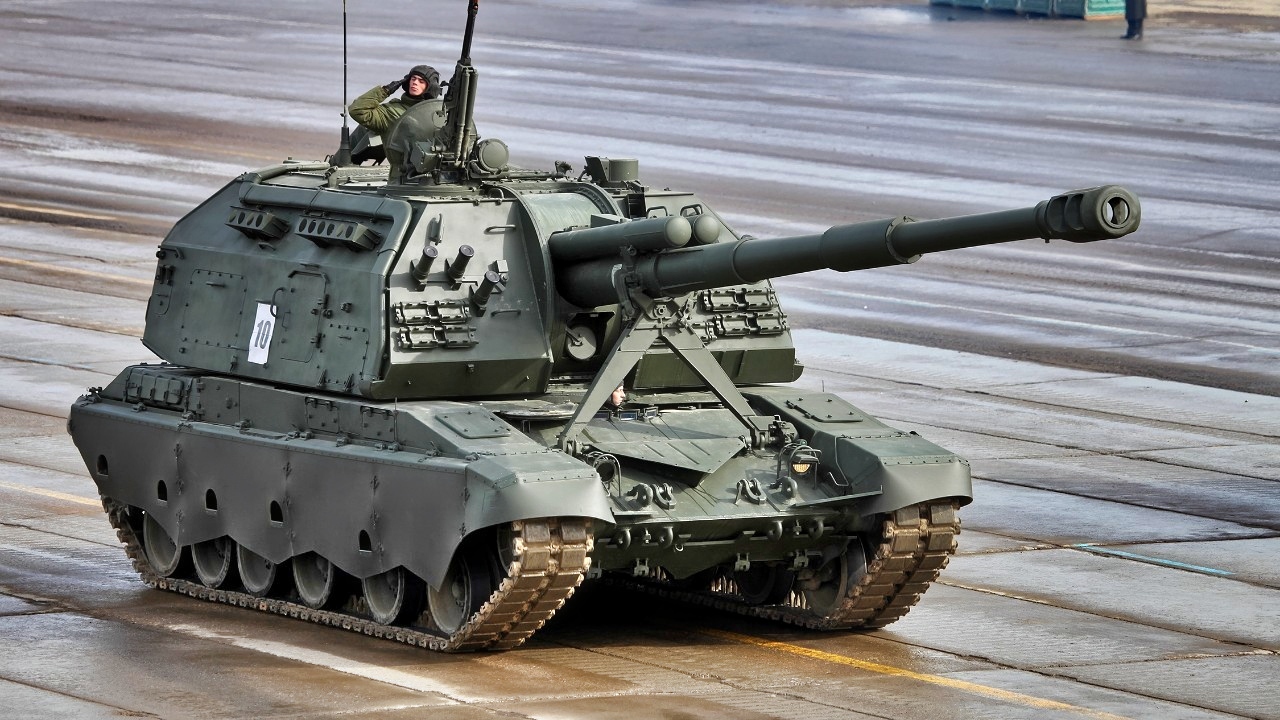
Msta-S Russian Army. Image Credit: Creative Commons.
The attacks are part of Kyiv’s promised 40-day, long-range strike campaign, which largely targets oil and energy infrastructure throughout Russia. Earlier this month, Ukrainian drones struck oil infrastructure around the city of St. Petersburg, while previous attacks also severely damaged Moscow’s main oil refinery, forcing it offline until 2027.
Zelenskyy Says Russia Must Feel Effects Of War
Following the strikes, Zelenskyy praised the efforts of Ukrainian forces and said that bringing the war to Russia’s political and economic centers is essential if Moscow is to change course and come to the negotiating table.
“When our deep strikes were not reaching Moscow and St. Petersburg, Putin did not think much about it. He understood that the war was far from the Kremlin. Of course, once he feels what is happening in Moscow, he will begin to understand what is happening in the Kursk, Belgorod, and Bryansk regions. He’ll begin to grasp the reality of the situation,” Zelenskyy said in a statement issued on X.
“When not one hundred drones but a thousand start reaching Moscow, and when he feels it and sees it, he will be advised to move somewhere beyond the Urals. That will be a moment that opens a new chapter on the path toward ending the war. The farther Putin is from Moscow, the closer the end of the war and peace will be,” the statement continued.
Zelenskyy said that Putin “fears for his life” and that the Russian elites live in Moscow and St. Petersburg, adding that the two cities “will be reached, because that is where they make the decisions to kill us.”
Russia Continues Its Heavy Bombardment of Ukraine
The Ukrainian strikes were likely already in the works, but they followed another round of devastating Russian strikes on its own capital city. Overnight into Tuesday, Ukraine’s Air Force said that Russia launched 123 drones, of which 108 were either shot down or intercepted electronically. 12 drones reportedly struck targets across 10 separate locations despite Ukraine’s best air defense efforts.
The attacks followed an even larger Russian bombardment on Sunday and overnight into Monday, when 68 missiles and 351 drones were launched at Ukrainian targets. The assault primarily targeted Kyiv and reportedly killed at least 22 people in the capital and surrounding regions.
Zelenskyy’s recent push for Western allies to speed up the supply of promised air defense systems was only bolstered by the attacks, which were so devastating because Ukrainian forces were unable to intercept ballistic missiles directed at Kyiv. Ukrainian authorities said that every Russian ballistic missile launched during the attack reached its intended target because Ukrainian forces do not have the interceptors required to stop them.
Zelenskyy Says Ukraine Can Make NATO Stronger
In the wake of the strikes, Zelenskyy spoke at NATO’s defense industry forum in Ankara on July 7. The Ukrainian president argued that Ukraine’s battlefield experience and its rapidly expanding defense industry have turned the country into an asset for NATO, rather than a burden.
He publicly questioned whether it was right to leave “a country and a people with this level of defensive capability” outside the alliance and argued that Ukraine’s experience fighting Russia will make NATO stronger. He also used the opportunity to call on Europe to develop its own anti-ballistic missile systems, warning that Patriot shortages have become one of Ukraine’s biggest vulnerabilities as Russia ramps up missile production.
About the Author: Jack Buckby
Jack Buckby is a British researcher and analyst specializing in defense and national security, based in New York. His work focuses on military capability, procurement, and strategic competition, producing and editing analysis for policy and defense audiences. He brings extensive editorial experience, with a career output spanning over 1,000 articles at 19FortyFive and National Security Journal, and has previously authored books and papers on extremism and deradicalization.