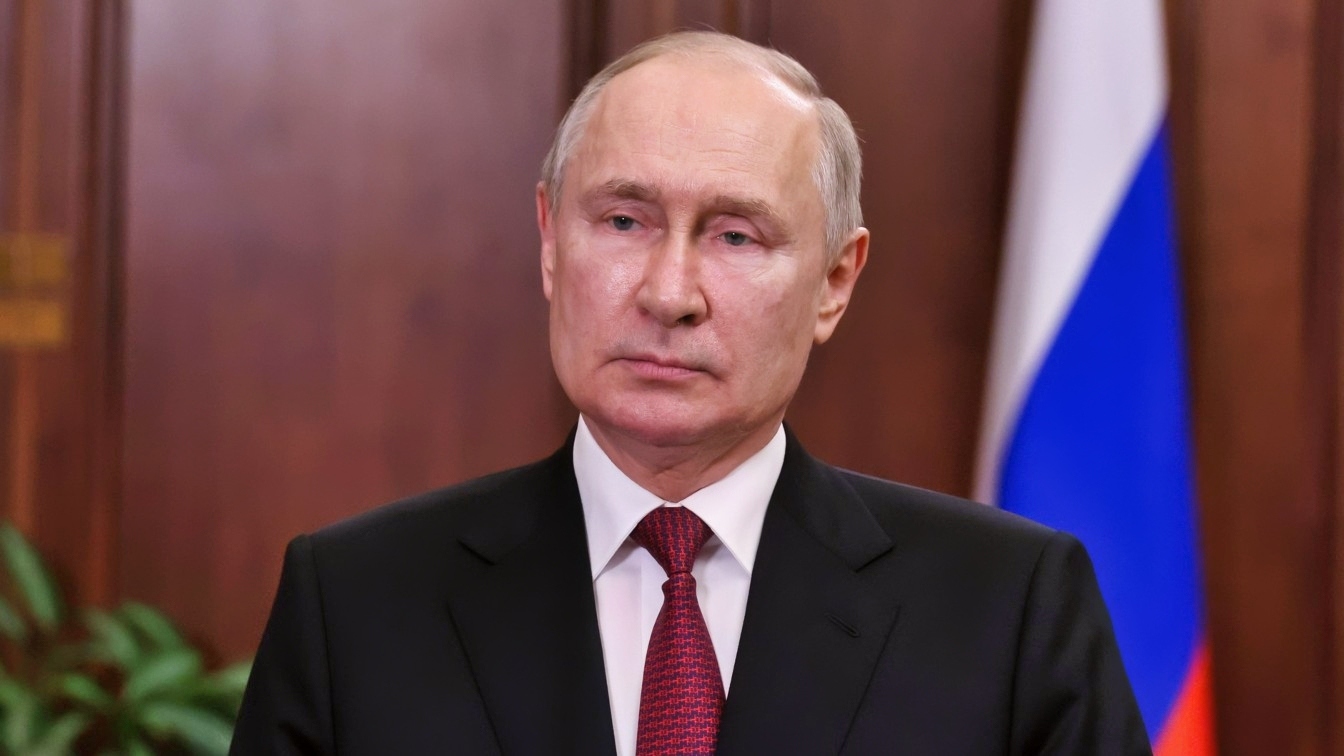
Putin’s Next Crisis: The war in Ukraine has taken a toll on Russia. The country has suffered nearly a million and a half casualties. Attacks on its gas and oil infrastructure have caused widespread gas shortages in 56 of Russia’s 83 regions. The economy is teetering on the edge, and the news keeps getting worse.
Half a million Russian citizens went bankrupt in 2025, up 33 percent from the year before, as Russian President Vladimir Putin risks an “explosive” banking crisis, an intelligence report from an unnamed European country has warned.
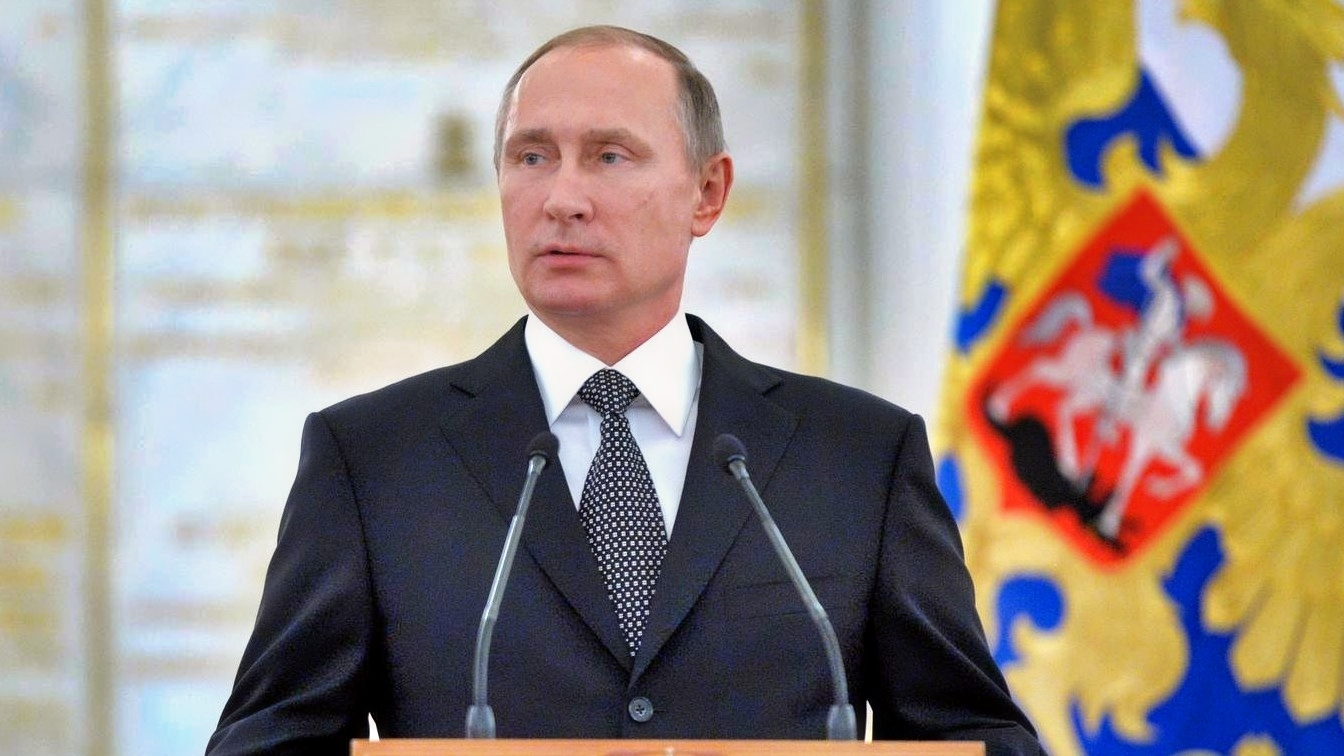
Putin Back in 2026 Photo From Russian Federation Collection Creative Commons
Deteriorating business loans and rising household debt mean Russia is moving closer to a potential financial meltdown, according to a document prepared for European officials ahead of a new round of sanctions.
State Intelligence Report Describes The Issues With Russia’s Banks
Reuters was able to get a close look at this report, which they wrote is titled “Note on the probability of a banking crisis in Russia in 2026”, said banks have been pushed by Kremlin officials to give subsidized loans to defense companies, homebuyers, and others, in an attempt to boost the economy and fund the war effort.
It also cited state-backed credit programs, loan restructurings, and government support that masked the banks’ vulnerability.
“The situation creates the illusion of a dynamic economy that, in reality, conceals an explosive situation which an economic shock, such as an ambitious package of sanctions against banks … could trigger,” said the report.
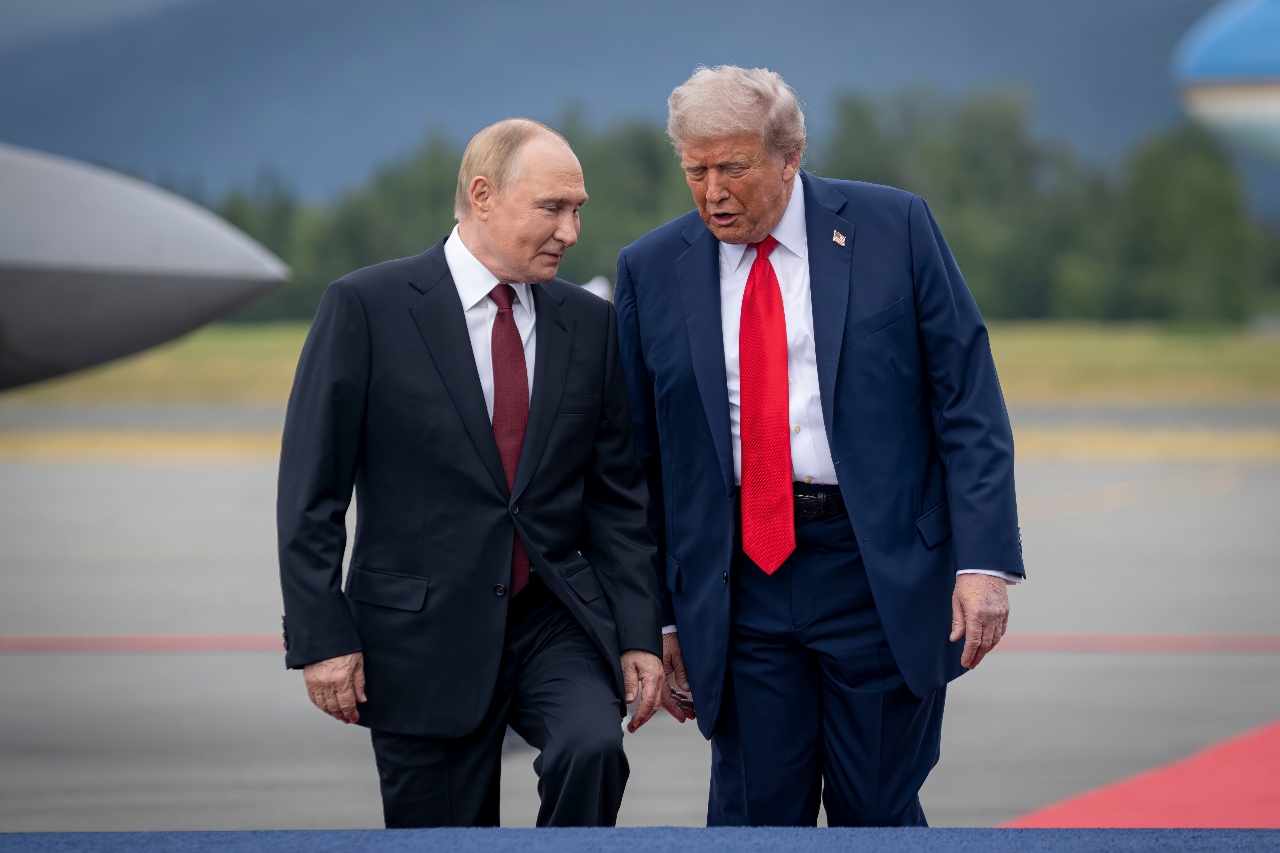
President Donald J. Trump welcomes Russian President Vladimir Putin to Joint Base Elmendorf-Richardson, Anchorage, Alaska, August 15, 2025 (DoD photo by Benjamin Applebaum)
With Russia’s economy teetering, its banks are now encumbered with bad debts.
In May, the Russian economic ministry cut its official forecast for GDP growth this year from 1.3pc to 0.4pc and from 2.8pc to 1.4pc in 2027.
Many fiscal analysts believe that the situation is far worse than official data would suggest, and the country may already be in recession.
New Sanctions Target Russian Banks And Cryptocurrency Networks
Russia’s banks have been remarkably resilient since Putin’s 2022 full-scale invasion of Ukraine; however, the June report says that loans in default and growing household indebtedness create an abnormal risk, just as the EU prepares another package of sanctions that are slated to be released in July, targeting banks and cryptocurrency networks.
Other sanctions may be levied on drone producers, oil traders, and refiners. Adding 90 banks to the sanctioned entities would mean over half of the country’s internationally connected banks would be on the blackball list.
According to an article in The Moscow Times, which predicted back in December that Russia could face a banking crisis in late 2026, cash circulating outside the banking system increased by nearly 1.9 trillion rubles, about $24.5 billion, between February and June, averaging approximately 380.7 billion rubles per month, as Russian citizens were pulling money out of banks for the first time since the mobilization panic in 2022.
June reports saw an additional 449.7 billion rubles added to cash circulation, while April recorded the largest monthly increase at more than 607 billion rubles.
Prices Are Rising, Citizens Cutting Spending
The war in Ukraine and the ever-increasing drone attacks on Russia’s gas and oil infrastructure have caused shortages of gas across the country.
The drone strikes, Ukraine’s Foreign Intelligence Service reported, are causing rising prices and slowing household incomes, forcing more Russians to reduce spending on food, clothing, and other everyday expenses.
According to the agency, 81 percent of Russians are now cutting grocery spending, while many have also reduced purchases of clothing, restaurant meals, and other discretionary items as inflation and wartime costs continue to weigh on household budgets.
Communist Leader Wants To Seize Private Bank Accounts
The MT reported that Russian Communist Party leader Gennady Zyuganov suggested seizing part of the trillions of rubles held in bank accounts by households and businesses to support the economy.
His suggestion unleashed criticism from senior lawmakers and renewed debate over the security of private savings.
Speaking at the Communist Party’s election congress, Zyuganov said Russian citizens held 67 trillion rubles ($904.5 billion) in bank deposits, while businesses had another 63 trillion rubles ($850.5 billion), for a combined total of 130 trillion rubles ($1.76 trillion).
“That is three state budgets,” Zyuganov was quoted as saying by the newspapers Vedomosti and the broadcaster RTVI. “They are sitting there and enriching bankers.”
Russian Central Bank Deputy Attempts To Allay Fears
Russian central bank Deputy Governor Filipp Gabunia said in June that “vulnerabilities in the financial sector are not critical,” stressing that banks’ capital cushion was at the highest level in three years, while corporate bad loans had, at 4 percent, not changed during the last year and a half.
However, the report disputed that number, stating that 10 percent of current loans are in doubt, while some banks put the figure as high as 15 percent.
“Russia’s economy is stagnating but the dominance of the state and defense spending means there is no immediate financial crisis to hand,” said Chris Weafer, a Russia expert at consultancy Macro Advisory.
“Asia ignores sanctions. So the idea that a fresh round will tip Russia into crisis is wishful thinking,” he said, adding that defense spending was keeping unemployment low and wages high.
“Everyone Is Used To It”
One person who is (outwardly) not concerned isTaras Skvortsov, chief financial officer of Russia’s largest bank, Sberbank.
“All major banks are already under sanctions … and when they were introduced in 2022, there was stress,” he said to Reuters.
“By 2026, everyone will have become so used to it. Many clients of the sanctioned banks do not even know about sanctions,” he added.
Despite this, the intelligence report states that Russia’s banks could become increasingly susceptible to external economic shocks as lenders continue to finance the country’s wartime economy while absorbing significant financial risks.
About the Author: Steve Balestrieri
Steve Balestrieri is a National Security Columnist. He served as a US Army Special Forces NCO and Warrant Officer. In addition to writing on defense, he covers the NFL for PatsFans.com and is a member of the Pro Football Writers of America (PFWA). His work was regularly featured in many military publications.