
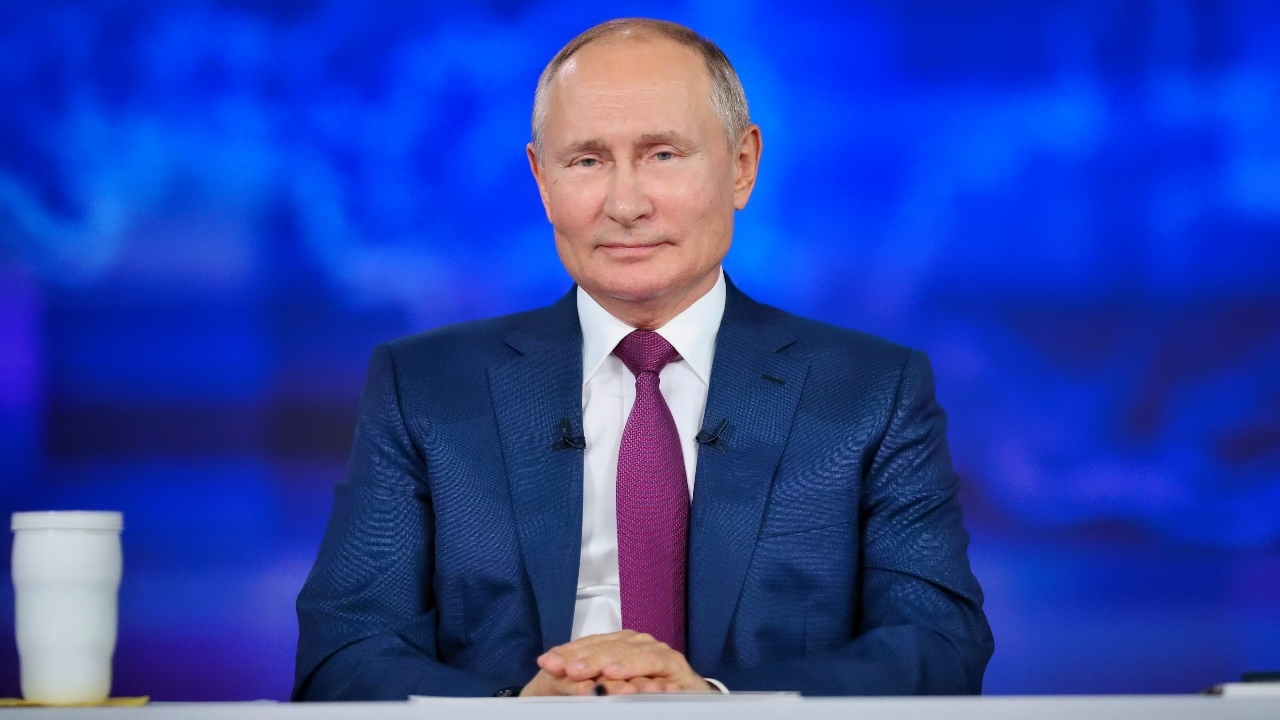
Key Points and Summary – EU leaders have agreed to lend Ukraine €90bn over 2026–27 to avert a cash crunch and keep public services and war spending funded.
-The package will be raised on markets and backed by EU budget headroom, with repayment envisioned only after Russia pays reparations.
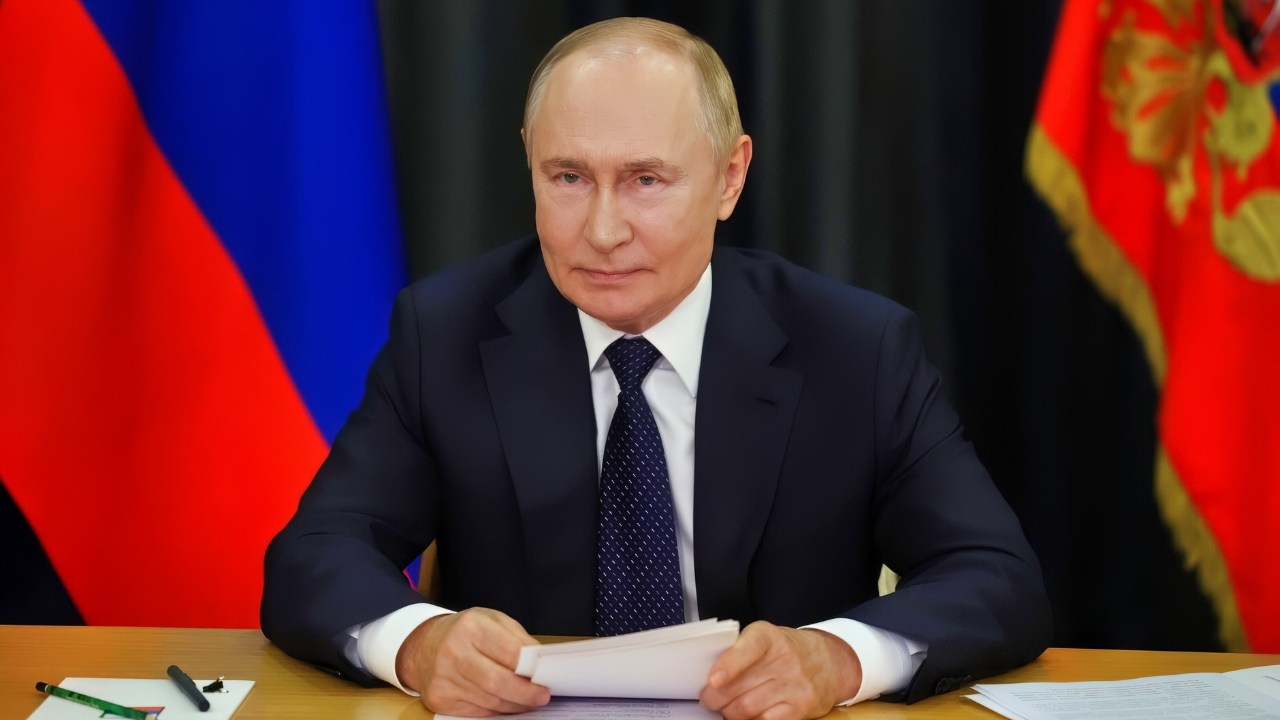
Putin in August 2025. Image Credit: Creative Commons.
-But the bloc failed to secure consensus on its more explosive plan: using €210bn in frozen Russian sovereign assets held largely at Euroclear.
-Belgian legal concerns, Russian retaliation threats, and internal divisions forced a pivot. Hungary and Slovakia objected, and others limited their exposure.
-Ukraine gets time; Europe shelves its biggest leverage play. for now only.
EU Plan to Give Ukraine Russian Assets Collapses
European Union leaders have agreed to lend Ukraine €90bn, the equivalent of around $105bn, over 2026–27. The compromise was struck after a long night of negotiations in Brussels that exposed how hard it still is for the bloc to move fast on the most politically explosive questions of the war.
The loan is expected to be raised on capital markets and backed by “EU budget headroom”. The money was designed to keep the Ukrainian state afloat as Kyiv faces a looming cash crunch in early 2026, with public services and war spending under strain.
European Council President António Costa said the package would “address the urgent financial needs of Ukraine”, adding that repayment would only come once Russia pays reparations for its full-scale invasion. Ukrainian President Volodymyr Zelenskyy publicly praised the EU for this “significant support” and reiterated his position that Russian assets remain frozen.
Still, EU leaders disagreed on previous plans to use Moscow’s frozen sovereign assets under their jurisdiction.
These assets are worth a hefty €210bn, with much of it held in the Brussels-based Euroclear clearing house, and will underpin the loan.
The plans came against strong cooperation from the Belgian government who wanted better guarantees against legal and financial retaliation from Russia, not to mention compensation costs if courts ever deemed the scheme illegal.
Russia has already launched legal action against Euroclear, and the Kremlin has threatened countermeasures if its assets are repurposed.
The compromise leaves the EU’s “big idea” on the shelf, at least for now. Leaders insisted the option remains open, particularly after the bloc moved recently to freeze Russian assets indefinitely, and interest earned on the holdings has already been channelled to Ukraine.
But by shifting to an EU-budget-backed structure, the bloc is choosing a route that is legally cleaner and potentially quicker—while also likely more expensive and harder to scale than a plan anchored by immobilised Russian funds.
The politics were as messy as the mechanics. Hungary and Slovakia refused to back the compromise, while the Czech Republic signalled it would not guarantee the loan, though the final text is crafted so these governments are not financially on the hook.
German Chancellor Friedrich Merz, a prominent advocate of leveraging frozen Russian assets, framed the outcome as a strategic message to Moscow: the longer the war drags on, the less it will “pay off” for Vladimir Putin. Putin, for his part, derided the frozen-assets approach as “daylight robbery” and argued that even debating it undermines trust in the euro zone.
In the end, Europe has bought Ukraine time, and erased some potential intrastate feuding, but failed to settle the deeper question of whether the West is willing to cross the Rubicon on sovereign asset seizure.
The loan is real money, and it matters. But the late pivot is also a reminder that the EU’s unity often arrives in the final hours, and sometimes only after ambition has been traded for what can survive the room.
About the Author: Georgia Gilholy
Georgia Gilholy is a journalist based in the United Kingdom who has been published in Newsweek, The Times of Israel, and the Spectator. Gilholy writes about international politics, culture, and education. You can follow her on X: @llggeorgia.