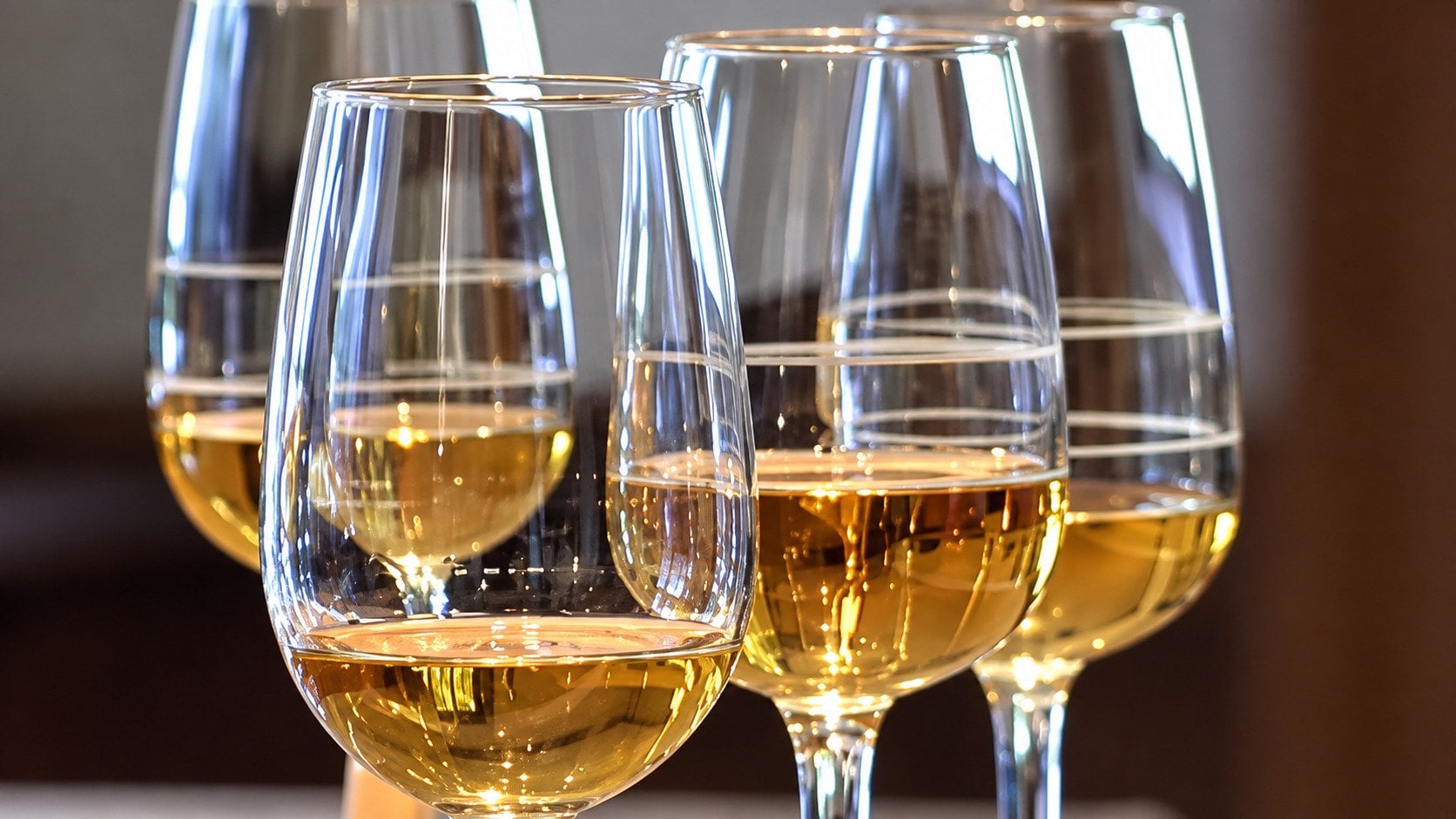
The Supreme Court has agreed to rule on the constitutionality of an 1868 federal law that prohibits distilling spirits, such as whiskey, at home.
“The penalties for violating the law include fines of up to $10,000, five years in prison, or both,” SCOTUSblog stated.
The law also imposes a tax on distilled spirits.
Oral arguments will likely be heard by the justices early next year, with a ruling expected by late June or early July.
BREAKING: The Supreme Court agrees to review the Reconstruction-era ban on distilling spirits in private homes. https://t.co/Ziz80e4SYH
— The Associated Press (@AP) October 19, 2026
More from the Associated Press:
Plaintiffs challenging the prohibition on home distilling claim the 1868 law is an antiquated relic of Reconstruction-era politics. They argue that Congress overstepped its taxation powers when it enacted the home distilling ban as part of a tax reform measure designed to curb fraud by commercial distillers.
Government attorneys counter that Congress properly restricted where spirits can be distilled to prevent producers from evading federal excise taxes. They warn that lifting the ban would violate Supreme Court precedent and erode congressional powers.
According to SCOTUSblog, the Hobby Distillers Association, and some of its individual members, filed the lawsuit in 2023.
The U.S. Court of Appeals for the 5th Circuit ruled that the ban on home distilleries violates two provisions of the U.S. Constitution: the taxation clause and the necessary and proper clause.
Americans distilled spirits at home before independence. Today, an 1868 federal law makes it a felony — even for your own family. Cato’s @Thomas_A_Berry and Matthew Cavedon urge the Supreme Court to strike down the ban.https://t.co/eSsZ6KWHt8 pic.twitter.com/3F9CLP0C63
— Cato Institute (@CatoInstitute) October 12, 2026
SCOTUSblog shared further:
The Constitution gives Congress the power to impose a tax on distilled spirits, the 5th Circuit determined, but it concluded that the ban on home distilleries exceeds that power. Not only does the ban not raise revenue, the court of appeals wrote, it prevents the production of spirits that could generate revenue. The court of appeals similarly rejected the government’s contention that the ban guards against tax evasion, explaining that “preventing activity lest it give rise to tax evasion places no limit whatsoever on Congress’s power under the taxation clause.”
The federal government came to the Supreme Court in August, asking the justices to weigh in. It contended that “[a] law is necessary and proper if it is ‘convenient’ or ‘useful’ for carrying an enumerated power into effect, and ‘plainly adapted’ to that legitimate end.” That is precisely what the ban on home distilleries does, the government argued. “Congress restricted home distilling because a distiller can more easily conceal a distilling operation or thwart necessary inspections—thereby evading the requisite tax—if the still is located in” a house or a structure attached to that house.
The challengers agreed that the court should grant review, although they urged the justices to leave the 5th Circuit’s ruling in place. The case, they said, “presents fundamental questions of the extent of federal power and the powers reserved to the states and the people.”
The post Supreme Court To Review Constitutionality Of Near 160-Year-Old Ban On Home Distilleries appeared first on 100PercentFedUp.com.