U.S. Prepares to Sanction Banks – The United States is preparing to follow through on the biggest threats from Operation Economic Outcast, with U.S. Treasury Secretary Scott Bessent saying on Wednesday that Washington will begin targeting foreign banks, airlines, shipping companies, and other businesses that continue to help Tehran move money around the world. Speaking on September 2, Bessent said he expects to announce another sanction against a bank this week, followed by another the following week.
The comments seem to suggest that Washington will gradually ramp up pressure on Tehran, in the hope that the resulting economic pressure will be enough to make regime leaders return to the negotiating table, or simply concede to the Trump administration’s demands.
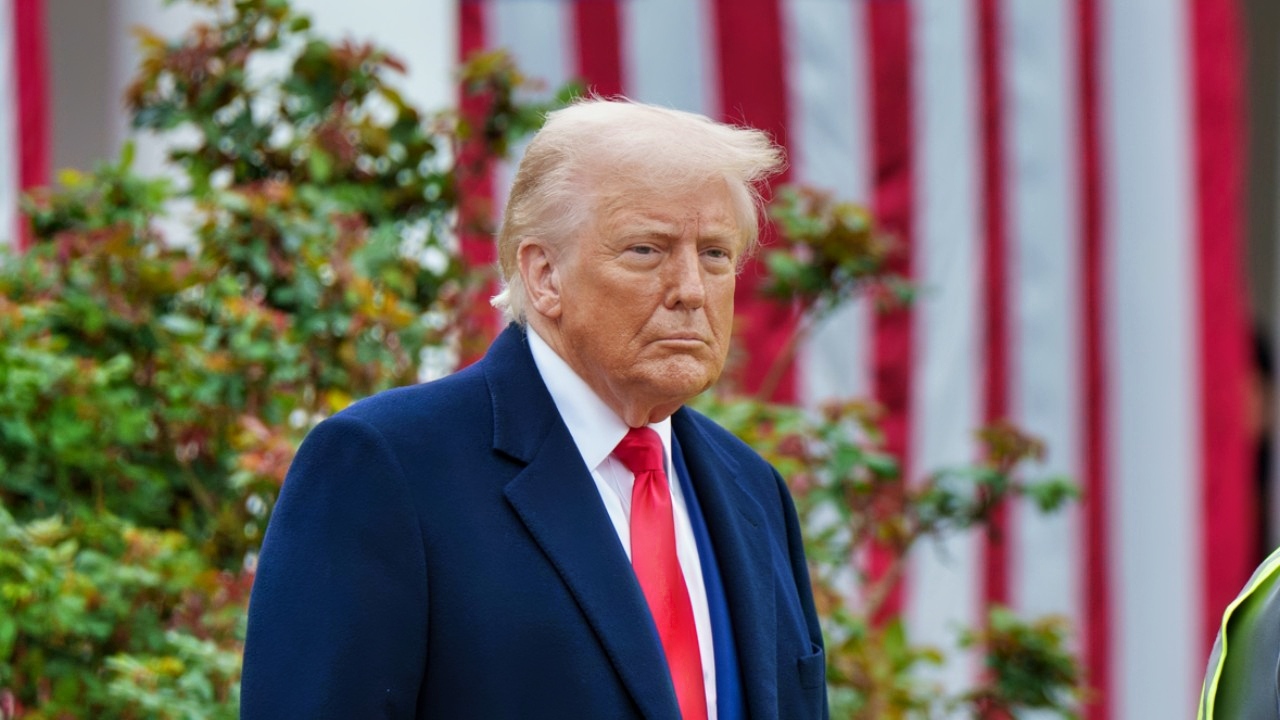
President Donald J. Trump delivers remarks on the Administration’s tariff plans at a “Make America Healthy Again” event, Wednesday, April 2, 2025, in the White House Rose Gardent. (Official White House Photo by Abe McNatt)
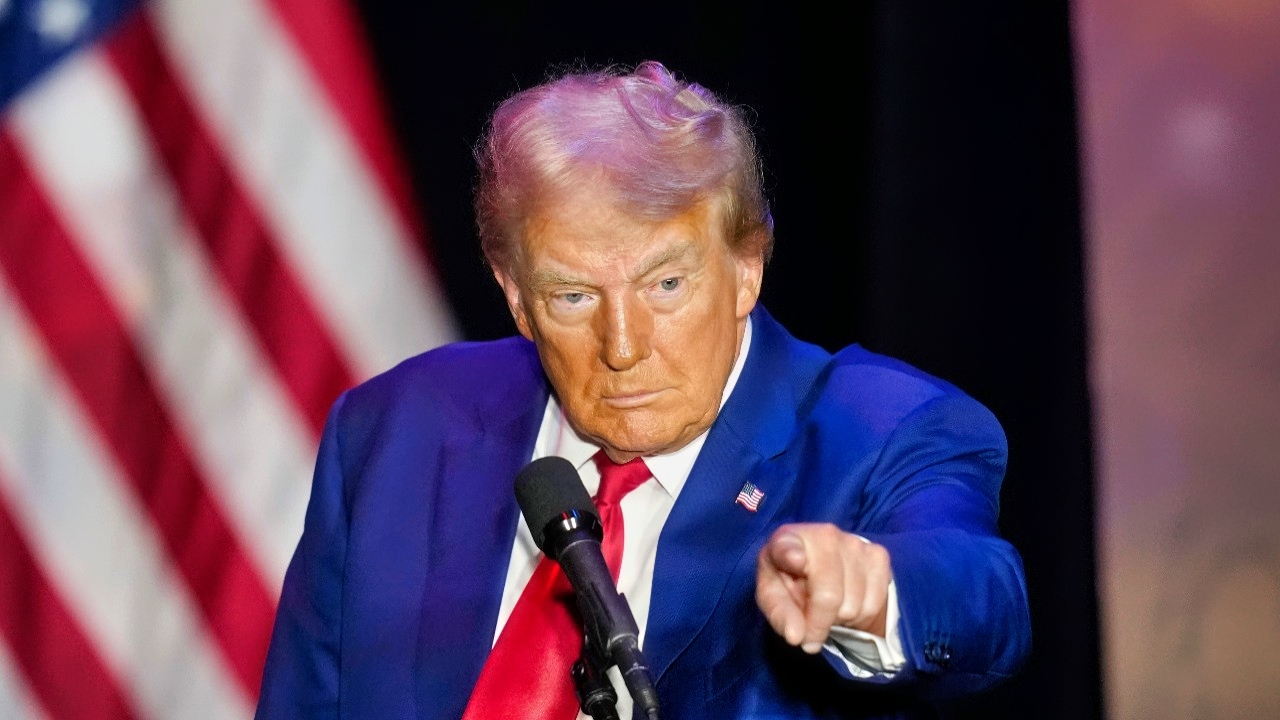
Donald Trump. White House Flickr.
In theory, it is a major threat to Iran. Banks around the world depend on access to dollars and the U.S. financial system, giving Washington the ability to force institutions with no direct presence in the United States to choose between doing business with them or Iran. But there is no guarantee that the pressure will be enough to make an ideological, theocratic regime move an inch — and that’s also a risk to the United States.
An increasingly aggressive campaign against foreign banks could quickly cause global problems. Bessent himself has suggested that the measures could “blow up” the global financial system. Once Washington follows through, it could also strain relations with many U.S. partners and even accelerate efforts by China and other countries to develop alternative financial networks that are harder for Washington to control. The move could, therefore, spell the end of Iran – or the end of U.S. economic dominance.
What Bessent Promised
Bessent warned that Washington was taking steps to impose additional sanctions on the sidelines of the G20 finance ministers’ meeting in Asheville, North Carolina, on Tuesday.
“We are probably going to announce a bank sanction this week, and we will announce one the week after. We are speaking to our allies here, who have all come forward, and we have had a great show of support,” Bessent said.
But the banks are only the beginning, and Bessent said that Treasury is examining companies across a number of industries that provide financial or commercial support to the Islamic Revolutionary Guard Corps.
“It could be entities. It could be airline leasing companies, which we’ll be looking at. It could be anyone who does business with the IRGC. We are tracking down the IRGC’s assets,” he continued.
He also said that the White House has “zero tolerance” and that the plan is to “economically asphyxiate” the regime.
Speaking to Fox News on Wednesday, Bessent expanded on his comments, warning that airlines, maritime firms and digital assets could also become targets as Washington explores every possible option to economically isolate Iran.
Washington Goes After Financial Middlemen
On Friday, August 28, the Treasury Department’s Financial Crimes Enforcement Network (FinCEN) proposed cutting the six UAE branches of Egypt’s Banque Misr off from correspondent banking with U.S. financial institutions.
The proposal would effectively stop those branches from using American banks to access the dollar-based financial system. According to FinCEN, an investigation identified at least $1.8 billion in suspected Iranian shadow banking activity through Banque Misr UAE between January 2024 and June 2026.
The U.S. Treasury Department said the transactions involved 103 companies potentially connected to networks Tehran uses to evade sanctions. FinCEN also accused the bank of being a “critical access node” for Iranian access to U.S. dollars.
In his announcement on August 28, Bessent specifically addressed the action, describing it as an attack on Iran’s economic lifeline.
Treasury promised to sever every economic lifeline Tehran has left and finally end the threat of the Iranian regime,” Bessent said. “We also warned that Iran’s enablers cannot continue to enjoy access to the U.S. dollar and the global financial system. Banque Misr UAE decided to find out the hard way, and today, we are taking the first step in holding it accountable for its continued, egregious support of the Iranian regime.”
It Could All Backfire
The problem for Washington is twofold. Iran is governed by an ideological regime, not a rational one. The sanctions could also backfire. Washington is now attempting to enforce its threat without destabilizing the financial system that it currently dominates.
During an August 24 Treasury press conference, Bessent explained why he was not immediately sanctioning every partner working with Tehran, and why he was only preparing to gradually roll out secondary sanctions.
“Well, we are giving everyone the opportunity to remedy bad behavior. Why would I want to blow up the global financial system? We believe that it is important to level set and give people a cure period, but they should know that that will move very quickly and that we are serious,” Bessent said.
The threat, then, extends not only to Iran but to global financial systems and, critically, Washington.
And Tehran knows it.
About the Author: Jack Buckby
Jack Buckby is a British researcher and analyst specializing in defense and national security, based in New York. His work focuses on military capability, procurement, and strategic competition, producing and editing analysis for policy and defense audiences. He brings extensive editorial experience, with a career output spanning over 1,000 articles at National Security Journal, and has previously authored books and papers on extremism and deradicalization.