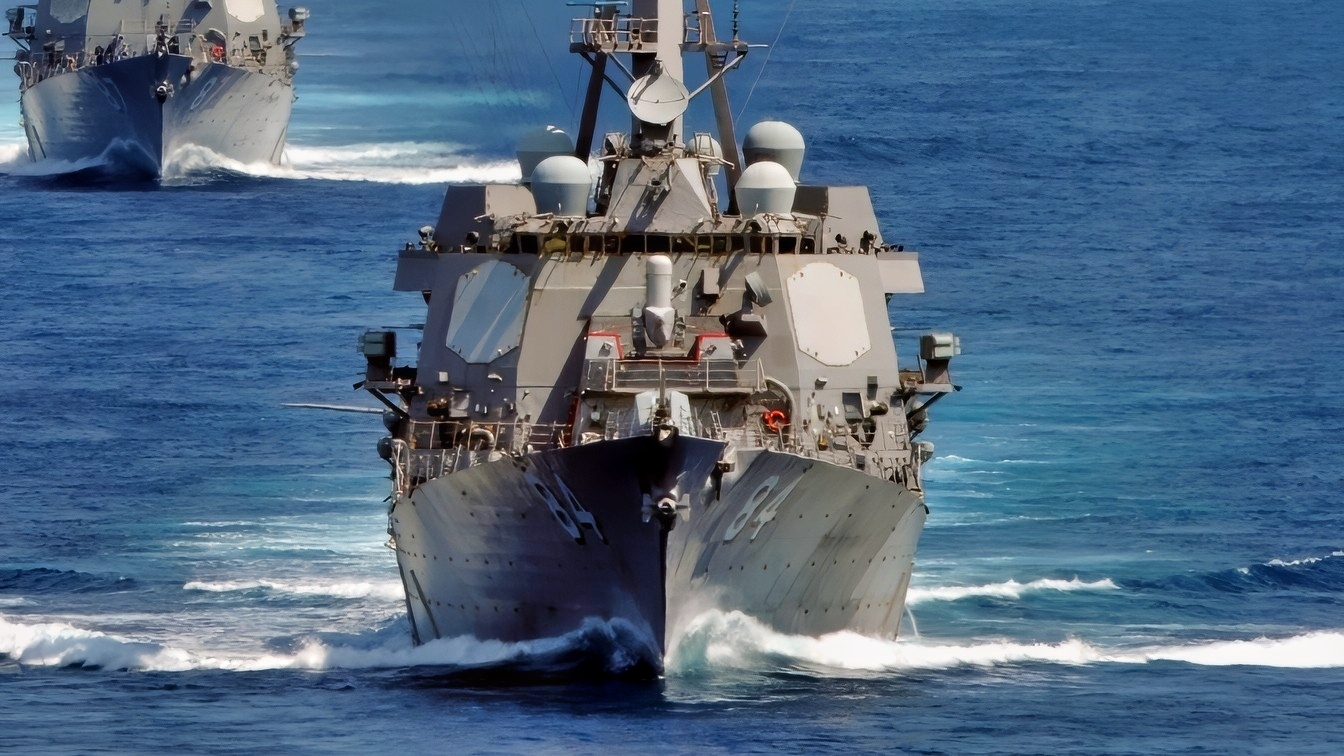
The prolonged disruption in the Strait of Hormuz has exposed one of the biggest vulnerabilities in the global energy system, amid repeated strikes that have forced some Middle Eastern refiners to slow operations.
Some of the world’s biggest oil producers have spent decades building enormous production capacity to satisfy world demand, but much of that oil depends on a single narrow waterway to reach international markets.
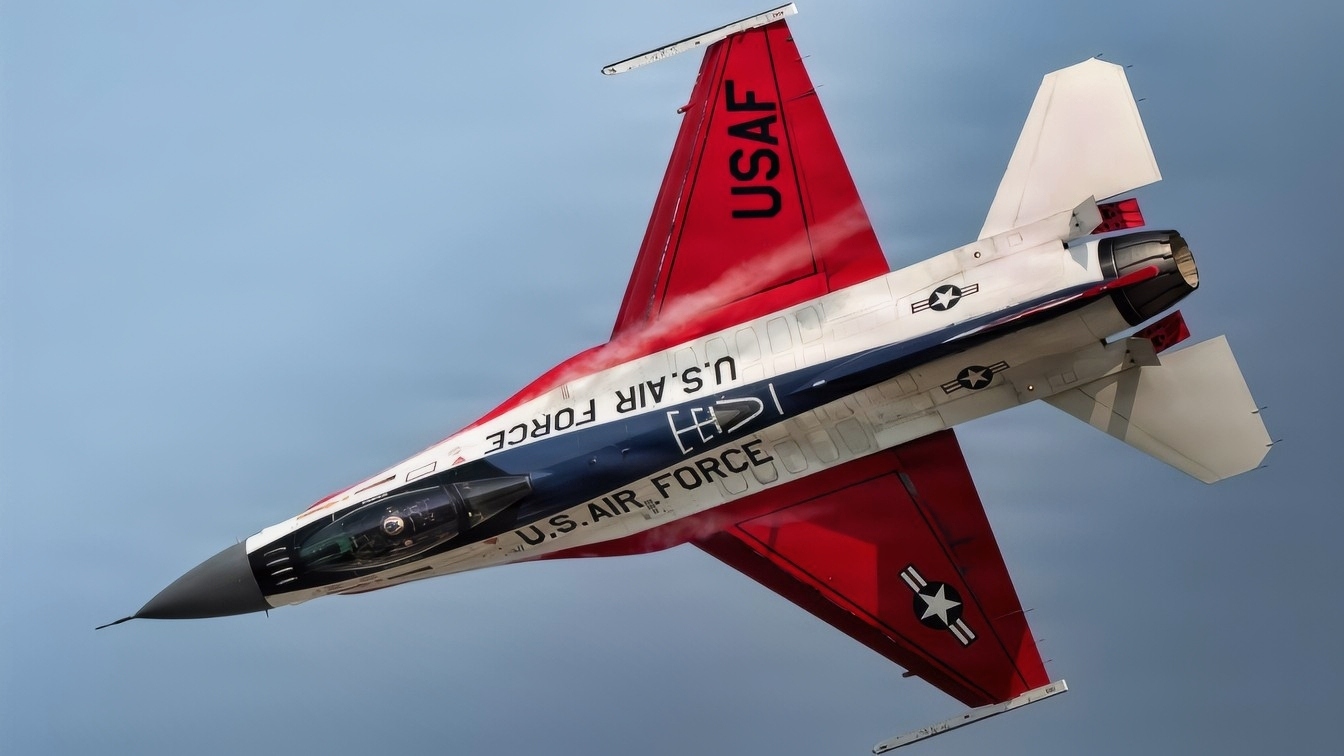
U.S. Air Force Maj. Taylor “FEMA” Hiester, F-16 Viper Demonstration Team commander and pilot, performs aerial maneuvers in a U.S. Air Force F-16C Fighting Falcon during AirVenture at Oshkosh, Wisconsin, July 24, 2026. The F-16, a multi-role fighter aircraft capable of both air-to-air and air-to-ground combat, demonstrates its versatility through dynamic aerial demonstrations across the U.S. and abroad. (U.S. Air Force photo by Staff Sgt. Steven Cardo)
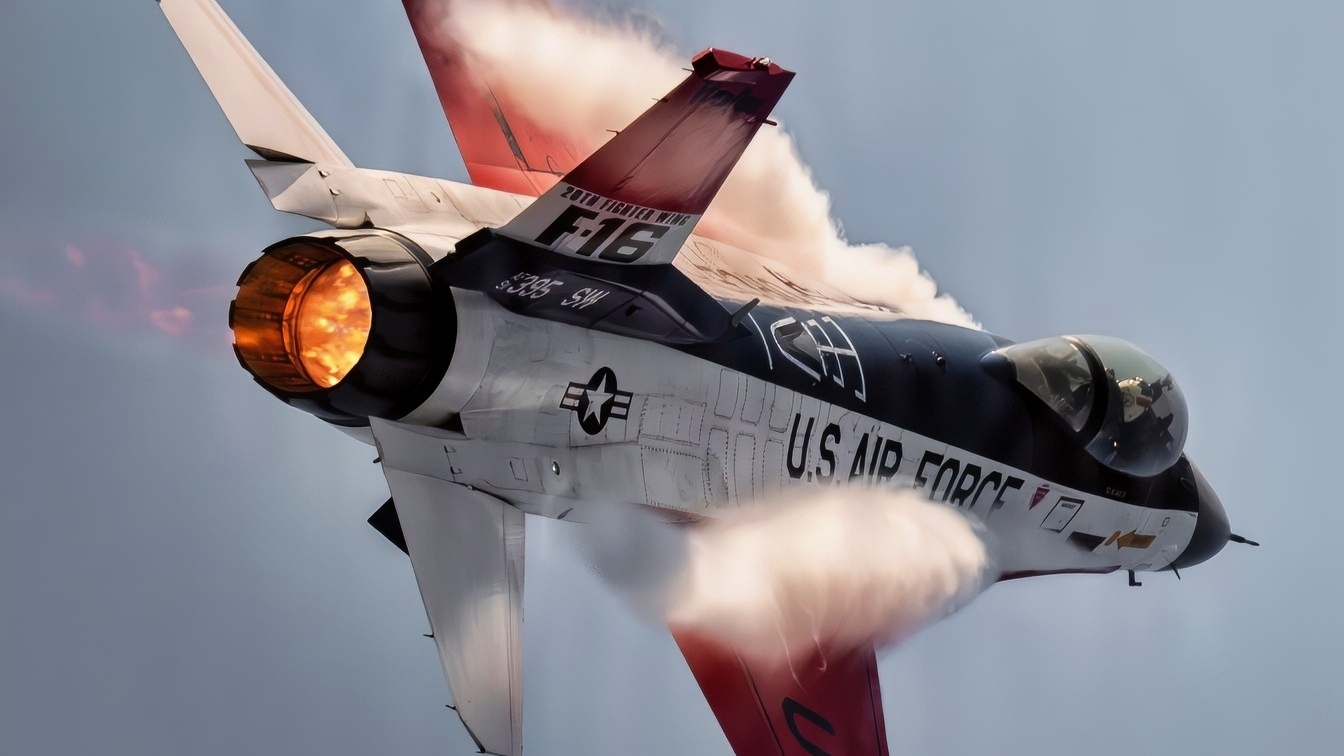
U.S. Air Force Maj. Taylor “FEMA” Hiester, F-16 Viper Demonstration Team commander and pilot, performs aerial maneuvers in a U.S. Air Force F-16C Fighting Falcon during AirVenture at Oshkosh, Wisconsin, July 24, 2026. The F-16 is a multi-role fighter capable of air-to-air and air-to-ground combat operations. (U.S. Air Force photo by Staff Sgt. Steven Cardo)
Before the war with Iran began in February, nearly 20 million barrels of oil passed through the Strait of Hormuz every day.
Five months later, exports remain severely disrupted, with Gulf oil exports averaging around 10.7 million barrels per day in July – roughly 40% below pre-war levels.
Now, in August, the problem remains unresolved, and there is no sign of a deal between the U.S. and Iran coming.
Both sides claim control of the strait, while negotiations have failed to restore normal shipping.
Even estimates of current flows vary significantly, with U.S. Energy Secretary Chris Wright claiming that around 15 million barrels per day are leaving the region, while ship-tracking firms estimate closer to 9-12 million barrels per day.
The crisis has forced a longer-term rethink about how oil reaches international markets.
Saudi Arabia, the United Arab Emirates, and their neighbors are now pursuing a number of strategies designed to ensure the long-term success of their oil sectors and prevent the next closure of Hormuz from causing the same shock.
Among those strategies are expanding bypass pipelines, constructing entirely new export corridors, and positioning more oil overseas.
Existing Pipelines Are Making A Difference
The United Arab Emirates and Saudi Arabia have a major advantage over their neighbors: they already have pipelines that bypass the Strait of Hormuz.
Saudi Aramco’s East-West Pipeline carries crude across Saudi Arabia to Yanbu on the Red Sea. That pipeline saw dramatically increased flows soon after the war began, with analysts estimating that the system reached its maximum capacity of seven million barrels per day during the first quarter.
The UAE can also move oil through different routes – specifically, from Abu Dhabi to Fujairah, a major export hub on the Gulf of Oman located outside the Strait of Hormuz.
Before February, the International Energy Agency estimated that the Saudi and Emirati systems provided between 3.5 million and 5.5 million barrels per day of spare bypass capacity.
It is an imperfect system, but it has served as a buffer during the conflict, and it is an option that Kuwait, Qatar, and Bahrain lack.
Saudi Arabia and UAE Want Greater Capacity
Both Saudi Arabia and the UAE are building on these bypasses to better meet demand in the event of the next closure.
Saudi Arabia is reportedly considering expanding its East-West system by an additional 1-2 million barrels per day. Citing three sources familiar with the discussions, Reuters reported in July that Saudi officials and Aramco were exploring several options to increase capacity, including building more pumping stations and constructing a smaller parallel pipeline for refined petroleum products.
Those sources also said an expansion would cost billions of dollars and take years to complete, thereby strengthening Saudi Arabia’s position in a future crisis but not solving the current one.
The UAE, meanwhile, has already started building that additional capacity.
In May, the Abu Dhabi Media Office announced that construction of a second crude pipeline to Fujairah would be accelerated, with completion targeted for 2027. ADNOC CEO Sultan Ahmed Al Jaber then said that the new pipeline was around 50% complete that month.
Once complete, the government says it will roughly double the United Arab Emirates’ crude export capacity via Fujairah to around 3.6 million barrels per day, thereby allowing almost all of Abu Dhabi’s onshore production to reach the Gulf of Oman without first passing through the Strait of Hormuz.
ADNOC is also taking measures to change how it moves oil in the meantime, with Reuters reporting in August, following interviews with over a dozen company executives and industry insiders, that ADNOC has already added 11 large vessels to its shipping fleet and established a shuttle system that can move crude through the region before transferring it to tankers outside of the Strait of Hormuz.
Other Measures
Other Gulf oil producers are also pursuing long-term alternatives, calculating that the Strait of Hormuz is unlikely to remain a permanent, stable export route.
Iraq has revived its plans for a new pipeline capable of carrying up to one million barrels of oil per day through Jordan to the Red Sea port of Aqaba. Kuwait, meanwhile, is discussing possible connections through Oman or Saudi Arabia.
Oil storage is being expanded, too, with Gulf producers establishing storage facilities thousands of miles away in countries such as Japan, South Korea, and India. The logic is to ensure that some crude remains outside of Hormuz, thereby serving as a backup in the event of another disruption at Hormuz.
While Washington insists that the Strait of Hormuz is open, that the United States has full control over the waterway, and that future passage can be guaranteed once a deal is eventually made, industry leaders are showing through their actions that they simply do not believe it.
About the Author: Jack Buckby
Jack Buckby is a British researcher and analyst specializing in defense and national security, based in New York. His work focuses on military capability, procurement, and strategic competition, producing and editing analysis for policy and defense audiences. He brings extensive editorial experience, with a career output spanning over 1,000 articles at 19FortyFive and National Security Journal, and has previously authored books and papers on extremism and deradicalization.