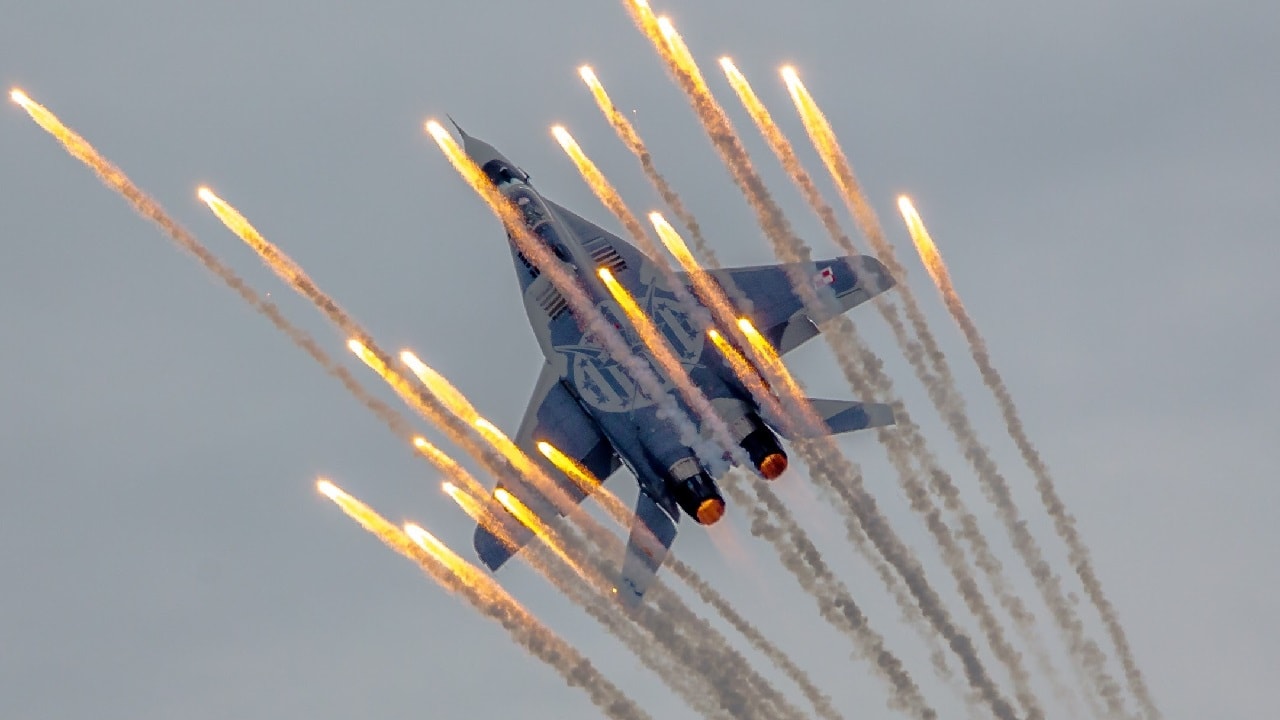
Poland is a long-time enemy of Russia and a friend of Ukraine. Now the Polish government has found another way to help Kyiv and sting Moscow.
The Poles are considering sending some of their MiG-29s to Volodymyr Zelensky’s air force in exchange for drone technologies that are combat-proven in the war against Russia.
Just What the Doctor Ordered
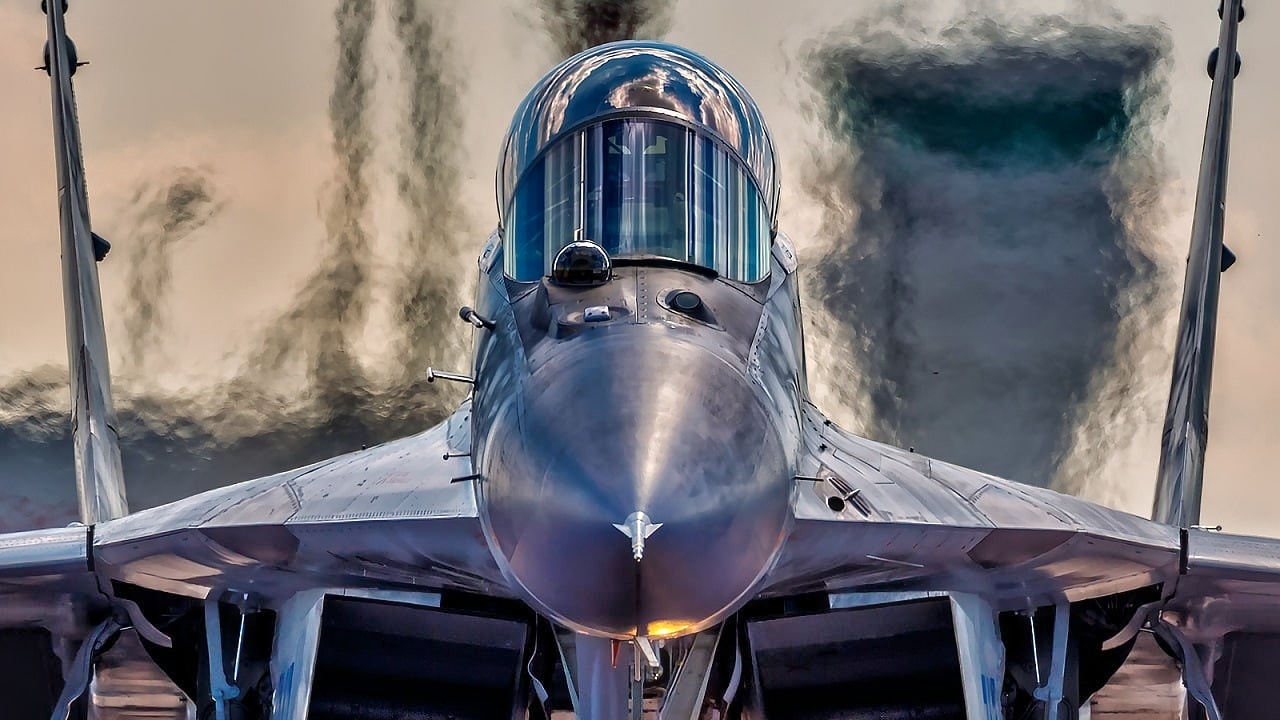
MiG-29 Fighter. Image Credit: Creative Commons.
This defense agreement helps both countries. Poland has a new place to send its older fighter jets, and Ukraine is glad to share its expertise in combat drones.
Ukrainian soldiers would also be active in transferring their know-how to the Poles. This is a different type of deal that doesn’t rely on financial compensation.
Poland’s Air Force Modernization and Ukraine’s Need for Improvement
Poland has big plans for its air force. It wants to replace its MiG-29s with a full fleet of F-35 Lightning IIs and South Korean-made FA-50 light fighters.
Ukraine is happy because the MiG-29 is its main fighter. Pilots love flying it, and the MiG is integrated well with air defenses and can launch precision-guided munitions.
These airplanes are also good for air policing and bringing the fight to Russia for aerial combat and ground strikes.
Is This the New Normal?
If the deal is executed, it could set a model for new types of arms deals based on combat expertise rather than cash payments.
Ukraine certainly has expertise in drone warfare that it has developed over the years against Russia.
The Poles can jettison some old airplanes and become more up-to-date with unmanned aerial systems, particularly first-person view drones, and swarming loitering munitions.
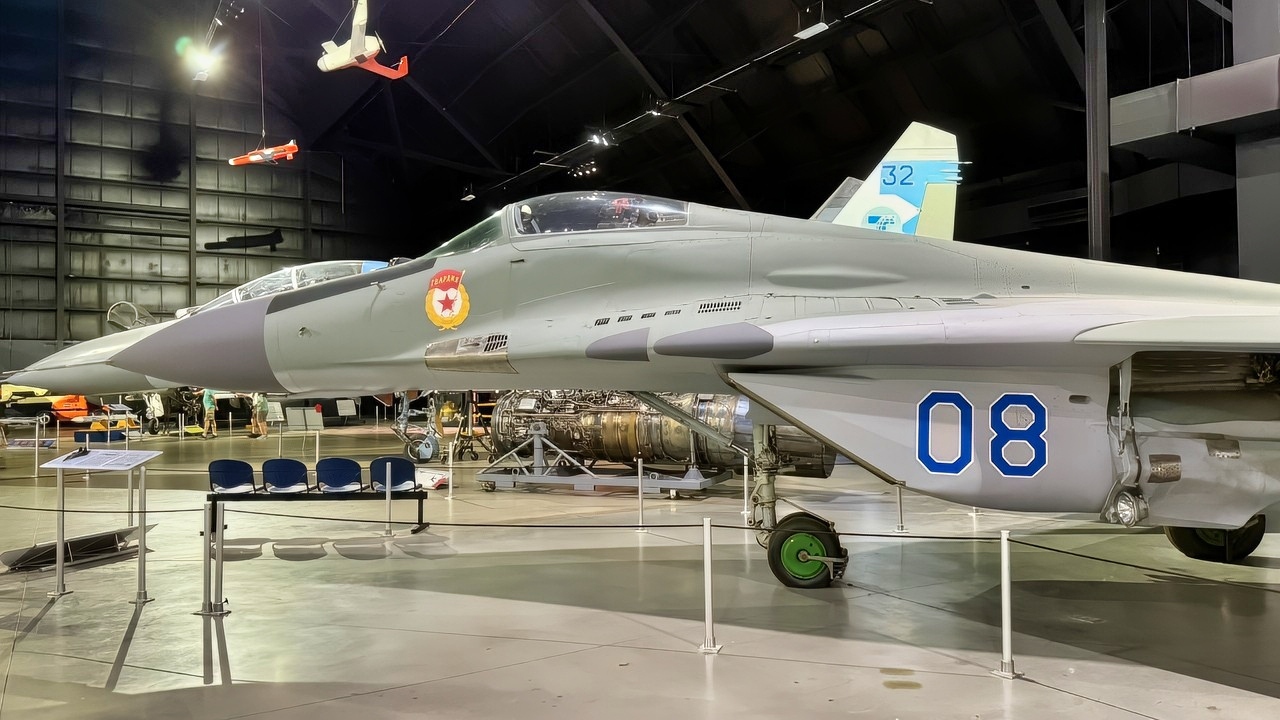
Real MiG-29 at USAF Museum in Dayton. Image Credit: National Security Journal.
Other countries throughout NATO could make similar arrangements with Ukraine in the future should this deal work out well.
The MiG-29 Is Ripe for a Transfer
The Ukrainians have done an excellent job making their older MiG-29s interoperable with NATO munitions like the AGM-88 anti-radiation missile.
Meanwhile, Poland has been flying the MiG-29 since 1989, and it is ready to move on.
Ukraine could not be happier to accept the older airplanes as it needs everything it can get in the air to protect against Russian drones and ballistic missiles.
Good for Both Air Forces
Poland built its fleet of MiG-29s slowly over the years.
It received some from the Czech Republic in 1995 and from Germany in 2004, but they are growing long in the tooth.
Poland is highly excited about the new F-35s it is receiving and is ready to move on from the MiG-29.
Ukraine is encouraged because its air force would not have to train on a new platform and could begin flying the MiG-29 right away.
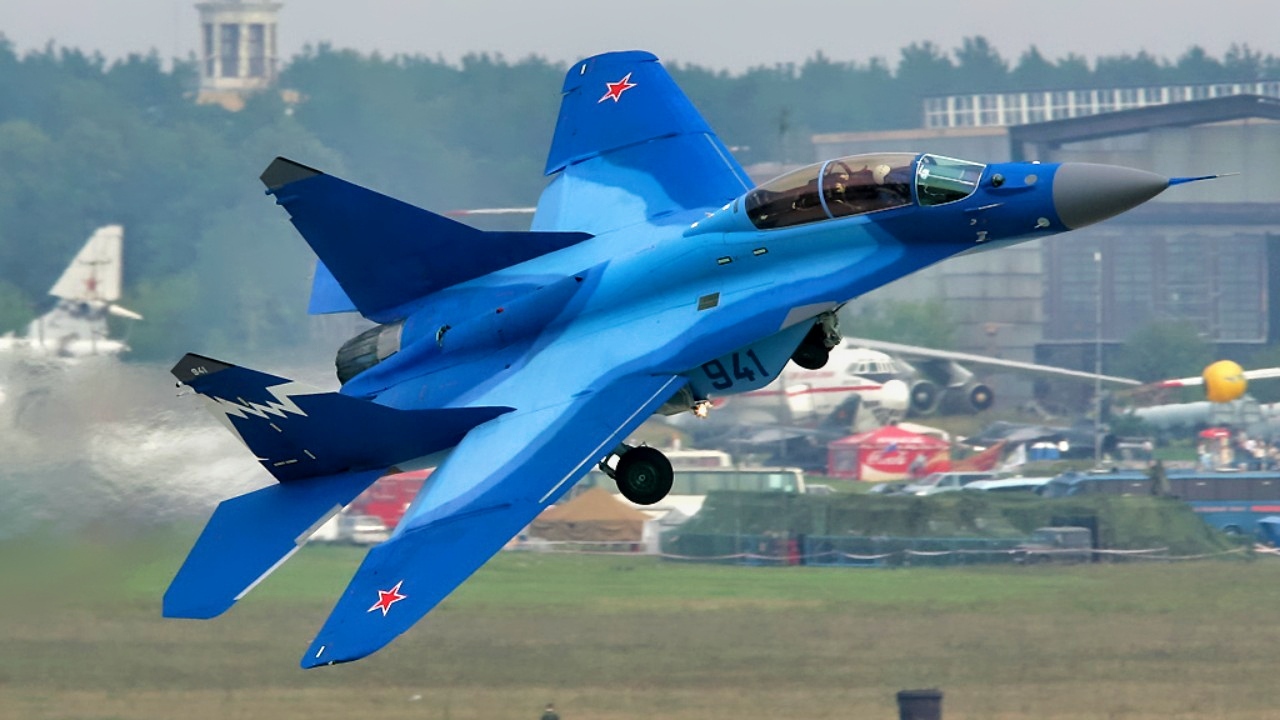
MiG-29K. Image Credit: Creative Commons.
Kyiv was excited to receive F-16s, but this acquisition required its pilots to learn the ropes before they could fly regular missions against Russia.
The MiG-29 Has Struggled Somewhat During the War
However, the MiG-29 has not enjoyed the best record in combat against Russia. “MiG-29s have suffered particularly heavy losses in air-to-air combat while achieving no confirmed kills against manned Russian aircraft.
A particularly intense ten days of air battles in October 2023 reportedly saw 17 MiG-29s shot down in air-to-air engagements with Russian fighters,” according to Military Watch Magazine.
This means that if the deal goes through, Ukrainian pilots must improve, and the jet could use some tuning up with better munitions and tactics against Russia.
The mission may evolve toward guarding against Russian drones and ballistic missiles rather than dog-fighting.
The Deal Is in the Hands of the Polish Defense Ministry
The deal is being overseen by the Polish Ministry of National Defense, which is taking all of these considerations under advisement, but learning about new drone technologies from Ukraine may prove irresistible.
Poland may also receive drone assembly techniques to jump-start its indigenous industry. Kyiv could ultimately decide to allow fully constructed unmanned craft to be sent to Warsaw.
This comes at a good time for Poland as it transitions to a more modernized air force.
More About the Polish MiG-29
The MiG-29 is a workhorse airplane with a top speed of MACH 2.25.
It has decent maneuverability with an excellent rate of climb and thrust.
The Polish MiG-29s deploy R-73 short-range infrared-guided missiles and R-27 medium-range air-to-air missiles, according to ArmyRecognition.com.
Poland has about 40 MiG-29s, so they would be trimming their fleet considerably if the deal goes through.
Poland already sent 12 of the MiG-29s to Ukraine in 2023.
So there is precedent for more MiG-29 transfers.
The New Deal is a good one, should it be approved by the Polish Defense Ministry.
It scratches the itch for both countries.
Ukraine gets a familiar airplane, and Poland acquires badly needed drone technology.
This could be a model for future arms transfers to Ukraine, as the country is a global leader in unmanned systems.
Let’s see how this deal progresses, as it could inspire future acquisition practices among other NATO countries interested in learning more about drones from Ukraine.
The time is ripe for the country to share its valuable, combat-proven technologies from the war.
MORE – There Is a Way for Ukraine to Beat Putin
About the Author: Brent M. Eastwood, PhD
Brent M. Eastwood, PhD, has written over 3,600 articles on defense issues. He is the author of Don’t Turn Your Back On the World: A Conservative Foreign Policy and Humans, Machines, and Data: Future Trends in Warfare, plus two other books. Brent was the founder and CEO of a tech firm that predicted world events using artificial intelligence. He served as a legislative fellow for US Senator Tim Scott and advised the senator on defense and foreign policy issues. He has taught at American University, George Washington University, and George Mason University. Brent is a former US Army Infantry officer. He can be followed on X @BMEastwood.