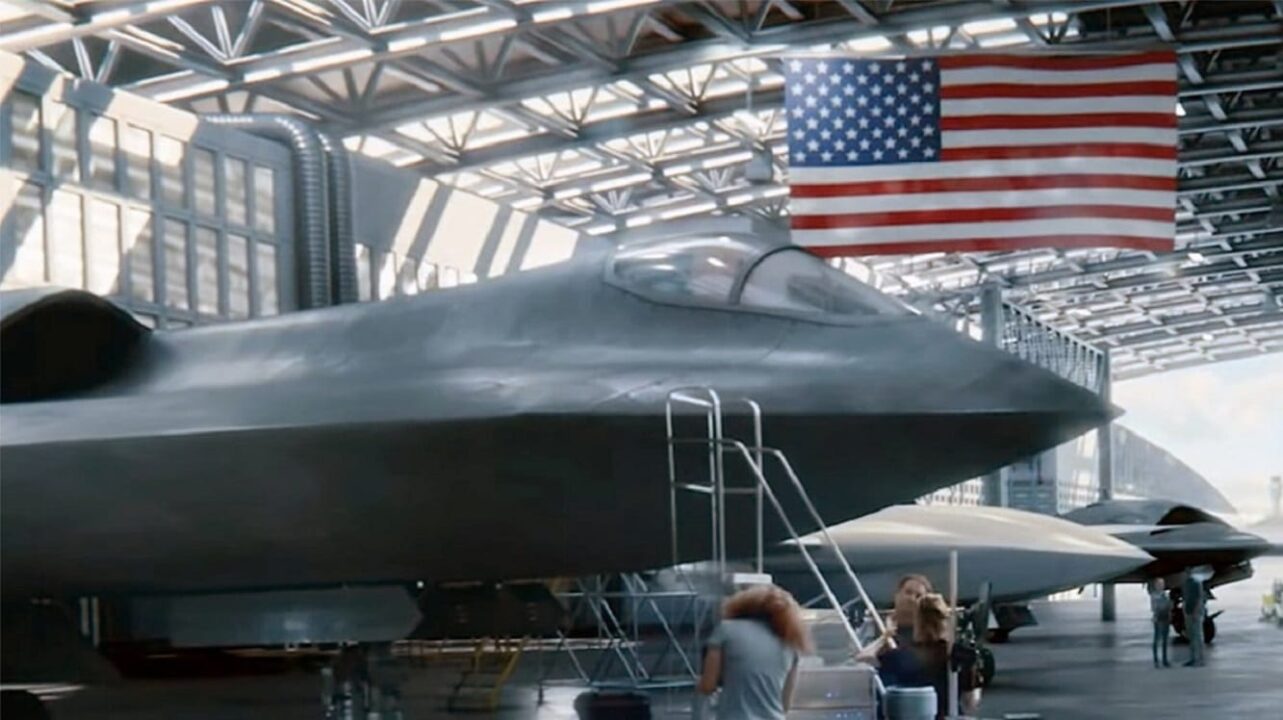
The U.S. Air Force’s upcoming sixth-generation F-47 fighter will not replace the F-22 Raptor when it enters service in the early 2030s. Instead, the two aircraft will fly together in a layered kill chain, with the F-22 providing near-range agility and the F-47 providing long-range penetration. The F-35 Lightning II, F/A-XX, and B-21 Raider will round out the future fleet.
The U.S. Military’s Stealth Everything Future: F-47 to B-21 Raider and More
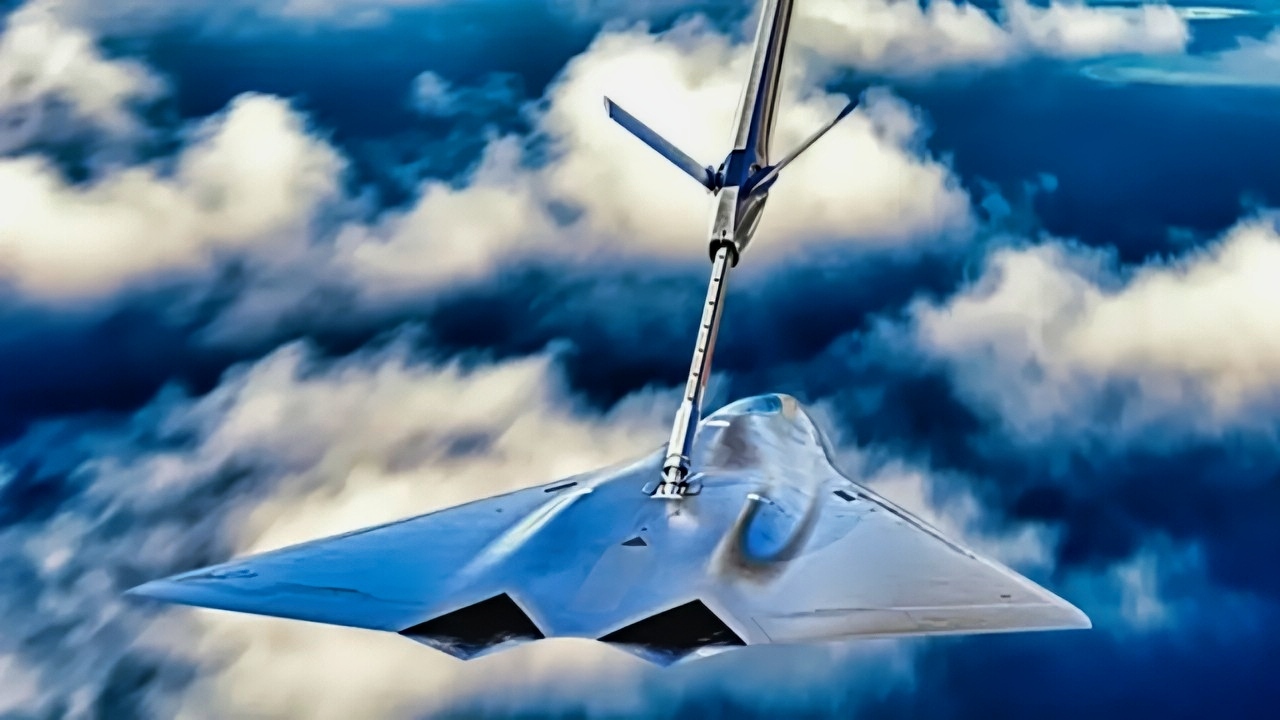
F-47 Lockheed Photo. Image Credit: Lockheed Handout.
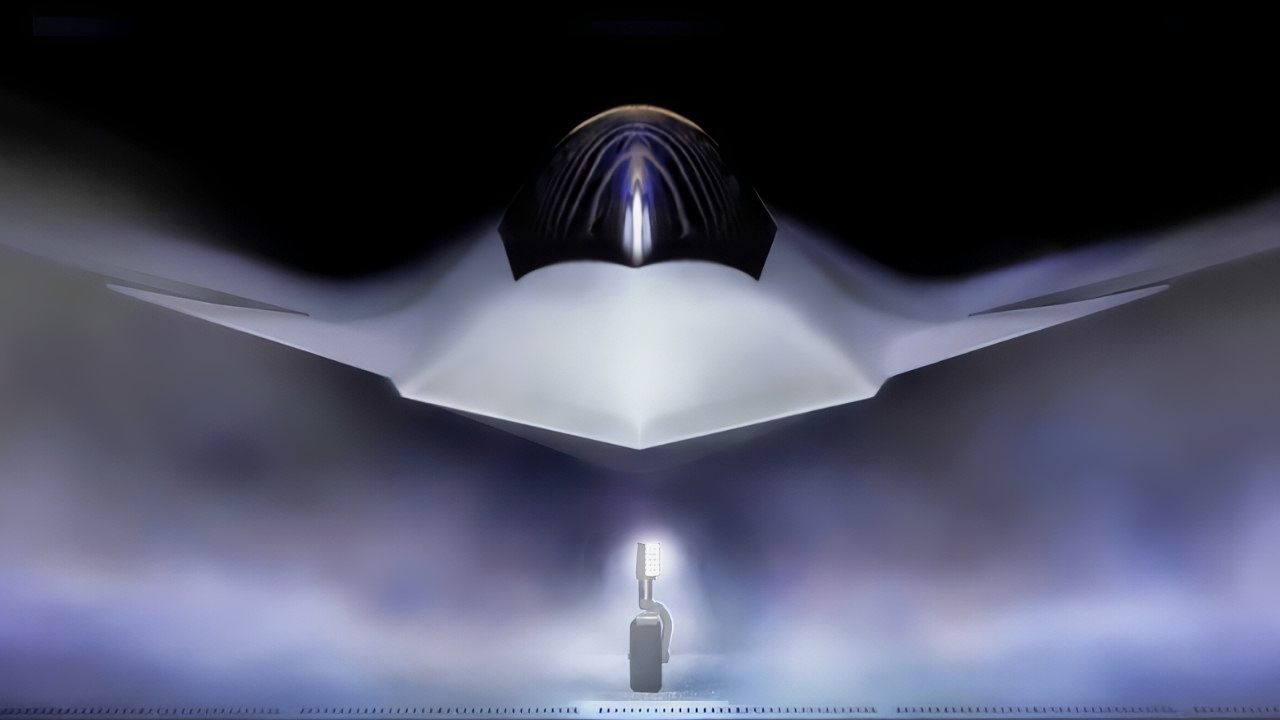
Shown is a graphical artist rendering of the Next Generation Air Dominance (NGAD) Platform. The rendering highlights the Air Force’s sixth generation fighter, the F-47. The NGAD Platform will bring lethal, next-generation technologies to ensure air superiority for the Joint Force in any conflict. (U.S. Air Force graphic)
American airpower is being rebuilt. Building on the first generation of stealth aircraft, the upcoming crop of sixth-generation warplanes is being built around range, stealth, software, and networking capabilities, rather than any single performance metric. Instead of simply measuring fleet sizes, discussions on the future force are framed around aircraft attributes such as lethality, survivability, long-range penetration, and connectivity.
The future fleet will still rely on some current platforms, notably the F-35 family of fifth-generation stealth fighters and the F-22 Raptor, which will complement the U.S. Air Force’s sixth-generation F-47 fighter. The Cold War-era B-52 bomber, too, will play a role — albeit not as a front-line aircraft but as one that can quickly bring mass to a fight in the form of long-range stand-off munitions. Here’s how American airpower is changing.
A Break from the Past
Perhaps the biggest step change for American airpower would be the U.S. Air Force’s upcoming F-47. The air force calls it the world’s first sixth-generation stealth fighter, thanks to its anticipated advanced stealth capabilities, sensor fusion, long-range strike, and an adaptable design intended to accommodate future upgrades. While that fighter is currently in development, the U.S. Air Force is not abandoning the F-22 Raptor immediately.
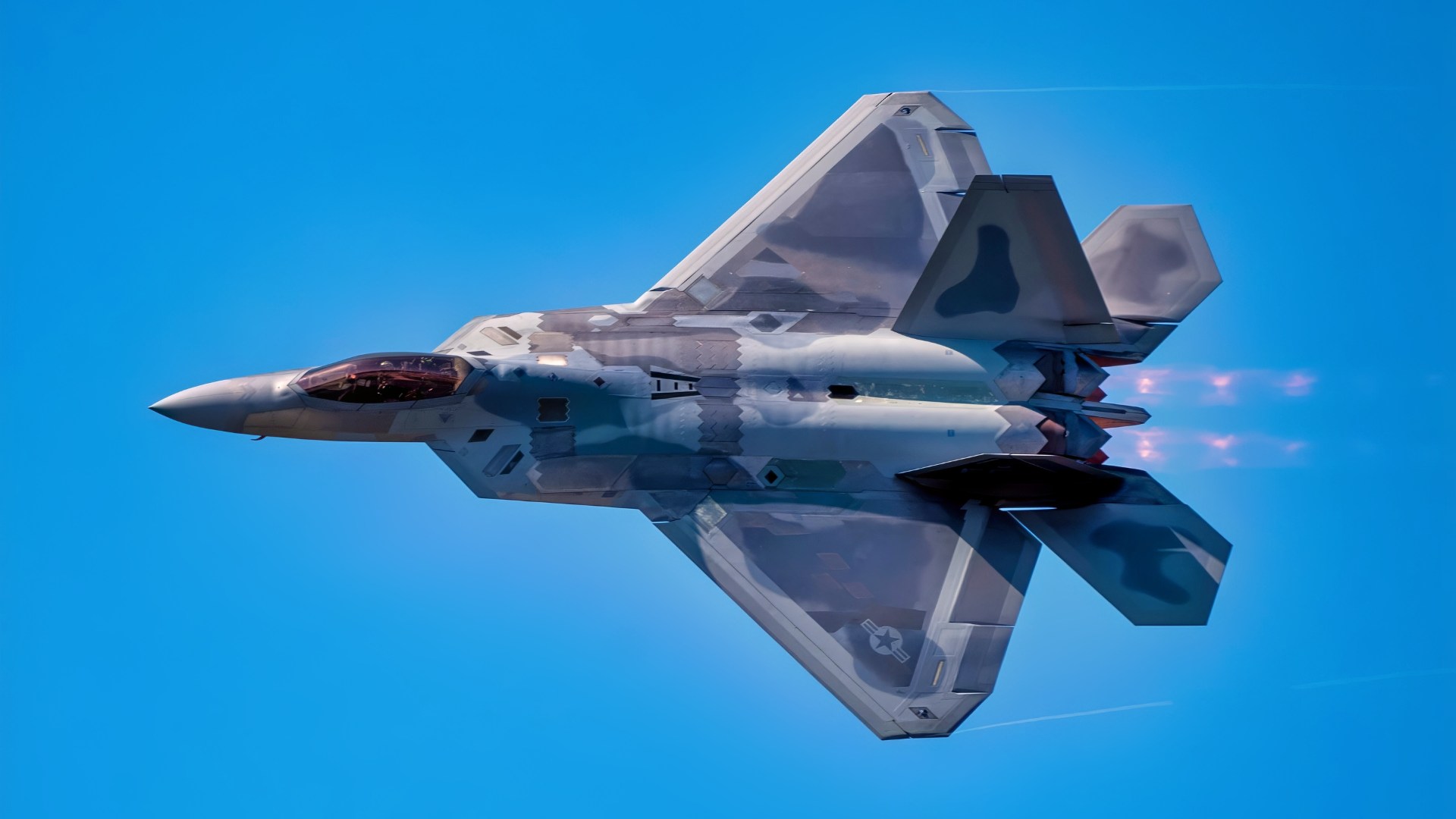
VIRGINIA BEACH, Va. (Sept. 20, 2025) The United States Air Force F-22 Demo Team performs at the 2025 Naval Air Station (NAS) Oceana Air Show aboard NAS Oceana, Sept. 20, 2025. The show’s theme celebrated 250 years of America’s navy and featured performances highlighting the precision, power, and innovation of naval aviation. (U.S. Navy photo by Mass Communication Specialist Seaman Apprentice Oliver McCain Vieira)
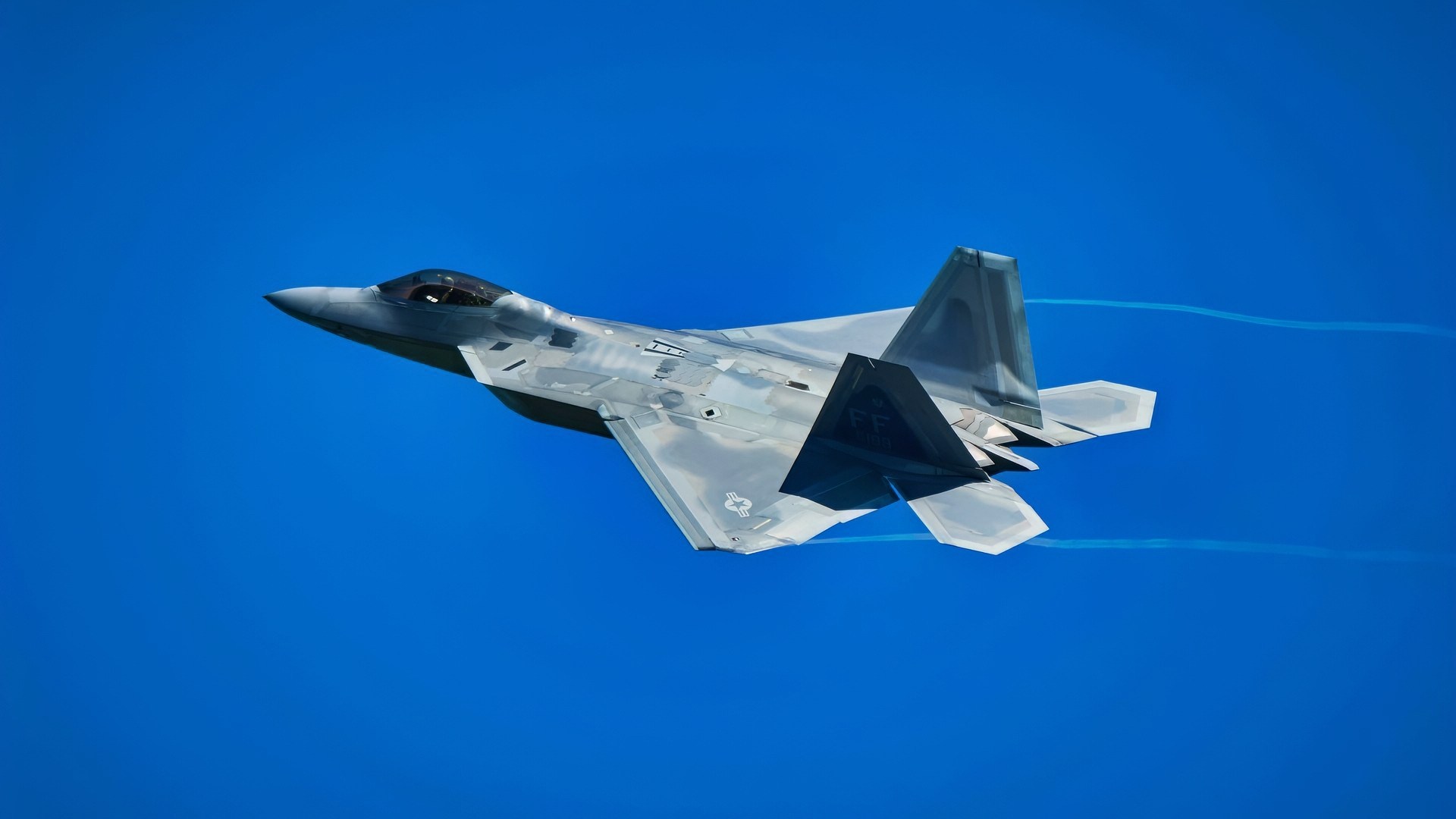
An F-22 Raptor assigned to the 1st Fighter Wing, Joint Base Langley-Eustis, Va., takes off for a training mission during Northern Lightning, a training exercise held annually at Volk Field, Wisc., Aug. 12, 2020. This is the first time the 158th has participated in the exercise with the F-35s, which sees them working with F-22 Raptors assigned to the 1st Fighter Wing, Joint Base Langley-Eustis, Va., F/A-18E Super Hornets assigned to VFA-151, Naval Air Station Lemoore, Calif., F-16 Falcons assigned to the Wisconsin National Guard, as well as T-38 Talons and L-159Es from Draken International acting as aggressor aircrafts conducting simulated combat missions in a joint-service environment. (U.S. Air National Guard photo by Airman 1st Class Jana Somero)
The F-22 remains the Air Force’s primary air-dominance fighter, and several modernizations will keep it relevant for some time yet to come.
Stealthy fuel tanks and an advanced infrared search-and-track system suggest that it will remain relevant to the U.S.A.F. well into the 2030s — likely overlapping with the F-47, at least initially — and raising the prospect of a two-fighter air superiority force: the F-22 Raptor serving as a mature, fifth-generation, stealth fighter, and the F-47 as a newer, very stealthy and long-ranged sixth-generation successor aircraft.
A potential F-47-F-22 teaming would not necessarily see the two jets flying in formation together, but rather as part of a layered, networked kill chain, where each fighter plays a distinct role. In the near to medium ranges, the Raptor would excel in air combat thanks to its extreme agility.
From the forward aspect, it is arguably the world’s stealthiest fighter today and offers extreme speed and altitude capabilities
The F-47, on the other hand, would prioritize range, a nod to the vast distances of the Indo-Pacific.
And though it will almost certainly be as stealthy, if not more so, than the F-22, its design will likely emphasize advanced sensors, data fusion, and the ability to implement software and modular upgrades. Rather than simply replacing the F-22, the F-47 will, at least initially, complement the Raptor.
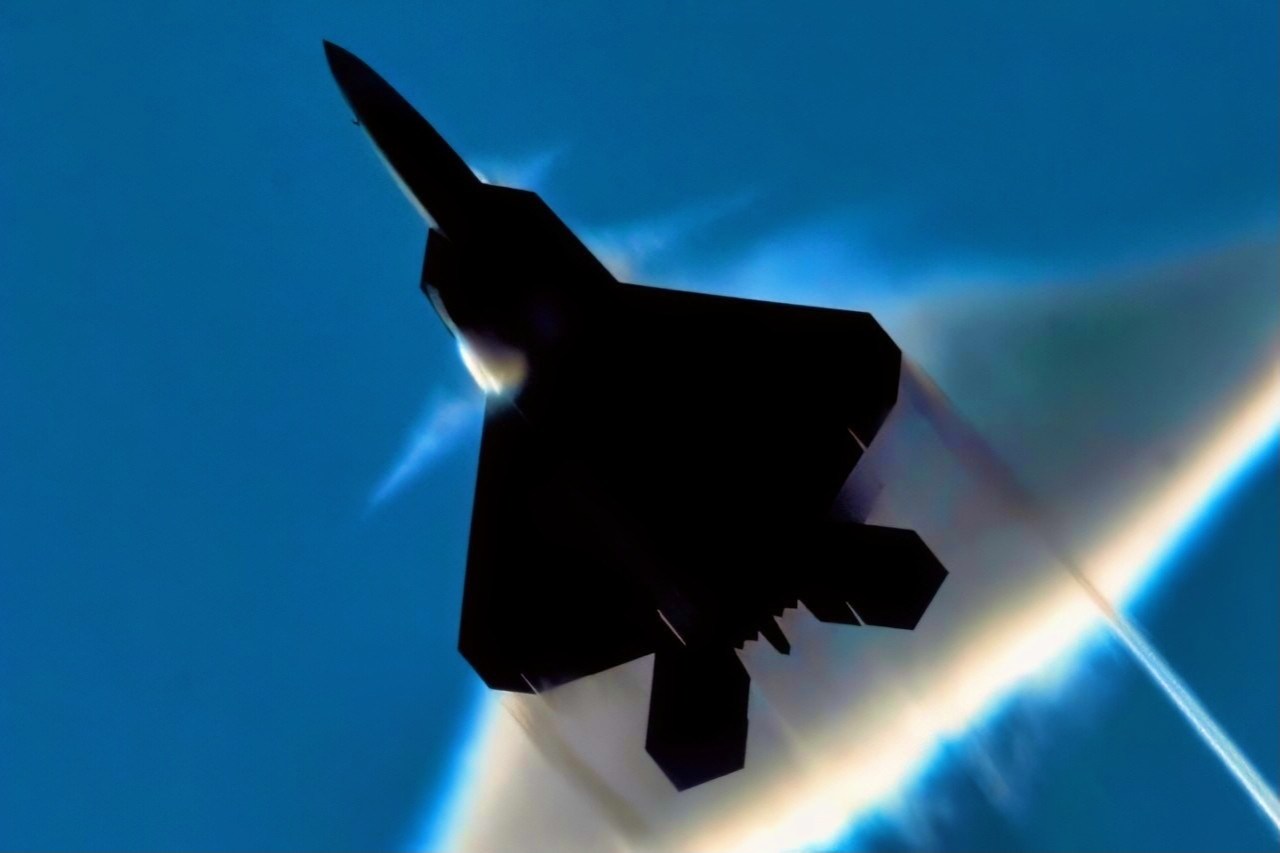
An Air Force F-22 Raptor executes a supersonic fly by over the flight deck of the aircraft carrier USS John C. Stennis. John C. Stennis is participating in Northern Edge 2009, a joint exercise focusing on detecting and tracking units at sea, in the air and on land.
Greased Lightning
The F-35 will continue to be the fifth-generation workhorse — not just for the United States, but also for close American friends and allies in Europe and further afield.
Though the single-engined jet cannot perform air superiority like the F-22, nor penetrate highly contested airspace at extreme ranges like the F-47 is anticipated to do, it is nonetheless a force multiplier that will remain widely in service across the American military: with the U.S. Air Force, Navy, and Marine Corps. In essence, the F-35 will provide the broad, distributed mass of the future force. Stealthy enough for contested airspace, situationally away, and sensor-rich, it is a flexible, multi-mission fifth-generation fighter.
The United States Navy
The Navy’s upcoming F/A-XX is somewhat of a wildcard. Because the Navy has not yet downselected a single platform to fill the F/A-XX role (two prototype aircraft are still in the running), estimates of the aircraft’s capabilities can be made, but little is known about what the aircraft will actually look like.
In any case, the F/A-XX will, like the Air Force’s F-47, be a sixth-generation fighter. It is slated to replace the Navy’s F/A-18E/F Super Hornets as well as the EA-18G Growler electronic platform.
Like the F-47, its design is expected to place a premium on range, speed, and sensor capability, as well as an ability to integrate with manned and unmanned systems. Though today’s carrier air wings clearly excel, tomorrow’s air wings will have to stay alive while operating at extreme ranges. If the F/A-XX program is successful, tomorrow’s carrier air wings will not be a short-legged tactical base, but a more survivable launch point for distributed strike packages.
The Raider Bomber
At a strategic level, perhaps a more significant shift will be felt by the U.S. Air Force. Their upcoming B-21 Raider bomber, which will replace the Cold War-era B-2 Spirit, will be the backbone of conventional bomber capabilities and nuclear deterrence, alongside the comparatively ancient B-52 Stratofortress.
Incorporating a much larger technological family of systems that include intelligence, reconnaissance, and surveillance, electronic attack, and protected communications, the B-21 will not be just another bomber, but a long-range, stealthy strike tool.
Open systems architecture means that future modernization of the B-21 will incorporate new technologies and software as they develop. The Raider bomber will significantly complicate enemy planning calculations and hold even highly defended political and military targets at risk.
Family-of-Systems
Taken together, these new aircraft will transform American airpower from a platform-centric model into a family-of-systems model.
Instead of depending on one single best fighter to do everything, multiple platforms would provide options for many contingencies: the F-22 for current air dominance roles, the F-47 for the next generation of contested air combat, the F-35 as the sensing and strike workhorse, the F/A-XX to enhance carrier operations, particularly in the Indo-Pacific, and the B-21 to provide deep strike and nuclear deterrence capabilities.
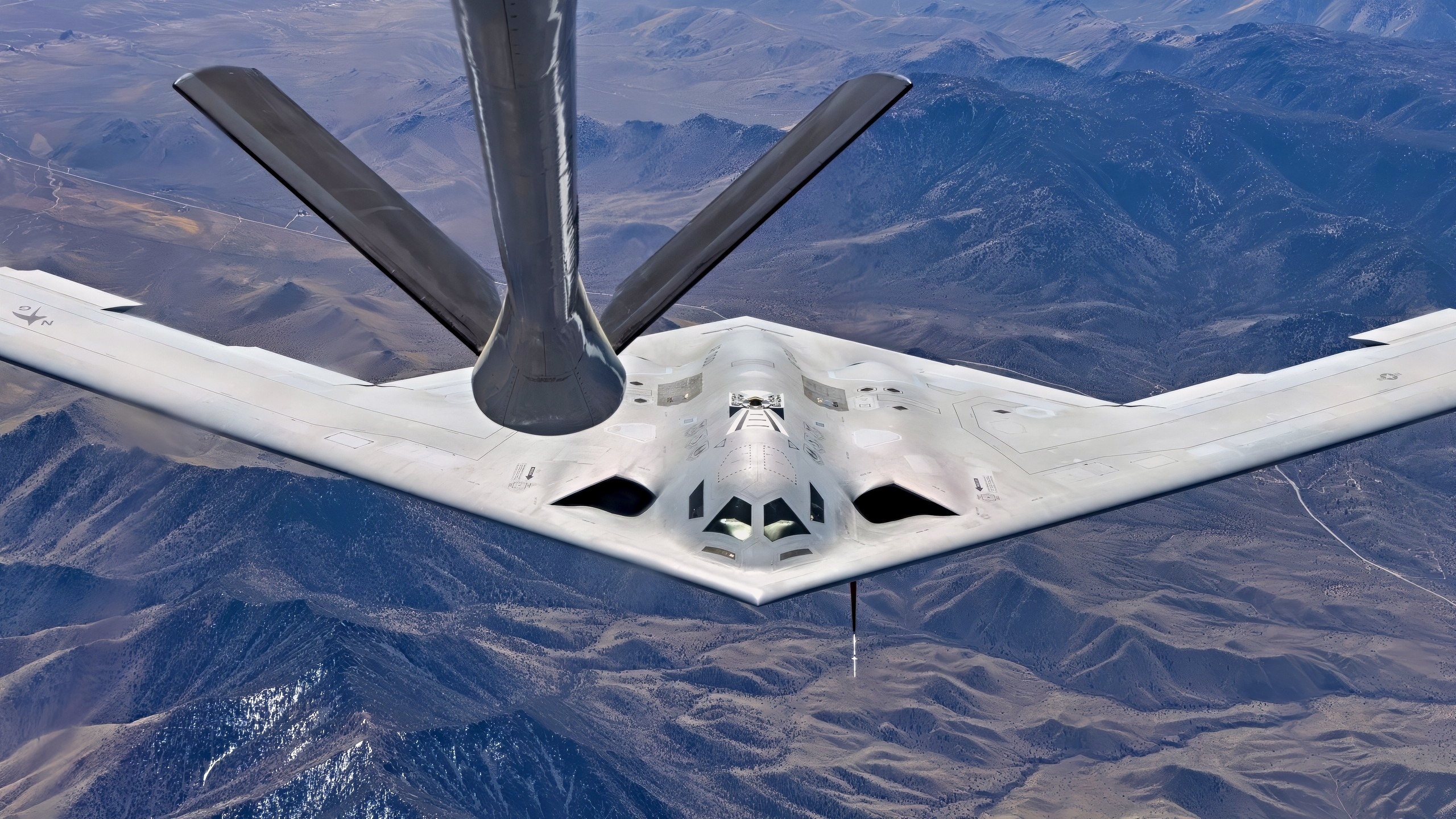
B-21 Raider April 2026. Image Credit: Creative Commons.
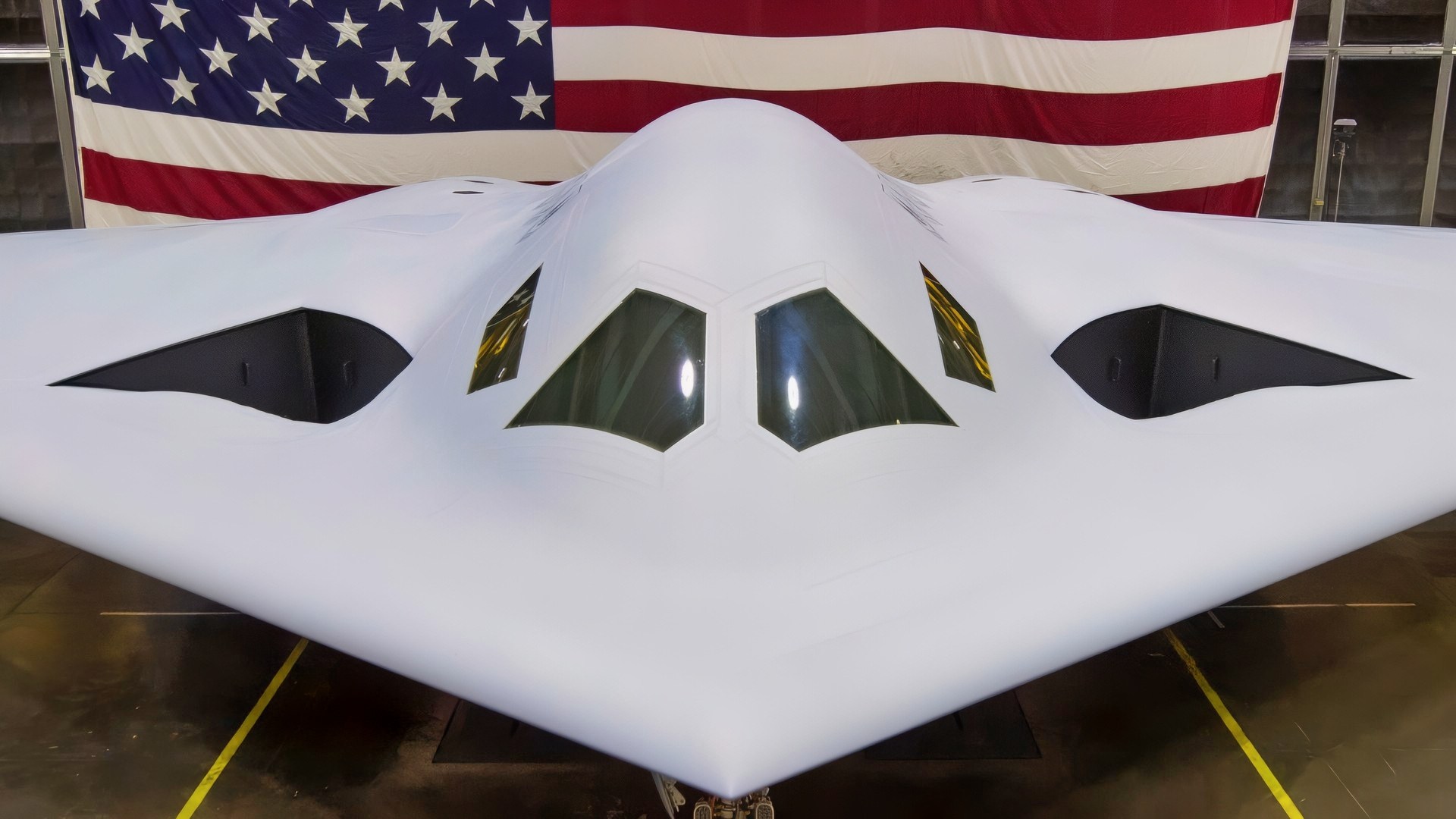
The B-21 Raider was unveiled to the public at a ceremony Dec. 2, 2022 in Palmdale, Calif. The B-21 will provide survivable, long-range, penetrating strike capabilities to deter aggression and strategic attacks against the United States, allies, and partners. (U.S. Air Force photo)
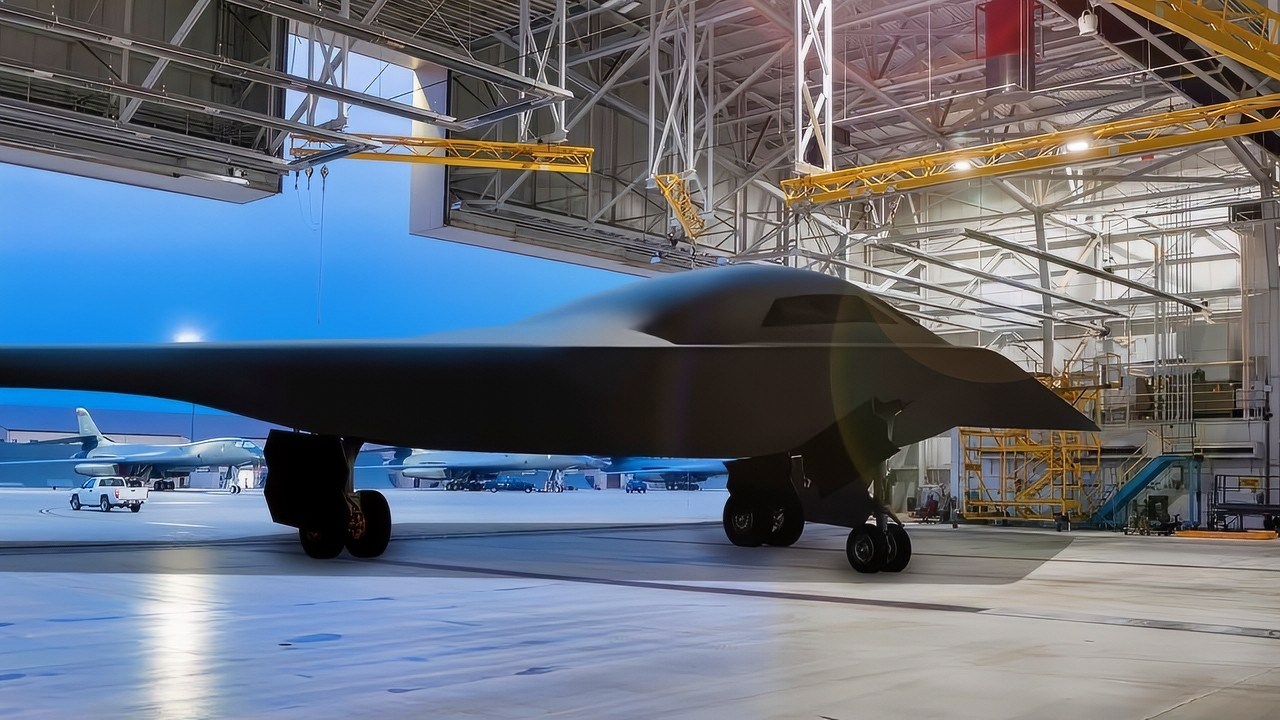
Artist rendering of a B-21 Raider in a hangar at Ellsworth Air Force Base, South Dakota, one of the future bases to host the new airframe. AFCEC is leading a $1 billion construction effort at Ellsworth to deliver sustainable infrastructure to meet warfighter demands for bomber airpower. (U.S. Air Force graphic)
Speed, stealth, or agility alone would provide options; instead, the ability to see the enemy first, make a decision, and strike at a time and place of choice over longer distances, while also keeping platforms difficult to find and target, will be crucial.
It is a significant change from the air force of the Cold War era, which was built around shorter-range fighter sweeps and massed bomber formations.
On balance, the American fleets of the future will be significantly more capable.
But there is a trade-off, and that force’s success will depend on the elements that support the aircraft. Longer-range means tankers matter, connectivity means networks matter. Stealthy, software-heavy design means that sustainment, mission data, and upgrade cycles will be highly important for retaining an edge.
But once these aircraft programs mature, the United States will not simply have better aircraft — instead, it will have a more distributed, lethal, and survivable air campaign architecture, one purpose-built to fight in dense, highly contested airspace rather than at stand-off ranges.
About the Author: Caleb Larson
Caleb Larson is an American multiformat journalist based in Berlin, Germany. His work covers the intersection of conflict and society, focusing on American foreign policy and European security. He has reported from Germany, Russia, and the United States. Most recently, he covered the war in Ukraine, reporting extensively on the war’s shifting battle lines in Donbas and writing about its civilian and humanitarian toll. Previously, he worked as a Defense Reporter for POLITICO Europe. You can follow his latest work on X.