
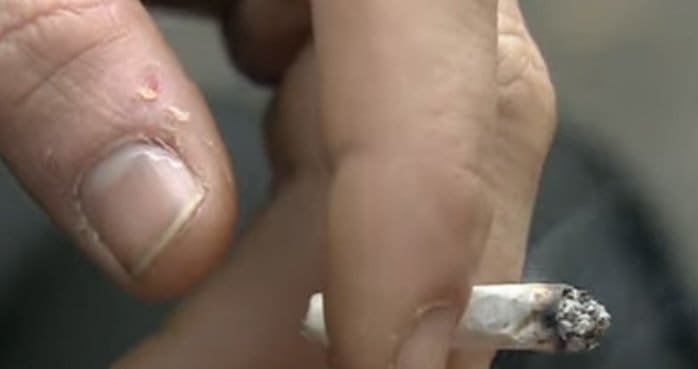
The United Kingdom has advanced legislation that would prohibit anyone born after 2008 from buying tobacco.
The draft law, which aims to create a “smoke-free generation,” has cleared both houses of parliament.
“Only the king’s signature remains for it to become law,” DW stated.
Smoking ban for people born after 2008 in the UK agreed https://t.co/12Da2ZVzJZ
— BBC News (UK) (@BBCNews) April 21, 2026
BBC explained further:
When it gets royal assent, ministers will also have new powers to regulate tobacco, vaping and nicotine products, including their flavours and packaging.
It is part of a series of measures aimed at tackling the health effects of smoking, one of the UK’s leading causes of preventable death, disability and ill health.
Vaping will be banned in cars carrying children, in playgrounds and outside schools and at hospitals, expanding smoke-free laws.
Vaping would still be allowed outside hospitals in a bid to support those trying to quit.
Outdoor hospitality venues like pub gardens and wider open spaces such as beaches and private outdoor spaces are not included in the plans.
People will also be able to continue smoking and vaping in their homes.
Only one other country, the Maldives, currently has a similar measure to create a “smoke-free generation.”
New Zealand was the first country to implement such a measure, DW noted.
However, it was quickly overturned after a change in government.
“Prevention is better than cure – this reform will save lives, ease pressure on the NHS, and build a healthier Britain,” Secretary of State for Health and Social Care Wes Streeting said, according to BBC.
The UK will ban anyone 17 and under from ever buying cigarettes after the Tobacco and Vapes Bill cleared Parliament.
Anyone born after January 1, 2009 will never be able to legally purchase tobacco, aiming to create a smoke-free generation.
(https://t.co/qMA1j2LUrV) pic.twitter.com/s4BMDfbyFu
— Pop Base (@PopBase) April 21, 2026
DW has more:
Monday’s session in the House of Lords provided the final green light to a series of minor technical changes, designed to remove errors and flaws identified within the bill, in order to finalize a bill that had already cleared all three readings in both the upper and lower houses of parliament.
As a result, even the opposition lawmakers who had opposed the idea did not resist the passage of the six amendments.
Baroness Gillian Merron, of the ruling Labour Party and part of the Department of Health and Social Care, spoke in favor of the law changes at “the end of the Bill’s journey through our Parliament.”
“It is a landmark Bill, my lords, it will create a smoke-free generation. It is, in fact, the biggest public health intervention in a generation and I can assure all noble Lords that it will save lives. I commend it to the House,” Merron said.
Michael Morris, or Baron Naseby, a Conservative member of the Lords, reiterated some of his objections to the plans, including to planned standard fines of 200 pounds (roughly €230 or $270) for retailers found to have breached age restrictions or sold to proxy buyers.
“It does upset a great many people in that industry, that the government has not listened to the strong representations from the retailers, and particularly those who have knowledge of this partiuclar industry,” Baron Naseby said.
He said he believed a time would come when those “who believe that this idea in its whole is totally out of date in relation to what is happening in the world” would come to be vindicated, saying: “What we really need is a proper understanding of how we educate people not to take up smoking.”
Royal assent, King Charles III’s signature and the last stage in the process making it law, is a formality in almost any circumstance in the UK; the Bill has already featured in one of the so-called “King’s speeches” at the opening of parliament setting out some of the government’s legislative priorities.
Watch more below: